
Health Tips
Oxycodone Safety Checklist Before Every Dose: A Step-by-Step Guide


Taking oxycodone isn’t as simple as swallowing a pill on schedule. Every single dose carries risk, especially if you’re tired, distracted, or juggling other medications. That’s why an oxycodone safety checklist before every dose matters just as much as the prescription itself.
This guide walks you through exactly what to check, in what order, and why it protects you from the most common and most dangerous mistakes people make with opioid medications. You’ll learn how to verify your dose, check for interactions, assess your own condition, and know when to hold off on taking the medication altogether.
Why You Need an Oxycodone Safety Checklist Before Every Dose
Oxycodone is a powerful opioid painkiller. It works well for moderate to severe pain, but it also slows breathing, causes sedation, and interacts with dozens of other substances. According to the Mayo Clinic, opioid medications like oxycodone carry a risk of serious breathing problems, especially when combined with other central nervous system depressants such as alcohol, benzodiazepines, or sleep aids.
Most overdoses and dangerous reactions don’t happen because someone intentionally misused their medication. They happen because of small, avoidable errors: taking a dose too soon, mixing it with the wrong substance, or not noticing early warning signs of oversedation. A consistent pre-dose checklist catches these errors before they become emergencies.
If you’re new to this medication, it also helps to pair this checklist with a broader resource like our complete oxycodone medication safety guide, which covers the full picture beyond just the moment of dosing.
The Core Oxycodone Safety Checklist: What to Verify Before Every Dose
Think of this as a pre-flight check. Pilots don’t skip steps because they’re experienced. They run the same list every single time, because complacency is when mistakes happen. Apply that same discipline here.
1. Confirm It’s Actually Time for Your Dose
Before you touch the bottle, check the clock against your last recorded dose time.
- Has enough time passed since your last dose, based on your prescribed interval (typically every 4 to 6 hours for immediate-release oxycodone)?
- Are you taking it because your pain genuinely warrants it, or out of habit or anxiety about pain returning?
- If you’re using a medication log or app, does the entry match what you remember taking?
Taking doses too close together is one of the most common causes of accidental overdose. If you’re unsure why pain seems to spike right before your next scheduled dose, it’s worth reading why pain returns before the next dose instead of simply taking extra medication early.
2. Verify the Dose and the Pill
Mistakes with pill identification happen more often than people expect, especially in households with multiple prescriptions or when a pharmacy switches generic manufacturers.
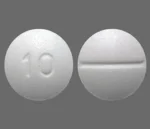
- Check the pill imprint, shape, and color against your prescription label or pharmacy printout.
- Confirm the milligram strength matches what your doctor prescribed, not a leftover dose from an old prescription.
- If you split tablets, make sure the tablet is actually approved for splitting. Not all oxycodone formulations are safe to cut, particularly extended-release versions. Our guide on splitting oxycodone tablets safely explains which formulations should never be cut, crushed, or chewed.
3. Check for Interactions With Other Medications
This step gets skipped more than any other, usually because people assume they’d know if something was dangerous. But drug interactions are not always obvious in the moment. Some combinations quietly increase sedation over hours, while others slow your breathing without any dramatic warning sign until it’s severe.
- Think through everything you’ve taken in the past 24 hours, including over-the-counter medications, herbal supplements, and anything new your dentist, urgent care provider, or specialist may have prescribed.
- Pay special attention to other central nervous system depressants such as benzodiazepines, muscle relaxants, sleep aids, and alcohol. Combining these with oxycodone significantly raises the risk of slowed breathing.
- If you’ve recently started a new supplement or vitamin, confirm it’s actually compatible with oxycodone rather than assuming “natural” means “safe.” Our guide on taking vitamins while on oxycodone walks through which combinations are generally fine and which deserve a call to your pharmacist first.
- If you’re not sure whether something interacts, call your pharmacist before your next dose rather than after. Pharmacists are trained to catch exactly this kind of overlap, and asking questions is part of their job, not an inconvenience. If you’ve ever wondered why they ask so many questions at pickup, this breakdown of pharmacist questions explains what they’re actually screening for.
4. Assess Your Current Physical and Mental State
Oxycodone doesn’t affect you the same way every single time. Your tolerance, hydration, sleep, stress level, and even recent illness can all shift how strongly a dose hits you. Before taking your next dose, take thirty seconds to check in with your body.
- Are you unusually drowsy, dizzy, or foggy already, even before this dose?
- Is your breathing slower or shallower than normal? A useful home check is simply counting your breaths for one minute. Adults typically breathe between 12 and 20 times per minute at rest; anything noticeably slower deserves attention.
- Have you had less sleep than usual, skipped meals, or been drinking less water than normal? Dehydration and low blood sugar can both intensify sedation.
- Are you experiencing nausea, confusion, or unusual mood changes that weren’t present with earlier doses?
If you notice any of these signs, it doesn’t automatically mean you should skip the dose, but it does mean you should pause and think it through, and ideally have someone else confirm what they’re observing before you proceed. This is especially important if your dose was recently adjusted. If you’re questioning whether your current dose is still the right one, learning about the lowest effective oxycodone dose can help you have a more informed conversation with your prescriber.
5. Confirm You Have a Safety Check-In Plan
This step is frequently overlooked, but it matters most for people who live alone, have recently changed doses, or are combining oxycodone with any other sedating medication. Ask yourself honestly whether someone would notice if you became unusually unresponsive after this dose.
- Does a family member, roommate, or neighbor know your dosing schedule, even loosely?
- Do you have a phone within reach in case you need to call for help?
- If you live alone, is there a check-in system in place, whether that’s a daily text, a phone call, or a wearable alert device?
This isn’t about assuming the worst every time you take a dose. It’s about building a small safety net that costs nothing and takes almost no effort, but genuinely matters in the rare event something goes wrong. For a deeper look at this specific concern, our guide on oxycodone safety for seniors living alone covers practical, low-effort systems that make a real difference.
6. Review Your Storage and Take-Home Environment
Before you even reach for the bottle, it’s worth glancing around the space you’re in. A surprising number of dosing errors and accidental exposures happen not because of the person taking the medication, but because of what’s happening around them.
- Is the bottle clearly labeled, or has it been transferred into an unmarked pill organizer where mix-ups are more likely?
- Are children, pets, or visitors in the home who might have access to loose pills left on a counter or nightstand?
- Is your supply stored securely, away from shared spaces, and out of sight of anyone who shouldn’t have access to it?
If you haven’t reviewed your home storage setup recently, it’s worth doing a full walkthrough. Our complete guide to oxycodone home safety covers everything from lockboxes to disposal, and it’s a good one-time project that pays off for the entire length of your prescription.
7. Double-Check Food, Alcohol, and Timing Factors
The circumstances surrounding a dose matter almost as much as the dose itself. Oxycodone absorption and intensity can shift depending on what’s in your system and when you last ate.
- Have you had any alcohol in the past several hours? Even small amounts combined with oxycodone can meaningfully increase sedation and slow breathing.
- Are you taking the dose with or without food, consistent with what your prescriber or pharmacist recommended? Some formulations are meant to be taken with food to reduce nausea or affect absorption speed.
- Is this dose on schedule, or are you taking it early because pain returned faster than expected? If pain keeps creeping back before your next scheduled dose, that’s a pattern worth discussing with your doctor rather than quietly working around on your own.
Special Situations That Deserve Extra Caution
Some circumstances raise the stakes on this checklist significantly. If any of the following apply to you, it’s worth being even more deliberate about running through each step before every single dose, not just when something feels off.
Driving or Operating Machinery
Oxycodone can impair reaction time, coordination, and judgment, even at doses that feel manageable. This effect tends to be strongest in the first few days of a new prescription or after a dose increase, but it can resurface any time you’re more tired, dehydrated, or combining medications than usual. If there’s any doubt about how alert you feel, treat that doubt as your answer and avoid driving until you’re certain.
Combining With Other CNS Depressants
Benzodiazepines, sleep medications, muscle relaxants, and alcohol all slow the central nervous system in similar ways to oxycodone. When stacked together, the effects don’t just add up, they compound. This combination is one of the leading causes of preventable opioid-related emergencies, which is exactly why interaction checks belong at the top of every pre-dose routine, not as an afterthought.
Recent Dose Changes
If your prescriber recently adjusted your dose, whether up or down, your body needs time to adjust. A dose that felt perfectly manageable last week may feel different this week simply because your tolerance shifted. This is a good time to be more conservative with monitoring, and it’s worth reviewing how these decisions get made in the first place. This guide on how doctors decide oxycodone dosing can help you understand what your prescriber is weighing and why changes happen gradually rather than all at once.
Missed or Doubled Doses
If you’re not sure whether you already took your last dose, do not simply take another one to be safe. Guessing in either direction carries risk, whether that means unintentionally doubling up or unintentionally going without pain control. Instead, use the timing check from Step 1, check your log or app, and if you genuinely cannot determine the answer, call your pharmacist or prescriber’s office for guidance rather than guessing.
Changes in Sexual Function or Hormonal Symptoms
Long-term opioid use, including oxycodone, can sometimes affect hormone levels and sexual health, which isn’t something most people think to bring up during a quick pre-dose check but is worth monitoring over time and discussing at your next appointment. If you’ve noticed changes like this, this guide on oxycodone and sexual health explains what’s actually happening physiologically and when it’s worth raising with your doctor.
What To Do If Something Feels Off Before or After Taking Your Dose
Even with a solid checklist, there will be moments where something feels slightly wrong and you’re not sure whether it’s serious. Here’s a simple way to think through it.
- If you feel unusually drowsy, confused, or dizzy before taking the dose: Hold off, sit down, and check your breathing rate. If it’s normal and you’re simply tired, wait 20 to 30 minutes and reassess before deciding whether to take the dose or contact your provider.
- If you notice slowed or shallow breathing, blue-tinged lips or fingertips, or you cannot wake someone who has taken oxycodone: This is a medical emergency. Call emergency services immediately. If naloxone is available in your home, as it should be for anyone on long-term opioid therapy, use it according to the instructions while waiting for help to arrive.
- If you’re not sure whether you already took a dose: Do not take another one on a guess. Contact your pharmacy or prescriber’s office for guidance, and consider this a sign that you need a more reliable tracking system going forward.
- If pain is consistently returning well before your next scheduled dose: This is not something to solve by simply taking extra medication. It’s a pattern to bring to your prescriber, since it may mean your dosing schedule, formulation, or overall treatment plan needs adjustment.
Building a Pre-Dose Routine You’ll Actually Follow
A checklist only works if it’s realistic enough to use every time, not just when you remember or when something feels unusual. Most patients find it easier to build this into an existing habit rather than treating it as a separate task. A few practical ways to make it stick:
- Attach it to something you already do. Keep your medication log next to your toothbrush, your morning coffee, or wherever you already have a consistent daily habit.
- Use a physical or digital log, not memory alone. Even a simple notebook with time and dose written down removes the guesswork that leads to accidental double-dosing.
- Keep the checklist somewhere visible. A printed card taped inside a cabinet door or a saved note on your phone works better than trying to remember every step from scratch.
- Loop in one other person. Whether it’s a spouse, adult child, or close friend, having one other person who understands your schedule adds a layer of safety that costs nothing.
- Revisit the checklist after any change. New medication, new dose, new pharmacy, or a health change like an illness or hospitalization are all good reasons to run through the full checklist more carefully for the first few doses afterward.
If you’re building this routine from the very beginning of a prescription, it’s worth pairing this checklist with a broader onboarding process. Our checklist for new oxycodone patients covers what to set up before you even take your first dose, while our medication review checklist is useful for making sure your ongoing check-ins with your prescriber stay thorough over time.
Frequently Asked Questions
How long should this checklist actually take?
Once it becomes habit, most of these checks take less than two minutes. The goal isn’t to turn dosing into a lengthy ritual, it’s to catch the small mistakes that lead to bigger problems, and most of those mistakes are avoidable with just a few seconds of attention.
Do I need to do the full checklist every single time, even after months of taking oxycodone?
The core safety checks, timing, correct pill, and interactions, should happen every time, since these are the areas where mistakes most commonly occur regardless of how long you’ve been on the medication. The deeper reflection steps, like reassessing your physical state or storage setup, are especially important after any change, but doing a quick mental pass every time builds a habit that protects you long term.
What if I realize partway through the checklist that I already took my dose?
Stop immediately and do not take a second dose. Note the time you believe you took it, check any log or app you use, and if you’re still unsure, contact your pharmacist. It’s always safer to call and confirm than to guess in either direction.
Is it normal for oxycodone to feel different from dose to dose?
Some variation is common and can be explained by factors like hydration, sleep, food intake, and stress. However, significant or sudden changes in how a dose feels, especially increased sedation or breathing changes, should always be discussed with your prescriber rather than dismissed as normal fluctuation.
What should I do if I don’t feel comfortable bringing up a concern with my doctor?
You have the right to ask questions, request dose reviews, and raise concerns about your treatment at any time. If you’re not sure how to approach that conversation, understanding your rights as a patient can make it easier to advocate for yourself clearly and confidently.
The Bottom Line
A pre-dose safety checklist isn’t about second-guessing yourself every time you need pain relief. It’s about building a small, repeatable habit that catches the handful of mistakes responsible for most oxycodone-related emergencies: taking a dose too soon, mixing medications without checking, or missing early warning signs that something isn’t right. None of these checks take more than a minute or two once they become routine, and together they create a meaningful layer of protection for you and anyone else in your home. According to Mayo Clinic’s guidance on oxycodone, consistent, careful use combined with close communication with your care team remains the most effective way to manage both pain and risk. Pair that professional guidance with a personal checklist you actually follow, and you give yourself the best possible chance of using this medication safely for as long as you need it.