
Health Tips
Oxycodone Home Safety: A Complete Guide for Patients and Caregivers

Bringing oxycodone into your home changes the safety equation for everyone living there, not just the person taking it. A single unsecured bottle can lead to a child’s accidental poisoning, a teenager’s experimentation, or a pet’s emergency vet visit. This guide walks through practical, room-by-room strategies for oxycodone home safety so you can manage pain effectively while protecting your household from preventable harm.
You will learn how to store and organize your medication, avoid dangerous combinations, reduce fall and injury risks caused by drowsiness, recognize overdose warning signs, and dispose of leftover pills responsibly. Whether you are a new patient, a long-term user, or a caregiver helping a loved one, these steps will help you build a safer home environment around this powerful medication.
Why Oxycodone Requires Extra Home Safety Precautions
Oxycodone is a Schedule II opioid, meaning it carries a high potential for misuse, dependence, and overdose. Unlike over-the-counter pain relievers, oxycodone slows breathing and depresses the central nervous system, especially when combined with alcohol, sedatives, or other opioids. Because of this, the risks extend beyond the person prescribed the medication.
According to the Mayo Clinic, opioid medications like oxycodone should always be stored securely and monitored closely, since even a small dose can be dangerous for someone it wasn’t prescribed for, particularly children or pets. As a result, home safety planning isn’t optional. It’s a core part of responsible pain management.
Think of oxycodone home safety as having three layers: preventing accidental exposure to others, protecting the patient from injury while medicated, and preparing for emergencies if something goes wrong. Each layer requires a slightly different approach, and together they form a complete safety net.
Layer One: Secure Storage to Prevent Accidental Access
The single most effective thing you can do to improve oxycodone home safety is to lock it up. Studies on accidental pediatric poisoning consistently show that unsecured prescription opioids are a leading cause of emergency room visits among young children.
Choosing the Right Storage Location
Avoid the classic bathroom medicine cabinet. It’s the first place curious children look, it’s humid (which can degrade medication), and it’s easily accessible to house guests. Instead, consider these options:
- A lockable medication storage box kept in a closet or bedroom, out of sight
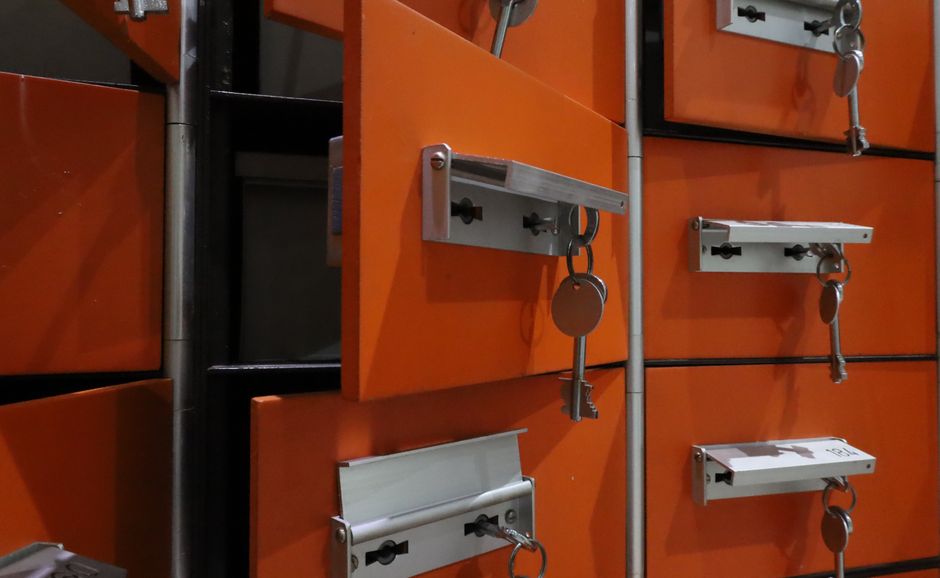
- A small safe with a combination or key lock, bolted down if possible
- A locked drawer in an area that isn’t part of normal household traffic
Keep the medication in its original, labeled container. This isn’t just for organization, it also ensures that in an emergency, first responders know exactly what was taken and at what dosage.
Temperature and Environmental Considerations
Oxycodone should be stored at room temperature, away from direct sunlight, heat sources, and moisture. Avoid leaving it in a car, near a stove, or in a bathroom with a hot shower running regularly. Excessive heat or humidity can degrade the medication’s potency over time, which may affect pain control.
Keeping an Accurate Inventory
Count your pills regularly and keep a simple log of how many remain. This habit does two things: it helps you notice if medication is missing (which could indicate diversion or misuse), and it helps you plan refills before you run out. Pairing this with a written schedule, similar to the approach described in the Oxycodone Medication Checklist, makes it much easier to stay organized and catch discrepancies early.
Layer Two: Protecting Children, Teens, and Pets
Even the most careful adult can underestimate how quickly a child or pet can find and ingest medication. A few seconds of an unlocked drawer or an open purse is often all it takes.
Childproofing Beyond the Bottle
Child-resistant caps slow kids down, they don’t stop them entirely. Determined toddlers have been known to open supposedly childproof containers within minutes. Layer your defenses:
- Never leave pills on a nightstand, kitchen counter, or in a purse or bag within a child’s reach
- Ask visiting grandparents or relatives to keep their own medications secured while staying in your home
- Store medication in a different room than where children play or sleep
- Dispose of unused pills promptly rather than letting bottles accumulate
Teenagers and the Risk of Misuse
Teens present a different challenge. They are old enough to bypass simple safety measures but may not fully grasp the risks of opioid misuse or sharing pills with friends. Locking the medication, tracking pill counts, and having an honest conversation about why the medication is dangerous to use without a prescription can significantly reduce risk.
Pets and Oxycodone
Dogs in particular are known to chew through pill bottles or swallow dropped pills before an owner even notices. Oxycodone is toxic to pets and can cause severe respiratory depression or death even in small amounts. If you suspect your pet has ingested any amount of oxycodone, contact an emergency veterinarian immediately.
Layer Three: Reducing Injury Risk From Drowsiness and Impairment
Oxycodone commonly causes drowsiness, dizziness, and slowed reaction time, especially when starting the medication or after a dose increase. This makes fall prevention and household safety adjustments essential, particularly for older adults.
Bathroom Safety Adjustments
Bathrooms are a common site for falls among people taking sedating medications. Consider adding:
- A non-slip mat inside and outside the shower or tub
- Grab bars near the toilet and shower
- A shower chair if dizziness is a concern
- Nightlights to avoid navigating in the dark
Kitchen and Stairway Precautions
Avoid using the stove, sharp knives, or operating heavy kitchen equipment shortly after taking a dose, especially while your body is still adjusting to the medication. Stairways should be well lit, free of clutter, and equipped with sturdy handrails. If dizziness is frequent, it may help to temporarily rearrange your living space so that a bedroom or bathroom is on the ground floor.
Driving and Operating Machinery
Oxycodone can impair judgment, coordination, and alertness in ways similar to alcohol. Do not drive, operate power tools, or use heavy machinery until you know exactly how the medication affects you, and never do so after a dose increase without first assessing how you feel. Many prescribers recommend avoiding driving entirely during the first few days of a new dosage.
Fall Risk in Older Adults
Older adults metabolize oxycodone more slowly, which increases both sedation and fall risk. If you’re caring for an aging parent or relative on oxycodone, consider a medical alert device, remove loose rugs, secure electrical cords, and check in more frequently during the first days of a new prescription or dose change.
Avoiding Dangerous Combinations at Home
One of the most overlooked aspects of oxycodone home safety is what’s in your kitchen and medicine cabinet alongside it. Combining oxycodone with certain substances can amplify sedation or increase overdose risk.
Alcohol
Alcohol is one of the most dangerous substances to combine with oxycodone. Both depress the central nervous system, and together they can slow or stop breathing. Even a small amount of alcohol can significantly increase sedation while on oxycodone.
Other Sedatives and Medications
Benzodiazepines, sleep aids, muscle relaxants, and some antihistamines can all intensify oxycodone’s sedative effects. The Drugs.com interaction checker is a useful tool to review before adding any new medication, but you should always confirm with your pharmacist or prescriber directly.
Certain Foods and Drinks
Grapefruit and grapefruit juice can interfere with how your liver metabolizes oxycodone, potentially increasing the amount of active drug in your bloodstream. For a more detailed breakdown of what to avoid, see this guide on foods and drinks to avoid while taking oxycodone. Keeping your kitchen stocked with safer alternatives reduces the temptation to reach for something that could interact poorly with your medication.
Recognizing Overdose Warning Signs at Home
Knowing what an oxycodone overdose looks like can save a life, whether it’s your own or a family member’s. Warning signs include:
- Slow, shallow, or stopped breathing
- Extreme drowsiness or inability to wake up
- Pinpoint pupils
- Blue or gray tint to lips or fingertips
- Limp body or unresponsiveness
- Choking or gurgling sounds
If you notice any of these signs in yourself or someone else, call emergency services immediately. Do not wait to see if symptoms improve on their own.
Keeping Naloxone at Home
Naloxone (brand name Narcan) is an opioid overdose reversal medication that can be administered as a nasal spray. Many pharmacies now offer it without a separate prescription in most states. If you or a family member takes oxycodone regularly, especially at higher doses, ask your doctor or pharmacist whether keeping naloxone at home makes sense for your situation. Store it somewhere accessible, not locked away with the oxycodone itself, and make sure other household members know where it is and how to use it.
Building an Emergency Plan
A written emergency plan takes only a few minutes to create but can make a critical difference in a crisis.
What to Include
- Your prescriber’s name and phone number
- Pharmacy contact information
- A list of current medications and dosages
- Instructions for using naloxone if you keep it on hand
- Emergency contacts, including a nearby family member or neighbor
Keep a copy of this plan somewhere visible, such as on the refrigerator or inside a kitchen cabinet, and share it with anyone who lives with or regularly visits the patient. This is especially important if you’re also managing other health conditions. For example, patients dealing with kidney disease or liver conditions may process oxycodone differently, which can change how quickly symptoms of overmedication appear.
Organizing Doses to Avoid Errors
Medication errors, whether doubling a dose accidentally or forgetting one entirely, are a common and preventable safety risk. Simple organizational tools can dramatically reduce this risk.
Pill Organizers and Reminders
A labeled pill organizer with compartments for each day and time can help prevent accidental double-dosing, especially for patients managing multiple medications. Phone alarms or medication reminder apps add another layer of protection.
Tracking Pain Levels and Timing
Understanding when and why you’re taking a dose matters just as much as remembering to take it. If you’re managing sudden spikes in pain between scheduled doses, it helps to understand the difference between expected pain and breakthrough pain, covered in detail in this guide to breakthrough pain and oxycodone. Using a pain scale consistently, as described in this resource on understanding pain scales, can also help you and your doctor fine-tune your dosing schedule rather than relying on guesswork.
Avoiding Duplicate Prescriptions
If you see multiple doctors, make sure each one knows about your oxycodone prescription. Duplicate prescriptions from different providers, sometimes called “therapeutic duplication,” can lead to dangerously high doses without anyone realizing it. Keep an updated medication list with you at appointments, and don’t hesitate to remind your pharmacist to check for interactions or overlapping prescriptions every time a new medication is added.
What to Do in Case of a Missed Dose or Overdose
Even with the best organizational systems in place, mistakes can happen. Knowing how to respond calmly and correctly can prevent a small error from becoming a medical emergency.
Missed Dose Guidelines
If you miss a dose of oxycodone, take it as soon as you remember, unless it’s almost time for your next scheduled dose. In that case, skip the missed dose entirely and resume your regular schedule. Never take two doses at once to “catch up,” as this significantly increases the risk of respiratory depression and other serious side effects.
If you’re consistently missing doses or finding the schedule difficult to follow, talk to your doctor. This may be a sign that your regimen needs adjustment, or that a pill organizer and reminder system, as discussed above, could help.
Recognizing an Overdose
Oxycodone overdose is a medical emergency. Warning signs include extreme drowsiness or inability to wake up, slow or shallow breathing, pinpoint pupils, cold and clammy skin, blue-tinged lips or fingernails, and unresponsiveness. Because oxycodone depresses the central nervous system, an overdose can cause breathing to slow to a dangerous or fatal level.
Immediate Steps to Take
If you suspect someone has overdosed on oxycodone, call emergency services immediately. If naloxone is available, administer it according to the instructions on the package while waiting for help to arrive. Naloxone can temporarily reverse the effects of an opioid overdose, but its effects wear off, so professional medical care is still necessary even after a dose is given. Stay with the person, keep them on their side if possible to prevent choking, and be ready to provide information about what was taken and when.
Every household with someone taking oxycodone should consider keeping naloxone on hand, and both patients and caregivers should know how to use it. Many pharmacies now offer naloxone without a prescription, and pharmacists are usually willing to walk you through proper administration.
Traveling Safely With Oxycodone
Life doesn’t stop because you’re managing pain with medication, and many patients need to travel while taking oxycodone. A little extra planning goes a long way toward avoiding stressful situations at airports, borders, or unfamiliar pharmacies.
Carrying Medication Legally
Always keep oxycodone in its original, pharmacy-labeled container when traveling. This makes it clear that the medication is legally prescribed to you and can prevent confusion or delays during security screening. If you’re flying, keep the medication in your carry-on rather than checked luggage, both for security purposes and so you have access to it if your checked bag is delayed or lost.
Documentation for Travel
Carrying a copy of your prescription, or a note from your doctor explaining your diagnosis and treatment plan, can be helpful if questioned by airport security or customs officials, especially internationally. Some countries have strict laws regarding controlled substances, including medications that are legal in the United States, so it’s worth checking the regulations of your destination country well before you travel.
Planning for Time Zone Changes
Crossing time zones can complicate a strict medication schedule. Rather than trying to adjust abruptly, many patients find it easier to gradually shift dosing times over a day or two, either before departure or after arrival. If you’re unsure how to handle timing changes for a long trip, ask your doctor or pharmacist for a specific plan before you leave.
Talking to Family Members and Household Guests
Home safety isn’t just about where you store your medication, it’s also about who has access to your home and what they know. Open communication with the people who share your space can prevent accidental exposure and reduce stigma.
Setting Boundaries With Visitors
If you regularly have guests, contractors, or extended family in your home, it’s reasonable to keep oxycodone locked away even from people you trust. This isn’t about suspicion, it’s about minimizing risk in a household where multiple people, including children or pets, may have access to spaces you don’t fully control.
Educating Household Members
Everyone living in your home should know, at a basic level, that you’re taking a prescription opioid, where it’s stored, and what to do in an emergency. Caregivers in particular should understand your dosing schedule, know the signs of overdose, and be comfortable administering naloxone if it’s kept in the home.
Reducing Stigma Around Opioid Use
Patients taking oxycodone for legitimate pain management sometimes feel embarrassed or judged, which can lead to secretive behavior that actually increases risk, like hiding medication in unsafe locations to avoid conversations with family. Normalizing conversations about safe storage and emergency preparedness, without shame, helps everyone in the household stay safer.
Special Considerations for Caregivers
Caregivers play a critical role in oxycodone safety, particularly for patients who are elderly, cognitively impaired, or managing complex medical conditions. If you’re a caregiver, a few additional precautions can help you support your loved one effectively.
Monitoring Without Micromanaging
It can be a delicate balance to stay involved in someone’s medication routine without making them feel controlled. Using shared tools, like a pill organizer both of you can check, or a simple log kept on the refrigerator, allows for oversight without constant confrontation.
Watching for Signs of Misuse or Diversion
While most patients use oxycodone exactly as prescribed, caregivers should be aware of warning signs that something has changed, such as running out of medication early, requesting early refills frequently, or noticeable changes in mood or alertness. These signs don’t necessarily indicate misuse, but they’re worth discussing openly with the patient’s doctor.
Coordinating With Healthcare Providers
If you’re a caregiver, ask to be included in conversations with your loved one’s doctor when possible, especially if you’re the one managing day-to-day dosing. Understanding how a patient’s dose was determined, as explained in this guide on how doctors decide oxycodone dosing, can help you recognize when something seems off and advocate more effectively on their behalf.
Recognizing When Oxycodone May No Longer Be the Right Option
Long-term opioid therapy isn’t right for every patient forever. Pain conditions change, tolerance develops, and sometimes safer alternatives become available. Knowing the signs that it might be time to reassess treatment is an important part of overall safety.
If you’re noticing that oxycodone isn’t controlling pain as well as it used to, that side effects are becoming harder to manage, or that you’re relying on higher doses just to feel normal, these are worth raising with your doctor. This guide on when oxycodone should be stopped offers a deeper look at the signs that a treatment plan may need to change, and how to have that conversation with your care team safely, without stopping the medication abruptly on your own.
Frequently Asked Questions
Can I store oxycodone in a regular medicine cabinet?
It’s not recommended. Standard medicine cabinets are usually unlocked and easily accessible to children, guests, and anyone else in the home. A locked box or lockable cabinet specifically for controlled substances offers much better protection against theft, misuse, and accidental exposure.
How should I dispose of expired or unused oxycodone?
The safest method is to use a drug take-back program, often available at pharmacies or through local law enforcement programs. If a take-back option isn’t available, the FDA’s flush list includes oxycodone as a medication that can be safely flushed due to its high risk of harm if accidentally ingested. Never simply toss it in the household trash without first mixing it with an unappealing substance, like coffee grounds or dirt, and sealing it in a container.
Is it safe to drink alcohol occasionally while taking oxycodone?
No. Combining oxycodone with alcohol, even in small amounts, significantly increases the risk of respiratory depression, extreme sedation, and overdose. This combination should be avoided entirely, not just during high-dose periods. For more on substances that interact poorly with this medication, see this guide on foods and drinks to avoid while taking oxycodone.
What should I do with old naloxone kits that have expired?
Expired naloxone can still provide some benefit in an emergency if nothing else is available, but it should be replaced as soon as possible. Check the expiration date periodically and ask your pharmacist about obtaining a fresh kit, many pharmacies offer naloxone at low or no cost through community health programs.
Should I tell my employer or coworkers that I’m taking oxycodone?
This is a personal decision, but if your job involves driving, operating machinery, or other safety-sensitive tasks, it’s worth discussing with your doctor how oxycodone might affect your ability to perform those duties safely. You’re not obligated to disclose your medical information to coworkers, but your doctor can help you understand any work-related restrictions or accommodations that may apply.
Conclusion
Keeping oxycodone safe at home isn’t about a single rule or a one-time setup, it’s an ongoing practice that touches nearly every part of daily life, from where you store your pills to how you talk to your family about them. Small habits, like using a locked box, tracking doses consistently, and having naloxone on hand, add up to meaningful protection for you and everyone around you. As your treatment progresses, stay in close communication with your healthcare team, revisit your safety practices periodically, and don’t hesitate to ask questions whenever something feels uncertain. Managing pain safely is a shared responsibility between patients, caregivers, and providers, and with the right precautions in place, oxycodone can be used effectively while keeping risk to a minimum.