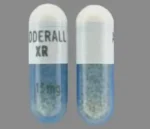

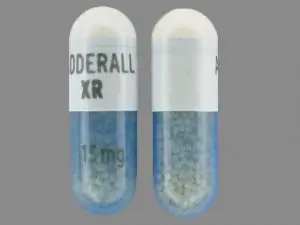
Generic Adderall XR 15 mg
Price range: $558.00 through $1,524.00
| Variation | Price | Quantity | Add To Cart |
|---|---|---|---|
| 360 pills | $1,524.00 |
|
Add to cart |
| 180 pills | $934.00 |
|
Add to cart |
| 90 pills | $558.00 |
|
Add to cart |
Adderall XR 15 mg: An Individualized Dose-Review Guide for ADHD Treatment
Adderall XR 15 mg is an extended-release mixed amphetamine salts capsule prescribed once daily for attention-deficit/hyperactivity disorder (ADHD) in eligible adults and pediatric patients age 6 years and older. The 15 mg strength often appears in a dose-adjustment conversation rather than as a universal starting choice. It may also have special relevance in adults with severe renal impairment under current FDA labeling. In every case, the strength must come from a licensed prescriber’s individualized assessment.
This guide treats 15 mg as a clinical checkpoint: why a prescriber may select an intermediate strength, what improvement should look like, how to separate inadequate benefit from poor sleep or another condition, and what safety information must be reviewed before a prescription is filled. The content is educational and cannot determine whether a patient should start, continue, increase, reduce, or stop Adderall XR.
Start With the Boxed Warning
Adderall XR has a high potential for abuse and misuse. Either can lead to a substance use disorder, including addiction. Misuse and abuse of amphetamine stimulants can cause overdose and death, with greater risk at higher doses or when a product is used through an unapproved route such as snorting or injection.
Safe treatment includes risk assessment before prescribing, regular reassessment, education for patients and families, locked storage, and proper disposal. Taking the capsule exactly as prescribed does not make monitoring optional. Physical dependence can develop after prolonged use even when directions are followed.
- Use the medicine only for the diagnosed patient.
- Never share it with a friend, classmate, coworker, or family member.
- Never change a 10 mg prescription to 15 mg by combining leftover products unless the prescriber issued explicit current directions.
- Do not open or manipulate the beads to create a partial dose.
- Report lost, stolen, overused, or unexpectedly depleted capsules honestly and promptly.
What Makes Adderall XR Extended-Release?
The capsule contains equal amounts by weight of dextroamphetamine sulfate, amphetamine sulfate, dextroamphetamine saccharate, and amphetamine aspartate monohydrate. It uses immediate-release and delayed-release beads to prolong amphetamine delivery compared with an immediate-release Adderall tablet. The therapeutic mechanism in ADHD is not fully established; amphetamines increase the availability of neurotransmitters including dopamine and norepinephrine.
The 15 mg label refers to the mixed amphetamine salt strength in the entire capsule. It does not mean 15 hours of effect, does not correspond to symptom severity, and cannot be compared milligram-for-milligram with methylphenidate, lisdexamfetamine, or another stimulant. Switching products requires a new regimen because formulations and pharmacokinetics differ.
The current branded 15 mg capsule is blue/white and marked “ADDERALL XR 15 mg.” An FDA-approved generic may look different. A patient should confirm the imprint, manufacturer, formulation, and bottle label with the pharmacist whenever appearance changes.
Question 1: Why Would a Prescriber Choose 15 mg?
A 15 mg capsule can provide an intermediate step when a clinician is individualizing treatment based on symptoms and tolerability. Current labeling allows adjustment in 5 mg or 10 mg increments at weekly intervals for children ages 6 to 12, but a weekly interval is not an automatic command to increase. The clinician determines whether a change is justified.
FDA labeling recommends 10 mg each morning as the starting dose for most patients ages 6 to 17 who are new to treatment or switching from another medicine. In adults, the labeled recommended dose is 20 mg each day. Those recommendations provide context: 15 mg is not the default starting dose for every age group, but it may be selected based on a specific clinical situation.
For adults with severe renal impairment—defined in the label as an estimated glomerular filtration rate from 15 to less than 30 mL/min/1.73 m²—the labeled recommended dose is 15 mg once in the morning. This does not authorize self-selection based on a lab report. Kidney function, trend, comorbidities, and interacting medicines must be interpreted by the prescriber. Adderall XR is not recommended in end-stage renal disease.
Question 2: Is a Dose Increase Really Needed?
Before moving from a lower strength to 15 mg, the clinician should establish whether the lower dose was taken consistently and correctly. Common reasons for an apparent shortfall include a late or missed dose, chewing the beads, inconsistent sleep, skipped meals, excessive caffeine, depression, anxiety, substance use, learning difficulty, environmental overload, or unrealistic expectations.
A dose decision should consider specific functional targets. Examples include:
- completing a defined morning routine with fewer reminders;
- remaining seated or waiting a turn in an age-appropriate setting;
- reducing avoidable errors in a repeated work process;
- organizing school materials and turning in completed work;
- driving with less impulsive distraction;
- following a conversation without repeatedly interrupting.
If measurable function improved at the lower dose but side effects also emerged, increasing may worsen the cost-benefit balance. If no target symptom improved at all, the clinician may reconsider the diagnosis, formulation, adherence, or medicine rather than automatically escalating.
Question 3: What Screening Should Happen Before 15 mg?
Before prescribing Adderall XR, the clinician should assess cardiac disease with a careful personal history, family history of sudden death or ventricular arrhythmia, and physical examination. The patient should also be evaluated for motor or vocal tics and Tourette’s syndrome. Blood pressure and pulse should be measured and monitored.
A complete review should cover:
- structural heart problems, cardiomyopathy, coronary disease, serious arrhythmia, fainting, chest pain, or unexplained shortness of breath;
- high blood pressure or repeated racing heartbeat;
- psychosis, mania, bipolar illness, depression, aggression, suicidal thinking, or relevant family history;
- seizures, abnormal EEG findings, tics, or Tourette’s syndrome;
- finger or toe numbness, pain, temperature sensitivity, color changes, or wounds;
- kidney disease, with current renal-function information;
- pregnancy or plans for pregnancy and breastfeeding;
- past or current stimulant misuse, other substance use, addiction, or diversion risk;
- all prescriptions, nonprescription drugs, vitamins, herbs, nicotine, caffeine, and energy products.
A thorough medication list includes products used only occasionally, recent antibiotics, migraine medicine, decongestants, antacids, vitamin C, and pre-workout supplements. Interaction risk is not limited to daily prescriptions.
Question 4: Who Should Not Take Adderall XR?
Adderall XR is contraindicated for a patient allergic to amphetamine or another component and for anyone taking an MAOI or who stopped an MAOI within the previous 14 days. MAOI examples include phenelzine and tranylcypromine; linezolid and intravenous methylene blue can also be relevant. Combining these medicines can cause a hypertensive crisis.
FDA labeling says to avoid use in patients with known structural cardiac abnormalities, cardiomyopathy, serious cardiac arrhythmia, coronary artery disease, or other serious cardiac disease. Other conditions—such as uncontrolled hypertension, active psychosis or mania, seizures, severe anxiety, eating disorders, or substance-use risk—require individualized medical judgment and may change the plan.
Question 5: How Is the 15 mg Capsule Taken?
Adderall XR is taken once each day upon awakening, with or without food. Afternoon dosing should be avoided because it may cause insomnia. Follow the exact pharmacy label; do not reuse directions from another strength or previous prescription.
The capsule may be swallowed whole. If swallowing is difficult, it may be opened and the entire contents sprinkled on applesauce. Consume the mixture immediately, do not store it, and swallow without chewing the beads. The contents of one capsule must not be divided. Taking half the beads does not create an accurate 7.5 mg extended-release dose.
Use a simple administration check:
- Confirm the patient name, 15 mg strength, and extended-release wording.
- Take the capsule on awakening at the prescribed time.
- Record administration if more than one caregiver could give it.
- Do not repeat the dose because benefit is not immediate.
- If the morning dose is missed, call the pharmacist for instructions and do not double the next dose.
Question 6: How Should Benefit and Duration Be Logged?
Patients often describe medication as “working” or “not working,” but a dose review needs more detail. Record the time taken, first noticeable functional improvement, time benefit seems to fade, setting, target task, and any side effects. Do this for several representative days rather than only on an exam, deadline, or unusually stressful day.
A brief daily entry might cover:
- morning organization and task initiation;
- midday attention and impulsivity;
- late-afternoon transition and emotional regulation;
- appetite at each meal;
- headache, dry mouth, stomach symptoms, anxiety, or palpitations;
- bedtime, time to fall asleep, and sleep duration.
Do not manipulate food, antacids, acidic products, or capsule beads to make the effect start faster or last longer. A pattern of insufficient duration may call for a different clinician-directed strategy, not unsafe product alteration.
Question 7: Which Side Effects Are Common?
Appetite loss, insomnia, abdominal pain, nervousness, nausea, vomiting, emotional lability, and weight loss are among the commonly reported pediatric or adolescent reactions. Adults commonly report dry mouth, appetite loss, insomnia, headache, weight loss, nausea, anxiety, agitation, dizziness, fast heart rate, diarrhea, and weakness.
Contact the prescriber when side effects persist, interfere with nutrition or sleep, cause meaningful distress, or worsen after the move to 15 mg. A higher dose can increase some reactions. Do not use sedatives, cannabis, alcohol, or another person’s prescription to “balance” the stimulant.
For children and adolescents, measure height and weight as directed. Consistent appetite suppression or slowing growth may require treatment interruption or another adjustment under the clinician’s supervision.
Question 8: Which Symptoms Require Urgent or Emergency Care?
Seek emergency care for chest pain, fainting, severe shortness of breath, seizure, collapse, suspected overdose, severe allergic reaction, or dangerous psychiatric symptoms. New hallucinations, delusional thinking, or mania require immediate contact with the prescriber; call emergency services if safety is at risk.
Serotonin syndrome can be life-threatening. Signs may include agitation, hallucinations, confusion, coma, rapid heartbeat, unstable blood pressure, sweating, fever, tremor, rigidity, muscle twitching, poor coordination, seizures, nausea, vomiting, or diarrhea. Follow the Medication Guide and obtain emergency care when these symptoms occur in a concerning combination.
Report numb, cold, painful, or color-changing fingers or toes. Call the healthcare professional immediately for unexplained wounds on a finger or toe, which may signal peripheral vasculopathy.
Question 9: How Do Heart Rate and Blood Pressure Affect the Decision?
CNS stimulants can raise blood pressure and heart rate. FDA labeling reports average increases of approximately 2 to 4 mmHg and 3 to 6 beats per minute, respectively, although some patients have larger changes. Monitor at the schedule given by the clinician and use an appropriate cuff and resting technique.
One isolated home reading does not by itself diagnose a problem, but repeated elevation, palpitations, or symptoms should be reported. Do not take an extra blood-pressure medicine to counter a stimulant effect. Emergency symptoms such as chest pain, fainting, or severe breathing difficulty need immediate evaluation.
Question 10: Which Mental-Health Changes Matter?
Adderall XR can exacerbate pre-existing psychosis, trigger a manic or mixed episode in a susceptible person, or rarely cause new psychotic or manic symptoms at recommended doses. The clinician should screen for bipolar risk, including depressive history and a family history of suicide, bipolar disorder, or depression.
Track marked irritability, anxiety, aggression, emotional flattening, repetitive skin picking, euphoria, depressed mood, or unusual social withdrawal. Report new hallucinations, paranoia, delusions, mania, or suicidal thoughts immediately. These symptoms are not an acceptable price for better concentration.
Question 11: What About Tics, Seizures, and Raynaud’s Phenomenon?
Motor and verbal tics can emerge or worsen, and Tourette’s syndrome history should be reviewed before treatment. Stimulants may lower seizure threshold. A seizure during treatment requires urgent care and prompt prescriber review.
Peripheral vasculopathy may produce intermittent numbness, coolness, pain, sensitivity to temperature, or color changes in fingers and toes. Monitor these symptoms in every season rather than assuming cold weather is the only cause. Digital wounds or tissue changes need immediate medical attention.
Question 12: Which Medicines Interact With Adderall XR?
MAO inhibitors
Concurrent use or use within 14 days after an MAOI is contraindicated. The interaction can cause a hypertensive crisis with potentially fatal complications.
Serotonergic drugs
SSRIs, SNRIs, triptans, tricyclic antidepressants, tramadol, fentanyl, lithium, buspirone, tryptophan, St. John’s wort, and other serotonergic products can increase serotonin-syndrome risk. CYP2D6 inhibitors can increase exposure and may compound this risk.
Products that change pH
Alkalinizing agents can increase amphetamine blood levels and potentiate effects; coadministration should generally be avoided. Acidifying agents such as ascorbic acid can decrease blood levels. Do not use antacids, bicarbonate, vitamin C, or dietary strategies to tune the medicine. Ask the pharmacist about exact products and timing.
Other stimulants and sympathomimetics
Decongestants, stimulant weight-loss products, nicotine, high-dose caffeine, energy drinks, pre-workout products, and other ADHD stimulants may add cardiovascular, sleep, or anxiety effects. Combination therapy requires explicit prescriber direction.
Proton pump inhibitors and other prescription drugs
Acid-suppressing medicines can alter the timing of peak amphetamine concentration. Adderall XR may antagonize some antihypertensive medicines. Tell the pharmacist about every product rather than attempting to interpret a general interaction checker alone.
Question 13: Why Is Kidney Function Especially Relevant to 15 mg?
Amphetamine is cleared partly through the kidneys. In severe renal impairment, exposure can increase, and FDA labeling recommends 15 mg once each morning for adults. Pediatric recommendations are different, and Adderall XR is not recommended in end-stage renal disease.
Kidney function can change with illness, dehydration, age, or another medicine. Report a new renal diagnosis and provide the current laboratory information to the prescriber. Do not assume an old 15 mg prescription remains appropriate after a major health change.
Question 14: What Are the Pregnancy and Breastfeeding Considerations?
Tell the prescriber about pregnancy, plans for pregnancy, or a positive test. Current labeling notes uncertainty about fetal harm and includes a registry for psychostimulant exposure in pregnancy. A clinician should weigh the functional impact of untreated ADHD against known and uncertain medicine risks.
Amphetamines pass into breast milk. The current Medication Guide says not to breastfeed during Adderall XR treatment. Discuss alternative feeding or treatment options rather than independently stopping or continuing.
Question 15: Can 15 mg Be Used for Weight Loss, Fatigue, or Studying?
Adderall XR is not approved as a casual performance enhancer or weight-loss product. Taking it to suppress appetite, work overnight, study without an ADHD diagnosis, or overcome chronic sleep deprivation is misuse. It can cause addiction, malnutrition, insomnia, anxiety, psychosis, high blood pressure, arrhythmia, overdose, and death.
Persistent fatigue or concentration problems deserve evaluation for sleep disorders, anemia, thyroid disease, depression, anxiety, medication effects, substance use, and other causes. A borrowed stimulant can hide symptoms and delay correct care.
Question 16: How Are Tolerance and Physical Dependence Managed?
Tolerance is a reduced response after repeated exposure. It should prompt a structured review, not an automatic increase. Physical dependence can develop after prolonged use and may produce fatigue, mood changes, altered sleep, increased appetite, or other withdrawal effects if the medicine is stopped abruptly.
The prescriber should direct reductions, treatment breaks, or discontinuation. Do not improvise by removing beads or alternating random strengths. If misuse, craving, or loss of control develops, ask for nonjudgmental substance-use assessment and treatment.
Question 17: How Should the Capsule Be Stored and Counted?
Keep Adderall XR in its original labeled container at controlled room temperature, protected from light as instructed, and in a locked cabinet or box. Do not store it in a car, shared bathroom, purse, backpack, desk drawer, or dormitory common area. Keep it away from children, visitors, and anyone for whom it was not prescribed.
Know the remaining quantity without creating public or visible access. If a caregiver administers the medicine, use a log. Report theft according to healthcare, pharmacy, and local requirements; do not replace missing capsules with someone else’s prescription.
Question 18: How Is Unused Adderall XR Disposed Of?
A medicine take-back program or DEA-authorized collection site is preferred. When one is not available, current Medication Guide instructions advise mixing unused capsules or contents with an undesirable, nontoxic substance such as used coffee grounds, dirt, or cat litter, sealing the mixture in a container, and placing it in household trash. Follow current FDA directions for the exact dispensed product.
Do not keep unused capsules for future exams or deadlines, sell them, give them to another patient, or place them loose in accessible trash. Remove identifying information from the empty container label.
Question 19: Can Adderall XR 15 mg Be Purchased Online?
A patient may fill a valid Adderall XR 15 mg prescription through a properly licensed online pharmacy that follows applicable controlled-substance requirements. Searches such as “buy Adderall XR 15 mg online,” “generic Adderall XR 15 mg price,” or “Adderall XR 15 mg delivery” should lead to verification—not a shortcut around care.
According to FDA online-pharmacy guidance, a likely safe U.S. online pharmacy requires a doctor’s prescription, provides a physical address and telephone number, has a licensed pharmacist available, and is licensed with a state board of pharmacy. Verify the listing directly in the relevant board database.
Do not purchase from a seller that offers stimulants without a prescription, calls them study aids, sells loose capsules, promises guaranteed approval, hides its location, lacks a pharmacist, or uses damaged or foreign-language packaging. Counterfeit “Adderall” can contain methamphetamine, illicit fentanyl, or another undeclared ingredient and may look convincing.
Question 20: What Determines Cost and Availability?
Price and supply depend on the pharmacy, location, insurance benefit, deductible, quantity, manufacturer, brand versus generic selection, and current inventory. Ask the licensed pharmacy and insurer for a current estimate. A prescriber may need to address prior authorization or select an appropriate covered option.
Do not combine 10 mg and 5 mg leftovers to reproduce a 15 mg prescription, substitute immediate-release tablets, or buy from an unlicensed source during a shortage. Any formulation or strength change requires the prescriber and pharmacist.
Brand Versus Generic Adderall XR 15 mg
An FDA-approved generic must meet applicable standards for active ingredient, strength, route, dosage form, quality, and bioequivalence. Capsule shell, color, imprint, inactive ingredients, and manufacturer can differ. If a new generic seems to change benefit or adverse effects, document the administration conditions and contact the pharmacist and prescriber.
Do not take extra to compensate for a subjective difference. Check inactive ingredients in the exact product if the patient has a relevant allergy, gelatin concern, or sensitivity.
A Dose-Fit Scorecard for the Next Appointment
Bring concise evidence rather than a request for “stronger medicine.” The following scorecard can guide the conversation:
- Target function: Which real-world tasks improved, and by how much?
- Coverage: At what time did benefit begin and end?
- Nutrition: Were breakfast, lunch, dinner, weight, and hydration adequate?
- Sleep: Did sleep onset or duration change?
- Cardiovascular: Were pulse, blood pressure, chest symptoms, or palpitations concerning?
- Mental health: Did anxiety, irritability, mood, or perception change?
- Neurologic and vascular: Were there tics, seizure, numb digits, or color changes?
- Adherence and security: Were any doses missed, altered, lost, or requested by others?
The best outcome may be continuing 15 mg, returning to a lower dose, changing formulation, improving non-medication support, treating a coexisting condition, or stopping under supervision. Dose escalation is only one possible decision.
Managing a Strength or Formulation Transition
A change from another dose or product should be treated as a new observation period. Confirm the date the old instructions end and the new instructions begin. Remove outdated medication schedules from the refrigerator, phone, school file, or caregiver notebook so two active-looking directions do not cause duplicate dosing.
Immediate-release Adderall, Adderall XR, generic mixed amphetamine salts extended-release, lisdexamfetamine, and methylphenidate products are not interchangeable simply because they are stimulants. Some switches use a calculated or label-supported approach, while others require conservative titration. Only the prescriber should determine the new regimen. Ask the pharmacist to explain which former product should no longer be used and whether unused capsules need prompt disposal.
During the transition, keep caffeine, sleep schedule, breakfast, and major routines as consistent as practical. That does not mean ignoring a medical need; it means avoiding unnecessary variables that make the new 15 mg response harder to interpret. Record any new adverse effect, but do not repeatedly skip and restart the medicine to test a theory without clinical guidance.
Family, School, and Workplace Communication
A controlled stimulant requires privacy and coordination. For a child, decide which caregiver gives the morning dose and document it. If administration at school is necessary, use the school nurse or authorized medication procedure. The child should not be responsible for a loose capsule in a pocket or lunchbox.
Teachers can provide useful observations about task completion, interruptions, activity level, and late-day changes, but they do not choose the dose. Request behavior-specific feedback rather than asking whether the child “needs more medicine.” Academic difficulty may also reflect a learning disorder, missed instruction, bullying, anxiety, sleep problems, or another issue that requires its own support.
Adults can decide whether workplace disclosure is necessary based on applicable policy and personal circumstances. A supervisor does not need access to medical details merely to comment on observable work outcomes. Keep the prescription out of shared desks and avoid discussing supply in ways that invite diversion.
Supply Interruptions and Pharmacy Changes
When a licensed pharmacy cannot fill the prescription, contact the prescriber and pharmacist rather than buying from social media, a marketplace seller, or an unlicensed website. Do not substitute two different strengths, an immediate-release product, or a family member’s medicine. Controlled-substance prescriptions and inventory rules can vary, so the treating professionals must direct the lawful next step.
If a pharmacy transfer or new prescription is required, confirm that duplicate active orders will not be filled. When a new manufacturer is dispensed, photograph or record the official pharmacy label for personal reference—not the loose capsule—and call before taking it if the imprint does not match the pharmacist’s description.
Signs That 15 mg May Need Prompt Reassessment
Contact the prescriber rather than waiting for a routine review when there is sustained appetite loss, clinically significant weight change, persistent insomnia, repeated high pulse or blood-pressure readings, marked anxiety, new tics, worsening aggression, significant emotional blunting, or no meaningful functional improvement.
Prompt reassessment is also appropriate when the patient begins taking the capsule earlier and earlier, wants it mainly for energy or appetite suppression, thinks frequently about extra doses, hides use, or feels pressure to share it. These signs do not call for punishment; they call for a safer treatment plan. Emergency care is necessary for chest pain, fainting, seizure, psychosis with danger, suicidal crisis, suspected overdose, or severe serotonin-syndrome symptoms.
Frequently Asked Questions About Adderall XR 15 mg
Is 15 mg a standard starting dose?
Not for every age group. Current labeling starts most patients ages 6 to 17 at 10 mg and lists 20 mg as the adult recommended dose. A prescriber may select 15 mg for individualized reasons, including the labeled recommendation for adults with severe renal impairment.
Can I make 15 mg by taking one 10 mg and one 5 mg capsule?
Only if a current prescription explicitly directs that combination. Do not assemble doses from leftover controlled medicines or another person’s supply.
Can the capsule be opened?
Yes, the entire contents may be sprinkled on applesauce and swallowed immediately without chewing. The beads must not be divided or stored for later.
Is 15 mg Adderall XR equivalent to 15 mg immediate-release Adderall?
No. Release pattern and dosing schedule differ. Any conversion must be made by the prescriber.
What if 15 mg feels too strong?
Contact the prescriber promptly and describe the exact symptoms. Seek emergency care for chest pain, fainting, severe breathing trouble, seizure, severe psychiatric symptoms, serotonin syndrome, or suspected overdose. Do not counter the effect with alcohol or sedatives.
Can I buy Adderall XR 15 mg without a prescription?
No legitimate U.S. pharmacy should dispense this Schedule II medicine without a valid prescription. A no-prescription offer is a major safety and counterfeit warning.
Does 15 mg always last all day?
No fixed duration applies to every patient. Track meaningful function and side effects across the day and let the prescriber decide whether the formulation and regimen fit.
What should I do if the pharmacy changes manufacturers?
Confirm the new imprint and manufacturer before taking the capsule. Keep the schedule and other conditions stable, document any consistent difference, and discuss it with the pharmacist and prescriber.
Authoritative References
- FDA Prescribing Information and Medication Guide for Adderall XR
- MedlinePlus Dextroamphetamine and Amphetamine Information
- FDA Tool for Locating a State-Licensed Online Pharmacy
Medical disclaimer: This page provides general education and is not a personal treatment recommendation. Take only the medicine and dose on the current prescription label. Contact a qualified healthcare professional for individual questions and call 911 for an emergency.
| Select Variation |
360 pills ,180 pills ,90 pills |
|---|