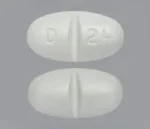

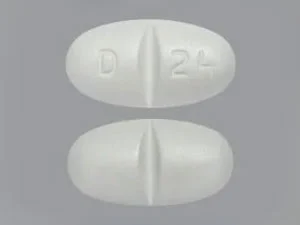
Generic Gabapentin 600 mg
Price range: $219.00 through $308.00
| Variation | Price | Quantity | Add To Cart |
|---|---|---|---|
| 90 pills | $219.00 |
|
Add to cart |
| 300 pills | $308.00 |
|
Add to cart |
| 180 pills | $252.00 |
|
Add to cart |
| 240 pills | $282.00 |
|
Add to cart |
Gabapentin 600 mg tablets: verify the prescription before you purchase
Gabapentin 600 mg is a prescription-strength immediate-release tablet. It belongs to the anticonvulsant class and may be prescribed for the management of postherpetic neuralgia in adults or as adjunctive treatment for partial-onset seizures in eligible adults and children. A clinician may prescribe gabapentin for certain off-label conditions after assessing the evidence and the individual patient, but a product page should not portray it as a universal remedy for pain, sleep, anxiety, or mood symptoms.
A 600 mg tablet is a recognized U.S. dosage form. It is a relatively substantial amount in one unit, so patients should confirm both the strength and the instructions before ordering. “600 mg” tells you how much gabapentin the tablet contains; it does not reveal the correct number of tablets per day. Kidney function, diagnosis, age, other sedating medicines, respiratory health, and previous response can all affect a safe regimen.
If you are comparing Gabapentin 600 mg prices or planning prescription delivery, use this page as a verification guide. It does not replace the pharmacy label, Medication Guide, or advice from the clinician and pharmacist responsible for your care.
Start with a five-point prescription match
Many medication errors occur because a familiar drug name is accepted without checking the rest of the prescription. Before paying for Gabapentin 600 mg online, match these five fields:
- Patient: the prescription and account belong to the person who will take the medicine.
- Product: immediate-release gabapentin, not Gralise, Horizant, gabapentin enacarbil, pregabalin, or another non-interchangeable formulation.
- Strength: 600 mg per tablet, exactly as prescribed.
- Directions: the number of tablets or half-tablets, timing, and duration match the latest prescriber order.
- Quantity and refills: the supply aligns with the directions and has not been duplicated at another pharmacy.
Do not complete the order if the site lists Gabapentin 600 mg capsules; standard immediate-release 600 mg products are generally tablets. Ask a pharmacist to investigate any mismatch instead of assuming the description is a harmless typo.
What conditions can immediate-release gabapentin treat?
FDA-approved prescribing information for immediate-release gabapentin includes two core uses. The first is management of postherpetic neuralgia, the persistent nerve pain that can follow shingles, in adults. The second is adjunctive therapy for partial-onset seizures, with or without secondary generalization, in patients aged 3 years and older with epilepsy. Adjunctive means it may be used with other seizure treatment rather than automatically replacing it.
Clinicians sometimes use gabapentin off label for other neuropathic pain conditions. Off-label does not mean illegal or necessarily inappropriate; it means that the particular use is not included in the product’s FDA-approved indication. Evidence is not equally strong for every condition commonly mentioned online. A diagnosis-specific conversation matters because sciatica-like symptoms, numb feet, burning pain, restless legs, insomnia, anxiety, and back pain can arise from multiple causes that require different treatment.
A trustworthy product description distinguishes approved indications from off-label clinical judgment. It does not guarantee relief, call gabapentin “non-addictive,” or imply that an online order can replace medical evaluation.
Why the 600 mg scored tablet requires attention
Many immediate-release Gabapentin 600 mg tablets are scored. Current U.S. labelling says that if a scored 600 mg tablet is divided to administer a half-tablet, the unused half should be taken as the next dose and discarded if it has not been used within 28 days. That instruction applies only when the prescriber has directed a half-tablet dose and the pharmacist confirms that the exact dispensed tablet is suitable for splitting.
Do not split a tablet simply to alter the prescribed amount, make the supply last longer, or imitate a dose mentioned online. Do not assume that every product with a line is approved for equal division. A tablet splitter can improve consistency, but a pharmacist should demonstrate correct use. Store the unused half as directed, protected from moisture and mix-ups.
Extended-release gabapentin products have different instructions and may need to be swallowed whole. Never transfer the splitting rule from an immediate-release 600 mg tablet to Gralise, Horizant, or any other modified-release product.
Gabapentin dosing is individualized, not selected from a product menu
The prescribing information describes clinician-directed initiation and titration for approved conditions. For postherpetic neuralgia, treatment is usually introduced gradually before being adjusted according to response. For partial-onset seizures in patients aged 12 and older, the label describes divided dosing and states that the interval between immediate-release doses should not exceed 12 hours. Pediatric regimens are weight based. Renal impairment requires adjustment.
Those facts explain why a patient cannot choose Gabapentin 600 mg simply because a 300 mg product did not seem strong enough. Absorption of gabapentin is not linear across all doses, side effects can increase, and the treatment goal differs by condition. The prescriber may adjust one dose, total daily amount, timing, or formulation for reasons that are not visible on a storefront.
Use only the current prescription. If the directions conflict with a previous bottle, patient portal message, or checkout page, pause and ask the prescriber and pharmacist to reconcile the order. Do not average the instructions or choose the one that is most convenient.
A decision path for an online Gabapentin 600 mg order
1. Is there a valid, current prescription?
If not, do not search for a seller willing to bypass it. Arrange an evaluation with a licensed clinician. A safe pharmacy always requires a prescription for gabapentin.
2. Is the pharmacy licensed for your location?
Verify the pharmacy through the relevant state board of pharmacy or a recognized verification service. A polished website, paid advertisement, U.S. flag, or customer testimonial is not proof of licensure.
3. Can you speak to a licensed pharmacist?
The pharmacy should provide counseling about directions, interactions, missed doses, storage, and appearance changes. Automated chat alone is not a substitute for professional access.
4. Is the listing specific?
It should identify gabapentin, 600 mg, tablet, quantity, prescription requirement, and dispensing details. Avoid sellers that conceal the dosage form or source until after payment.
5. Is the price credible?
Compare the same quantity and formulation. Extremely low prices, cryptocurrency-only payment, bulk “no prescription” bundles, and international reshipping are red flags.
Medication reconciliation before the first 600 mg tablet
A higher amount in one tablet makes medication reconciliation especially important. Give the pharmacist an up-to-date list rather than saying “nothing has changed.” Include medicines prescribed by dentists, urgent care, pain clinics, mental-health clinicians, and telehealth services, plus over-the-counter products and alcohol or substance use.
Items that need specific discussion include opioid pain medicines, opioid cough syrups, benzodiazepines, Z-drug sleeping tablets, muscle relaxants, sedating antidepressants or antipsychotics, first-generation antihistamines, cannabis products, and alcohol. The concern is not limited to a formal drug-drug interaction database; combined effects on alertness, coordination, and breathing can be clinically important.
Also disclose magnesium- or aluminum-containing antacids. These can reduce gabapentin absorption, and the label recommends taking gabapentin at least two hours after such an antacid. Ask for a schedule that fits your exact prescriptions rather than guessing.
Breathing safety deserves its own review
Gabapentin has been associated with serious respiratory depression, including life-threatening and fatal cases, especially when taken with opioids or other central nervous system depressants or by people with underlying respiratory impairment. Older adults are also at higher risk. Chronic obstructive pulmonary disease, sleep apnea, neuromuscular weakness, serious obesity-related breathing problems, and recent respiratory illness may be relevant to the assessment.
Emergency warning signs include slowed, shallow, labored, or difficult breathing; extreme sleepiness; confusion; unusual dizziness; blue or gray lips or fingertips; inability to wake; or reduced responsiveness. Call emergency services rather than waiting for an online pharmacist reply. If an overdose or mixed-drug exposure is suspected, tell responders what was taken and keep the containers available.
Never combine Gabapentin 600 mg with an opioid or sedative that was not prescribed to you. Do not increase either medicine to chase pain relief, sleep, calmness, or euphoria.
Kidney function: the safety variable patients cannot see
Gabapentin is cleared through the kidneys. When renal function is reduced, the elimination half-life can become much longer, allowing repeated doses to accumulate. U.S. prescribing information therefore provides adjusted regimens based on kidney function and separate considerations for hemodialysis.
A normal-looking serum creatinine result does not always mean normal drug clearance, especially in older or low-muscle-mass patients. Prescribers commonly consider estimated creatinine clearance or another appropriate renal measure alongside age, body size, diagnosis, and clinical response. Do not use a consumer calculator to change the prescription yourself.
Contact the prescriber if kidney disease is diagnosed, dialysis begins or changes, severe dehydration occurs, or unusual confusion, tremor, slurred speech, extreme lethargy, or loss of coordination develops. These symptoms have multiple possible causes and need assessment.
What side effects are common at therapeutic use?
In postherpetic neuralgia trials, dizziness, somnolence, and peripheral edema were common adverse reactions associated with gabapentin. In adjunctive epilepsy trials in patients older than 12, commonly reported effects included somnolence, dizziness, ataxia, fatigue, and nystagmus. Individual patients may also report nausea, blurred or double vision, unsteadiness, or difficulty concentrating.
Do not drive, operate machinery, climb ladders, swim alone, or perform hazardous work until you know how the medicine affects you. Gabapentin can impair driving, and people may misjudge their own level of impairment. This caution is especially relevant when moving from a lower-strength unit to a 600 mg tablet, although the actual risk depends on the full regimen, not the tablet number alone.
Call the prescriber about persistent swelling, troublesome daytime sleepiness, repeated falls, vision problems, or side effects that interfere with work and daily activities. Do not conceal side effects to preserve a refill.
Rare but serious allergic and systemic reactions
Gabapentin can cause anaphylaxis and angioedema after the first dose or at any point during treatment. Swelling of the lips, tongue, face, or throat; difficulty breathing or swallowing; widespread hives; or collapse requires emergency care. Do not take another tablet while waiting to see whether swelling improves.
Drug Reaction with Eosinophilia and Systemic Symptoms, known as DRESS or multiorgan hypersensitivity, is another serious warning. Fever, enlarged lymph nodes, rash, facial swelling, or symptoms involving the liver, kidneys, blood, heart, or muscles can occur. A rash may not be present at the beginning. Prompt medical evaluation is essential when the pattern is suspicious.
Severe skin reactions and other postmarketing events have been reported. Photographing a rash can help document progression, but it is not a substitute for clinical assessment.
Mood, behavior, and self-harm warning
Antiepileptic drugs, including gabapentin, carry a warning about increased risk of suicidal thoughts or behavior. Watch for new or worsening depression, anxiety, agitation, panic, irritability, aggression, impulsive behavior, insomnia, mania-like symptoms, withdrawal from others, preoccupation with death, or thoughts of self-harm.
Tell a family member or caregiver about this warning so that another person can notice changes you may not recognize. Contact the prescriber promptly for concerning mood or behavior changes. If there is an immediate risk of self-harm or harm to someone else, use emergency or crisis services rather than waiting for a routine appointment.
Do not stop Gabapentin 600 mg suddenly in response to a mood symptom unless emergency clinicians direct you. Abrupt discontinuation can create additional risks, particularly in epilepsy.
Why abrupt discontinuation can be dangerous
Gabapentin should not be stopped suddenly without clinical guidance. Abrupt withdrawal may increase seizure frequency and can produce symptoms such as anxiety, insomnia, nausea, pain, sweating, agitation, confusion, and disorientation. The label advises gradual dose reduction, discontinuation, or substitution over at least one week, with a longer period when the prescriber judges it necessary.
Plan refills before weekends, holidays, travel, and insurance changes. If a shipment is delayed, contact the pharmacy and prescriber early; do not randomly halve every tablet, borrow from another person, or alternate days. Tablet splitting changes the dose and must follow an authorized plan.
When treatment no longer seems helpful, ask for a structured reassessment: Is the diagnosis still correct? Was there meaningful functional improvement? Are side effects outweighing benefit? Is a taper or alternative appropriate?
Pregnancy and breastfeeding considerations
Tell the prescriber about pregnancy, plans for pregnancy, and breastfeeding. Available human data do not eliminate uncertainty, and the decision must balance potential medication risks against the risks of untreated seizures or pain and the consequences of changing therapy. Do not abruptly stop because you become pregnant.
The U.S. labelling references the North American Antiepileptic Drug Pregnancy Registry for people exposed to antiepileptic medicines during pregnancy. A clinician can explain participation and coordinate care among neurology, pain, obstetric, and primary-care teams as appropriate.
Gabapentin can be present in human milk. The prescriber should consider the need for the medicine and monitor the breastfeeding infant as clinically appropriate. Online product copy cannot make this decision for an individual family.
Children, adolescents, and older patients
Pediatric use for partial-onset seizures requires weight-based prescribing and adult supervision. Behavioral and neuropsychiatric reactions reported in younger patients include emotional lability, hostility, concentration problems, restlessness, and hyperactivity, along with drowsiness or clumsiness. Keep the bottle secured and never describe a 600 mg tablet as a standard child dose.
Older adults are more likely to have reduced kidney function and may be more vulnerable to sedation, falls, confusion, and respiratory depression. A dose tolerated years ago may need reassessment after illness, weight change, new medicines, or declining renal function.
Caregivers ordering online should not place several household members’ prescriptions in one unlabelled organizer. Maintain clear patient-specific labels and confirm any pill appearance change.
How to assess the value of a Gabapentin 600 mg price
Search results for “Gabapentin 600 mg price,” “buy Gabapentin 600 mg tablets online,” or “Gabapentin 600 mg home delivery” often mix licensed pharmacies, discount-card listings, marketplace pages, and unsafe sellers. Price should be evaluated only after legitimacy.
Compare the same manufacturer if medically necessary, tablet count, immediate-release formulation, insurance status, delivery charge, and dispensing fee. Determine whether a discount price excludes insurance and whether it will count toward your deductible. Ask whether the pharmacy can fill the full prescribed quantity and how it handles partial fills.
A cheap order is not a saving if it provides the wrong formulation, damaged medicine, an unlicensed import, or no pharmacist support. Do not pay an anonymous seller by wire transfer, gift card, or cryptocurrency for prescription-free gabapentin.
Refill continuity without unsafe stockpiling
Continuity matters because abrupt interruption can be harmful, but stockpiling creates other risks: outdated directions, accidental double dosing, diversion, and use after the prescriber has changed treatment. Order only the quantity authorized and keep one current bottle in active use unless the pharmacist provides different instructions.
When a refill is “too soon,” investigate the cause. It may reflect a changed direction that was never updated, a partial fill, duplicate pharmacy profile, lost medicine, insurance limitation, or accidental overuse. Do not solve the problem by purchasing from a second unverified source.
Use the same medication name and strength in reminders, but include the dosing times from the pharmacy label. If the regimen changes, delete outdated alarms and dispose of obsolete printed schedules to prevent mix-ups.
Transferring a 600 mg prescription to a new pharmacy
A transfer is more than moving a drug name from one account to another. Give the receiving pharmacy the original pharmacy details, prescriber information, current directions, last fill date, remaining refills, allergies, and complete medication list. State rules and prescription status can affect whether a refill can be transferred and how many times. The new pharmacy should explain any restriction rather than asking you to obtain duplicate prescriptions.
Compare the old and new labels before taking the first tablet from the transferred fill. Pay close attention to changes in frequency, tablet count, manufacturer, scoring, and days’ supply. If a prescriber recently changed the directions, ensure the new order—not an older refill—is active. Duplicate profiles are common when names, phone numbers, or addresses differ slightly.
If the new pharmacy proposes substituting two smaller units or splitting a larger tablet to reproduce the prescribed amount, ask it to obtain any necessary authorization and provide written directions. Do not approve a change merely because the checkout total is lower. A clear, accurate regimen is more important than reducing the number of cents per tablet.
Why persistent pain still needs diagnostic follow-up
Gabapentin 600 mg can be part of care for an appropriate neuropathic condition, but it should not conceal a changing disease process. Contact a clinician about new weakness, progressive numbness, loss of bladder or bowel control, fever with back pain, unexplained weight loss, a new rash, rapidly worsening symptoms, or pain after significant injury. Those features may require examination, testing, or different treatment.
Patients sometimes increase gabapentin because the original pain has changed from burning or electric sensations to a new mechanical, inflammatory, or systemic pattern. Dose escalation cannot replace reassessment. Describe where the pain is, what it feels like, what triggers it, and whether function has changed. The clinician can then determine whether the original indication still fits.
Planning around surgery, dental care, or hospitalization
Tell surgeons, dentists, anesthesiology teams, and emergency clinicians that you take gabapentin. Perioperative opioids, sedatives, and anesthetic medicines can add to drowsiness and respiratory risk. Bring an accurate label or medication list rather than saying only that you take a “nerve pill.”
Do not independently withhold or double Gabapentin 600 mg before a procedure. The clinical team should decide how to manage fasting, seizure prevention, pain treatment, renal changes, and postoperative sedation. At discharge, compare the hospital list with the pre-admission prescription so that temporary instructions do not become accidental long-term directions.
Automatic refills and insurance authorization
Automatic refill services can prevent gaps, but they can also dispense an outdated 600 mg order after the prescriber changes the strength or schedule. Review every reminder before approving it. Confirm that the active prescription reflects the latest visit, and ask the pharmacy to deactivate obsolete refills rather than leaving several versions available.
Insurance quantity limits or prior authorization may delay a fill. Begin the process before the supply is exhausted and ask which party—the prescriber, insurer, or pharmacy—needs information. Do not alter the regimen to fit the quantity the insurer initially approved. If only a partial fill is available, obtain written confirmation of the remainder and how it will be supplied.
A cash price may bypass insurance but can affect deductible credit and refill tracking. Tell the pharmacist about gabapentin obtained elsewhere so duplicate-therapy checks remain accurate. Never use multiple pharmacies to conceal early consumption or obtain more than prescribed.
Measuring treatment value beyond a pain score
A number from zero to ten captures only part of treatment response. Track whether sleep interruption decreases, clothing becomes easier to tolerate after shingles, walking or work improves, and rescue-medicine use changes. At the same time, record dizziness, falls, edema, and daytime impairment. A modest pain reduction may not be worthwhile if safety or function worsens.
Agree with the prescriber on a review date. Long refills without a documented target can turn a trial into indefinite therapy. Lack of benefit should prompt reassessment, not an unapproved increase.
When the shipment arrives
Open the delivery promptly and inspect it before the first dose. The label should identify the correct patient, gabapentin 600 mg tablets, directions, quantity, prescriber, pharmacy, and appropriate dates. Check that the tamper-evident seal is intact and that tablets are uniform in appearance.
If a tablet is cracked, crumbling, wet, unusually discolored, has no expected imprint, or differs from the pharmacy’s description, quarantine the bottle and contact the pharmacist. Do not rely on an image search to authenticate it. Generic appearance may change legitimately, but only the dispensing pharmacy can confirm what it supplied.
Keep the medicine at the labelled storage temperature, away from heat and moisture, in the original child-resistant container. Do not use a bathroom medicine cabinet or a car glove box as routine storage.
Missed doses and accidental double dosing
For immediate-release gabapentin, general patient guidance is to take a missed dose when remembered unless it is almost time for the next dose; if so, skip it. Never double the next dose. Because schedules differ and seizure management can be time sensitive, ask the pharmacist what “almost time” means for your prescription.
After an accidental extra 600 mg tablet, seek professional guidance promptly, particularly if opioids, alcohol, sleep medicines, kidney impairment, lung disease, or severe drowsiness are involved. U.S. Poison Control can be reached at 1-800-222-1222. Call emergency services for slow or difficult breathing, collapse, seizure, severe confusion, blue or gray skin, or inability to wake.
Safe use in daily life
- Take the medicine only according to the current pharmacy label.
- Use a written or digital record to prevent duplicate doses, especially when a caregiver helps.
- Do not drive until the effect on alertness and coordination is known.
- Keep all prescribers informed about opioids and other sedatives.
- Use the other half of a divided scored tablet only as directed and within the product’s allowed period.
- Never share, sell, trade, or use gabapentin for intoxication.
- Schedule follow-up to evaluate benefit, side effects, kidney health, and continuing need.
- Read the Medication Guide with every refill because manufacturers and warnings can change.
Frequently asked questions about Gabapentin 600 mg
Can I legally order Gabapentin 600 mg online?
Yes, when a valid prescription is dispensed by a pharmacy licensed to serve your location and applicable federal and state rules are followed. A site offering it without a prescription is not a safe shortcut.
Is Gabapentin 600 mg a standard tablet strength?
Yes. Immediate-release 600 mg tablets are recognized in U.S. labelling. Confirm the manufacturer, imprint, dosage form, and release type on the dispensed product.
Can a 600 mg tablet be cut in half?
Many immediate-release 600 mg tablets are scored, and official labelling provides instructions for an authorized half-tablet dose. Split only when the prescriber and pharmacist say the exact product should be divided. Modified-release products follow different rules.
Is one 600 mg tablet equal to two 300 mg capsules?
The total labelled amount is the same, and prescribing information discusses bioequivalence for certain immediate-release products, but patients should not substitute dosage forms or quantities on their own. Inactive ingredients, directions, insurance, and product type can differ.
Does 600 mg mean the medicine is taken once daily?
No. Strength and frequency are separate. Immediate-release gabapentin is often prescribed in divided doses for approved uses, but only your prescription determines the schedule.
Can I use Gabapentin 600 mg for ordinary back pain?
Gabapentin is not a routine pain reliever for every back problem. A clinician should identify whether a neuropathic condition is present, consider evidence and alternatives, and rule out urgent causes.
What happens if I feel very sleepy?
Do not drive or perform hazardous tasks. Contact the prescriber for significant or persistent sleepiness. Seek emergency care if extreme sleepiness occurs with slow breathing, confusion, blue or gray skin, or inability to wake.
Can I take it with an antacid?
Aluminum- or magnesium-containing antacids can reduce absorption. The U.S. label recommends taking gabapentin at least two hours after such an antacid. Ask the pharmacist to identify your product and arrange timing.
Is gabapentin federally controlled?
Gabapentin is not federally scheduled under current U.S. labelling, but some states classify or monitor it more strictly. Prescription, refill, reporting, and delivery rules can therefore vary by destination.
Can I return prescription tablets after delivery?
Pharmacies often cannot restock dispensed prescription medicine, even when unopened. Review the seller’s lawful return and damaged-shipment policy before ordering. Report an incorrect product immediately and do not take it.
What should I do if I want to stop?
Contact the prescriber for a gradual, individualized plan. Abrupt discontinuation can produce withdrawal symptoms and increase seizure risk.
How should unused tablets be discarded?
Use an authorized medicine take-back location when available. Ask a pharmacist for current disposal instructions if no take-back option is accessible. Do not share leftover tablets.
Order only through a prescription-first process
Gabapentin 600 mg can be purchased online safely only when the transaction preserves clinical and pharmacy safeguards. Confirm the immediate-release tablet, current directions, kidney and respiratory review, medication interactions, pharmacy licensure, total price, and delivery conditions. Avoid any advertisement for “no prescription Gabapentin 600 mg,” guaranteed pain relief, anonymous bulk sales, or unrestricted international shipping.
After delivery, compare the label and tablet with the order, read the Medication Guide, and ask a pharmacist about anything that changed. Seek urgent care for severe allergy, breathing difficulty, overdose symptoms, unresponsiveness, or acute self-harm risk. For routine concerns—dizziness, swelling, lack of benefit, pregnancy, or a desire to stop—contact the treating clinician rather than altering the dose independently.
Authoritative sources used for this patient guide
| Select Variation |
300 pills ,180 pills ,240 pills ,90 pills |
|---|