
Health Tips
Oxycodone Safety for Seniors Living Alone: A Practical Guide

Nearly 27% of adults 60 and older in the United States live by themselves, and many of them manage chronic pain with prescription opioids like oxycodone. Living alone while taking a strong pain medication creates a specific set of risks that don’t always come up during a rushed doctor’s appointment. Oxycodone safety for seniors living alone matters because there is no one else in the home to notice a missed dose, a fall, or the early signs of an overdose.
This guide walks through the physical changes that make older adults more vulnerable to oxycodone’s effects, the everyday hazards that pop up in a one-person household, and the practical steps that can make solo living with oxycodone far safer. You’ll also find a checklist-style breakdown of home setup, monitoring tools, and emergency planning that families and seniors can put in place this week, not someday.
Why Oxycodone Safety for Seniors Living Alone Is a Different Conversation
Oxycodone is a powerful opioid painkiller prescribed for moderate to severe pain, often after surgery, injury, or for chronic conditions like arthritis or cancer-related pain. It works well, but it also slows breathing, causes sedation, and can impair balance and judgment. For a younger patient with a spouse or roommate nearby, those side effects are concerning but usually caught quickly. For an older adult living solo, the same side effects can go unnoticed for hours.
According to the Centers for Disease Control and Prevention, older adults account for a disproportionate share of opioid-related emergency visits relative to their prescription rates, largely because of slower drug clearance and higher rates of interacting medications. When you add the isolation factor, that risk climbs further. There’s no one to say “you seem a little foggy today” or notice that the same dose that worked fine last week now leaves someone unsteady on their feet. That silence is exactly why oxycodone safety for seniors living alone requires its own checklist, separate from general opioid safety advice.
Aging bodies process oxycodone differently than younger ones. Liver and kidney function naturally decline with age, which means the drug stays in the system longer and builds up more easily, even at a stable dose. Add in common conditions like sleep apnea, COPD, or heart disease, and the risk of dangerous respiratory depression rises. This is one of the reasons oxycodone dosing for older patients often starts lower and increases more slowly than it would for a younger adult, a topic covered in more depth in our guide on oxycodone for older adults.
The Physical Changes That Raise the Stakes
Several age-related changes combine to make oxycodone riskier for seniors, and understanding them helps explain why extra precautions matter so much for those living alone.
Slower Drug Metabolism
As kidney and liver function decline, oxycodone clears from the body more slowly. A dose that felt manageable a few months ago may now linger longer, raising blood levels and increasing sedation. This is especially important for seniors with any degree of kidney impairment, a subject explored further in our article on oxycodone and kidney disease.
Increased Fall Risk
Oxycodone causes dizziness, drowsiness, and slowed reaction time. Combine that with age-related muscle loss, arthritis, or balance issues, and a simple trip to the bathroom at 3 a.m. becomes a serious fall hazard. For someone living alone, a fall can mean lying on the floor for hours before help arrives, or not arriving at all.
Polypharmacy and Drug Interactions
Many older adults take multiple medications for blood pressure, diabetes, anxiety, or sleep. Some of these, particularly benzodiazepines, sedatives, and certain antihistamines, amplify oxycodone’s sedative and respiratory-depressing effects. Even over-the-counter supplements can interact in ways patients don’t expect, which is why it’s worth reviewing our guide on taking vitamins while on oxycodone before adding anything new to a daily routine.
Cognitive Changes
Mild cognitive decline, even short of dementia, can make it harder to track whether a dose was taken, when the next one is due, or whether a symptom like confusion is from the medication or something else entirely. This is one of the most under-discussed risks of solo living with oxycodone, because the person affected may not recognize the problem in themselves.
Everyday Hazards in a One-Person Household
Beyond the biology, there are practical, day-to-day risks that show up specifically when someone lives alone.
Missed or Doubled Doses
Without a second person to ask “did you already take that?”, it’s easy to either skip a dose or accidentally take it twice. Doubling up on oxycodone, even by accident, raises the risk of oversedation and respiratory depression.
Delayed Discovery of Overdose or Medical Emergency
This is the single biggest concern for seniors living alone on opioids. Signs of oxycodone overdose, including slow or shallow breathing, blue-tinged lips, pinpoint pupils, and unresponsiveness, need immediate attention. When someone lives with others, these signs are often caught within minutes. When someone lives alone, hours can pass unnoticed.
Unsafe Storage
A senior living alone might feel less urgency about locking up medication since there are no children or teenagers in the home. But unsecured oxycodone is still a risk, from home health aides or visiting family members to the senior’s own confusion about how much has already been taken. Proper storage remains just as important, and our oxycodone home safety guide covers storage solutions in detail.
Isolation and Underreporting of Side Effects
Many older adults are reluctant to “bother” family or doctors with complaints about constipation, dizziness, or mood changes. Living alone removes the built-in accountability of someone noticing these changes and encouraging a call to the pharmacist or physician.
Building a Safer Home Setup
The good news is that most of these risks can be reduced significantly with a handful of practical changes. None of these require moving out of the home or giving up independence, they simply add layers of safety around it.
1. Use a Pill Organizer With Built-In Reminders
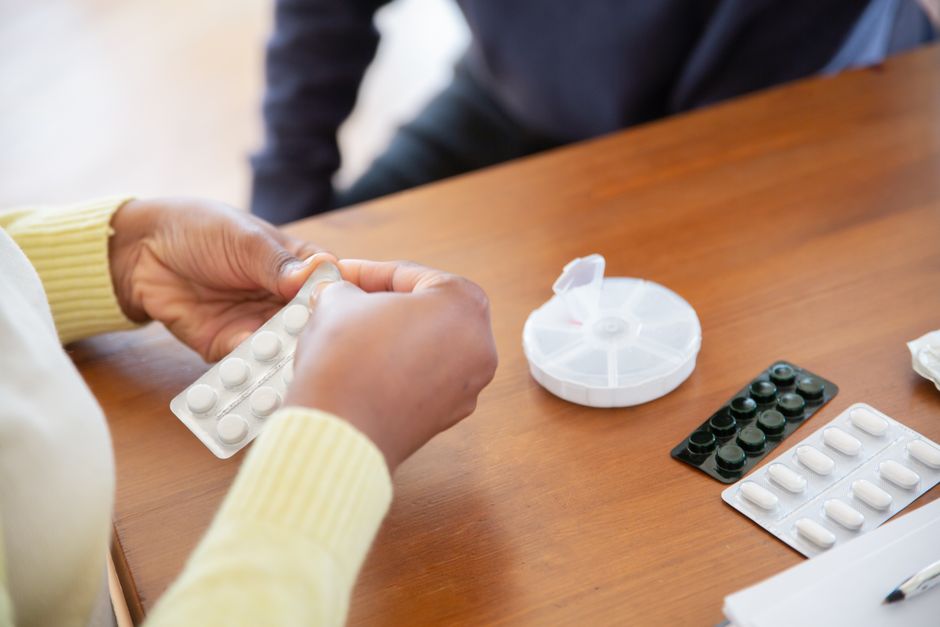
A weekly pill organizer with clearly labeled compartments (or better, an automatic dispenser that locks and alarms at dose times) removes the guesswork of “did I already take this?” Some modern dispensers can even send an alert to a family member’s phone if a dose is missed.
2. Keep a Written or Digital Medication Log
A simple notebook or phone app where the time and dose of each oxycodone intake is logged creates a paper trail that both the senior and any visiting caregiver can check at a glance. This is especially helpful during medical appointments, and pairs well with the tracking suggestions in our oxycodone medication checklist.
3. Store Medication Securely but Accessibly
Oxycodone should be stored in a locked box or cabinet, away from areas where visitors, home health workers, or grandchildren might have easy access, but still somewhere the senior can reach it without excessive difficulty. Avoid bathroom medicine cabinets, which are humid and often the first place anyone looks.
4. Reduce Fall Hazards Throughout the Home
Because oxycodone increases dizziness risk, it’s worth doing a fall-proofing pass through the home: securing loose rugs, adding grab bars in the bathroom, improving lighting in hallways, and keeping a clear path from the bedroom to the bathroom. These changes matter more once oxycodone is part of the daily routine, even if they weren’t necessary before.
5. Set Up a Check-In System
This is arguably the single most important safety measure for seniors living alone on opioids. A daily phone call, text check-in, or even a smart speaker routine (“Alexa, remind me to text Mom at 9 a.m.”) creates a safety net. Some families use simple systems like a colored card on the front door that gets flipped each morning, visible to a neighbor, so someone always knows the senior is up and functioning.
6. Install a Medical Alert Device
Wearable medical alert buttons or fall-detection pendants give seniors a direct line to help if they become dizzy, fall, or feel unusually sedated. Many modern devices detect falls automatically and call for help even if the wearer is unconscious, which is critical in an overdose scenario where every minute counts.
Monitoring Tools Every Solo Senior Should Consider
Beyond home setup, ongoing monitoring is what catches problems before they become emergencies.
Regular Medication Reviews
Every few weeks or months, a pharmacist or physician should review the full medication list, including any new prescriptions, supplements, or over-the-counter drugs. This catches dangerous interactions before they cause harm. Our oxycodone medication review checklist outlines exactly what should be discussed at these visits, and our guide on how doctors monitor long-term oxycodone therapy explains what ongoing physician oversight typically looks like.
Naloxone in the Home
Naloxone (brand name Narcan) reverses opioid overdose and is now available over the counter in the United States. Every senior taking oxycodone, especially those living alone, should have naloxone in the home, and at least one trusted contact (a neighbor, family member, or home health aide) should know where it is and how to use it. While naloxone can’t help someone who is completely alone at the moment of overdose, it becomes lifesaving the moment a check-in call goes unanswered and someone comes to investigate.
Pulse Oximeter for At-Home Monitoring
A simple, inexpensive fingertip pulse oximeter can track oxygen saturation levels. Since oxycodone’s most dangerous side effect is respiratory depression, a drop in oxygen saturation can be an early warning sign, especially useful for seniors with existing lung or heart conditions.
Smart Home Monitoring
Motion sensors, smart plugs on lamps, or even simple video doorbells can give family members passive reassurance that a senior is moving around the house normally, without being invasive. Some families set up sensors that alert them if there’s been no movement in the kitchen or bathroom by a certain time each day.
Talking to Family About the Risks
One of the hardest parts of managing oxycodone safety for seniors living alone is the conversation itself. Many older adults are fiercely protective of their independence and may resist the idea of check-in calls, medical alert devices, or family involvement in their medication routine. Framing the conversation around safety rather than capability tends to go over better, focusing on “let’s make sure help can reach you quickly” rather than “we don’t think you can handle this.” Our guide on how to talk to family about taking oxycodone offers specific scripts and approaches that can make these conversations less tense.
It also helps to involve the senior in choosing the safety tools themselves. A senior who picks out their own medical alert pendant or agrees to a specific check-in time is far more likely to stick with the system than one who feels it was imposed on them.
When to Consider Additional Support
Sometimes home modifications and check-in systems aren’t enough, particularly if cognitive decline is present or if the senior has had a recent fall, hospitalization, or dose change. Signs that it may be time for additional support include:
- Repeated confusion about whether a dose was taken
- Increased daytime drowsiness or difficulty staying awake during normal activities
- New or worsening balance problems
- A recent fall, even a minor one
- Family noticing slurred speech, slowed breathing, or unusual mood changes during visits or calls
In these cases, options range from increased home health visits to a temporary stay with family during dose adjustments, to exploring assisted living or a medication management service. There’s no failure in recognizing that solo living with oxycodone has reached a point where more support is needed. The goal is safety, not proving independence at any cost.
Frequently Asked Questions
Is it safe for a senior to live alone while taking oxycodone?
It can be, with the right precautions in place. Many seniors safely manage oxycodone while living independently, but it requires extra layers of safety, including a check-in system, secure medication storage, naloxone in the home, and regular medication reviews with a doctor or pharmacist. The risk isn’t necessarily living alone itself, it’s living alone without any safety net.
What are the early warning signs of oxycodone overdose in older adults?
Early signs include excessive drowsiness, confusion, slowed or shallow breathing, pinpoint pupils, and difficulty waking up. Because these can be subtle at first, especially in someone already dealing with age-related fatigue, family members and caregivers should be told what to watch for during phone calls or visits.
Should every senior taking oxycodone have naloxone at home?
Yes, most physicians and pharmacists now recommend it as a standard safety measure for anyone prescribed opioids, particularly older adults. Naloxone is available over the counter in the U.S. and can be lifesaving if administered in time by a neighbor, family member, or emergency responder.
How often should a senior’s oxycodone dose be reviewed?
Most physicians recommend reviewing dosing and overall medication lists every few weeks initially, then at least every few months once a stable dose is reached, or sooner if new symptoms, falls, or other medications are introduced. Kidney and liver function should also be periodically checked, since these directly affect how the body processes oxycodone.
What’s the single most important safety step for a senior living alone on oxycodone?
If only one change is possible, a reliable daily check-in system, whether a phone call, text, smart speaker reminder, or medical alert device, tends to make the biggest difference. It ensures that if something does go wrong, help arrives within hours rather than days.
The Bottom Line
Oxycodone can be an effective and appropriate tool for managing serious pain in older adults, but it comes with risks that are amplified by age-related physical changes and the simple fact of living alone. The absence of another person in the home doesn’t have to mean the absence of safety. With the right combination of secure storage, medication tracking, fall-proofing, naloxone access, and consistent check-ins, seniors can continue to live independently while significantly reducing the dangers associated with opioid use. The goal isn’t to eliminate independence, it’s to build a safety net sturdy enough that independence and safety can coexist. Taking even two or three of the steps outlined here this week, rather than waiting for a crisis to force the issue, is one of the most protective things a senior or their family can do.