
Health Tips
Can You Split an Oxycodone Tablet? What You Need to Know Before Cutting Your Dose

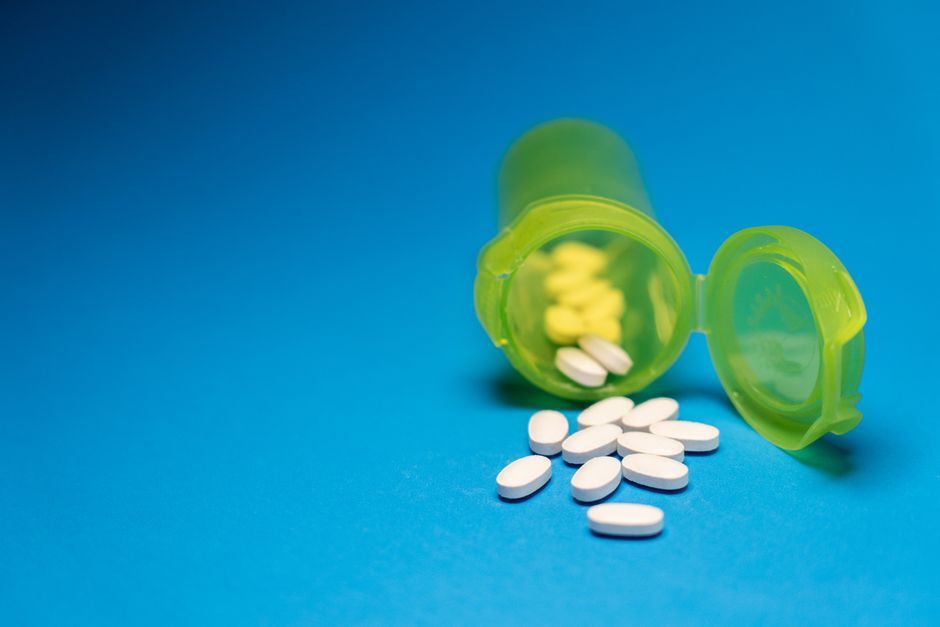
You’re staring at your oxycodone bottle, pill splitter in hand, wondering if cutting your tablet in half is a smart way to adjust your dose or a mistake waiting to happen. It’s a fair question. Many medications come in scored tablets specifically designed for splitting, so why would oxycodone be any different?
The honest answer is: it depends entirely on which type of oxycodone tablet you have. Splitting an oxycodone tablet can be safe for some immediate-release formulations, but it can be extremely dangerous, even fatal, for extended-release versions like OxyContin. In this article, you’ll learn exactly why the formulation matters, how to tell which type you have, what happens inside your body when you split the wrong tablet, and what safer alternatives exist if your current dose isn’t working for you.
Can You Split an Oxycodone Tablet? The Short Answer
Whether you can split an oxycodone tablet depends on whether it’s immediate-release (IR) or extended-release (ER). Immediate-release oxycodone tablets, such as Roxicodone or generic oxycodone, are sometimes scored and can occasionally be split if your prescriber or pharmacist confirms it’s appropriate. Extended-release oxycodone, most commonly known by the brand name OxyContin, should never be split, crushed, chewed, or dissolved under any circumstances.
This isn’t a minor technicality. Extended-release oxycodone tablets are engineered with a special matrix that slowly releases the drug over 12 hours. Breaking that matrix by splitting the tablet can release a large portion of the total dose all at once, essentially turning a 12-hour dose into an immediate, potentially lethal, hit of opioid medication.
Before you split anything, always check with your pharmacist or prescribing doctor. Even with immediate-release tablets, there are situations where splitting isn’t recommended, which we’ll cover in detail below.
Understanding the Two Main Types of Oxycodone Tablets
To understand why splitting matters so much, you need to understand how oxycodone tablets are built. Not all oxycodone pills work the same way, even though they contain the same active ingredient.
Immediate-Release (IR) Oxycodone
Immediate-release oxycodone is designed to release the full dose into your bloodstream fairly quickly, typically within 30 to 60 minutes, and it’s meant to be taken every 4 to 6 hours as needed for pain. Common brand and generic names include:
- Roxicodone
- Oxaydo
- Generic oxycodone hydrochloride tablets (5 mg, 10 mg, 15 mg, 20 mg, 30 mg)
Because IR tablets release their contents in a fairly straightforward way, splitting one in half generally divides the dose roughly in half too, assuming the tablet is manufactured with even drug distribution throughout. This is why some IR oxycodone tablets are scored (have a line down the middle) to make splitting easier and more accurate.
Extended-Release (ER) Oxycodone
Extended-release oxycodone, sold under the brand name OxyContin, is formulated completely differently. It uses a controlled-release delivery system that slowly releases the medication over approximately 12 hours, allowing patients with chronic, around-the-clock pain to take it just twice a day instead of every few hours.
This slow-release effect depends entirely on the tablet’s intact structure. The medication is embedded in a polymer matrix that controls how quickly it dissolves and enters your bloodstream. When that structure is broken, whether by splitting, crushing, or chewing, the entire drug-release mechanism fails.
If you’re managing long-term pain and were prescribed extended-release oxycodone, it helps to understand how the timing of your doses is supposed to work. Our guide on the best time to take oxycodone walks through how extended-release dosing schedules are designed to keep pain control steady throughout the day and night.
Why Splitting Extended-Release Oxycodone Is Dangerous
This point deserves its own section because it’s the single most important safety issue related to oxycodone tablet splitting. If you take away only one thing from this article, it should be this: never split, crush, or chew extended-release oxycodone.
What Happens Inside Your Body
Extended-release oxycodone tablets contain a much larger total amount of the drug than immediate-release tablets, precisely because that dose is supposed to be released gradually over 12 hours. A 40 mg extended-release tablet, for example, contains far more active drug than a typical immediate-release tablet, but it’s engineered to trickle that medication into your system slowly.
When you split or crush an ER tablet, you destroy the release-controlling matrix. Instead of the dose being metered out over half a day, a large portion floods into your bloodstream almost immediately. This is called “dose dumping,” and it’s one of the most dangerous events that can happen with an opioid medication. Instead of a slow, controlled release designed to last half a day, you get a rapid surge of oxycodone hitting your central nervous system all at once, similar to what would happen if you swallowed several immediate-release tablets in a single gulp.
The consequences of dose dumping can be severe. A sudden overload of oxycodone can cause profound respiratory depression, meaning your breathing slows down or stops altogether. This is the primary mechanism behind opioid overdose deaths. Other signs of an oxycodone overdose include extreme drowsiness, pinpoint pupils, cold and clammy skin, muscle weakness, and loss of consciousness. If you or someone you know experiences these symptoms after taking oxycodone, it’s a medical emergency.
This is precisely why extended-release oxycodone products carry a boxed warning, the strongest type of caution the FDA requires on a drug label, specifically addressing the dangers of crushing, chewing, dissolving, or splitting these tablets. Manufacturers design ER formulations with abuse-deterrent technology in some cases, but even non-abuse-deterrent versions rely entirely on the tablet staying intact to function safely.
It’s also worth noting that dose dumping doesn’t just create a spike in effect, it also shortens the overall duration of pain relief. Instead of steady coverage for 12 hours, you might get a few hours of intense effect followed by a return of pain much sooner than expected. This can create a cycle where people feel tempted to take another dose early, which raises the risk of taking oxycodone too close together and compounding the overdose risk even further.
How to Tell If Your Oxycodone Tablet Is Scored for Splitting
Not every tablet with a line down the middle is meant to be split, and not every tablet that’s safe to split will have an obvious score line. This is where things get confusing for patients, so let’s clear it up.
Look for an Actual Score Line
A scored tablet has a visible indented line pressed into the surface during manufacturing. This line is intentional and indicates the tablet has been tested to break evenly along that line. If your immediate-release oxycodone tablet has this feature, and your doctor or pharmacist has confirmed it’s appropriate for your situation, splitting it along that line is generally considered acceptable.
Check the Prescribing Information
The package insert or patient information leaflet that comes with your prescription will state whether the tablet is scored and whether splitting is supported. This information is also usually available through your pharmacy or the drug manufacturer’s website. If you don’t have access to this paperwork, your pharmacist can look it up in seconds using the National Drug Code printed on your prescription bottle.
When in Doubt, Ask Before You Cut
If a tablet has no score line, feels unusually hard, has a shiny or waxy coating, or is labeled “extended-release,” “controlled-release,” “SR,” “CR,” or “ER” anywhere on the label, do not attempt to split it. These are strong indicators that the tablet relies on structural integrity for safe drug delivery.
Immediate-Release Oxycodone: When Splitting May Be Acceptable
Immediate-release oxycodone tablets work differently from their extended-release counterparts. These tablets are designed to dissolve and release their full dose relatively quickly after ingestion, typically within 30 to 60 minutes, with effects lasting four to six hours. Because there’s no special coating or matrix controlling a slow release, splitting a scored immediate-release tablet doesn’t carry the same dose-dumping risk.
That said, “doesn’t carry the same risk” is not the same as “completely risk-free.” Even with immediate-release tablets, a few practical issues can arise:
- Uneven halves. Studies on tablet splitting across various medications have repeatedly found that manual splitting, even with a proper tablet cutter, often produces two pieces that differ in weight by 10 percent or more. For a medication as potent as oxycodone, that variability can translate into a noticeably different effect from one half to the next.
- Crumbling and powder loss. Splitting a tablet can cause small chips or powder to break off, meaning you may lose a portion of your intended dose before you even take it.
- Difficulty judging quarter doses. If your doctor has instructed you to take a quarter of a tablet, precision becomes even harder to achieve by hand, and the margin for error increases substantially.
For these reasons, even when splitting is technically permitted, it should always be done with a purpose-built tablet splitter rather than a kitchen knife, and always under the guidance of your prescribing provider or pharmacist.
Why Your Doctor Might Actually Want You to Split a Tablet
It might seem strange that a medication as tightly controlled as oxycodone would ever be intentionally split, but there are legitimate clinical reasons this happens.
Fine-Tuning a Dose
Oxycodone immediate-release tablets are manufactured in specific strengths, commonly 5 mg, 10 mg, 15 mg, 20 mg, and 30 mg. If your doctor determines that your ideal dose falls between two available strengths, for example somewhere around 7.5 mg, splitting a 15 mg scored tablet in half may be the most practical way to achieve that exact dose without needing a specially compounded prescription.
Tapering Down Gradually
When someone has been taking oxycodone for an extended period and is ready to reduce their dose, whether because their pain has improved or because their care team wants to minimize dependence risk, tapering is usually done gradually rather than abruptly. Splitting tablets can sometimes be part of a structured taper schedule, allowing for smaller incremental reductions than jumping between whole-tablet strengths would allow. This is especially relevant for patients managing oxycodone for chronic pain, where long-term use requires careful, individualized dose adjustments over time.
Cost Considerations
In some cases, doctors and pharmacists work together to prescribe a higher-strength tablet that, when split, is more cost-effective than purchasing two lower-strength tablets. This practice, sometimes called “tablet splitting for cost savings,” is more common with other chronic medications, but it can occasionally apply to oxycodone therapy as well, always with explicit medical guidance.
What to Do If You’re Struggling to Swallow Whole Tablets
Difficulty swallowing pills is a common and completely valid concern, particularly among older adults, people recovering from throat or mouth surgery, and those with certain neurological or esophageal conditions. If this describes your situation, please don’t default to crushing or splitting your oxycodone tablets without medical input. Instead, bring this concern directly to your prescribing doctor, because there are safer paths forward.
Ask About Liquid Formulations
Oxycodone is available in an oral liquid concentrate and oral solution for patients who cannot tolerate tablets. These formulations allow for precise, pharmacist-measured dosing without any need to break down a solid tablet.
Ask About Alternative Delivery Methods
Depending on your diagnosis and care setting, your doctor might explore other opioid formulations or even different medications altogether that come in forms better suited to your swallowing ability, such as orally disintegrating tablets of other opioids or transdermal patches for certain long-acting pain medications.
Talk to Your Pharmacist About Swallowing Aids
Simple interventions, like taking tablets with a spoonful of pudding, using a specialized pill-swallowing cup, or trying different swallowing techniques, can sometimes resolve the issue without needing to alter the medication at all.
If swallowing difficulty is a new or worsening symptom, it’s also worth mentioning to your doctor independently, since new dysphagia can sometimes signal an underlying condition that deserves its own evaluation.
Special Populations: Who Should Never Attempt Tablet Splitting
While this article has focused mostly on general safety principles, certain groups face amplified risks and should approach this topic with extra caution.
Older Adults
Aging can affect kidney and liver function, which in turn affects how quickly the body clears oxycodone. A dose-dumping event in an older adult can be more dangerous than the same event in a younger, healthier person, simply because their body has less capacity to compensate for a sudden surge of the drug.
People With Respiratory Conditions
Anyone with asthma, COPD, sleep apnea, or another condition that already compromises breathing is at heightened risk if an extended-release tablet is split and a large dose is released too quickly. Respiratory depression from opioids is more likely to become life-threatening in someone whose lungs are already working harder than normal.
People Taking Other Central Nervous System Depressants
If you’re also taking benzodiazepines, sleep medications, muscle relaxants, or alcohol, combining any of these with a sudden oxycodone surge dramatically increases the risk of dangerous sedation and respiratory failure. This combination is one of the leading causes of opioid-related emergency room visits and deaths.
Children and Caregivers Administering Medication to Others
If you’re a caregiver splitting oxycodone tablets for someone else, whether a child, an aging parent, or a patient under your care, the stakes are even higher, because the person taking the medication may not be able to communicate early warning signs of a problem. Always confirm splitting instructions directly with the prescribing provider before altering any tablet given to another person.
Practical Tips If Your Doctor Approves Tablet Splitting
If you’ve had this conversation with your provider and been given a clear green light to split a specific, scored, immediate-release oxycodone tablet, here are some practical steps to do it as safely as possible:
- Use a proper pill splitter. These inexpensive devices, available at most pharmacies, use a blade and cradle system designed to produce more even halves than cutting freehand with a knife.
- Split only what you need for that dose. Avoid pre-splitting a week’s worth of tablets in advance, since split tablets can degrade faster when exposed to air and light, and it also increases the chance of mixing up which half is which.
- Store the unused half properly. If you do need to save a half tablet for a later dose, keep it in a cool, dry place away from light, and try to use it within a day or two.
- Double-check with your pharmacist. Ask them to demonstrate the correct way to split your specific tablet, since scoring depth and tablet hardness vary between manufacturers even for the same medication strength.
- Watch for uneven effects. If you notice that one half seems to work differently than the other, mention it to your doctor. This could indicate a splitting technique issue worth addressing.
What to Do Instead of Splitting an Unscored or Extended-Release Tablet
If you’ve realized that your current tablet isn’t safe to split, but you still feel like your dose needs adjusting, here’s what to do instead of experimenting on your own:
- Call your prescribing doctor or pharmacist and explain exactly what you’re trying to achieve, whether that’s a lower dose, easier swallowing, or cost savings.
- Ask about a different strength or formulation that might better match your needs without requiring any tablet manipulation.
- Request a liquid or alternative delivery form if swallowing or precise dosing is the core issue.
- Never substitute your own judgment for a formal dose change, even if you feel confident about the math. Opioid dosing errors, even well-intentioned ones, can have serious consequences.
If your pain levels have shifted, either improving or worsening, that’s also worth discussing openly with your care team rather than trying to self-adjust through tablet splitting. Sometimes what feels like a dosing problem is actually a sign that your treatment plan needs a broader review, something a primary care doctor or pain specialist can help assess.
Frequently Asked Questions
Is it ever safe to split an oxycodone tablet at home?
It can be safe only if the tablet is an immediate-release formulation that is specifically scored for splitting, and only after your doctor or pharmacist has confirmed this is appropriate for your prescription. Extended-release oxycodone should never be split, crushed, or chewed under any circumstances.
What happens if I accidentally split an extended-release oxycodone tablet?
If you’ve already taken it, monitor yourself closely for signs of overdose, including extreme drowsiness, slow or shallow breathing, confusion, or difficulty staying awake, and seek emergency medical help immediately if any of these occur. If you haven’t taken it yet, don’t take the split tablet. Contact your pharmacist or doctor for guidance on how to proceed.
Can I crush oxycodone tablets to mix them into food instead of splitting them?
No. Crushing carries all the same dose-dumping risks as splitting extended-release tablets, and it applies to immediate-release tablets too, since crushing can alter absorption timing even for formulations without a special coating. Always ask your doctor about appropriate alternatives if swallowing whole tablets is difficult.
Why does my oxycodone tablet have a score line if I’m not supposed to split it?
Some tablets are scored purely to help with visual identification or to make the tablet easier to handle, not necessarily as an indication that splitting is medically endorsed for every strength or formulation. Always confirm with your pharmacist rather than assuming a score line automatically means it’s safe to split.
How do I know if my prescription is immediate-release or extended-release?
Check the label on your prescription bottle for terms like “IR” (immediate-release), “ER,” “CR,” or “SR” (all indicating extended or controlled release). If you’re unsure, your pharmacist can confirm this instantly by looking up the medication’s National Drug Code.
The Bottom Line
Splitting an oxycodone tablet isn’t inherently reckless, but it isn’t something to approach casually either. The safety of tablet splitting comes down almost entirely to which formulation you have. Scored, immediate-release tablets can sometimes be split with a doctor’s approval and the right tools, while extended-release tablets should never be split, crushed, or chewed under any circumstances due to the serious risk of dose dumping and overdose.
If you find yourself needing a different dose, an easier way to swallow your medication, or a more cost-effective prescription, the right move is always to loop in your prescribing doctor or pharmacist rather than making the change on your own. Oxycodone is a powerful medication precisely because it needs to be, and that same power is exactly why small changes to how you take it can have outsized effects on your safety. For more general background on how oxycodone dosing and timing works, resources like Mayo Clinic’s oxycodone drug guide and Drugs.com’s oxycodone reference can offer additional context, but nothing replaces a direct conversation with the provider managing your care.