
Health Tips
Generic Medication Appearance Differences: Why Your Pills Look Different Each Refill


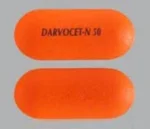
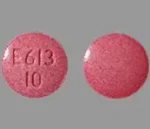
You pick up your monthly refill, open the bottle, and something feels off. The pill is a different shade of white, slightly smaller, or shaped like an oval instead of a round tablet. If you’ve ever wondered about generic medication appearance differences, you’re not alone. This is one of the most common questions pharmacists field every single day, and it makes sense that patients get uneasy when a medication they’ve taken for months suddenly looks unfamiliar.
In this guide, you’ll learn exactly why generic drugs can look so different from one refill to the next, what actually has to stay the same by law, and how to confirm you’re holding the right medication without guessing. We’ll also cover when a change in appearance is worth a call to your pharmacist versus when it’s simply routine manufacturing variation.
Why Generic Medication Appearance Differences Happen in the First Place
Generic drugs are required to contain the same active ingredient, strength, dosage form, and route of administration as the brand-name version they’re based on. However, the rules stop there. The inactive ingredients, the color additives, the shape of the tablet, and even the coating can all vary between manufacturers. As a result, two pills that treat the exact same condition at the exact same dose can look nothing alike.
This isn’t a loophole or an oversight. It’s actually intentional. Trademark law prevents generic manufacturers from copying the exact appearance, color, or shape of a brand-name pill, since those visual details are often protected. In addition, dozens of different companies may manufacture the same generic drug, and each one sources its own inactive ingredients, uses its own equipment, and follows its own formulation process. That naturally produces pills that differ in look even though they perform identically inside your body.
If you’ve read our earlier piece on why your pills don’t always look the same, you already know this is a normal part of how the generic drug supply chain works. This article goes further into the specifics: what changes, what never changes, and how to protect yourself from confusion or errors at the pharmacy counter.
What Has to Stay the Same, and What Can Change
To understand generic medication appearance differences, it helps to separate what regulators require from what’s left up to the manufacturer.
What must remain identical
- Active ingredient: The chemical compound that produces the therapeutic effect must be the same as the brand-name drug.
- Strength: A 10 mg generic tablet must deliver 10 mg of active ingredient, not more or less.
- Dosage form: If the brand is an extended-release tablet, the generic must also be extended-release, not immediate-release.
- Route of administration: Oral, topical, injectable, and so on must match.
- Bioequivalence: The generic must be absorbed into the bloodstream at a similar rate and extent as the brand-name drug, within an accepted statistical range.
What’s allowed to differ
- Color: Manufacturers choose their own dyes or leave pills uncolored.
- Shape: Round, oval, capsule-shaped, triangular, and other shapes are all common.
- Size: Fillers and binders vary, which can make one company’s tablet noticeably larger or smaller than another’s.
- Coating: Some tablets are film-coated for easier swallowing, others are not.
- Markings and imprints: Each manufacturer stamps its own code, letters, or numbers onto the tablet.
- Inactive ingredients (excipients): Binders, fillers, preservatives, and flavoring agents can differ significantly.
This distinction matters because it explains why your medication can look completely different while still being therapeutically identical. The active ingredient, the part actually treating your condition, never changes. Everything cosmetic is fair game.
The Role of Inactive Ingredients in Pill Appearance
Inactive ingredients, also called excipients, make up a surprisingly large portion of most tablets. They include binders that hold the tablet together, fillers that add bulk, disintegrants that help the pill break apart in your stomach, lubricants that keep it from sticking to manufacturing equipment, and dyes that give it color.
Different manufacturers use different combinations of these ingredients based on cost, availability, and their own manufacturing process. One company might use lactose as a filler, while another uses microcrystalline cellulose. One might add a yellow dye for brand recognition, while another leaves the tablet white. None of these choices affect how well the active ingredient works, but they absolutely affect how the pill looks and even how it tastes if you happen to bite into it.
This is also why patients with specific allergies or sensitivities, such as a lactose intolerance or a dye sensitivity, sometimes notice a difference in how they tolerate one generic version compared to another. The active drug is the same, but the inactive ingredients around it are not, and in rare cases that can matter.
Why So Many Companies Make the Same Generic Drug
Once a brand-name drug’s patent and exclusivity period expires, multiple manufacturers are legally allowed to produce a generic version. This is good for patients overall because competition drives prices down substantially. According to the U.S. regulatory framework for generic drugs, this process is designed specifically to increase access to affordable medication once a brand’s exclusive marketing rights end.
In practice, this means a single generic drug might be produced by five, ten, or even twenty different companies. Your pharmacy contracts with wholesalers and distributors to source medications at the best price and availability, and those contracts can shift from month to month. That’s the real reason your refill sometimes comes from a completely different manufacturer than it did last time, even if you’ve been going to the same pharmacy for years.
Pharmacy purchasing and manufacturer switching
Pharmacies don’t usually choose one single manufacturer and stick with it forever. Instead, they buy from whichever supplier offers the best combination of price, reliability, and current stock. If your usual supplier raises its price or runs into a supply issue, your pharmacy may switch to a different generic manufacturer without any change to your prescription itself. You can read more about how these supply shifts happen in our article on pharmacy shortages and what patients can do when their usual medication isn’t available.
This kind of switching is completely routine and happens far more often than most patients realize. It’s not a sign that something is wrong with your pharmacy or your prescription. It’s simply how the modern pharmaceutical supply chain operates.
Common Appearance Changes Patients Notice
Some changes are subtle, and others are dramatic enough to make patients stop and second-guess their prescription. Here are the most frequently reported differences.
Color changes
A blood pressure medication that was pale blue for a year suddenly arrives white. A pain reliever that was pink turns beige. Color is one of the most noticeable, and most commonly changed, features between generic manufacturers.
Shape and size changes
Round tablets can become oval. Capsules can shrink or grow depending on how much filler a manufacturer uses. Larger tablets aren’t necessarily a higher dose, and smaller ones aren’t necessarily a lower one. Size is tied to the formulation, not the strength.
Scored versus unscored tablets
Some tablets have a line down the middle (a score line) that allows for easier splitting, while others don’t. If your tablet suddenly lacks a score line and you’ve been splitting it in half, this is worth a conversation with your pharmacist before you continue doing so, since not every tablet is designed to be split evenly.
Coating differences
Film-coated tablets are smoother and often easier to swallow, while uncoated tablets can have a slightly rougher or chalky texture. Some patients even notice a taste difference if the tablet begins to dissolve before swallowing.
Imprint and marking changes
Every manufacturer stamps its own unique code onto its tablets. If you’re used to seeing certain letters or numbers on your pill and suddenly see a completely different code, that’s almost always just a manufacturer change, not an error, assuming your pharmacist confirms the drug name and strength on the label.
For more detail specifically on why shapes vary so much between manufacturers, see our full breakdown in why pill shapes can vary.
How to Confirm Your Medication Is Correct
Rather than relying on memory or visual habit, there are concrete steps you can take every time you pick up a refill to confirm you have the right medication.
1. Check the label first, not the pill
The prescription label lists the drug name, strength, and manufacturer. Before you even look at the tablet itself, read the label carefully and compare it to your previous bottle or to what your doctor prescribed.
2. Use a pill identification tool
Resources like Drugs.com’s pill identifier let you search by imprint code, shape, and color to confirm exactly what a tablet is. This is one of the fastest ways to put your mind at ease when a pill looks unfamiliar.
3. Ask the pharmacist directly at pickup
Pharmacists expect and welcome this question. Simply saying “this pill looks different than my last refill, can you confirm it’s the same medication” is enough to prompt a quick check of the National Drug Code on the bottle against what was dispensed. Pharmacists perform this verification constantly, and it typically takes less than a minute.
4. Compare the National Drug Code (NDC)
Every version of every drug, from every manufacturer, has its own unique NDC number. This code is printed on the label and on the original stock bottle the pharmacist fills from. If you want the most rock-solid confirmation possible, ask the pharmacist to show you that the NDC matches what your insurance and prescription record show. This number does not change based on appearance, so it is a reliable anchor point when the pill itself looks unfamiliar.
5. Keep a small record of what your medication has looked like
Some patients, especially those managing multiple prescriptions or complex regimens, find it helpful to jot down the imprint code, color, and shape of their pills each time they fill a prescription. This is particularly useful for medications where mistakes could have serious consequences, or for caregivers managing medications for someone else. It also makes it much easier to have a specific, informed conversation with a pharmacist if something does look off, rather than a vague sense that things are different.
When a Different Appearance Might Actually Signal a Problem
While manufacturer switching accounts for the overwhelming majority of appearance changes, it’s still worth knowing the warning signs that indicate something other than a routine generic switch. Pharmacists are trained to catch dispensing errors, but patients are the last line of defense, and a little bit of knowledge goes a long way.
The strength doesn’t match what’s on the label
If the label says one thing but the pill’s imprint code, when checked against a pill identifier, points to a different strength, that is worth flagging immediately. This is rare, but it is exactly the kind of error that a quick check can catch before it becomes a real problem.
The drug name on the label has changed unexpectedly
Sometimes a prescriber switches you to a different medication within the same class, and this can get lost in translation between the doctor’s office and the pharmacy. If you weren’t told about a medication change and the label reflects a different drug name than you expected, ask before you take it.
You notice physical differences in the pill beyond shape or color
Cracks, unusual crumbling, a strange odor, or a texture that seems off (beyond the expected differences between manufacturers) can sometimes indicate a quality issue with a specific batch. This is uncommon, but pharmacies and manufacturers do want to know if this happens, since it can trigger a broader quality review.
You experience new or different side effects after a refill
As mentioned earlier, inactive ingredients can occasionally cause a different reaction even when the active drug is identical. If you notice new gastrointestinal upset, skin reactions, or other symptoms that started right around the time your pill’s appearance changed, it’s reasonable to mention this to your pharmacist or prescriber. In most cases, the issue resolves on its own, but tracking the timing helps rule out coincidence versus a genuine sensitivity to a specific formulation.
Why Pharmacies Switch Manufacturers So Often
It can feel like your pharmacy is unusually inconsistent if you notice manufacturer changes every few months, but this is actually standard practice across the entire retail pharmacy industry, and it comes down to a few consistent business realities.
Wholesale contracts change on a rolling basis
Pharmacies and pharmacy chains negotiate purchasing agreements with drug wholesalers and distributors, and these contracts are frequently renegotiated based on pricing. When a new contract goes into effect, the pharmacy may switch to a different generic manufacturer simply because the numbers work out better, even if the previous manufacturer’s product was never in short supply.
Manufacturer pricing shifts constantly
Generic drug pricing is highly competitive, and manufacturers frequently adjust their prices to win contracts with wholesalers and pharmacy chains. A small price change on a high-volume medication can be enough to prompt a switch, especially for chain pharmacies filling thousands of prescriptions per day.
Supply chain disruptions and shortages
If a particular manufacturer experiences a production delay, a raw material shortage, or a recall, pharmacies pivot to whichever alternative manufacturer has stock available. This is one of the most common reasons for an unexpected appearance change, and it’s covered in more depth in our guide to pharmacy shortages and what patients can do. If you’ve ever been told your usual medication is temporarily unavailable, this dynamic is very likely the reason.
Insurance formulary requirements
Insurance plans sometimes specify which generic manufacturer’s product is covered at a preferred cost tier, and these formulary rules can change from year to year or even mid-year. A pharmacy may be required to dispense a specific generic version to keep your medication affordable under your plan, which can result in an appearance change that has nothing to do with the pharmacy’s own preferences.
What This Means for Controlled Substances Specifically
Appearance changes can feel particularly unsettling with controlled substances like oxycodone, where patients are often more anxious about verifying authenticity and correct dosing. The good news is that the verification process for these medications is, if anything, more rigorous, not less.
Pharmacies verify controlled substance prescriptions through additional layers of confirmation, including checks against prescription drug monitoring programs and stricter documentation requirements. If you want a deeper look at exactly how this verification process works, our article on how pharmacies verify controlled prescriptions walks through it step by step. This extra scrutiny means that when a generic oxycodone tablet looks different at pickup, it has already passed through more checkpoints than a typical prescription, which should offer some reassurance even when the tablet’s appearance catches you off guard.
If you’re newer to a controlled substance regimen and want a broader framework for staying on top of appearance checks, dosing questions, and pharmacy communication, our oxycodone medication checklist for new patients covers what to ask before you even fill your first prescription. For ongoing regimens, the medication review checklist for check-ins includes appearance verification as one of several routine safety checks worth repeating at every visit.
Special Considerations for Caregivers and Multi-Medication Households
If you manage medications for a parent, child, or anyone else, appearance changes introduce an extra layer of complexity. You may be filling multiple prescriptions from different pharmacies, coordinating refill timing, and trying to keep track of several medications that all might look slightly different from one month to the next.
A few practical habits make this easier. First, always keep medications in their original labeled containers rather than transferring them into unmarked pill organizers immediately after pickup, at least until you’ve confirmed the contents visually against the label. Second, if you use a weekly pill organizer, consider taking a quick photo of new pills before you sort them, so you have a reference point if a question comes up later. Third, if you’re managing medications for someone with cognitive impairment, a sudden appearance change can be genuinely distressing to them even when it’s medically meaningless, so a brief, calm explanation ahead of time (“this pill looks a little different, but it’s the same medicine your doctor gave you”) can prevent unnecessary worry or refusal to take the dose.
Caregivers managing several people’s medications should also consider color-coding or labeling systems that don’t rely on the pill’s own appearance. Sticky notes on organizer compartments, printed medication schedules with photos, or apps designed for caregiving can all reduce the chance that a swapped generic manufacturer causes confusion during a hectic morning routine. The goal isn’t to memorize what every pill looks like forever, since that’s a losing battle given how often manufacturers change. The goal is to build a system that catches errors regardless of appearance, using labels, quantities, and pharmacist confirmation as the real safety net.
How Pharmacies Decide Which Generic Manufacturer to Stock
Patients sometimes assume their pharmacy chooses a specific generic manufacturer and sticks with it, but in reality most pharmacies and pharmacy chains negotiate contracts with wholesalers and group purchasing organizations that shift periodically based on pricing. A pharmacy might buy metformin from one manufacturer for eight months, then switch to a different manufacturer when a new contract offers a better price or when the previous supplier faces a shortage.
This purchasing model keeps medication costs lower for patients and insurers, but it also means the appearance changes described throughout this article are largely outside any individual pharmacist’s control. Your local pharmacist isn’t choosing to switch your pills to be difficult; they’re filling whatever their supply chain provides that week, following the same FDA bioequivalence standards regardless of which specific manufacturer’s product lands on the shelf. Understanding this can make the whole experience feel less arbitrary and more like a predictable, if slightly annoying, feature of how the modern pharmaceutical supply chain operates.
Large chain pharmacies, mail-order pharmacies, and independent pharmacies may all have different purchasing relationships, which is part of why the same generic drug might look different depending on where you fill it, even within the same city. If you’ve ever compared notes with a friend taking the identical medication and dosage, only to discover their pills look nothing like yours, this is usually the explanation. Different supply chains, same drug, same safety standards, different appearance.
When to Loop In Your Doctor, Not Just Your Pharmacist
Most appearance-related questions can be resolved at the pharmacy counter, but there are situations where it’s worth mentioning the change to your prescribing doctor as well. If you’ve noticed that a particular generic version seems to work less well for you, causes different side effects, or coincides with a return of symptoms that had been controlled, that’s worth a conversation with your provider, not just pharmacy staff.
This is more relevant for certain drug categories than others. Medications with a narrow therapeutic index, meaning the difference between an effective dose and a problematic one is small, are sometimes more sensitive to the minor formulation differences allowed between generic versions. Levothyroxine, warfarin, and certain anti-seizure medications fall into this category, and some patients and doctors do prefer to stick with one specific manufacturer for these particular drugs. If you’re on a medication like this, ask your pharmacist whether it’s possible to request the same generic manufacturer at each refill, and ask your doctor whether they have a preference based on your medical history.
For most other medications, including many common maintenance drugs for blood pressure, cholesterol, and diabetes, the formulation differences between generic versions are unlikely to produce any noticeable clinical effect, and switching between manufacturers from refill to refill is considered routine and safe. The science behind individual dosing explains why some patients are simply more sensitive to formulation variables than others, which is worth understanding if you suspect you might be one of them.
What Regulators and Manufacturers Are Doing About Confusion
The FDA has acknowledged that appearance variability among generic drugs has been a source of patient confusion and, in some documented cases, medication errors, particularly among patients managing multiple prescriptions. While the agency hasn’t mandated uniform appearance across generic manufacturers, it does maintain resources to help patients and providers verify medications, and it continues to study how packaging and appearance influence adherence and error rates.
Some manufacturers voluntarily coordinate with pharmacies on notification practices when a formulation or appearance change is significant enough to warrant a heads up, though this isn’t a universal requirement. Pharmacy chains have also invested in patient-facing tools, including printed inserts that show images of the current pill alongside the previous version when a switch occurs, specifically to reduce the kind of confusion this article has been addressing. If your pharmacy offers this kind of insert, it’s worth reading even when you feel confident you already know what changed.
Organizations focused on medication safety, including the Institute for Safe Medication Practices, have published guidance encouraging pharmacies to proactively flag appearance changes to patients rather than waiting for questions. If you find that your pharmacy never mentions these changes, it’s reasonable to ask them to start doing so, since many pharmacies are receptive to feedback about how they communicate with patients, especially around safety-adjacent topics like this one.
Frequently Asked Questions
Why did my generic pill change color or shape but the dosage stayed the same?
Different manufacturers produce the same generic drug using their own approved formulations, which can include different inactive ingredients, coloring agents, and tablet shapes. As long as the active ingredient and dosage strength match what’s on your label, a color or shape change reflects a different manufacturer, not a different medication.
Is it safe to take a generic pill that looks different from my last refill?
Generally yes, provided the label matches your prescription in drug name, strength, and instructions. All FDA-approved generics must meet bioequivalence standards, meaning they work the same way in the body as the brand-name version and as other generic versions. If you have any doubt, a pharmacist can confirm the pill’s identity in a couple of minutes.
Can I ask my pharmacy to always give me the same generic manufacturer?
You can ask, and some pharmacies will accommodate the request when possible, though it isn’t guaranteed since it depends on their current supply contracts. This request is most reasonable for narrow therapeutic index medications where consistency may matter more clinically, and less necessary for typical maintenance medications.
How can I quickly verify that a new-looking pill is correct without going to the pharmacy?
Use an online pill identifier tool from a reputable source such as Drugs.com or WebMD, entering the imprint code, shape, and color found on the tablet. This can confirm the drug name and strength in most cases, though calling your pharmacist remains the fastest and most reliable option if anything still seems off.
Should I worry if my pharmacy switches generic manufacturers frequently?
Frequent switching is common and reflects normal supply chain and pricing dynamics rather than a quality problem. As long as each dispensed medication is verified against your prescription label, frequent manufacturer changes don’t indicate anything wrong with your care or your pharmacy’s practices.
Final Thoughts
Generic medication appearance changes are one of those small but persistent frustrations of modern healthcare, easy to dismiss until the moment you’re staring at an unfamiliar pill wondering if something went wrong. In almost every case, nothing has gone wrong. A different manufacturer filled your prescription this time, following the same strict federal standards as the last one, using a different shape, color, or coating simply because that’s how their approved formulation looks.
The best defense against confusion isn’t memorizing every possible pill appearance, which is an impossible task given how often manufacturers rotate through pharmacy supply chains. It’s building a habit of checking your label, asking your pharmacist when something looks unfamiliar, and knowing which medications genuinely warrant closer attention to manufacturer consistency. With those habits in place, a pill that looks different at your next refill becomes a minor observation rather than a moment of genuine worry, and you can stay focused on what actually matters: taking your medication as prescribed and getting the health benefit it’s meant to provide.