
Can You Split an Oxycodone Tablet? What You Need to Know Before Cutting Your Dose

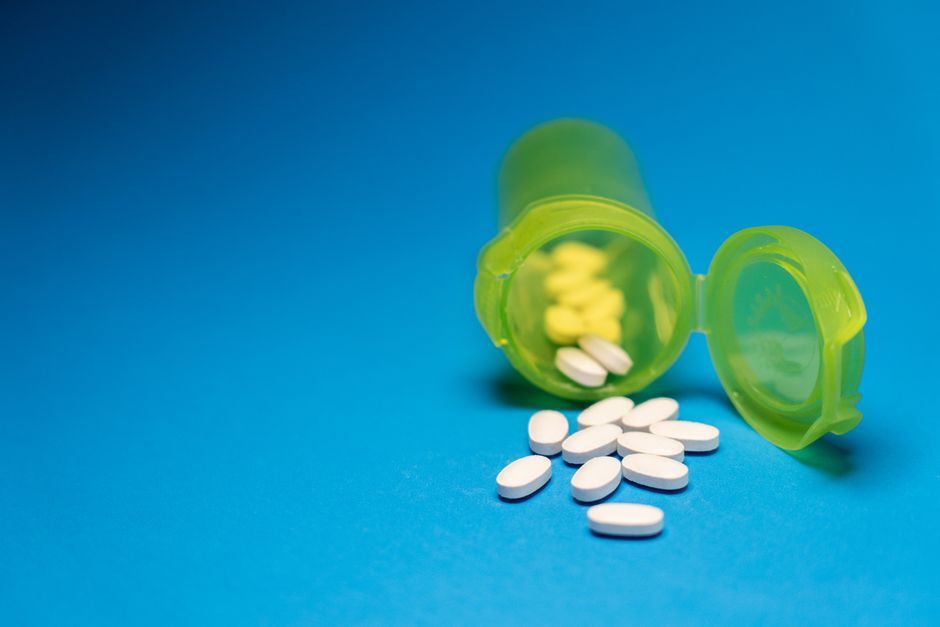
Splitting an oxycodone tablet can be safe for scored immediate-release pills but extremely dangerous for extended-release ones, since breaking the release mechanism can trigger a rapid, life-threatening dose dump.

Why Does Oxycodone Cause Dry Mouth? Causes, Risks, and Relief Tips
Oxycodone commonly causes dry mouth by reducing saliva production through its effects on the nervous system. Learn why this happens and how to find relief.
Can Oxycodone Cause Headaches? Causes, Risks, and Relief Tips
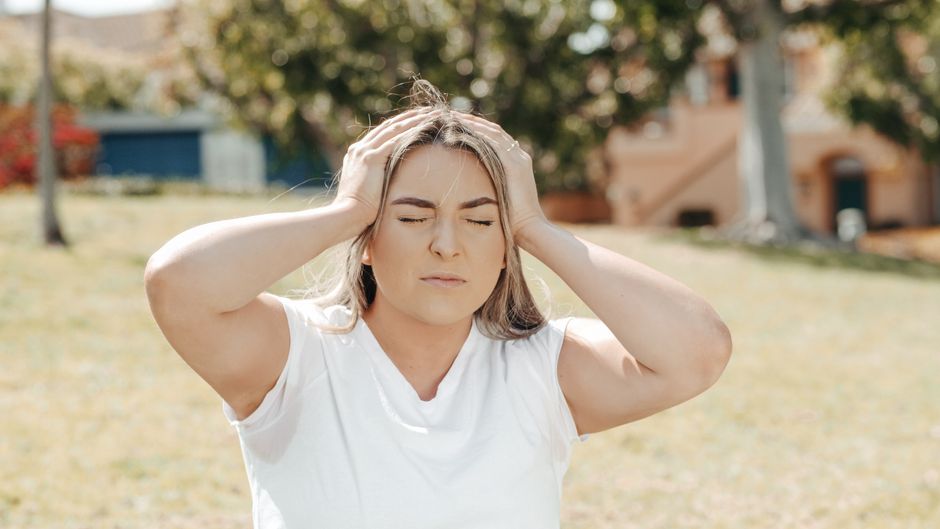
Oxycodone can cause headaches through direct effects on the nervous system or indirectly via dehydration, poor sleep, missed meals, and withdrawal between doses; this guide covers causes, warning signs, and practical relief tips.

Why Do I Feel Cold While Taking Oxycodone? Causes and Solutions
Feeling cold while taking oxycodone is more common than you might think. Here's why it happens, when it's harmless, and when it could signal withdrawal or something more serious.

Can Oxycodone Cause Sweating? Causes, Risks, and What to Do
Sweating is a common but often overlooked side effect of oxycodone, driven by its effects on the nervous system, histamine release, and blood vessel function, and this guide explains the causes, warning signs, and practical steps to manage it safely.
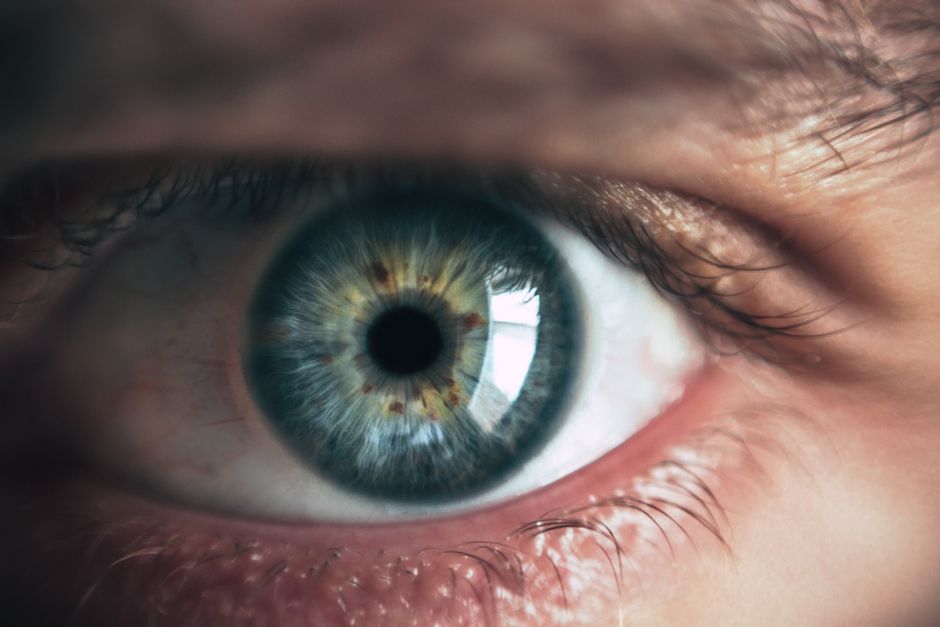
Does Oxycodone Make Your Pupils Small? What Causes This Side Effect
Oxycodone commonly causes pupil constriction (miosis) by acting on opioid receptors in the brainstem, and understanding how small pupils get, how long it lasts, and when it signals an overdose can help you tell a normal side effect from a warning sign.

Can Oxycodone Cause Itching Without a Rash? What It Means and How to Cope
Itching without a rash is a surprisingly common oxycodone side effect, caused by histamine release and opioid receptor activity rather than a true allergy, and it's usually manageable with simple strategies.
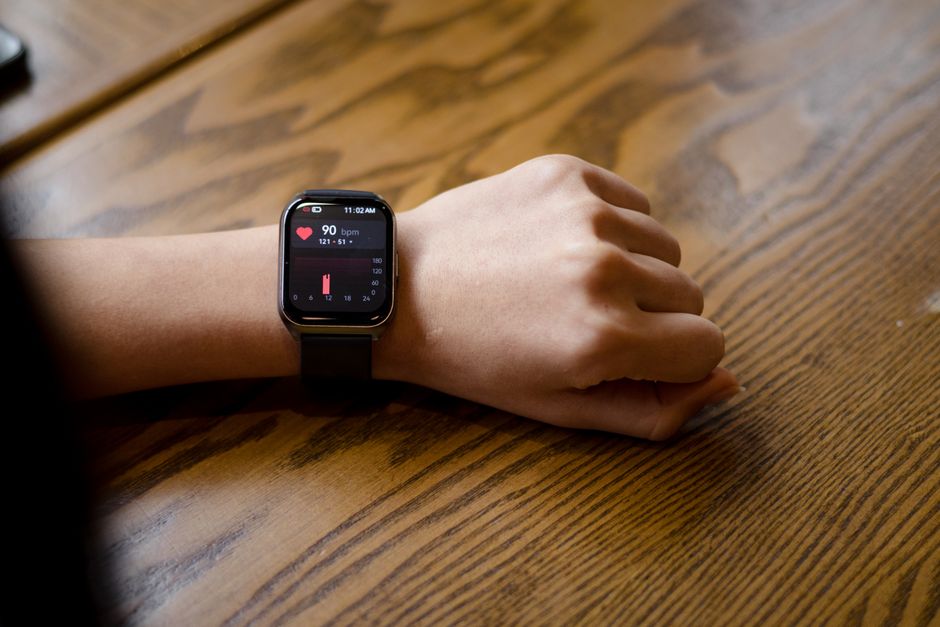
Can Oxycodone Cause Heart Palpitations? What You Need to Know
Oxycodone can sometimes cause heart palpitations through mechanisms like histamine release, blood pressure changes, drug interactions, and withdrawal, and this article explains why it happens, when it's dangerous, and how to manage it safely.

Why Am I Nauseous After Taking Oxycodone? Causes and Relief Tips
Nausea after taking oxycodone is a common, usually temporary side effect caused by the drug's effects on the brain, gut, and inner ear; this guide explains the causes, who's most at risk, and practical relief tips.

What Is the Best Time to Take Oxycodone? A Practical Timing Guide
Learn how to determine the best time to take oxycodone based on formulation, pain patterns, meals, and daily routine, plus common timing mistakes to avoid.

Why Does Oxycodone Make Me Dizzy? Causes, Risks, and What Helps
Oxycodone can cause dizziness through central nervous system depression, blood pressure drops, and inner ear effects, but understanding the causes and using practical strategies can help most patients manage it safely.

What Happens If You Take Oxycodone Too Close Together?
Taking oxycodone doses too close together can lead to dangerous opioid buildup and overdose risk; this guide explains why it happens, warning signs to watch for, and how to respond and prevent it.