
Health Tips
Oxycodone vs Fentanyl Key Differences Potency and safety compared

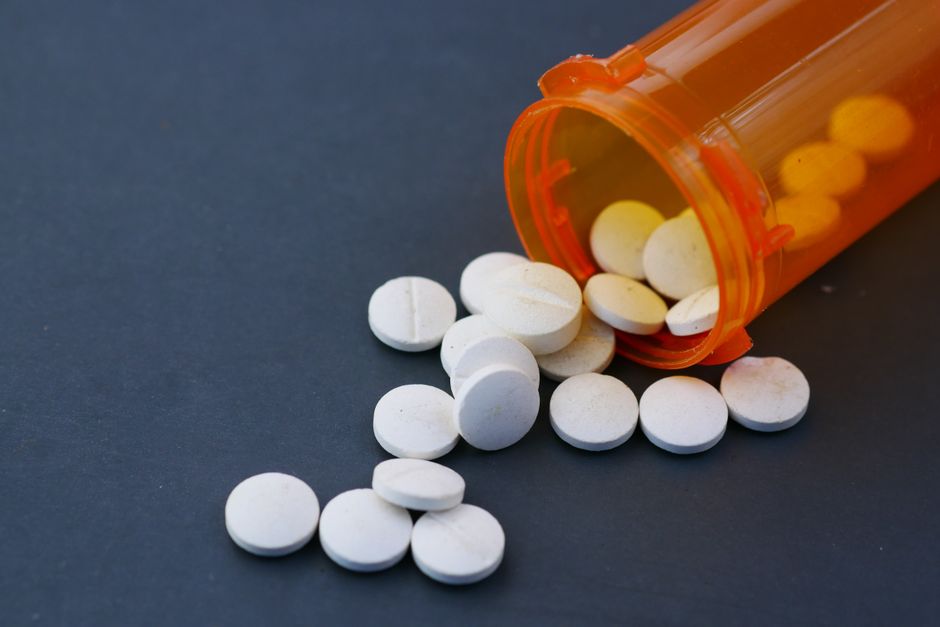
Opioid pain medications save lives when used correctly, yet they also rank among the most dangerous drugs on the market when misused. Two of the most talked-about opioids today are oxycodone and fentanyl. Both show up in hospital settings, hospice care, and unfortunately, in the illicit drug supply that drives much of the ongoing overdose crisis.
If you or someone you love has been prescribed one of these medications, or you’re simply trying to understand the headlines about fentanyl-laced pills, this guide breaks down the real differences between oxycodone vs fentanyl. You’ll learn how they work, how their strength compares, what they’re used for, and why one of them is far more likely to show up in an overdose statistic than the other.
Oxycodone vs Fentanyl: The Quick Answer
Oxycodone and fentanyl are both opioids that relieve pain by binding to opioid receptors in the brain and spinal cord. However, they differ enormously in potency, how they’re used medically, and how they show up outside of legitimate prescriptions.
- Oxycodone is a semi-synthetic opioid derived from thebaine, typically prescribed as tablets or capsules for moderate to severe pain.
- Fentanyl is a fully synthetic opioid that is roughly 50 to 100 times more potent than morphine, and far stronger than oxycodone, used medically for severe pain, surgical anesthesia, and cancer-related breakthrough pain.
- Fentanyl is responsible for the overwhelming majority of opioid overdose deaths in the United States today, largely due to illicitly manufactured versions found in counterfeit pills and mixed with other street drugs.
Now let’s look at each drug individually before comparing them side by side.
What Is Oxycodone?
Oxycodone is a prescription opioid used to treat moderate to severe pain. It’s sold under brand names like OxyContin (extended-release) and as a component in combination products such as Percocet, which pairs oxycodone with acetaminophen. Doctors prescribe it after surgery, for injury-related pain, or for chronic pain conditions that haven’t responded to non-opioid treatments.
Oxycodone comes in immediate-release (IR) and extended-release (ER) formulations. The IR version starts working within 15 to 30 minutes and lasts around 4 to 6 hours, while the ER version is designed for around-the-clock pain control over 12 hours. If you’re trying to understand which formulation fits a particular situation, our article on oxycodone IR vs ER covers the practical differences in more depth.
How Oxycodone Works
Like all opioids, oxycodone binds primarily to mu-opioid receptors in the central nervous system. This blocks pain signals from reaching the brain and triggers a release of dopamine, which produces feelings of relaxation and euphoria alongside pain relief. That euphoric effect is part of why oxycodone carries a real risk of misuse and dependence, even when taken exactly as prescribed.
Common Uses of Oxycodone
- Post-surgical pain
- Pain from injuries, including fractures
- Chronic pain conditions such as back pain or osteoarthritis
- Cancer-related pain
What Is Fentanyl?
Fentanyl is a synthetic opioid originally developed in the 1960s for use as a surgical anesthetic. It remains an essential medication in hospital settings, where it’s given intravenously during surgery or used in patch form (Duragesic) for patients with chronic, severe pain who need round-the-clock relief, such as those with advanced cancer.
Medically, fentanyl is available as:
- Transdermal patches for continuous pain control
- Intravenous injections used in surgical and hospital settings
- Lozenges, sublingual tablets, and nasal sprays for breakthrough cancer pain in opioid-tolerant patients
Outside of medical use, illicitly manufactured fentanyl has become a major public health crisis. It’s cheap to produce, extremely potent in tiny amounts, and frequently mixed into counterfeit pills or other drugs like heroin and cocaine, often without the buyer’s knowledge.
How Fentanyl Works
Fentanyl also targets mu-opioid receptors, but it binds to them more quickly and with much greater affinity than oxycodone or morphine. This is part of why it acts so fast and why the margin between a therapeutic dose and a fatal one is so narrow. According to the Centers for Disease Control and Prevention, synthetic opioids like fentanyl are now involved in the majority of opioid-related overdose deaths in the U.S.
Common Uses of Fentanyl
- Severe, chronic pain in opioid-tolerant patients
- Anesthesia during surgery
- Breakthrough cancer pain
- Pain management in intensive care settings
Oxycodone vs Fentanyl: Potency Comparison
This is where the two drugs diverge most dramatically. Potency refers to how much of a drug is needed to produce a given effect, not how
dangerous a drug is inherently, but how strong it is at a given weight or volume. And by that measure, fentanyl is in a league of its own.
Fentanyl is estimated to be 50 to 100 times more potent than morphine, and roughly 50 times more potent than oxycodone. To put that into perspective, a dose of fentanyl measured in micrograms can produce the same effect as a dose of oxycodone measured in milligrams. A microgram is one-thousandth of a milligram, which means the margin for error when handling fentanyl is razor thin.
This potency difference explains why fentanyl is reserved for opioid-tolerant patients and administered with such tight medical controls. A dose that would be perfectly reasonable for a patient who has built up tolerance to strong opioids could be lethal for someone who has never taken an opioid before. Oxycodone, while still a powerful and potentially dangerous drug, has a wider safety margin simply because so much more of it is required to produce the same analgesic or euphoric effect.
This is also why illicit fentanyl has become so deadly. When it’s pressed into counterfeit pills or mixed into other drugs, there’s no reliable way to measure the dose. A batch might be evenly mixed in one pill and lethally concentrated in the next, which is part of why fentanyl-related overdoses have climbed so sharply over the past decade.
Onset of Action and Duration: How Quickly Do They Work?
Beyond potency, the speed at which a drug takes effect and how long it lasts play a major role in both its clinical usefulness and its risk profile.
Oxycodone’s Onset and Duration
Immediate-release oxycodone typically begins working within 15 to 30 minutes, reaching peak effect around one hour after ingestion. Its pain-relieving effects generally last four to six hours. Extended-release formulations are designed to release the drug slowly over 12 hours, providing steadier pain control for patients with chronic conditions. If you’re trying to understand how these formulations differ in practice, our breakdown of oxycodone IR vs ER covers how each type behaves in the body and which situations call for one over the other.
Fentanyl’s Onset and Duration
Fentanyl’s onset depends heavily on how it’s administered. Intravenous fentanyl can take effect in as little as one to two minutes, making it ideal for surgical anesthesia where rapid, controllable pain relief is essential. Transdermal patches work differently, releasing the drug slowly through the skin over 72 hours to provide continuous pain control for patients with chronic, severe pain. Lozenges and sublingual tablets used for breakthrough cancer pain tend to act within minutes, since they’re designed to address sudden pain spikes that don’t wait for a scheduled dose.
This rapid onset, especially with intravenous or illicitly manufactured fentanyl, is part of what makes it so dangerous outside of controlled medical settings. A fast-acting, extremely potent opioid gives the body very little time to respond to early warning signs of overdose, such as slowed breathing, before the effects become severe.
Side Effects: Oxycodone vs Fentanyl
Because both drugs act on the same opioid receptors, their side effect profiles overlap significantly. However, the intensity and frequency of certain effects can differ based on potency and route of administration.
Side Effects Common to Both
- Drowsiness and sedation
- Nausea and vomiting
- Constipation
- Dry mouth
- Confusion or mental fog
- Itching or skin flushing
- Slowed or shallow breathing (respiratory depression)
Constipation is such a common and persistent issue with opioid use that it deserves its own attention. If you or someone you care for is managing this side effect, our guide on oxycodone and constipation offers practical strategies for relief.
Where the Two Drugs Differ
Because fentanyl is so much more potent, side effects like respiratory depression can escalate more quickly and with less warning than they might with oxycodone. Patients on fentanyl patches may also experience localized skin reactions at the application site, something that doesn’t apply to oral oxycodone. On the other hand, oxycodone’s oral formulations are more strongly associated with gastrointestinal side effects like nausea and constipation, partly because of how the drug is metabolized through the digestive system and liver.
Sleep disruption is another shared concern with opioid therapy. Even though these medications cause drowsiness, they can paradoxically interfere with restorative sleep cycles. Our article on how oxycodone affects sleep explains this contradiction in more detail, and much of it applies to opioids as a class, including fentanyl.
Risk of Addiction and Dependence
Both oxycodone and fentanyl carry a high risk of physical dependence and addiction, and both are classified as Schedule II controlled substances in the United States, reflecting their recognized medical use alongside a high potential for abuse.
Dependence can develop even when the medication is taken exactly as prescribed. Over time, the body adapts to the presence of the drug and requires it to function normally, which is different from addiction, a behavioral condition marked by compulsive drug-seeking despite negative consequences. That said, dependence often paves the way toward addiction, especially when doses are increased without close medical supervision or when the medication is used for longer than intended.
Fentanyl’s intense euphoric effects, combined with its rapid onset, may make it more reinforcing from a psychological standpoint, which some researchers believe contributes to a faster and more severe addiction trajectory compared to oxycodone. However, oxycodone’s addiction potential shouldn’t be underestimated. It remains one of the most commonly misused prescription opioids in the country, and its wide availability in medicine cabinets makes it especially prone to diversion and recreational use.
If you’re on a prescribed oxycodone regimen, it’s worth knowing the warning signs that a dose may no longer be appropriate or that dependence may be developing. Our article on signs your oxycodone dose may need medical review outlines red flags patients and caregivers should watch for.
Overdose Risk: Why Fentanyl Is Especially Dangerous
This is arguably the most critical distinction between the two drugs. While both can cause fatal overdoses, fentanyl’s overdose risk is dramatically higher for several converging reasons.
1. Extreme Potency Leaves Little Room for Error
Because effective and lethal doses of fentanyl are separated by such a small margin, even a slight miscalculation, whether by a patient, caregiver, or illicit manufacturer, can be fatal. With oxycodone, the gap between a therapeutic dose and a dangerous one is considerably wider, giving more of a buffer against accidental overdose.
2. Illicit Fentanyl Is Unpredictable
Street drugs and counterfeit pills contaminated with illicitly manufactured fentanyl are a leading driver of the current overdose crisis. According to the CDC, synthetic opioids, primarily illicit fentanyl, are now involved in more overdose deaths in the U.S. than any other class of drug. Because these products are made outside of any regulated environment, there’s no way for the person taking them to know how much fentanyl is actually present.
3. Rapid Onset Reduces Reaction Time
Fentanyl’s fast action means that respiratory depression, the mechanism that actually causes death in an opioid overdose, can set in quickly, sometimes before the person or people around them realize what’s happening. This shortens the window in which naloxone, the opioid overdose reversal medication, can be administered effectively, though naloxone still works on fentanyl overdoses and multiple doses may be needed.
Oxycodone’s Overdose Risk Shouldn’t Be Dismissed
Despite fentanyl’s outsized role in overdose statistics, oxycodone overdoses remain a serious concern, particularly when the drug is combined with other central nervous system depressants like alcohol, benzodiazepines, or sleep aids. Combining substances is one of the most common contributing factors in oxycodone-related deaths. Understanding what shouldn’t be mixed with this medication is essential, and our guide to oxycodone drug interactions covers the combinations that pose the greatest danger.
Withdrawal Symptoms: Oxycodone vs Fentanyl
When someone who has developed physical dependence stops taking either drug, withdrawal symptoms can emerge. These symptoms are generally similar in nature between the two drugs but can differ in timeline and intensity.
Oxycodone Withdrawal
Withdrawal symptoms from oxycodone typically begin within 8 to 12 hours of the last dose, peak around 72 hours, and gradually subside over one to two weeks. Common symptoms include:
- Anxiety and irritability
- Muscle aches
- Sweating and chills
- Nausea and diarrhea
- Insomnia
- Intense drug cravings
Fentanyl Withdrawal
Because fentanyl is fast-acting and short-lived in the body (with the exception of transdermal patches, which release the drug slowly), withdrawal can begin sooner, sometimes within a few hours of the last dose, and may feel more intense due to the severity of dependence that can develop with regular use. Symptoms mirror those of oxycodone withdrawal but are often reported as more severe:
- Severe muscle and bone pain
- Intense anxiety and agitation
- Profuse sweating
- Vomiting and diarrhea
- Rapid heart rate
- Powerful cravings that can persist for weeks
Because withdrawal from either drug can be physically and psychologically taxing, medical detox under professional supervision is strongly recommended rather than attempting to stop cold turkey, particularly for long-term or high-dose users.
Medical Uses Compared: When Is Each Drug Prescribed?
Understanding when doctors reach for oxycodone versus fentanyl helps clarify why the risk conversation isn’t as simple as saying one drug is universally worse than the other.
Oxycodone is generally the first-line option for moderate to moderately severe pain that doesn’t require the intensity of fentanyl. This includes post-surgical recovery, injury-related pain, and chronic pain conditions in patients who haven’t developed significant opioid tolerance. It’s also more practical for outpatient use since it comes in oral tablets and capsules that patients can manage at home. If you’ve ever wondered whether the physical form of the medication matters, our comparison of oxycodone tablets vs capsules explains how formulation can affect absorption and convenience.
Fentanyl, by contrast, is typically reserved for patients who are already opioid-tolerant and need continuous, around-the-clock pain control, or for situations requiring extremely rapid pain relief, such as surgical anesthesia or breakthrough cancer pain. It’s rarely, if ever, a first-choice medication for opioid-naive patients or for mild to moderate pain, precisely because its potency makes it unnecessarily risky in those situations.
The Illicit Fentanyl Crisis and Counterfeit Pills
No honest comparison of these two drugs can ignore the elephant in the room: the illicit fentanyl crisis has fundamentally changed the opioid risk landscape in the United States and beyond.
Drug trafficking organizations have increasingly turned to fentanyl because it’s cheap to manufacture, easy to transport in small quantities due to its potency, and simple to press into counterfeit pills that are made to look like legitimate prescription medications, including oxycodone, Percocet, and Xanax. Someone buying what they believe is a prescription oxycodone pill from an unverified source has no reliable way of knowing whether it actually contains oxycodone, fentanyl, both, or neither.
This has created a public health emergency where people with no history of fentanyl use are dying from fentanyl exposure they didn’t know they were consuming. Organizations like the DEA have reported that a significant percentage of counterfeit pills tested contain a potentially lethal dose of fentanyl. This is one of the clearest illustrations of why comparing these two drugs isn’t just an academic exercise. It has real, life-or-death implications for anyone using opioids outside of a legitimate, monitored prescription.
If you or someone you know is taking oxycodone, sourcing it only from a licensed pharmacy with a valid prescription is one of the most important safety measures available. Never purchase prescription medications from unverified online sellers or through informal channels, no matter how legitimate the packaging appears.
Special Populations: Who Faces Greater Risk?
Certain groups face heightened risks with either drug, and the calculus can shift depending on individual health circumstances.
Older Adults
Aging bodies metabolize opioids more slowly, and older adults are more likely to be on multiple medications that can interact dangerously with either oxycodone or fentanyl. Because fentanyl’s potency leaves less room for error, dose adjustments and careful monitoring are especially critical in this population. Our detailed guide on oxycodone use in older adults covers the specific precautions that apply to aging patients.
Patients With Kidney or Liver Impairment
Both drugs are processed by the liver and cleared through the kidneys, which means patients with impaired organ function may experience prolonged drug effects and a higher risk of toxicity. Oxycodone dosing in particular often needs to be adjusted for patients with reduced kidney function, a topic explored further in our article on oxycodone and kidney disease.
Pregnant and Breastfeeding Individuals
Opioid use during pregnancy carries risks for both the parent and the developing fetus, including the possibility of neonatal opioid withdrawal syndrome. Similarly, opioids can pass into breast milk, raising concerns for breastfeeding infants. These considerations apply to both oxycodone and fentanyl, though the specifics of dosing and monitoring differ. For more on this topic, see our articles on oxycodone and pregnancy and oxycodone during breastfeeding.
So, Which Opioid Carries the Greater Risk?
After weighing potency, onset speed, overdose potential, and real-world usage patterns, the evidence points fairly clearly toward fentanyl as the higher-risk drug, but with important caveats.
In a controlled medical setting, both drugs can be used safely when dosed appropriately for the patient’s tolerance, condition, and overall health. A carefully calculated fentanyl patch for a cancer patient with significant opioid tolerance is not inherently more dangerous than an oxycodone prescription for a post-surgical patient. In these contexts, risk is managed through medical oversight, and the drug’s potency is accounted for in the prescribing process.
The picture changes dramatically outside of medical supervision. Illicitly sourced fentanyl, whether sold on its own or hidden in counterfeit pills, carries a substantially higher risk of accidental fatal overdose than oxycodone obtained through the same illicit channels. Its extreme potency, combined with inconsistent manufacturing, means that even experienced opioid users face heightened danger when fentanyl is involved.
Oxycodone, while safer in relative terms, is far from risk-free. Its wide availability, potential for misuse, and dangerous interactions with other substances make it a serious medication that demands respect and careful adherence to prescribing guidelines. The idea that oxycodone is the “safe” opioid compared to fentanyl can create a false sense of security, particularly among people who might mix it with alcohol or sedatives.
In short: fentanyl carries the greater inherent risk due to its potency and narrow safety margin, but oxycodone’s risks are magnified by its prevalence, misuse potential, and the dangerous combinations it’s often involved in. Neither drug should be treated casually, and both require informed, cautious use under medical guidance.
Safety Guidelines for Anyone Prescribed Oxycodone or Fentanyl
Whether you or a loved one has been prescribed either medication, a few core safety principles can significantly reduce risk:
- Always take the medication exactly as prescribed, never adjusting the dose without consulting your doctor.
- Avoid alcohol and other sedatives, including benzodiazepines and sleep medications, unless specifically cleared by your prescriber.
- Store medications securely, away from children, teens, and anyone who might misuse them.
- Never share prescription opioids with another person, even if they have similar symptoms.
- Keep naloxone on hand if you or someone in your household uses opioids regularly, and make sure family members know how to use it.
- Dispose of unused medication properly through a take-back program rather than keeping it in the household.
- Watch for early warning signs of dependence or misuse, and communicate openly with your healthcare provider about any concerns.
Timing and food intake can also influence how a medication is absorbed and tolerated. For instance, some patients wonder whether it’s safe to take oxycodone without eating first, a question we address directly in our article on taking oxycodone on an empty stomach. Diet also plays a role in how the drug is metabolized, and our guide to foods and drinks to avoid while taking oxycodone can help you avoid unnecessary complications.
Frequently Asked Questions
Is fentanyl always more dangerous than oxycodone?
In terms of raw potency and overdose risk, yes, fentanyl is generally considered more dangerous, especially in illicit form. However, when used exactly as prescribed and monitored by a healthcare provider, both drugs can be managed safely. Risk increases significantly with misuse, combining substances, or obtaining either drug outside of legitimate medical channels.
How can I tell if a pill contains fentanyl?
You generally cannot tell by looking at, tasting, or smelling a pill whether it contains fentanyl. Counterfeit pills are often designed to closely resemble legitimate prescription medications. Fentanyl test strips are available and can help detect its presence, but the only way to be certain a medication is safe is to obtain it through a licensed pharmacy with a valid prescription.
Can someone become addicted to oxycodone or fentanyl even if they take it as prescribed?
Yes. Physical dependence can develop even with appropriate, doctor-supervised use, particularly with long-term treatment. This is different from addiction, but dependence can increase the risk of developing addictive patterns over time, especially if the medication is used longer than necessary or at escalating doses. Regular check-ins with a healthcare provider help catch these issues early.
What should I do if I suspect an opioid overdose?
Call emergency services immediately. If naloxone is available, administer it according to the instructions, since it can temporarily reverse the effects of both oxycodone and fentanyl overdoses. Keep the person awake and breathing if possible, and stay with them until help arrives, as multiple doses of naloxone may be needed, particularly with fentanyl.
Is it safe to switch from oxycodone to fentanyl or vice versa?
Switching between these medications should only be done under close medical supervision. Because of the significant potency difference, dosing conversions require careful calculation to avoid both under-treatment of pain and accidental overdose. Never attempt to convert doses on your own.
Final Thoughts
Oxycodone and fentanyl both serve important roles in modern pain management, but they are not interchangeable, and they don’t carry equal risk. Fentanyl’s extreme potency and rapid onset make it a powerful tool for severe pain in the right clinical context, while simultaneously making it one of the most dangerous substances in the current overdose crisis when it ends up in unregulated hands. Oxycodone, though comparatively less potent, remains a serious medication with real potential for misuse, dependence, and dangerous interactions.
The safest path forward with either drug is the same: use them only as prescribed, stay in close communication with your healthcare provider, understand the warning signs of misuse or overdose, and never assume that a pill obtained outside a licensed pharmacy is what it claims to be. For a deeper technical breakdown of how these two opioids compare side by side, our companion article on oxycodone vs fentanyl differences and safety offers additional detail worth reviewing alongside this guide.
If you or someone you love is struggling with opioid use, whether oxycodone, fentanyl, or another substance, reaching out to a healthcare provider or a substance use specialist is a critical first step. These medications are powerful tools when respected, and dangerous risks when they aren’t.