
Health Tips
Oxycodone and Pregnancy: Risks, Safety Concerns, and What to Know

Finding out you’re pregnant while taking oxycodone, or being prescribed it during pregnancy for pain management, raises a lot of urgent questions. Is it safe? Will it hurt the baby? What happens if you stop suddenly? These are not questions to guess your way through.
This article covers what current research says about oxycodone and pregnancy, including risks to the fetus, effects during labor and delivery, neonatal withdrawal, breastfeeding considerations, and safer alternatives for pain control. The goal is to give you clear, medically grounded information so you can have an informed conversation with your OB-GYN or prescribing doctor. Nothing here replaces that conversation, but it should help you ask better questions and understand the answers.
What Is Oxycodone and Why Is It Prescribed?
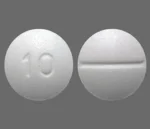
Oxycodone is a semi-synthetic opioid used to treat moderate to severe pain. Doctors prescribe it after surgery, for injury-related pain, or for chronic pain conditions that don’t respond well to non-opioid medications. It’s sold under brand names like OxyContin (extended-release) and is also combined with acetaminophen in products like Percocet.
Because oxycodone works directly on opioid receptors in the brain and spinal cord, it’s effective at blocking pain signals, but it also crosses the placenta freely during pregnancy. That’s the central issue when it comes to using it while pregnant: whatever reaches your bloodstream also reaches your baby’s.
Is Oxycodone Safe During Pregnancy?
There’s no version of this answer that’s simple. Oxycodone is not considered a first-choice medication during pregnancy, and it carries known risks, but there are situations where the benefits of treating severe pain outweigh the risks of leaving it untreated. This is a decision that needs to be individualized, not made from a blanket rule.
The U.S. Food and Drug Administration classifies opioids, including oxycodone, with specific labeling requirements about use in pregnancy due to the risk of neonatal opioid withdrawal syndrome and other complications. You can review general guidance on opioid use and pregnancy through the FDA, which has issued warnings about prolonged opioid use during pregnancy.
Short-Term vs. Long-Term Use
Context matters a great deal here:
- Short-term use (a few days, such as after an injury or minor procedure) at the lowest effective dose generally carries a lower risk profile than extended use.
- Long-term or high-dose use throughout pregnancy, particularly in the third trimester, raises the risk of neonatal opioid withdrawal and other complications significantly.
- Use in early pregnancy, particularly the first trimester, has been associated in some studies with a slightly increased risk of certain birth defects, though the data is not entirely consistent across studies.
Risks of Oxycodone Use During Pregnancy
Understanding the specific risks helps put the decision in perspective. Not every person who takes oxycodone during pregnancy will experience these outcomes, but the risks are well-documented enough that doctors take them seriously.
Neonatal Opioid Withdrawal Syndrome (NOWS)
This is the most consistently reported risk. Babies exposed to opioids like oxycodone for a sustained period before birth can be born physically dependent on the drug. After birth, when that supply stops, the newborn may go through withdrawal, medically known as neonatal opioid withdrawal syndrome (NOWS), sometimes still referred to by the older term neonatal abstinence syndrome (NAS).
Symptoms of NOWS can include:
- Excessive or high-pitched crying
- Tremors or jitteriness
- Poor feeding or sucking difficulty
- Trouble sleeping
- Diarrhea or vomiting
- Seizures in severe cases
- Fever, sweating, or rapid breathing
NOWS typically appears within the first few days after birth, though onset can vary depending on how long-acting the opioid was and how close to delivery it was used. Babies with NOWS often need extended hospital monitoring, and in moderate to severe cases, they may require medication to manage withdrawal symptoms safely.
Birth Defects and Structural Risks
Some studies have found an association between early pregnancy opioid exposure and a modestly increased risk of certain congenital anomalies, including neural tube defects, congenital heart defects, and gastroschisis. However, researchers note that many of these studies can’t fully separate the effect of the opioid itself from other factors, such as underlying maternal health conditions or use of other substances. Still, this data is part of why doctors avoid prescribing oxycodone in early pregnancy when alternatives exist.
Preterm Birth and Low Birth Weight
Opioid use during pregnancy, including oxycodone, has been linked to higher rates of preterm delivery and babies born smaller than expected for their gestational age. Reduced fetal growth can carry its own downstream health implications, so this is monitored closely when opioid use continues throughout pregnancy.
Placental Complications
Some research has connected opioid use during pregnancy with placental abruption, a serious condition where the placenta separates from the uterine wall before delivery. This can be a medical emergency for both mother and baby, which is another reason ongoing opioid use during pregnancy is monitored carefully by an OB-GYN.
Stillbirth Risk
Large-scale studies have found an association between prenatal opioid exposure and increased stillbirth risk compared to pregnancies without opioid exposure. The exact mechanisms aren’t fully understood, but this finding reinforces why prolonged, unsupervised opioid use during pregnancy is discouraged.
What About Using Oxycodone During Labor and Delivery?
Oxycodone is sometimes used for pain relief immediately around delivery, such as after a cesarean section, but the timing and dosing require careful management. Because oxycodone crosses the placenta, using it too close to delivery can cause the newborn to be born sedated or with breathing difficulty, requiring monitoring and sometimes intervention in the delivery room.
Doctors weigh the pain-relief benefit for the mother against the short-term risks to the newborn, adjusting timing and dosage accordingly. This is a very different clinical scenario than using oxycodone throughout pregnancy, so it shouldn’t be confused with long-term prenatal exposure.
If You’re Already Dependent on Oxycodone and Become Pregnant
This is one of the most important and least discussed parts of this topic: if you are physically dependent on oxycodone (whether from a prescription taken over time or from opioid use disorder) and you find out you’re pregnant, stopping abruptly is not the safe move.
Sudden opioid withdrawal during pregnancy can trigger uterine contractions, fetal distress, and in some cases, miscarriage or preterm labor. This is different from other substances where quitting cold turkey might be encouraged. With opioids, medical guidance strongly favors a supervised approach.
Medication-Assisted Treatment (MAT)
For pregnant individuals with opioid dependence, the standard of care recommended by major health organizations, including the National Institutes of Health, is medication-assisted treatment using methadone or buprenorphine under medical supervision, rather than abrupt discontinuation. These medications stabilize opioid levels in the body, reducing the peaks and troughs that come with illicit or unmonitored use, and they’ve been studied extensively in pregnant populations.
Babies born to mothers on supervised MAT can still experience NOWS, but the overall pregnancy outcomes tend to be more stable and predictable than with unmanaged opioid use or repeated withdrawal cycles. If this applies to you or someone you know, the right first step is an honest conversation with an OB-GYN or an addiction medicine specialist, not a solo attempt to quit.
Oxycodone and Breastfeeding
Once the baby is born, the question shifts to whether oxycodone is safe while breastfeeding. Oxycodone does pass into breast milk, and it’s considered one of the opioids with higher transfer into milk compared to some alternatives.
Concerns for breastfed infants exposed to oxycodone through milk include:
- Sedation or excessive sleepiness
- Difficulty feeding
- Slowed or shallow breathing in more significant exposure
If oxycodone is medically necessary after delivery, doctors generally recommend the lowest effective dose for the shortest duration, close monitoring of the infant for sedation or feeding changes, and considering alternative pain relievers when appropriate. The MedlinePlus drug database, a service of the National Library of Medicine, is a useful resource for checking specific medication safety information, though it should complement, not replace, your doctor’s guidance.
Alternatives to Oxycodone for Pain During Pregnancy
Pain during pregnancy is real and shouldn’t simply be endured without treatment, but there are often options worth discussing before reaching for an opioid.
Non-Opioid Options Doctors May Consider
- Acetaminophen (Tylenol): Generally considered the first-line option for pain and fever during pregnancy when used at recommended doses.
- Physical therapy: Often effective for musculoskeletal pain, back pain, and joint discomfort common in later pregnancy.
- Topical treatments: Localized pain relief that limits systemic exposure.
- Regional anesthesia techniques: Used in specific clinical settings, particularly around delivery.
NSAIDs like ibuprofen are typically avoided, especially after 20 weeks of pregnancy, due to risks to fetal kidney function and other complications, so they aren’t a simple substitute for oxycodone without medical guidance. If a healthcare provider is weighing oxycodone against other opioid options for a specific condition, resources comparing drugs like oxycodone and tramadol or oxycodone and hydrocodone can help clarify differences in potency and side effect profiles, though pregnancy-specific safety should always be confirmed directly with your provider rather than assumed from general comparisons.
What to Do If You’re Prescribed Oxycodone During Pregnancy
If a doctor prescribes oxycodone while you’re pregnant, it doesn’t automatically mean something is wrong or that you’re making an unsafe choice. Sometimes the pain being treated (a severe injury, post-surgical recovery, or a chronic pain condition) genuinely requires opioid-level relief, and untreated severe pain carries its own risks to a pregnancy, including elevated stress hormones and reduced ability to eat, sleep, or move safely.
Here’s how to approach it responsibly:
- Confirm the prescriber knows you’re pregnant. Every provider involved in your care, including any specialist prescribing pain medication, needs this information.
- Ask about dose and duration. The lowest effective dose for the shortest necessary time is the standard goal.
- Discuss trimester-specific risk. Timing matters, and your OB-GYN can help weigh risk based on how far along you are.
- Don’t stop abruptly without medical guidance if you’ve been taking it for more than a few days, due to withdrawal risks discussed earlier.
- Plan ahead for delivery. Let your delivery team know about oxycodone use in advance so they can prepare for potential newborn monitoring.
Signs Your Baby May Need Extra Monitoring After Birth
If oxycodone was used during pregnancy, particularly in the third trimester, hospital staff will typically watch the newborn for signs of withdrawal or sedation. Parents should also be aware of what to watch for once home, especially if discharge happens early:
- Unusual irritability or high-pitched crying that doesn’t settle
- Trouble latching or feeding poorly
- Stiff muscles, tremors, or excessive startling
- Loose stools or vomiting beyond typical newborn patterns
- Poor weight gain in the first weeks
These symptoms warrant a call to the pediatrician rather than a wait-and-see approach, since NOWS symptoms can escalate over the first several days of life.
Special Considerations for Chronic Pain Patients Who Become Pregnant
Some pregnancies happen to people already managing chronic pain conditions with oxycodone or similar medications, such as those recovering from major surgery, dealing with cancer-related pain, or managing conditions like severe back injuries. If this describes you, a few things are worth knowing:
- Abruptly stopping is riskier than continuing under medical supervision in many chronic pain cases.
- Your OB-GYN and pain management provider need to coordinate directly, not communicate through you as a go-between.
- A tapering plan, if appropriate, should be gradual and medically supervised, not self-directed.
- Extended-release formulations behave differently in the body than immediate-release ones, which can affect how your care team approaches dosing during pregnancy. The difference between immediate-release and extended-release oxycodone is something your provider will factor into any adjustment plan.
Common Myths About Oxycodone and Pregnancy
Myth: A Little Use Early On Definitely Caused Harm
Many people who took oxycodone briefly before realizing they were pregnant panic unnecessarily. A short course taken before pregnancy was confirmed does not automatically mean harm occurred. Risk is generally tied to dose, duration, and timing, not a single early exposure. This is a conversation to have with your doctor rather than something to assume the worst about.
Myth: If the Baby Seems Fine at Birth, There’s No Withdrawal Risk
NOWS symptoms don’t always appear immediately. Some newborns show signs within 24 hours, while others develop symptoms up to 5-7 days after birth, particularly with longer-acting opioids. This is why hospitals often recommend an extended observation period for babies with known prenatal opioid exposure.
Myth: Prescription Use Is Always Safer Than Illicit Use
Prescription oxycodone used exactly as directed under medical supervision is certainly safer than unregulated use, but it isn’t risk-free during pregnancy. The source of the medication matters less than the dose, duration, and trimester timing when it comes to fetal risk.
Talking to Your Doctor: Questions Worth Asking
Walking into an appointment prepared can make these conversations far more productive. Consider asking:
- Is there a non-opioid alternative that could manage this pain adequately?
- If oxycodone is necessary, what’s the lowest effective dose and shortest reasonable duration?
- How will my baby be monitored after birth if I continue this medication?
- Should I meet with a maternal-fetal medicine specialist given my situation?
- What withdrawal symptoms should I personally watch for if we adjust my dose?
- Is breastfeeding realistic with this medication, or should we plan differently?
Frequently Asked Questions
Can I take oxycodone in early pregnancy if I didn’t know I was pregnant yet?
Brief use before you knew you were pregnant is a common scenario and does not automatically mean the pregnancy is at high risk. Talk to your OB-GYN about the specific timing, dose, and duration so they can assess your individual situation rather than assuming worst-case outcomes.
Will my baby definitely go through withdrawal if I took oxycodone during pregnancy?
Not necessarily. Neonatal opioid withdrawal syndrome risk depends heavily on dose, duration of use, and how close to delivery the medication was taken. Short-term or early-pregnancy use carries a different risk profile than sustained use into the third trimester, and your delivery team can plan monitoring accordingly.
Is it safe to breastfeed while taking oxycodone?
Oxycodone does pass into breast milk and can cause sedation or feeding difficulty in infants. If it’s medically necessary, doctors typically recommend the lowest effective dose, close monitoring of the baby, and consideration of alternatives when possible. This should always be discussed directly with your pediatrician and prescribing doctor.
What should I do if I’m dependent on oxycodone and just found out I’m pregnant?
Don’t stop suddenly. Abrupt opioid withdrawal during pregnancy carries its own serious risks, including preterm labor. Contact your OB-GYN or an addiction medicine specialist promptly to discuss medically supervised options like methadone or buprenorphine treatment, which are considered the standard of care in this situation.
Are there safer pain medications than oxycodone during pregnancy?
Acetaminophen is generally considered a first-line option for pain during pregnancy, and non-drug approaches like physical therapy are often used for musculoskeletal discomfort. However, for severe pain, oxycodone or another opioid may still be medically necessary, and that decision should be made individually with your doctor rather than based on general rules.
Final Thoughts
Oxycodone and pregnancy is not a topic with a one-size-fits-all answer. Short-term, medically supervised use carries a different risk profile than sustained use throughout pregnancy, and the right path depends on your specific health situation, the severity of your pain, and how far along you are. What matters most is transparency with every provider involved in your care and avoiding sudden, unsupervised changes to your medication, whether that means starting, stopping, or adjusting dose.
If you’re pregnant and currently taking oxycodone, or if you’ve been prescribed it and are unsure whether to fill that prescription, the next right step is a direct conversation with your OB-GYN, not a decision made alone based on internet research, including this article. Bring your questions, be honest about your use, and work together on a plan that protects both you and your baby.