
Health Tips
Oxycodone After Wisdom Tooth Extraction: What to Expect During Recovery

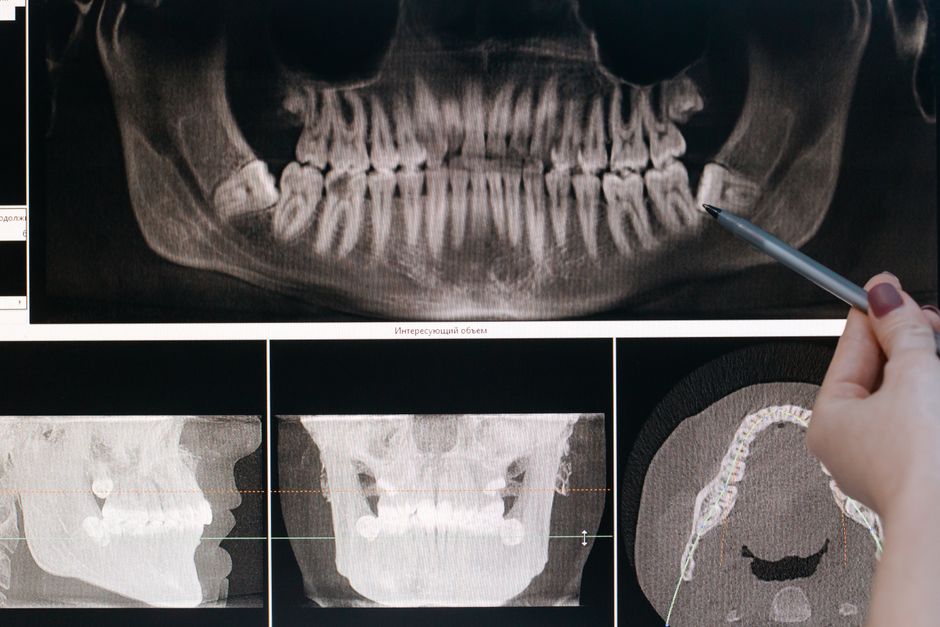
Getting your wisdom teeth pulled ranks among the most common oral surgeries performed in the United States, and it’s also one of the few times many people encounter a prescription opioid for the first time. If your dentist or oral surgeon handed you a prescription for oxycodone after wisdom tooth extraction, you probably have questions about how long you’ll need it, how to take it safely, and what normal recovery actually feels like. This guide walks through everything from the first dose to the moment you no longer need pain medication at all.
You’ll learn why oxycodone is sometimes prescribed instead of over-the-counter options, how to manage side effects like nausea and constipation, what a realistic pain timeline looks like, and the warning signs that mean something beyond normal healing is going on. We’ll also cover safety basics like storage, disposal, and interactions, since opioid safety matters just as much after a routine dental procedure as it does after major surgery.
Why Oxycodone Is Sometimes Prescribed After Wisdom Tooth Extraction
Wisdom tooth removal, especially when the teeth are impacted or need to be surgically sectioned, can cause significant tissue trauma to the jawbone and surrounding gum. Swelling, bruising, and aching pain typically peak within the first 48 to 72 hours. For straightforward extractions, over-the-counter medications like ibuprofen and acetaminophen usually handle the pain just fine. However, when the extraction is complex, involves bone removal, or a patient has a lower pain tolerance, dentists and oral surgeons may prescribe a short course of oxycodone to bridge the toughest first few days.
Oxycodone is a semi-synthetic opioid that works on receptors in the brain and spinal cord to change how the body perceives pain signals. It’s stronger than NSAIDs and is generally reserved for moderate to severe pain that doesn’t respond adequately to non-opioid options. According to the Mayo Clinic, opioids like oxycodone are effective for short-term acute pain but carry risks of dependence and side effects that make them appropriate only for limited use after procedures like this.
Not Every Patient Needs an Opioid
Research over the past decade has shifted dental pain management significantly. Many oral surgeons now default to a combination of ibuprofen and acetaminophen, taken on a schedule, because studies show this combo can match or even outperform opioids for dental pain in many patients. Oxycodone tends to be reserved as a backup, prescribed in small quantities (often just 5 to 12 pills) for patients who have multiple teeth extracted, deeply impacted molars, or additional bone work done during surgery.
What to Expect in the First 24 to 72 Hours
The first three days after wisdom tooth extraction are almost always the hardest. Swelling builds, the numbness from anesthesia wears off, and the extraction sites are freshly healing. If you were prescribed oxycodone, this is typically the window where you’ll use it most.
- Day 0 (surgery day): Pain may be minimal at first due to local anesthetic, but as it wears off within a few hours, discomfort ramps up quickly. Many surgeons recommend taking your first dose of pain medication before the numbness fully fades.
- Day 1-2: Swelling and throbbing pain typically peak. This is when oxycodone, alternated or combined with ibuprofen as directed, tends to be most helpful.
- Day 3: Pain generally starts to plateau or slightly improve, though swelling may still look worse before it gets better.
Most patients find they can taper off oxycodone by day 3 or 4, shifting entirely to ibuprofen and acetaminophen as the dominant pain relievers. If you’re still needing opioid-level relief after five days, it’s worth calling your oral surgeon, since that can be a sign of infection, dry socket, or another complication rather than normal healing.
Typical Oxycodone Dosing After Wisdom Teeth Removal
Dosing varies by patient, procedure complexity, and prescriber preference, but a few patterns are common. Oxycodone for dental pain is usually prescribed at 5 mg tablets, taken every 4 to 6 hours as needed for pain, rather than on a strict schedule. Some prescriptions combine oxycodone with acetaminophen (sold as Percocet or its generic equivalents), in which case you must be careful not to exceed the maximum daily acetaminophen dose from other sources like Tylenol.
A few important dosing principles to keep in mind:
- Take the lowest effective dose. If half a tablet controls your pain, there’s no benefit to taking a full one.
- Don’t take oxycodone on an empty stomach if you’re prone to nausea, a small snack beforehand can help.
- Space doses out as directed. Taking oxycodone too close together increases side effect risk without necessarily improving pain relief.
- Never combine oxycodone with alcohol, sedatives, or sleep aids unless explicitly cleared by your prescriber, since this combination can dangerously suppress breathing.
If you’re unsure how your prescription compares to what’s typical for other procedures, it can help to see how dosing and timelines look for other surgeries, such as this overview of oxycodone after hernia repair, which follows a similar short-course logic even though the surgery itself is very different.
Managing Common Side Effects
Oxycodone is effective, but it comes with a predictable set of side effects that catch many first-time users off guard, especially younger patients getting their wisdom teeth out as teenagers or in their early twenties.
Nausea and Vomiting
Opioids slow digestion and can trigger nausea, particularly when combined with the after-effects of general anesthesia or IV sedation used during the extraction. Taking oxycodone with a small amount of food, staying upright for 20 to 30 minutes after dosing, and sipping ginger tea or flat ginger ale can help settle the stomach.
Constipation
Even a short course of oxycodone can slow down the digestive tract enough to cause constipation. Since dental surgery already limits you to soft foods, low fiber intake compounds the problem. Drinking plenty of water, eating soft high-fiber foods like mashed prunes, oatmeal, or pureed fruit, and staying as mobile as swelling allows can reduce this side effect.
Drowsiness and Dizziness
Oxycodone commonly causes sedation, especially in the first day or two. Avoid driving, operating machinery, or making important decisions while taking it. If you feel unusually dizzy or lightheaded when standing, sit back down and rise slowly next time.
Itching or Mild Rash
Opioids can trigger histamine release, causing mild itching around the nose, face, or torso. This usually isn’t a true allergy, but if you develop hives, swelling of the face or throat, or difficulty breathing, treat it as an emergency and seek care immediately.
Oxycodone Combined With Ibuprofen: The Modern Approach
One of the most effective strategies oral surgeons now recommend is alternating or combining ibuprofen with oxycodone rather than relying on the opioid alone. Ibuprofen directly targets inflammation at the extraction site, which is a major driver of dental pain, while oxycodone works centrally on pain perception. Used together thoughtfully, patients often need far fewer opioid doses overall.
A common approach looks like this:
- Take ibuprofen (400-600 mg) on a consistent schedule, roughly every 6 hours, as your surgeon directs.
- Add oxycodone only when pain breaks through the ibuprofen, rather than automatically with every dose.
- Track how many opioid doses you actually need each day. If it’s dropping, that’s a good sign you can start weaning off entirely.
The American Dental Association and multiple academic dental centers have published guidance supporting this NSAID-first strategy because it reduces total opioid exposure while maintaining comparable pain control for most patients.
How Long Does Wisdom Tooth Pain Actually Last?
Understanding the natural healing timeline helps set realistic expectations for how long you’ll actually need oxycodone.
Simple Extractions
If your wisdom teeth were fully erupted and easy to remove, significant pain often resolves within 3 to 4 days, with only mild soreness lingering for about a week. Many patients in this category never fill an opioid prescription at all, or use just one or two doses.
Impacted or Surgically Removed Teeth
When wisdom teeth are impacted below the gumline or require sectioning and bone removal, swelling and discomfort can last 5 to 7 days, with residual tenderness for up to two weeks. This is the group most likely to need oxycodone for the first several days.
All Four Wisdom Teeth at Once
Having all four extracted in a single visit, which is common practice, increases overall trauma and inflammation compared to removing just one or two teeth. Recovery timelines tend to run on the longer end of the ranges above.
If pain seems to be getting worse rather than better after day 3 or 4, or if it flares up again after initially improving, don’t just push through it with more medication. That pattern often signals dry socket or infection rather than normal healing, and it’s worth a call to your dentist’s office.
Warning Signs: When Pain Means Something Is Wrong
Normal post-extraction pain follows a predictable arc: worst in the first 48 to 72 hours, then gradually improving. Certain symptoms fall outside that pattern and deserve prompt attention.
- Dry socket: Intense, throbbing pain that starts 2 to 4 days after extraction, often radiating to the ear or jaw, sometimes with a visible empty-looking socket and bad breath or taste. This is one of the most common reasons pain suddenly worsens instead of improving.
- Infection: Fever, increasing swelling after day 3, pus or foul discharge, or pain that keeps intensifying rather than plateauing.
- Excessive bleeding: Bleeding that won’t slow down with gentle pressure and gauze after the first 24 hours.
- Numbness that persists: Lingering numbness in the lip, chin, or tongue beyond the expected anesthesia window can indicate nerve involvement and should be reported.
Oxycodone can mask escalating pain to some degree, which is part of why it’s important not to simply keep increasing your dose if pain feels unusually severe. Trusted resources like Healthline outline dry socket symptoms in detail if you want to compare what you’re experiencing against a known checklist.
Tapering Off Oxycodone Safely
Because wisdom tooth prescriptions are short (usually a handful of days at most), true physical dependence is uncommon. Still, some patients notice their pain returning or feeling more noticeable once they stop the opioid, which can be unsettling if you’re not expecting it.
Tapering for a course this short is usually simple:
- Start stretching out the time between doses as pain allows, rather than stopping abruptly if you’ve taken it for several days in a row.
- Lean more heavily on ibuprofen and acetaminophen as oxycodone use decreases.
- Expect mild rebound discomfort for a day or two as your body readjusts, this is normal and different from a true complication.
If you’re curious about the difference between expected discomfort after stopping and pain that signals a real problem, this breakdown of what happens when pain returns after stopping oxycodone applies directly to short dental courses as well as longer post-surgical ones.
Does Oxycodone Slow Down Healing?
A question many patients don’t think to ask until they’re already recovering is whether the medication itself might interfere with how quickly the extraction sites heal. Opioids don’t directly damage tissue the way, say, chronic smoking or poor oral hygiene can, but they can indirectly affect recovery.
Because oxycodone causes constipation, some patients reduce food and fluid intake to compensate, which can slow overall recovery if it leads to inadequate nutrition. Sedation can also make people less likely to follow aftercare instructions carefully, like rinsing appropriately or avoiding straws (which can dislodge a healing blood clot and trigger dry socket). For a deeper look at how opioids interact with the body’s healing processes generally, this article on whether oxycodone affects healing after surgery covers the mechanisms in more detail.
Safety Basics Every Patient Should Follow
Even a short opioid prescription deserves careful handling, particularly since wisdom tooth extractions often happen in teenagers and young adults living in households with siblings or roommates.
Storage
Keep oxycodone in its original labeled container, out of reach of children and pets, and ideally in a locked cabinet or lockbox if there are teens or curious guests in the house. Don’t leave loose pills sitting on a bathroom counter or nightstand.
Avoid Alcohol and Sedatives
Combining oxycodone with alcohol, benzodiazepines, sleep medications, or muscle relaxants significantly increases the risk of dangerous respiratory depression. This holds true even for a short dental course.
Don’t Drive While Taking It
Oxycodone impairs reaction time and judgment similarly to alcohol in many people, especially in the first day or two of use. Arrange for someone else to drive you home from the extraction appointment and avoid driving for as long as you’re taking the medication regularly.
Dispose of Leftover Pills Properly
Because wisdom tooth prescriptions are often larger than what patients actually use, leftover pills are common and represent a real risk for misuse or accidental ingestion by others. Many pharmacies and some police stations offer drug take-back programs, and the FDA recommends flushing certain opioids if no take-back option is available. Don’t just toss them in the household trash or keep them in a kitchen drawer “just in case.” If a take-back program isn’t nearby, sealing pills in a bag with used coffee grounds or cat litter before throwing them away, and removing personal information from the bottle, adds an extra layer of protection.
How Oxycodone Is Typically Prescribed for Wisdom Tooth Removal
Unlike major surgeries such as joint replacements or abdominal procedures, wisdom tooth extraction is usually an outpatient procedure lasting well under an hour. Because of this, oxycodone prescriptions written after this kind of dental work tend to be modest in both dose and duration compared to what’s prescribed after something like an ACL surgery or a hysterectomy.
Most oral surgeons and dentists prescribe a low dose, often 5 mg tablets, to be taken every 4 to 6 hours as needed for pain that isn’t controlled by over-the-counter medication. The total quantity is frequently limited to somewhere between 8 and 15 tablets, enough to cover the first two to four days when discomfort is at its peak. It’s increasingly common for oral surgeons to write prescriptions for just a handful of pills, reflecting broader efforts across dentistry to reduce unnecessary opioid exposure.
In many cases, oxycodone isn’t even the first line of defense. A growing number of oral surgeons now recommend alternating ibuprofen and acetaminophen as the primary approach, reserving oxycodone strictly for breakthrough pain that doesn’t respond to that combination. Research published by the American Dental Association has found that this over-the-counter combination can be just as effective, and sometimes more effective, than opioid medications for typical dental pain.
A Day-by-Day Look at Recovery
Every mouth heals a little differently, but there’s a fairly predictable arc to swelling, pain, and medication needs after wisdom tooth removal. Knowing what’s typical can help you gauge whether your recovery is on track or whether something needs attention.
Day 1: Surgery Day
The first few hours after extraction are usually numb from local anesthesia, so pain may not become noticeable until that wears off in the evening. This is typically when the first dose of oxycodone is taken, often alongside instructions to keep gauze in place, avoid rinsing vigorously, and stick to cool, soft foods like yogurt or applesauce. Swelling usually hasn’t peaked yet on day one.
Days 2 to 3: Peak Discomfort
Swelling, jaw stiffness, and soreness typically reach their highest point around 48 to 72 hours after surgery. This is usually when patients rely most heavily on their prescribed pain medication, whether that’s oxycodone or an over-the-counter combination. Ice packs applied in 20-minute intervals during the first 24 to 48 hours can meaningfully reduce swelling and, in turn, reduce how much medication is needed.
Days 4 to 5: Gradual Improvement
Most patients notice a clear turning point around day four or five, with swelling beginning to subside and pain becoming more manageable with over-the-counter options alone. This is often when oxycodone use naturally tapers off for people who had straightforward extractions.
Days 6 to 10: Residual Soreness
Lingering tenderness, especially with impacted teeth or bony extractions, can persist for a week or more. However, by this point most people have stopped needing prescription opioids entirely and are managing any remaining discomfort with ibuprofen or acetaminophen as needed.
If you find that pain seems to be getting worse rather than better after the first few days, or that oxycodone is wearing off faster than expected, it’s worth reading up on why pain medication may not last as long as expected, since this can sometimes signal a developing infection or dry socket rather than simply needing a stronger dose.
Managing Common Side Effects
Even a short course of oxycodone can bring on side effects that catch patients off guard, particularly because dental patients are often otherwise healthy and not expecting to feel unwell from medication.
Nausea
Oxycodone can cause nausea, especially when taken on an empty stomach. Taking it with a small amount of food, such as crackers, mashed potatoes, or a smoothie, can help settle the stomach without irritating the extraction sites.
Constipation
Opioids slow down digestion, and even a few days of use can lead to constipation. Staying hydrated, eating fiber-rich soft foods like oatmeal or pureed fruit, and gentle movement around the house can help keep things moving.
Drowsiness and Dizziness
Feeling unusually sleepy or lightheaded is common, particularly in the first day or two. It’s wise to avoid climbing stairs alone, operating machinery, or making important decisions while feeling foggy from the medication.
Itching or Mild Rash
Some people experience mild itching from oxycodone, which is usually a histamine response rather than a true allergy. It’s typically manageable and resolves once the medication is stopped, but a spreading rash, hives, or swelling of the face and throat should be treated as a medical emergency.
When Oxycodone May Not Be the Best Fit
Not everyone needs opioid pain relief after wisdom tooth removal, and for some patients, oxycodone may not be the right choice at all. People with a personal or family history of substance use disorder, those with certain respiratory conditions like severe sleep apnea, and patients taking other sedating medications may be steered toward non-opioid alternatives by their oral surgeon.
Because many wisdom tooth patients are teenagers, parents and guardians often play a significant role in these conversations. If your child is prescribed oxycodone, it’s worth reviewing guidance on how to safely manage a loved one’s opioid medication, including how to supervise dosing and store pills securely during the short recovery window.
Tapering Off and Transitioning to Over-the-Counter Pain Relief
Because wisdom tooth prescriptions are so short, there’s usually no formal tapering schedule required the way there might be after weeks of opioid use for a major surgery. Most patients simply stop taking oxycodone once ibuprofen or acetaminophen becomes sufficient, often within the first three to five days.
That said, some patients worry that stopping oxycodone will cause pain to spike back up. In most straightforward wisdom tooth cases, this isn’t what happens, since the underlying tissue healing is what actually drives pain relief, not the medication itself. If you’re curious about this transition in more detail, the article on whether pain can return after stopping oxycodone walks through what’s typical and what might warrant a call to your provider.
Red Flags That Warrant a Call to Your Oral Surgeon
While most recoveries go smoothly, certain symptoms should prompt a call to your dentist or oral surgeon rather than simply taking another dose of oxycodone.
- Pain that worsens significantly after day three or four instead of improving
- A foul taste or odor coming from the extraction site, which can indicate infection or dry socket
- Fever above 101°F
- Swelling that continues to increase after 72 hours rather than subsiding
- Difficulty swallowing or breathing
- Numbness in the lip, chin, or tongue that doesn’t resolve as expected
- Bleeding that won’t stop with gentle pressure
Dry socket, in particular, is a common reason pain spikes around day three or four instead of easing off as expected. It occurs when the blood clot protecting the extraction site is dislodged or dissolves too early, exposing bone and nerve endings. It’s uncomfortable but treatable, and it’s one of the most common reasons patients end up needing more pain medication than originally anticipated.
Non-Opioid Strategies That Can Reduce How Much Oxycodone You Need
Because most people only need oxycodone for a very short window, small comfort measures can make a real difference in how quickly you’re able to stop relying on it.
Ice and Cold Compresses
Applying ice to the jaw in 20-minute increments during the first 48 hours helps control swelling, which is one of the biggest drivers of post-extraction pain.
Head Elevation
Sleeping with your head propped up on extra pillows for the first few nights can reduce throbbing and swelling compared to lying flat.
Soft, Cool Foods
Smoothies, yogurt, mashed potatoes, and lukewarm soups are easier on healing gum tissue than hot or crunchy foods, and they reduce the chance of irritating the extraction site.
Salt Water Rinses
Starting 24 hours after surgery, gentle warm salt water rinses (avoiding vigorous swishing) can help keep the area clean and may reduce the risk of infection, which in turn reduces prolonged pain.
Sticking to a Scheduled Ibuprofen and Acetaminophen Routine
Rather than waiting for pain to become severe, taking ibuprofen and acetaminophen on a staggered schedule during the first two days, as recommended by your oral surgeon, can prevent pain from escalating to the point where oxycodone feels necessary at all.
Frequently Asked Questions
How long does oxycodone last after wisdom tooth extraction?
Most patients only need oxycodone for the first two to four days after surgery, when swelling and discomfort are at their peak. By day five or six, the majority of people have transitioned to over-the-counter pain relievers.
Is it normal to still be in pain after finishing my prescription?
Mild, lingering soreness for a week or more is common, especially with impacted teeth. However, pain that worsens instead of gradually improving, or that returns strongly after finishing your oxycodone, could indicate dry socket or infection and should be evaluated by your oral surgeon.
Can I drink alcohol a few days after my last oxycodone dose?
It’s best to wait until the medication has fully cleared your system, generally at least 24 hours after your last dose, and to also confirm that alcohol won’t interfere with any other medications, like antibiotics, you may still be taking.
Why did my dentist prescribe such a small number of pills?
Smaller prescriptions have become standard practice in dentistry as providers try to limit unnecessary opioid exposure while still covering the short window when pain tends to be most intense. If you find the amount insufficient, contact your oral surgeon’s office rather than taking more than prescribed.
Is it safe to take oxycodone and ibuprofen together?
Yes, in many cases oral surgeons specifically recommend alternating or combining acetaminophen and ibuprofen with oxycodone, since they work through different mechanisms. Always follow your provider’s specific instructions on timing and dosing, and mention any other medications or supplements you’re taking.
Final Thoughts
Recovering from wisdom tooth extraction is usually a short, manageable process, and for most people, oxycodone plays only a brief supporting role, bridging the gap during the first few days when swelling and discomfort are at their worst. Understanding what to expect, from typical dosing and timelines to warning signs like dry socket, can make the experience feel far less unpredictable. Pairing your prescribed medication with simple comfort measures like ice, head elevation, and a steady over-the-counter pain relief schedule often allows patients to stop needing oxycodone well before their prescription runs out. As always, if anything about your recovery feels off, whether that’s pain that’s escalating instead of easing, unusual side effects, or questions about safely storing or disposing of leftover medication, your oral surgeon’s office is the right first call.