
Health Tips
Oxycodone After Dental Implant Surgery: What to Expect During Recovery

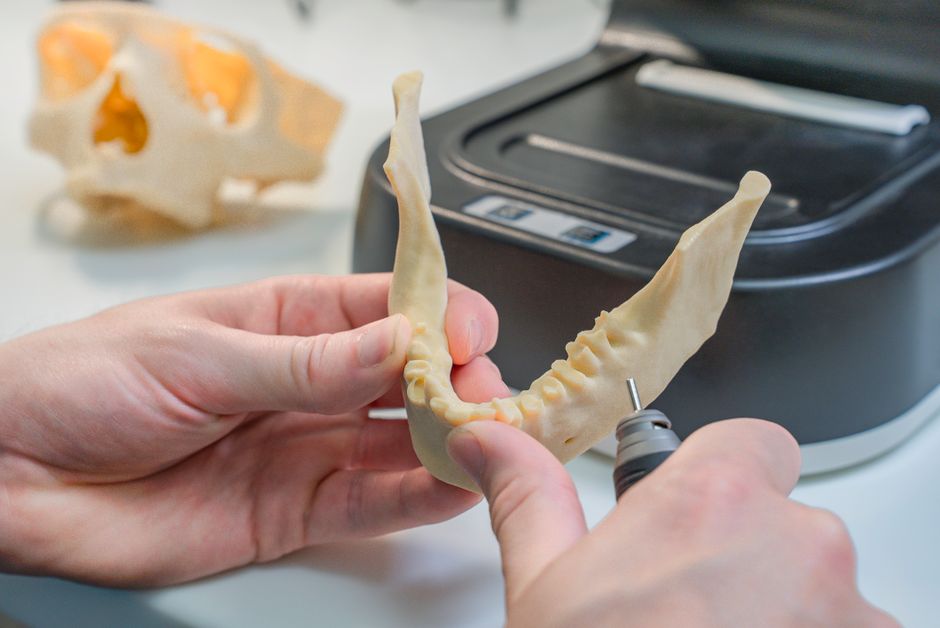
Getting a dental implant is a bigger deal than most people expect. It involves cutting into gum tissue, sometimes drilling into bone, and occasionally grafting bone material to build a stable base for the implant post. So it’s no surprise that many patients leave the oral surgeon’s office with a prescription for oxycodone after dental implant surgery tucked in their bag, along with instructions they may only half remember through the fog of anesthesia.
This article breaks down what oxycodone actually does for implant pain, how long you’ll likely need it, how it compares with other options, and what side effects and safety issues to watch for. Whether you just had a single implant placed or a full-mouth reconstruction with bone grafting, understanding your pain medication is a key part of a smooth recovery.
Why Dental Implant Surgery Can Be Painful
Dental implant placement is a surgical procedure, not a simple filling or cleaning. The oral surgeon or periodontist numbs the area with local anesthesia, then makes an incision in the gum, drills a precise channel into the jawbone, and inserts a titanium post. In some cases, this happens alongside tooth extraction, sinus lifts, or bone grafting, all of which add to tissue trauma.
Once the numbing wears off, patients typically notice:
- Throbbing or aching pain at the implant site
- Swelling of the gums, cheek, or jaw
- Tenderness when chewing or opening the mouth
- Mild bruising in some cases, especially with bone grafts
Pain tends to peak in the first 24 to 72 hours after surgery, then gradually improves. However, more invasive procedures, such as multiple implants placed at once or grafting with your own bone, often come with a longer and more intense recovery window.
How Oxycodone Helps After Dental Implant Surgery
Oxycodone is an opioid pain reliever that works on the central nervous system to reduce how the brain perceives pain signals. For dental implant patients, it’s usually reserved for the first few days after surgery, when discomfort is at its worst and over-the-counter medications alone may not be enough.
Many oral surgeons now follow a multi-modal pain management approach, meaning they combine oxycodone with other medications, such as ibuprofen or acetaminophen, to control pain more effectively while using the lowest possible opioid dose. This approach helps reduce inflammation at the surgical site while oxycodone addresses the more intense breakthrough pain, particularly during the first two to three days.
For most patients, oxycodone is not meant to be a long-term solution. It’s a short-term bridge that helps you eat, sleep, and function while the surgical site begins to heal. Once the sharpest pain fades, usually within a few days, most people transition to over-the-counter options like acetaminophen or ibuprofen.
What a Typical Oxycodone Prescription Looks Like
Dental implant pain management prescriptions tend to be conservative compared to those for larger surgeries like joint replacements or spinal procedures. A common approach includes:
- A low dose of oxycodone (often 5 mg) prescribed every 4 to 6 hours as needed for pain
- A limited supply, frequently just enough for 3 to 5 days
- Instructions to alternate or combine with ibuprofen and acetaminophen for better pain control
- A recommendation to take the first dose before numbness completely wears off, so pain doesn’t get ahead of the medication
Your surgeon may also prescribe an antibiotic to prevent infection, especially if bone grafting was involved. It’s important to take all medications as directed and not to skip doses of anti-inflammatories, since they play a major role in reducing swelling and discomfort around the implant site.
Because dental procedures generally involve less tissue trauma than major orthopedic or abdominal surgeries, the oxycodone course is typically much shorter. Compare this to recovery timelines discussed in oxycodone after wisdom tooth extraction, where similar short-term dosing patterns are common for oral surgery.
What to Expect Day by Day
Recovery timelines vary depending on how many implants were placed and whether grafting was needed, but a general pattern often looks like this:
Day 1 (Surgery Day)
Numbness wears off within a few hours. This is when many patients take their first dose of oxycodone, often before pain becomes severe. Swelling may just be starting. Ice packs applied to the outside of the face help minimize inflammation.
Days 2 to 3
This is usually the peak of discomfort and swelling. Oxycodone use is typically at its highest during this window, paired consistently with ibuprofen or acetaminophen. Eating soft foods, staying hydrated, and resting with your head elevated can make a noticeable difference in comfort.
Days 4 to 5
Pain generally starts to taper off. Many patients find they need oxycodone less frequently, sometimes only at night, and begin relying more heavily on over-the-counter pain relievers.
Day 6 and Beyond
Most patients no longer need opioid pain relief by this point. Lingering soreness or tenderness at the implant site is normal and usually managed well with ibuprofen alone. If pain is still intense at this stage, it’s worth contacting your oral surgeon, since this can sometimes signal an infection or a complication like implant failure.
Managing Side Effects
Oxycodone, even at low doses and for short durations, can cause side effects. Being aware of them ahead of time can make the first few days easier to navigate.
- Nausea: Taking oxycodone with a small amount of food (as long as it’s soft and doesn’t require chewing near the surgical site) can help settle the stomach.
- Constipation: Opioids slow down digestion. Staying hydrated, moving around gently, and eating fiber-rich soft foods like smoothies or oatmeal can help.
- Drowsiness: Avoid driving, operating machinery, or making important decisions while taking oxycodone, especially in the first day or two.
- Dizziness: Standing up slowly and avoiding alcohol can reduce the risk of feeling lightheaded.
If you experience severe itching, difficulty breathing, or swelling of the face and throat beyond what’s expected from surgery, seek medical attention right away, as these could indicate an allergic reaction.
Tips for a Smoother Recovery
Pain control after dental implant surgery is about more than just medication. A few habits can significantly improve comfort and healing speed:
- Stick to soft foods: Think mashed potatoes, yogurt, scrambled eggs, and smoothies. Avoid anything crunchy, spicy, or requiring significant chewing near the implant site for at least a week.
- Use ice strategically: Applying ice to the outside of the face for the first 48 hours helps control swelling, which in turn reduces pain.
- Keep your head elevated: Sleeping with an extra pillow can minimize swelling and throbbing overnight.
- Avoid straws and smoking: Suction can dislodge healing tissue or blood clots, potentially leading to complications.
- Practice gentle oral hygiene: Rinse gently with warm salt water as directed by your surgeon, and avoid vigorous brushing near the surgical site.
- Stay ahead of the pain: Taking medication on a schedule during the first 48 hours, rather than waiting until pain becomes severe, often leads to better overall comfort with less medication needed over time.
When to Call Your Oral Surgeon
While some discomfort is expected, certain symptoms warrant a call to your surgeon’s office rather than simply pushing through with more pain medication:
- Pain that worsens significantly after day 3 or 4 instead of improving
- Fever over 101°F
- Pus or foul-tasting drainage from the implant site
- Numbness that doesn’t resolve within a day or two after surgery
- Excessive bleeding that doesn’t stop with gentle pressure
- Visible movement of the implant or a feeling that it’s loose
These symptoms can indicate infection, nerve involvement, or implant failure, all of which need prompt evaluation rather than simply managing symptoms with stronger or more frequent doses of oxycodone.
Transitioning Off Oxycodone
Because dental implant prescriptions are typically short, most patients don’t experience the kind of tapering concerns that come with longer opioid courses after major surgery. Still, it’s worth understanding how to wind down safely.
As pain decreases, try spacing out doses further before eliminating them altogether. Many patients naturally shift to ibuprofen or acetaminophen alone by the fourth or fifth day. If you find yourself still needing oxycodone regularly beyond the prescribed course, or if you’re worried about how your body responds when you stop, it may help to read more about what to expect when pain returns after stopping oxycodone, which covers the difference between normal residual soreness and pain that signals a problem.
It’s also worth noting that oxycodone, like other opioids, can influence the body’s healing processes in subtle ways when used for extended periods. Although this is less of a concern with the short courses typically prescribed after dental implants, understanding the broader relationship between opioids and healing can still be useful context. For a deeper look at this topic, see how oxycodone can affect healing after surgery.
Safe Storage and Disposal
Because dental implant procedures usually involve a small, limited supply of oxycodone, proper storage and disposal still matter. Leftover pills are one of the most common sources of opioid misuse among family members, particularly teenagers.
- Store the medication in its original, labeled container, out of reach of children and visitors
- Never share your prescription with anyone else, even if they’ve had a similar procedure
- Dispose of unused pills promptly through a pharmacy take-back program or an at-home disposal kit
- Avoid keeping leftover oxycodone “just in case” for future dental or medical procedures
If your pharmacy doesn’t offer a take-back option, the U.S. Food and Drug Administration and organizations like Partnership to End Addiction provide guidance on how to dispose of medications safely at home, including mixing pills with an unpalatable substance like coffee grounds or kitty litter before sealing them in a bag for the trash. This simple step reduces the risk of accidental ingestion or misuse long after your recovery is complete.
What Makes Dental Implant Pain Different From Other Oral Surgery Pain
Patients sometimes assume that all oral surgeries feel roughly the same, but dental implant placement has a few distinct characteristics that shape how pain develops and resolves. Unlike a simple extraction, implant surgery involves creating a small osteotomy, a precisely drilled space in the jawbone where the titanium post is placed. This means the discomfort isn’t just about soft tissue trauma, it also involves bone, which tends to produce a deeper, more persistent ache rather than the sharp, surface-level pain associated with cuts or stitches.
Bone pain typically peaks later than soft tissue pain and can linger a bit longer, even if it’s milder in intensity. This is one reason some patients feel fine on day one, when local anesthetic and initial swelling numbness are still providing some relief, but notice more discomfort on day two or three as inflammation in the bone and surrounding tissue increases. Knowing this pattern in advance can prevent unnecessary worry and help you plan your oxycodone use more effectively during the first few days.
If your implant procedure also involved bone grafting, tissue regeneration, or the placement of multiple implants in one visit, your recovery timeline and pain intensity may resemble a more involved procedure. In these cases, your dentist or oral surgeon may prescribe oxycodone for a slightly longer window, though still typically no more than five to seven days.
Signs Your Recovery Is on Track
While every patient heals at a different pace, there are general markers that suggest your recovery is progressing normally:
- Swelling peaks around day two or three and then gradually decreases
- Pain steadily lessens each day rather than staying the same or worsening
- You’re able to reduce or stop oxycodone within the first few days, relying more on over-the-counter pain relievers
- There’s no fever, foul taste, or pus at the implant site
- You’re able to eat soft foods without significant discomfort by day four or five
These signs don’t mean you’re free of all discomfort, but they indicate that your body is healing as expected. If you notice the opposite pattern, such as pain that intensifies after day three or four, this is worth mentioning to your oral surgeon sooner rather than later.
When to Call Your Dentist or Oral Surgeon
Most dental implant recoveries proceed without complications, but it’s important to know which symptoms warrant a call to your provider. Contact your dentist or oral surgeon if you experience:
- Pain that worsens significantly after the third or fourth day instead of improving
- Swelling that continues to grow rather than plateau and shrink
- A fever over 101°F
- Persistent numbness in the lip, chin, or tongue beyond what was expected
- Signs of infection, such as pus, a bad odor, or an unusual taste at the implant site
- Bleeding that doesn’t stop with gentle pressure and gauze
- Nausea or vomiting that prevents you from keeping food, fluids, or medication down
- Any sign that the implant feels loose or has shifted
These symptoms don’t necessarily mean something has gone seriously wrong, but they do require evaluation. Catching a complication early, whether it’s an infection, a dry socket-like reaction, or an issue with the implant site itself, usually makes treatment easier and helps protect the long-term success of the implant.
Tips for a Smoother Recovery While Taking Oxycodone
Beyond simply taking your medication as prescribed, a few practical habits can make the days following dental implant surgery more comfortable and help you transition off oxycodone more quickly:
- Stick to soft, cool foods early on. Mashed potatoes, yogurt, smoothies, and scrambled eggs are gentle on the surgical site and won’t require much chewing.
- Avoid using a straw. Suction can disrupt healing tissue near the implant site, particularly in the first few days.
- Keep your head elevated. Sleeping with an extra pillow can reduce swelling and throbbing overnight.
- Use ice packs strategically. Applying cold packs to the outside of your face for the first 24 to 48 hours can meaningfully reduce swelling and pain, potentially reducing how much oxycodone you need.
- Stay hydrated. Oxycodone can contribute to constipation and dehydration can make this worse, so drinking water consistently throughout the day helps on multiple fronts.
- Don’t skip meals, even small ones. Taking oxycodone on an empty stomach can increase nausea, so pairing doses with a small snack often helps.
- Avoid alcohol and tobacco. Both can interfere with healing and interact poorly with oxycodone, and smoking in particular has been linked to higher rates of implant failure.
Combining these habits with your prescribed medication schedule often means you need less oxycodone overall, and many patients find they can transition to over-the-counter alternatives faster than they initially expected.
Frequently Asked Questions
How many oxycodone pills are typically prescribed after dental implant surgery?
Most patients receive a limited supply, often somewhere between 10 and 20 tablets of a low dose formulation. Many people use only a handful of these before switching to over-the-counter pain relievers, since dental implant pain is often manageable within a few days for single-implant cases.
Can I take ibuprofen and oxycodone together after implant surgery?
Yes, in most cases dentists recommend alternating or combining ibuprofen with oxycodone, since ibuprofen addresses inflammation while oxycodone manages more intense pain. Always confirm the specific combination and dosing schedule with your provider, especially if you have any conditions affecting your kidneys or stomach.
Is it normal to still need oxycodone five days after surgery?
For a single implant without grafting, needing oxycodone beyond day four or five is less common, though not impossible. If pain remains significant at this point, it’s worth checking in with your oral surgeon to rule out infection or other complications rather than assuming it’s simply a slow recovery.
Will oxycodone affect how well my implant heals or integrates with the bone?
Short courses of oxycodone used for a few days are unlikely to meaningfully affect osseointegration, the process by which the implant fuses with the jawbone. However, other factors like smoking, uncontrolled diabetes, and poor oral hygiene have a much larger impact on implant success than a brief period of opioid use.
What should I do with leftover oxycodone after my mouth heals?
Don’t keep it. Use a pharmacy take-back program or an at-home disposal method as soon as you’re confident you no longer need it. Holding onto leftover pills, even a small number, increases the risk of misuse by someone else in your household.
Final Thoughts
Recovering from dental implant surgery is usually a short, manageable process, and for most patients, oxycodone plays a limited but useful role in getting through the first few uncomfortable days. Understanding what to expect, from the initial peak in swelling and soreness to the gradual tapering of pain, can make the experience feel far less intimidating. Used carefully, alongside ice, rest, and a temporary shift to soft foods, oxycodone can help you stay ahead of pain without lingering on the medication longer than necessary.
As with any opioid prescription, the safest approach is to take the lowest effective dose for the shortest amount of time, stay in close contact with your dental provider about your symptoms, and dispose of any unused medication promptly. With the right expectations and a bit of preparation, most patients find that dental implant recovery, while uncomfortable at times, is a brief chapter on the way to a fully healed, functional new smile.