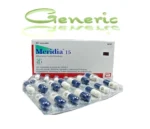


Generic Modafinil 100 mg
Price range: $249.99 through $449.99
| Variation | Price | Quantity | Add To Cart |
|---|---|---|---|
| 90 pills | $249.99 |
|
Add to cart |
| 240 pills | $449.99 |
|
Add to cart |
| 180 pills | $349.99 |
|
Add to cart |
Modafinil 100 mg: Begin With the Diagnosis, Not the Promise of Productivity
Modafinil 100 mg is a prescription wakefulness-promoting medicine. In the United States, modafinil is approved to improve wakefulness in adults with excessive sleepiness associated with narcolepsy, obstructive sleep apnea (OSA) or shift work disorder (SWD). It is not a substitute for adequate sleep, and it is not FDA-approved for attention-deficit/hyperactivity disorder (ADHD), studying, exam preparation, ordinary fatigue or increasing workplace output.
The 100 mg tablet is an available dosage form, but the correct total dose and timing depend on the diagnosed sleep disorder, response, age, liver function, other medicines and safety history. A patient should not choose 100 mg because it sounds “mild,” split a higher tablet without approval or repeat a dose to extend alertness. Current prescribing information and an individualized prescription should guide use.
This page explains how modafinil fits into sleep-disorder care, why persistent sleepiness can remain despite treatment, which skin and psychiatric reactions require urgent attention, how it can affect hormonal contraception, and how to evaluate an online pharmacy. It does not diagnose a sleep disorder or provide a personal dosing schedule.
Three Approved Uses—and One Important Category Correction
| Condition | Role of modafinil | What it does not replace |
|---|---|---|
| Narcolepsy | Improves wakefulness in adults with excessive sleepiness | A complete narcolepsy plan, scheduled sleep and management of other symptoms |
| Obstructive sleep apnea | Treats residual excessive sleepiness in selected adults | CPAP or another treatment for the underlying airway obstruction |
| Shift work disorder | Improves wakefulness associated with a diagnosed circadian work-schedule disorder | Adequate sleep opportunity and workplace fatigue controls |
| ADHD | Not an FDA-approved indication | Approved ADHD evaluation and treatments |
Because the current URL places this product under an ADHD category, the page must state the distinction prominently. Any adult off-label use for ADHD is a clinician-directed decision after an appropriate evaluation. The product should not be marketed as a standard ADHD medicine or as a simple alternative to approved stimulants and nonstimulants.
What Excessive Sleepiness Means
Excessive sleepiness is more than feeling tired after a late night. A patient may struggle to stay awake during reading, meetings, driving or routine activity despite allowing enough time for sleep. It can result from narcolepsy, untreated OSA, circadian misalignment, sedating medicines, substance use, depression, neurological illness or chronic sleep restriction.
Fatigue and sleepiness overlap but are not identical. Fatigue may feel like low energy without an irresistible tendency to fall asleep. A wakefulness medicine may not correct fatigue caused by anemia, infection, endocrine illness, uncontrolled pain, depression or insufficient sleep. Diagnosis matters because suppressing the signal of sleepiness can delay treatment of the actual cause.
Before prescribing, a clinician may review sleep duration, work schedule, snoring, witnessed breathing pauses, sudden muscle weakness, vivid dream-like experiences, sleep paralysis, medication use and driving incidents. Sleep studies or other tests may be needed.
How Modafinil Works
The precise mechanism responsible for modafinil’s wakefulness effect is not fully established. It influences brain systems involved in wakefulness and has activity related to dopamine transport, but it is chemically and pharmacologically distinct from traditional amphetamine stimulants. “Different” does not mean free from misuse, cardiovascular effects or psychiatric reactions.
Modafinil can increase wakefulness without eliminating the biological need for sleep. A patient may feel more alert while still carrying sleep debt or experiencing impaired judgment from an underlying disorder. Objective driving and workplace safety cannot be inferred from the fact that a tablet was taken.
Response varies. Some patients continue to experience abnormal sleepiness. The prescriber should regularly reassess the degree of sleepiness and advise whether driving or hazardous activity is safe.
Where the 100 mg Strength May Fit
Current U.S. labeling commonly describes a recommended total dose of 200 mg once daily for approved adult indications, with timing based on the condition. It also lists 100 mg tablets as a dosage form. A clinician may use 100 mg as part of an individualized regimen, including when lower exposure is appropriate. Patients with severe hepatic impairment generally require dose reduction, and older adults may need lower doses and closer monitoring.
These labeling facts are not instructions to take two 100 mg tablets or to increase from 100 mg. A prescription may intentionally state 100 mg because of tolerability, interactions, medical history or a titration plan. The patient should follow that exact order.
Do not switch between 100 mg and 200 mg products based on price. A lower per-tablet cost does not justify changing total daily exposure, and tablet splitting should be confirmed for the specific product.
Timing Depends on the Sleep Disorder
For narcolepsy and OSA, labeling generally places the dose in the morning. For shift work disorder, the labeled timing is approximately one hour before the work shift. The exact prescription may differ for an individual, but timing should be purposeful because a late dose can interfere with intended sleep.
Someone working rotating shifts should not continually move the dose without a clinician-approved schedule. Shift work disorder is not simply any night shift; it involves insomnia and/or excessive sleepiness associated with a recurring schedule that overlaps the usual sleep period. Sleep opportunity, light exposure, caffeine and commuting safety also need attention.
Take the medicine exactly as directed, with or without food according to the label and pharmacist instructions. Food may delay the time to peak concentration. Do not take an extra tablet before a long drive, overtime shift or examination.
Modafinil in Obstructive Sleep Apnea: Treat the Airway First
In OSA, the throat repeatedly narrows or closes during sleep, causing oxygen changes and fragmented sleep. Modafinil may be used for excessive sleepiness, but it does not open the airway. If continuous positive airway pressure (CPAP) is prescribed, maximal effort should be made to treat the underlying obstruction before and during modafinil therapy.
A patient should continue CPAP or another airway treatment unless the sleep clinician changes the plan. Report mask discomfort, leaks, dry mouth, pressure intolerance or difficulty using the device; those problems can often be addressed. Taking modafinil while abandoning CPAP can create a sense of alertness while cardiovascular and other consequences of untreated OSA continue.
Follow-up may include review of device-use data, residual sleepiness, sleep duration and other sedating conditions. Persistent symptoms deserve reassessment rather than an automatic dose increase.
Narcolepsy Requires More Than a Wakefulness Tablet
Narcolepsy can involve irresistible sleep episodes and may include cataplexy, sleep paralysis, disrupted nighttime sleep and vivid hallucination-like experiences around sleep. Modafinil primarily addresses excessive sleepiness; it may not treat every symptom.
A comprehensive plan can include regular sleep scheduling, planned naps, education for family or employers, driving restrictions and separate treatment for cataplexy or disturbed nighttime sleep. School or workplace accommodations may be appropriate.
Patients should report sudden loss of muscle tone, injuries, worsening nighttime sleep or sleep attacks despite treatment. Do not hide ongoing episodes because of concern that a prescription will be removed; accurate reporting is essential for safety.
Shift Work Disorder Is Not a License to Eliminate Sleep
Modafinil can improve wakefulness during a diagnosed shift work disorder, but it cannot make chronic sleep deprivation safe. Protect a consistent sleep window, use a dark and quiet room, coordinate light exposure, and plan a safe commute. Workplace controls such as breaks, task rotation and avoiding single-person hazardous work remain important.
Do not extend a shift, add gig work or reduce daytime sleep because the medicine makes it possible to stay awake. The body still requires sleep for judgment, immune function, mood and physical recovery.
If the schedule changes, contact the prescriber before changing dose timing. A tablet taken too close to the intended sleep period can worsen insomnia and create a cycle of sedatives at bedtime and wakefulness medicine at work.
Serious Rash: Stop and Seek Medical Advice Immediately
Serious rash requiring hospitalization and discontinuation has been reported with modafinil. Rare life-threatening skin reactions, including Stevens–Johnson syndrome, toxic epidermal necrolysis and drug reaction with eosinophilia and systemic symptoms (DRESS), have occurred. There are no reliable factors that predict which rash will become serious.
At the first sign of a rash, stop modafinil and contact a clinician immediately unless the prescriber has clearly determined that the rash is unrelated. Emergency care is needed when a rash is accompanied by blistering, peeling, mouth or eye sores, facial swelling, fever, swollen lymph nodes, breathing difficulty or other systemic symptoms.
Do not take an antihistamine and continue the medicine while waiting for the rash to spread. Early medical assessment matters. A previous serious rash or hypersensitivity reaction to modafinil or armodafinil should be disclosed before any prescription is issued.
DRESS and Multi-Organ Hypersensitivity
DRESS may begin with fever and rash and involve the liver, kidneys, heart, blood cells or other organs. Symptoms can include facial swelling, swollen lymph nodes, unusual fatigue, dark urine, yellowing of the eyes or skin, reduced urination, chest symptoms or abnormal laboratory results.
The syndrome can resemble a viral illness early on. Tell emergency or urgent-care clinicians that modafinil was recently started and provide the bottle and medication list. Treatment should not wait for every feature to appear.
Restarting after a suspected serious hypersensitivity reaction can be dangerous. Only a specialist familiar with the event should make future decisions about modafinil or armodafinil.
Angioedema and Anaphylaxis
Swelling of the face, eyes, lips, tongue or throat; trouble swallowing; hoarseness; hives; or breathing difficulty may represent a severe allergic reaction. Stop the medicine and obtain emergency help. Do not drive yourself if breathing or consciousness may deteriorate.
Allergic symptoms should be documented in the medical and pharmacy record. An online reorder system must not override a recorded severe reaction.
Psychiatric Effects That Need Prompt Attention
Anxiety, nervousness and insomnia can occur. Postmarketing reports include mania, delusions, hallucinations, aggression and suicidal thoughts. Risk may be greater in people with a history of psychosis, depression, mania or substance use, but reactions can occur outside those groups.
Tell the prescriber about psychiatric history before starting. Family members should know to report marked agitation, paranoia, reduced need for sleep, reckless behavior, hallucinations, severe depression or suicidal thinking. A patient experiencing an immediate safety risk needs emergency assessment.
Do not respond to anxiety or insomnia by adding benzodiazepines, alcohol or sedating antihistamines. A clinician should decide whether to change timing, reduce or stop modafinil, or treat another condition.
Cardiovascular Assessment
Modafinil can affect heart rate and blood pressure, and cardiovascular adverse reactions have been reported. Tell the clinician about chest pain, fainting, palpitations, high blood pressure, heart-valve disease, previous heart attack or structural heart conditions. Current labeling advises particular caution in patients with certain left ventricular hypertrophy or mitral valve prolapse histories associated with stimulant-type symptoms.
Monitoring of heart rate and blood pressure may be appropriate. Seek urgent care for chest pain, fainting, a sustained racing or irregular heartbeat, or shortness of breath. Do not assume cardiovascular symptoms are ordinary anxiety.
Combining modafinil with high caffeine intake, decongestants, stimulants or energy products can make symptoms harder to interpret. Provide actual quantities to the prescriber.
Persistent Sleepiness and Driving Risk
Modafinil may improve wakefulness but not normalize it. Patients should be frequently reassessed for the degree of sleepiness and, when appropriate, advised to avoid driving or hazardous activity. A person can underestimate impairment, especially after repeated short sleep.
Do not drive if sleep attacks, nodding off, lane drifting, missed exits or memory gaps occur. Pulling over, opening a window or using loud music does not make a dangerously sleepy driver safe. Arrange alternative transport and contact the sleep clinician.
Employers and patients should not treat a prescription as certification for unlimited hours or safety-sensitive duties. The diagnosis, schedule and actual response all matter.
Hormonal Contraception May Become Less Effective
Modafinil can reduce the effectiveness of steroidal contraceptives, including pills, injections, implants, patches, vaginal rings and some hormonal devices depending on their mechanism. Current labeling advises using an alternative or additional contraceptive method during modafinil treatment and for one month after discontinuation.
Ask the prescriber or pharmacist to identify which method is affected and select a suitable alternative. Do not assume that taking the contraceptive at a different time solves the interaction. Emergency contraception choices may also be affected, so seek prompt professional advice after unprotected sex.
Tell every reproductive-health clinician about modafinil. Pregnancy planning should include a review before stopping contraception or the medicine.
Important Drug Interactions
Modafinil can induce CYP3A activity and reduce exposure to some medicines, including steroidal contraceptives and potentially cyclosporine. It can inhibit CYP2C19 and increase exposure to medicines such as phenytoin, diazepam, propranolol, omeprazole and certain antidepressants in susceptible patients. These examples are not a complete interaction list.
Warfarin users may need closer prothrombin-time or INR monitoring when modafinil is started or changed. Patients taking cyclosporine may need concentration monitoring. Interactions can remain relevant after a dose change or discontinuation.
Provide a full list of prescriptions, over-the-counter products, supplements, caffeine, nicotine and recreational substances. Do not change an anticoagulant, transplant medicine, seizure medicine or contraceptive without the responsible clinician.
Alcohol, Cannabis and Other Stimulants
The combination of modafinil and alcohol has not been established as safe, and patients are generally advised to avoid alcohol. Alcohol can worsen sleep quality and judgment even when modafinil reduces the feeling of sleepiness.
Cannabis may impair memory, reaction time and motivation and can complicate psychiatric symptoms. Traditional stimulants, high-dose caffeine, pre-workout products and decongestants may increase anxiety, insomnia, heart rate or blood pressure. “Natural energy” products can contain multiple stimulants that are not obvious from the front label.
Do not use sedatives at the end of the day to counter modafinil without approval. Cycling between stimulating and sedating substances can increase impairment and dependence risk.
Pregnancy and Breastfeeding
Pregnancy data require an individualized risk–benefit discussion. Tell the prescriber if pregnancy is planned, possible or confirmed. Because modafinil may reduce hormonal contraceptive effectiveness, an unplanned exposure can occur if the interaction was not addressed.
Do not stop treatment abruptly or continue automatically without contacting the sleep and obstetric clinicians. The risk of uncontrolled sleepiness—including driving and workplace injury—must be weighed alongside potential fetal risk.
Information about modafinil in human milk and effects on a breastfed infant is limited. The prescriber and pediatric clinician should consider the medicine’s importance, possible infant exposure and feeding options. Watch for unusual sleep, feeding or weight-gain concerns if breastfeeding continues under medical guidance.
Pediatric and Older-Adult Use
Modafinil is not approved for use in children for any medical condition. Serious rash was observed in pediatric clinical development. A website should never use adult 100 mg information to guide a child’s use.
In older adults, elimination may be reduced. Lower doses and close monitoring may be appropriate. Sleepiness in an older person can also be caused by multiple sedating medicines, sleep apnea, neurodegenerative illness or medical disease, so the diagnosis should be revisited.
Severe liver impairment generally requires a lower total dose. Kidney disease and multiple medicines also deserve individualized review even when labeling does not provide a simple adjustment formula.
Common Side Effects
Headache, nausea, nervousness, anxiety, insomnia, dizziness, diarrhea, indigestion, back pain, stuffy nose and reduced appetite have been reported. Some effects may improve; others require a timing or treatment change.
Record when symptoms occur relative to the dose, food, caffeine, work shift and intended sleep. Do not increase the dose because headache or fatigue seems to indicate the medicine is “wearing off.” That may reflect dehydration, insufficient sleep, the underlying disorder or an adverse effect.
Contact the prescriber for persistent side effects, significant weight or appetite change, severe anxiety or insomnia. Seek urgent help for the serious skin, allergic, psychiatric or cardiovascular symptoms described above.
Missed Dose, Late Dose and Overdose
If a dose is missed, contact the pharmacist or follow the written instructions. Taking it late may interfere with the next sleep period. Do not double the next dose or use extra tablets to cover a longer shift.
Overdose can cause insomnia, restlessness, confusion, disorientation, excitement, hallucinations, nausea, diarrhea, changes in blood pressure, or fast or slow heart rate. Mixed overdoses can be more dangerous. Contact emergency services or poison control for an accidental or intentional excessive dose.
Keep the bottle and information about other substances available. Do not induce vomiting unless directed by a medical professional.
Controlled-Substance Status, Misuse and Dependence
Modafinil is a Schedule IV controlled substance in the United States. It can produce psychoactive and euphoric effects and has potential for misuse. A history of stimulant, cocaine or other substance misuse should be discussed honestly before treatment.
Warning signs include using it without the diagnosed indication, escalating the dose, taking it to work longer, obtaining tablets from multiple sources, hiding use or feeling unable to function without it despite adequate sleep. These patterns deserve prompt clinical support, not punishment or concealment.
Do not share or sell tablets. Keep an accurate count, store securely and use a take-back program for medicine that is no longer needed.
A First-Month Monitoring Framework
- Before starting: document diagnosis, sleep opportunity, blood pressure, psychiatric history, contraception and all medicines.
- First days: watch for rash, allergic symptoms, anxiety, insomnia and cardiovascular changes.
- First weeks: assess wakefulness, work or driving incidents, sleep duration and CPAP adherence when relevant.
- After any change: repeat interaction and contraception counseling.
- At follow-up: decide whether benefit is meaningful, adverse effects are acceptable and the original diagnosis remains supported.
Do not wait for a routine visit when rash, facial swelling, hallucinations, suicidal thoughts, chest pain or dangerous sleepiness occurs.
Buying Modafinil 100 mg Online With a Prescription
People comparing modafinil 100 mg price, generic Provigil cost or where to buy modafinil 100 mg online with a prescription should verify both the prescription and pharmacy. A legitimate online pharmacy requires a valid prescription from a licensed clinician, provides a physical address and telephone number, holds the required licenses and makes a licensed pharmacist available.
- Reject “no prescription needed,” “study pills” or guaranteed approval claims.
- Confirm the diagnosis and 100 mg strength on the actual prescription.
- Match the active ingredient, quantity and directions to the dispensing label.
- Ask which manufacturer will be supplied and how tablet changes are verified.
- Check that contraception and drug interactions are reviewed.
- Avoid unusually large quantities or automatic shipments without follow-up.
- Use a pharmacy with a clear process for damaged, delayed or incorrect delivery.
What Determines Generic Modafinil Price?
Price varies with brand versus generic dispensing, manufacturer, quantity, insurance coverage, pharmacy fees and delivery. Compare the total cost for the same prescribed product. A lower price for 200 mg tablets does not authorize splitting or changing the dose, and buying extra for “future busy weeks” is inconsistent with controlled prescribing.
A lawfully approved generic contains modafinil in the prescribed strength, though inactive ingredients and tablet appearance can differ. Ask the pharmacist about substitution and expected imprints. Counterfeit or unapproved products may contain the wrong amount, different ingredients or no modafinil at all.
Package Verification, Storage and Disposal
On delivery, check the patient name, modafinil 100 mg strength, directions, quantity, pharmacy details, manufacturer, expiration date and seal. If the tablet differs from the pharmacist’s description, do not take it until verified.
Store in the original labeled container at the temperature shown on the package, protected from unsuitable moisture and access. Lock it away from children, coworkers, visitors and anyone for whom it was not prescribed. Do not carry loose tablets in a pocket or unmarked container.
Use an authorized medicine take-back option for disposal. Do not share leftovers with a colleague working nights or a student preparing for exams.
Questions to Ask Before the Prescription Is Filled
- Which diagnosed disorder is this treating?
- Why was 100 mg selected, and what is the exact timing?
- How much sleep should I protect each day?
- When is driving or hazardous work restricted?
- What should I do at the first sign of rash?
- Does my contraceptive method need to change, and for how long?
- How will blood pressure, psychiatric symptoms and response be monitored?
- If I have OSA, how will CPAP use and residual sleepiness be reviewed?
- What is the plan if 100 mg is ineffective or causes insomnia?
Modafinil Is Not Interchangeable With Armodafinil or Traditional Stimulants
Modafinil, armodafinil and amphetamine- or methylphenidate-based stimulants are different prescription products. Armodafinil contains the longer-lasting R-enantiomer of modafinil, while modafinil contains a mixture of enantiomers. Their milligram strengths are not directly interchangeable. A patient must not substitute armodafinil because a marketplace seller claims that it is “the same but stronger,” and a pharmacist should not change one to the other without an authorized prescription.
Traditional stimulants also have different approved indications, contraindications, interaction profiles and controlled-substance classifications. A previous response to one medicine does not establish the correct dose of another. This is especially important on a page located under an ADHD category: modafinil should not be presented as a milligram-for-milligram replacement for an approved ADHD medicine.
Prepare for the Sleep-Medicine Appointment
Bring a two-week sleep and work log when possible. Record planned sleep time, estimated actual sleep, naps, caffeine, alcohol, shift start and end, episodes of nodding off, and any near-miss while driving. OSA patients can bring CPAP usage information; narcolepsy patients can record sleep attacks, cataplexy-like episodes and planned naps.
Also bring every prescription bottle or a current pharmacy-generated list. Mention hormonal contraception explicitly, because it can be overlooked when the discussion focuses on sleep. Tell the clinician whether the goal is staying awake during an approved work period, reducing unintended sleep episodes or treating residual OSA sleepiness. A clear target makes it easier to decide whether 100 mg provides meaningful benefit.
Travel, Time Zones and Carrying a Controlled Medicine
Keep modafinil in the original pharmacy-labeled container when traveling. Rules for controlled medicines differ by country and destination, and a valid prescription in one place may not authorize importation elsewhere. Check official destination requirements before departure rather than relying on a seller or travel forum.
Crossing time zones can change intended dose and sleep timing. Ask the prescriber for a written plan before travel; do not take repeated doses to “reset” the body clock. Protect the medicine from loss and never place loose tablets in an unlabeled organizer for border travel unless official and pharmacist guidance permits it.
Modafinil 100 mg Frequently Asked Questions
Is modafinil 100 mg approved for ADHD?
No. Modafinil is not FDA-approved for ADHD. Any off-label adult use requires a clinician’s diagnosis, rationale and monitoring and should not be marketed as standard ADHD treatment.
What conditions is modafinil approved to treat?
It is approved to improve wakefulness in adults with excessive sleepiness associated with narcolepsy, OSA or shift work disorder.
Is 100 mg always the starting dose?
No universal answer applies. Current labeling commonly describes 200 mg for approved adult uses, but 100 mg is an available strength that may fit an individualized plan. Follow the prescription.
Can modafinil replace CPAP?
No. In OSA, it treats excessive sleepiness, not the airway obstruction. Continue CPAP or another prescribed airway treatment.
Can I use it after a night with too little sleep?
It should not be used as a substitute for adequate sleep. Follow the diagnosed-condition plan rather than taking it for occasional sleep restriction.
What should I do if a rash appears?
Stop the medicine and contact a clinician immediately unless a prescriber has clearly determined another cause. Emergency symptoms include blistering, peeling, mouth sores, facial swelling, fever or breathing difficulty.
Does modafinil affect birth-control pills?
It may reduce the effectiveness of steroidal contraceptives. Use an alternative or additional method during treatment and for one month after stopping, as directed by a healthcare professional.
Can modafinil make driving safe?
Not automatically. Persistent sleepiness may remain. Do not drive when sleepy and follow the sleep clinician’s restrictions.
Can I drink alcohol?
The combination has not been established as safe, and alcohol can worsen sleep and judgment. Avoid it and discuss use with the prescriber.
Can I take extra modafinil for overtime?
No. Extra dosing can increase insomnia, psychiatric and cardiovascular risks and does not replace sleep or workplace fatigue controls.
Is generic modafinil the same as Provigil?
A lawfully approved generic contains the same active ingredient and prescribed strength. Manufacturer, inactive ingredients and appearance may differ.
Can children use modafinil?
Modafinil is not approved for pediatric use for any condition. Do not use adult product information to treat a child.
Can I buy modafinil without a prescription?
A legitimate pharmacy requires a valid prescription. Avoid sellers promoting prescription-free modafinil, study drugs or anonymous marketplace delivery.
Why is modafinil controlled?
It has psychoactive effects and potential for misuse. In the United States it is classified as Schedule IV.
What if the tablet looks different at refill?
Pause and ask the pharmacist to verify the manufacturer, strength and imprint. Generic appearance can change, but every change should be identifiable.
Final Patient-Safety Summary
Modafinil 100 mg should be connected to a diagnosed sleep disorder and a clear prescription. It is not FDA-approved for ADHD or ordinary productivity enhancement, does not replace CPAP in OSA and cannot substitute for adequate sleep. Stop and seek medical advice for any rash, obtain emergency help for severe allergy or dangerous psychiatric and heart symptoms, and use alternative or additional contraception when advised. Purchase only through a licensed pharmacy that verifies the prescription and provides pharmacist support.
This content is general education and lawful prescription-ordering guidance. It does not diagnose narcolepsy, OSA, shift work disorder or ADHD, and it does not replace the current Medication Guide or individualized advice from a licensed clinician and pharmacist.
| Select Variation |
180 pills ,240 pills ,90 pills |
|---|