
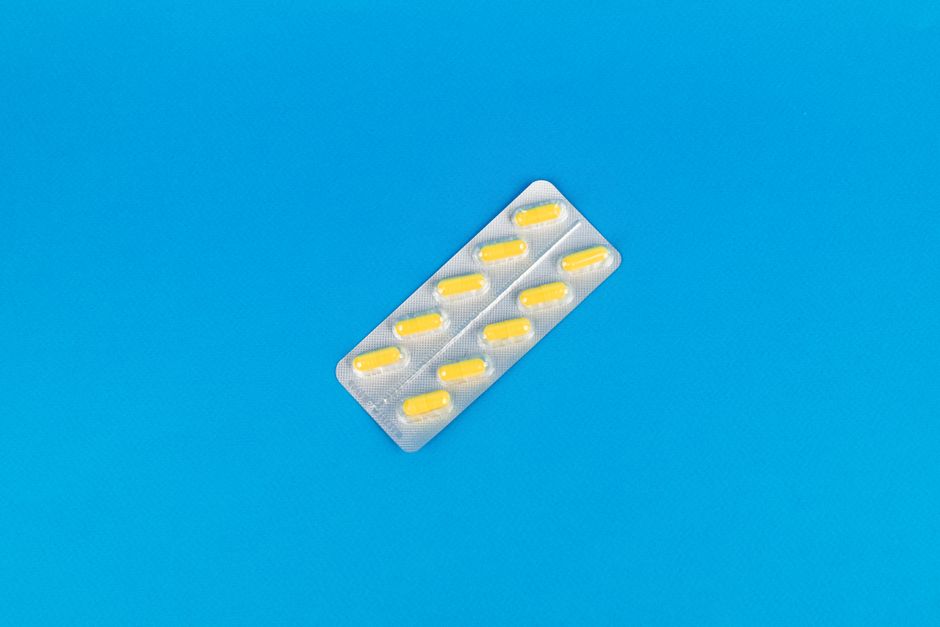
Oxycodone Shortage at the Pharmacy: What to Do and Why It’s Happening

Oxycodone shortages at pharmacies stem from DEA production quotas, manufacturing disruptions, and distributor allocation limits, and this guide explains why they happen and exactly what steps patients can take to keep their pain treatment on track.

Early Refill Oxycodone Prescription: Rules, Risks, and What to Do
Learn how insurance refill-too-soon rules, PDMP monitoring, and prescriber limits affect an early refill oxycodone prescription, plus the right steps to take if you genuinely need one sooner than scheduled.

How to Fill an Oxycodone Prescription: A Complete Step-by-Step Guide
A complete, practical walkthrough of how to fill oxycodone prescription orders, covering pharmacy verification, insurance, common delays, and what to do when problems arise.

Why Am I Nauseous After Taking Oxycodone? Causes and Relief Tips
Nausea after taking oxycodone is a common, usually temporary side effect caused by the drug's effects on the brain, gut, and inner ear; this guide explains the causes, who's most at risk, and practical relief tips.
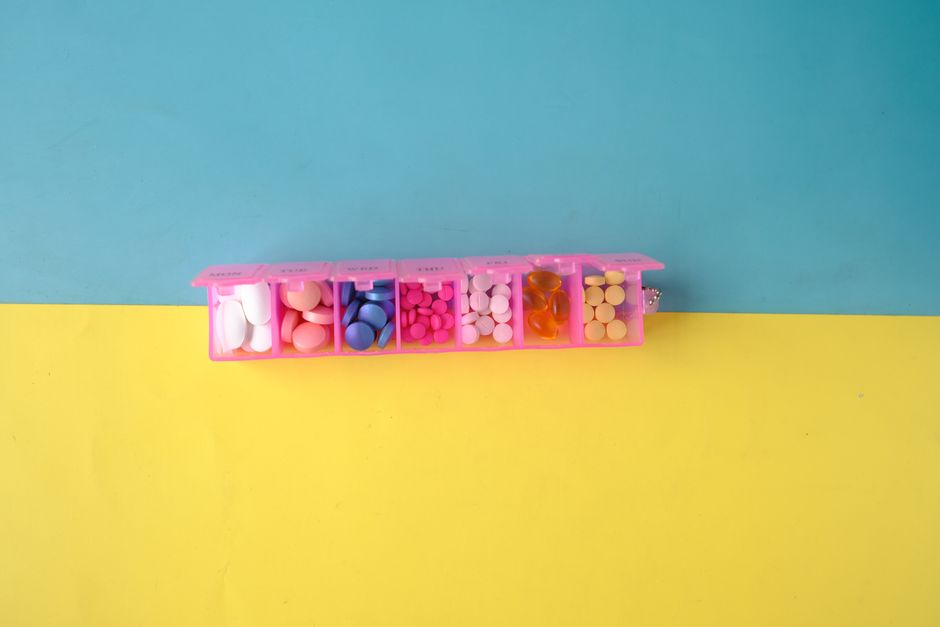
What Is the Best Time to Take Oxycodone? A Practical Timing Guide
Learn how to determine the best time to take oxycodone based on formulation, pain patterns, meals, and daily routine, plus common timing mistakes to avoid.

Pain Management Doctor Oxycodone Prescription: What Patients Need to Know
Learn how pain management doctors evaluate patients, decide on oxycodone prescriptions, and monitor treatment, including safety checks, regulations, and alternatives to opioid therapy.

Insurance Coverage for Oxycodone: What Patients Need to Know Before They Fill a Prescription
Navigating insurance coverage for oxycodone involves prior authorization, formulary tiers, quantity limits, and step therapy rules that vary by plan type, and understanding them in advance helps patients avoid delays and denials.
Oxycodone Treatment Timeline: What to Expect From Day One to Long-Term Use
A stage-by-stage breakdown of the oxycodone treatment timeline, from the first dose through long-term use and tapering, including what to expect and when to talk to your doctor.

Why Is My Oxycodone Not Lasting Long Enough? Causes and Solutions
If oxycodone seems to wear off faster than it used to, the cause could be tolerance, dosing mismatches, drug interactions, metabolism differences, or disease progression, and this article explains how to identify the cause and what to do about it.

Why Does My Oxycodone Work Better at Night? Here’s the Science Behind It
Oxycodone often feels stronger at night due to natural drops in cortisol, rising melatonin, reduced physical activity, and lower stress, all of which shift how the body perceives and responds to pain relief.

Why Does Oxycodone Work Better Some Days? The Hidden Factors Behind Pain Relief
Oxycodone's effectiveness can vary from day to day due to factors like sleep, stress, hormones, hydration, and inflammation, and understanding these hidden influences can help patients achieve more consistent pain relief.

Can Stress Affect Oxycodone Effectiveness? What Patients Should Know
Stress can make oxycodone feel less effective by amplifying pain signals, altering receptor sensitivity, and disrupting sleep, but simple lifestyle changes can help restore consistent relief.