
Health Tips
Common Medication Mistakes Patients Make (And How to Avoid Them)


Taking medication seems simple enough: read the label, swallow the pill, repeat as directed. Yet medication mistakes are one of the most common and most preventable causes of hospital visits in the United States. Whether it’s forgetting a dose, mixing pills with alcohol, or stopping a prescription too soon, small errors can turn into serious health problems.
In this guide, you’ll learn the most frequent medication mistakes patients make, why they happen, and practical steps you can take to avoid them. Whether you’re managing a single prescription or juggling several medications at once, understanding these pitfalls can help you stay safer and get better results from your treatment.
Why Medication Mistakes Happen More Often Than You Think
Medication errors aren’t limited to people who are careless or forgetful. They happen to organized, health-conscious patients too. Busy schedules, confusing instructions, multiple prescribers, and pharmacy switches all create opportunities for mix-ups.
According to the Mayo Clinic, medication-related problems send hundreds of thousands of people to emergency rooms every year, and many of these visits stem from mistakes that could have been avoided with better communication or a clearer understanding of the medication itself. As a result, learning to recognize the most common medication mistakes is one of the simplest ways to protect your health.
Mistake #1: Skipping Doses or Doubling Up
One of the most common medication mistakes is missing a scheduled dose and then taking two at once to catch up. This might seem harmless, but it can actually increase the risk of side effects, some of which can be serious depending on the medication involved. Doubling up on blood pressure medication, for example, can cause blood pressure to drop dangerously low, while doubling up on pain medication can increase the risk of drowsiness, slowed breathing, or other complications.
On the other end of the spectrum, skipping doses altogether, whether intentionally or by accident, can reduce the effectiveness of a medication. This is especially risky with medications that need to stay at a steady level in the bloodstream, such as antibiotics, seizure medications, and certain heart medications. Missing doses can allow symptoms to return or, in the case of antibiotics, allow bacteria to become resistant to treatment.
How to avoid it: Set a consistent daily routine for taking medications, such as pairing doses with meals or using a phone alarm. Pill organizers with daily compartments can also help you visually confirm whether you’ve already taken a dose. If you do miss a dose, check the medication’s instructions or ask your pharmacist whether you should take it late or skip it entirely rather than guessing.
Mistake #2: Not Understanding Why You’re Taking a Medication
It’s surprisingly common for patients to take a medication without fully understanding what it’s for or how it works. This can lead to poor adherence, since people are less likely to stick with a treatment plan if they don’t understand its purpose or importance.
Misunderstanding a medication’s purpose can also lead to dangerous assumptions, such as stopping a medication because symptoms have improved, even when the underlying condition hasn’t been fully treated. This is a frequent issue with blood pressure medications, cholesterol medications, and antibiotics, where symptoms may not be noticeable at all.
How to avoid it: Ask your prescriber directly what the medication is treating, how it works, and what results you should expect. Don’t hesitate to ask questions during your appointment, and if you leave with lingering doubts, call the office or ask your pharmacist for clarification before you start taking the medication.
Mistake #3: Mixing Medications With Alcohol or Other Substances
Combining medications with alcohol, recreational substances, or even certain over-the-counter products can amplify side effects or create dangerous interactions. This is particularly true for medications that affect the central nervous system, such as opioids, benzodiazepines, and some antidepressants.
Alcohol can intensify drowsiness, impair coordination, and in some cases increase the risk of slowed breathing when combined with certain prescriptions. Patients taking opioid pain medications should be especially cautious, since the combination of alcohol and opioids has been linked to a significant number of overdose deaths. For more on how these medications can affect the body, see this guide on why oxycodone can cause dizziness and what patients should watch for.
How to avoid it: Always ask your prescriber or pharmacist whether it’s safe to consume alcohol while taking a new medication. If you use recreational substances or supplements, disclose this information honestly, since even natural products like St. John’s Wort or grapefruit juice can interact with certain prescriptions.
Mistake #4: Stopping a Medication Too Soon
Many patients stop taking a medication as soon as they start feeling better, especially with antibiotics or pain medications. While this might seem logical, stopping early can allow an infection to return, sometimes in a more resistant form, or can cause withdrawal symptoms if the medication affects brain chemistry.
This mistake is also common with medications for chronic conditions like high blood pressure, high cholesterol, or depression, where patients may feel fine and assume the medication is no longer necessary. Unfortunately, many of these conditions have few or no symptoms, meaning the medication may be doing its job silently in the background.
How to avoid it: Never stop a prescription early without talking to your prescriber first, even if you feel completely better. If side effects are the reason you want to stop, mention this to your provider, since there may be an alternative medication or dosage adjustment that solves the problem without discontinuing treatment altogether.
Mistake #5: Not Telling Every Provider About Every Medication
If you see multiple doctors, specialists, or even a dentist, it’s easy for your full medication list to become fragmented. One provider may not know what another has prescribed, which increases the risk of duplicate therapies or dangerous drug interactions.
This is especially important for patients taking controlled substances, since pharmacies verify controlled prescriptions carefully, and inconsistent information across providers can create delays or complications when filling prescriptions.
How to avoid it: Keep an updated list of every medication, supplement, and over-the-counter product you take, including dosages, and bring it to every appointment. Many patients find it helpful to keep this list on their phone or in a wallet card so it’s always accessible, even during emergency visits.
Mistake #6: Taking Medication at the Wrong Time of Day
Timing matters more than many patients realize. Some medications work best when taken with food, while others need to be taken on an empty stomach to be absorbed properly. Certain medications, like statins or sleep aids, are most effective when taken in the evening, while stimulant-based medications are best taken earlier in the day to avoid disrupting sleep.
Taking a medication at the wrong time can reduce its effectiveness or increase the likelihood of side effects, such as stomach upset or nighttime restlessness.
How to avoid it: Read the label carefully and ask your pharmacist whether timing matters for your specific medication. If a schedule feels difficult to maintain, ask if there’s a formulation or alternative that better fits your daily routine.
Mistake #7: Ignoring Warning Labels and Side Effect Information
It’s tempting to toss the printed information sheet that comes with a prescription without reading it, but these sheets often contain critical warnings about interactions, side effects, and situations that require immediate medical attention.
Patients who skip this step may not recognize early warning signs of a serious reaction, such as unusual swelling, difficulty breathing, or significant mood changes. For opioid medications specifically, understanding warning signs is especially important. This guide to hydrocodone warnings outlines several signs patients should never ignore.
How to avoid it: Take a few minutes to read the information sheet each time you fill a new prescription, since formulations and warnings can change over time. If anything is unclear, ask your pharmacist to explain it in plain language.
Mistake #8: Assuming Generic and Brand-Name Medications Work Differently
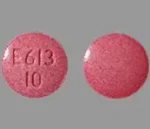
Many patients become alarmed when a generic medication looks different from the brand-name version or from a previous refill, leading them to question whether the medication is still effective or wonder if a mistake was made at the pharmacy.
In most cases, this is a normal part of how generics are manufactured, since different companies can produce the same active ingredient in slightly different shapes, colors, or coatings. Understanding this can prevent unnecessary anxiety and reduce the temptation to skip a dose out of uncertainty. For a deeper explanation, see this article on why generic medications don’t always look the same.
How to avoid it: If a medication looks different than expected, don’t panic. Confirm with your pharmacist that the active ingredient and dosage are unchanged, and ask for clarification if you have any doubts.
Mistake #9: Not Asking About Drug Interactions With Supplements
Many patients assume that vitamins, herbal supplements, and over-the-counter products are automatically safe simply because they don’t require a prescription. However, some supplements can interact with prescription medications in ways that reduce effectiveness or increase the risk of side effects.
Fish oil, for example, can increase bleeding risk when combined with blood thinners, while calcium supplements can interfere with the absorption of certain thyroid medications and antibiotics.
How to avoid it: Always tell your prescriber and pharmacist about every supplement you take, even ones you consider harmless. A quick check can prevent a potentially dangerous interaction.
Mistake #10: Not Storing Medications Properly
Improper storage, such as keeping medications in a hot bathroom cabinet or a car exposed to temperature swings, can degrade certain medications and reduce their effectiveness. Some medications also require refrigeration, and forgetting this step can compromise their potency.
Beyond effectiveness, improper storage can also create safety hazards, especially in homes with children, pets, or visitors. Keeping medications secure is an important part of overall household safety, particularly for controlled substances. This home safety guide for oxycodone patients offers useful strategies that apply to many other medications as well.
How to avoid it: Store medications according to the instructions on the label, and keep them in a cool, dry place away from direct sunlight unless refrigeration is specifically required. Store controlled substances in a locked container whenever possible.
Mistake #11: Not Reviewing Medications Regularly With a Doctor
As health needs change over time, medications that once made sense may no longer be necessary, or dosages may need adjustment. Patients who don’t schedule regular medication reviews may continue taking outdated prescriptions or miss opportunities to simplify a complicated regimen.
This is especially relevant for patients managing chronic pain or long-term prescriptions, where regular check-ins can help catch problems early. A structured approach, like the one outlined in this medication review checklist, can make these conversations more productive.
How to avoid it: Schedule periodic medication reviews with your prescriber, especially after any major health change, new diagnosis, or the addition of a new medication. Bring your complete medication list to these appointments so nothing gets overlooked.
Mistake #12: Running Out of Medication Unexpectedly
Waiting until the last pill to request a refill can lead to gaps in treatment, especially if there are delays with insurance approval, prior authorizations, or pharmacy stock. These gaps can be particularly risky with medications that shouldn’t be stopped abruptly.
Pharmacy shortages can also play a role in unexpected disruptions, and understanding how these shortages happen can help you plan ahead. This guide to pharmacy shortages explains what patients can do if their usual medication becomes unavailable.
How to avoid it: Request refills several days before you expect to run out, and keep track of how many doses remain so you’re never caught off guard. If you rely on insurance coverage for an expensive medication, it also helps to understand your plan’s requirements in advance, as explained in this overview of insurance coverage for oxycodone.
How to Build a Safer Medication Routine
Avoiding medication mistakes doesn’t require a complicated system. A few consistent habits can dramatically reduce your risk of error and help you get the most benefit from your treatment plan.
- Use one pharmacy whenever possible. This allows your pharmacist to track your full medication history and catch potential interactions.
- Keep a written or digital medication list. Update it every time a medication changes and bring it to every medical appointment.
- Ask questions at every step. Whether it’s a new prescription or a routine refill, don’t hesitate to ask about purpose, timing, side effects, and interactions.
- Use reminders and organizers. Pill organizers, phone alarms, and refill reminders can help prevent missed or doubled doses.
- Schedule regular medication reviews. Even if nothing seems wrong, periodic check-ins can catch issues before they become serious.
According to the Cleveland Clinic and other major health organizations, patients who take an active role in managing their medications tend to experience fewer complications and better long-term outcomes. Being informed isn’t just helpful, it’s one of the most powerful tools you have for staying safe.
Frequently Asked Questions
What should I do if I realize I missed a dose?
It depends on the medication and how much time has passed. Some medications allow you to take a missed dose as soon as you remember, while others recommend skipping it entirely if it’s close to the next scheduled dose. Check the label or call your pharmacist for guidance specific to your medication rather than guessing.
Is it safe to split pills to save money?
Only if your prescriber or pharmacist confirms that the specific medication is safe to split. Some pills are formulated for extended release and can become dangerous or ineffective if broken, even if they have a visible score line.
Can I stop taking a medication if I feel better?
Not without checking with your prescriber first. Feeling better doesn’t always mean the underlying condition is resolved, and stopping certain medications abruptly can cause withdrawal symptoms or allow the condition to return.
Why do my generic pills look different every time I refill them?
Pharmacies often source generic medications from different manufacturers, and each manufacturer may use a different shape, color, or coating for the same active ingredient. This is normal and doesn’t affect how well the medication works, though you should always confirm with your pharmacist if you’re ever unsure.
How can I keep track of multiple medications without getting confused?
Using a pill organizer, a medication tracking app, or a simple written chart can help. It’s also useful to keep an updated list of all medications, including dosages and timing, and to review this list with your pharmacist or prescriber regularly.
Final Thoughts
Medication mistakes are common, but most of them are preventable once you understand where the risks lie. Whether it’s confusion about timing, uncertainty about interactions, or simply forgetting a dose during a busy day, small adjustments to your routine can make a meaningful difference in your safety and treatment outcomes.
Staying informed, asking questions, and building simple habits like using a pill organizer or keeping an updated medication list can help you avoid the pitfalls that send so many patients to the emergency room each year. Your prescriber and pharmacist are valuable resources, so don’t hesitate to lean on them whenever you have questions or concerns about your medications.