
Health Tips
Oxycodone Shortage at the Pharmacy: What to Do and Why It’s Happening

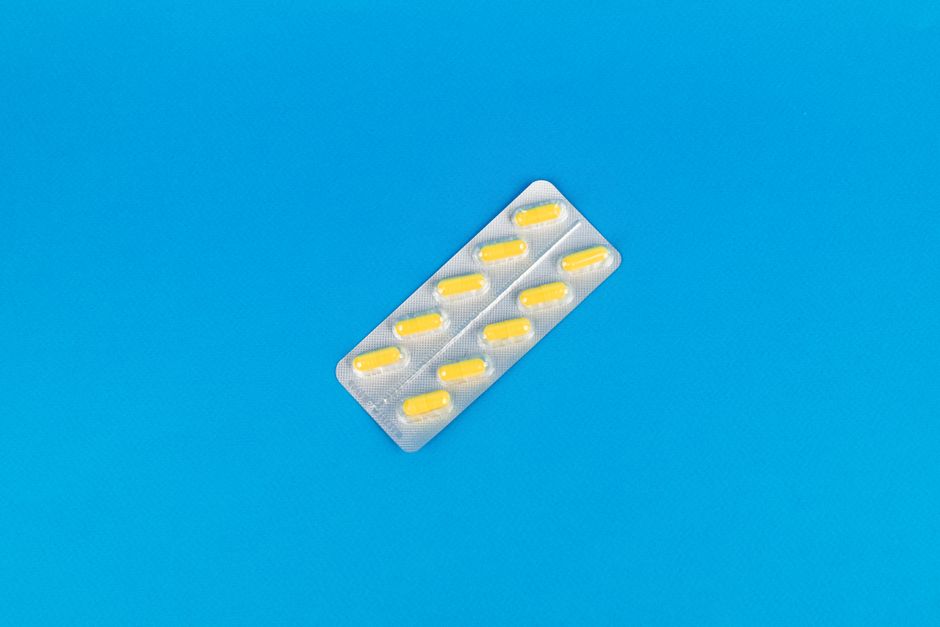
If you’ve called three or four pharmacies this week and heard the same answer, “we’re out,” you’re not imagining things. An oxycodone shortage pharmacy problem has become a real and frustrating issue for chronic pain patients, post-surgical patients, and people managing cancer-related pain across the United States. This isn’t a rumor or a one-off supply hiccup at a single store. It’s a broader pattern tied to manufacturing limits, federal quotas, and distribution rules that most patients never hear about until they’re standing at the counter with an empty bottle.
In this guide, you’ll learn why oxycodone shortages happen, how to figure out whether your local pharmacy is actually out of stock or just being cautious, and what steps you can take right now to fill your prescription without breaking any laws or putting your health at risk. We’ll also cover what pharmacists wish patients understood about controlled substance inventory, and how to build a backup plan so a shortage doesn’t turn into a medical emergency.
Why Is There an Oxycodone Shortage at Pharmacies?
The short answer is that oxycodone production in the United States is capped by the Drug Enforcement Administration, and demand hasn’t lined up neatly with that cap in recent years. But there’s more to the story than a single number.
DEA Production Quotas
Every year, the DEA sets an Aggregate Production Quota for oxycodone and other Schedule II controlled substances. This quota determines the total amount of active ingredient that manufacturers are legally allowed to produce nationwide. The agency has steadily reduced these quotas over the past several years as part of broader efforts to curb opioid misuse following the opioid crisis.
The problem is that these cuts don’t always track real-world medical need. Patients with legitimate, well-managed prescriptions for cancer pain, severe post-surgical recovery, or chronic conditions sometimes get caught in the middle. When a manufacturer hits its allotted cap, it simply stops producing that drug for the rest of the year, regardless of how many prescriptions are waiting to be filled.
Manufacturing and Supply Chain Disruptions
Beyond quotas, oxycodone manufacturing depends on a small number of raw material suppliers and manufacturing facilities. A single production delay, a quality control issue, or a plant shutdown at one major manufacturer can ripple across the entire national supply. Because generic oxycodone is made by a limited number of companies, there’s less redundancy in the system than you’d expect for such a widely prescribed medication.
Distributor-Level Restrictions
Pharmacies don’t order controlled substances the way they order aspirin or vitamins. Wholesale distributors use algorithms that flag
unusual ordering patterns, and oxycodone is one of the most closely monitored drugs in that system. If a pharmacy suddenly orders more oxycodone than its historical average, whether because of a new long-term care contract, a surge in local demand, or simply restocking after a slow month, the distributor may freeze or reduce that order until it can verify the increase is legitimate. This threshold system, originally designed to prevent diversion, can inadvertently choke off supply to pharmacies serving areas with genuinely higher rates of chronic pain, cancer treatment, or post-surgical care.
Smaller independent pharmacies are often hit hardest by this dynamic. Chain pharmacies with multiple locations can sometimes shift inventory between stores, but a single-location independent pharmacy has far less flexibility. If its allocation gets cut or frozen, it may have no oxycodone at all until the next review cycle, even while a chain pharmacy two miles away has a full supply.
Increased Demand and Prescribing Shifts
Ironically, some of the shortage pressure comes from well-intentioned prescribing changes. As physicians move patients away from long-term extended-release opioids toward shorter courses of immediate-release oxycodone for acute pain, demand for certain dosage strengths has shifted unevenly. A spike in demand for 5mg or 10mg immediate-release tablets, for instance, can outpace supply even while other formulations sit on shelves. Seasonal surges, such as increased surgical volume after elective procedures resume following holidays, can also create short-term regional demand spikes that outstrip local pharmacy inventory.
Which Areas and Pharmacies Are Most Affected
Shortages are rarely evenly distributed. Rural areas and pharmacy deserts tend to feel the impact first and hardest, partly because they rely on fewer distributors and have less negotiating power to secure priority shipments. Independent pharmacies, as mentioned, are more vulnerable than large chains because they lack the internal inventory-sharing systems that chains use to move stock between locations overnight.
Hospital-affiliated outpatient pharmacies sometimes fare better because they’re tied into hospital purchasing contracts that carry higher priority with distributors. Meanwhile, mail-order and specialty pharmacies may have inconsistent availability depending on their contracts with specific manufacturers. If your regular pharmacy is out of stock, it doesn’t necessarily mean every pharmacy in your area is affected the same way, which is why calling around is often worth the effort before assuming you’re out of options.
What to Do If Your Pharmacy Is Out of Oxycodone
Finding out your prescription can’t be filled is stressful, especially if you’re managing pain from surgery, cancer, or a chronic condition. But there are concrete steps you can take to minimize the gap in your treatment.
1. Ask the Pharmacy for Specifics
Don’t just accept “we don’t have it” as the final word. Ask the pharmacist whether the shortage is temporary or ongoing, whether they expect a shipment soon, and whether the issue is specific to your dosage strength or formulation. Sometimes a pharmacy has the 5mg tablets but not the 10mg, or has the brand but not the generic, and a quick conversation with your prescriber can resolve the mismatch.
2. Call Other Pharmacies Before Panicking
Because shortages are often localized rather than universal, it’s worth calling two or three other pharmacies in your area, including independent pharmacies, before assuming the medication is unavailable everywhere. Many pharmacists are willing to check their inventory over the phone. If you find a pharmacy with stock, ask your prescriber to send the prescription there directly rather than trying to transfer it yourself, since transfers of Schedule II medications carry extra restrictions. For a full breakdown of how the filling process works, our guide on how to fill an oxycodone prescription walks through each step in detail.
3. Contact Your Prescriber Immediately
Your doctor’s office needs to know as soon as possible if you can’t get your medication filled. Depending on your situation, they may be able to prescribe an alternative formulation, adjust your dosage to a strength that is in stock, or, in some cases, switch you temporarily to a different pain medication. Don’t wait until you’re completely out of pills to make this call. The earlier your prescriber knows, the more options they have to help you bridge the gap safely.
4. Ask About Therapeutic Alternatives
In some cases, your doctor may be able to prescribe a different opioid, such as hydrocodone or a different oxycodone formulation, that isn’t affected by the same shortage. This isn’t always straightforward, since opioid conversions require careful dosing calculations to avoid over- or under-treating pain, but it’s a legitimate option worth discussing, especially for short-term acute pain situations following surgery or injury.
5. Check Manufacturer and National Shortage Databases
The American Society of Health-System Pharmacists maintains a publicly searchable drug shortage database that tracks current and resolved shortages, including the reasons behind them and expected resolution timelines. Checking a resource like ASHP’s current drug shortages list can help you understand whether your local pharmacy’s stock-out is part of a larger national pattern or a localized supply hiccup, which can inform how you plan ahead for future refills.
How to Avoid Getting Caught Off Guard Next Time
Once you’ve dealt with one oxycodone shortage scare, it’s worth building a few habits that reduce the odds of it catching you off guard again.
Fill Prescriptions Early, Not Late
Waiting until you’re down to your last few pills leaves no room for error if your pharmacy suddenly can’t fill the prescription. Many pharmacies allow refills a few days before the prescription technically runs out. If you’re unsure about the rules around filling early, our article on early refill oxycodone prescriptions explains the legal boundaries and how to request an early fill without raising red flags with your pharmacy or insurer.
Use the Same Pharmacy Consistently, But Have a Backup
Sticking with one pharmacy helps build a relationship with your pharmacist, who can flag potential issues before they become emergencies. That said, it’s smart to identify a backup pharmacy in advance, ideally one using a different primary distributor, so you have somewhere to turn if your main pharmacy runs dry.
Keep Your Prescription Information Organized
Know your exact medication name, dosage, prescriber’s contact information, and prescription number. If you ever need to have a prescription transferred or verified quickly during a shortage scramble, having this information on hand saves valuable time. This is especially important if you’ve ever dealt with a lost or stolen oxycodone prescription, since the documentation trail matters just as much in a shortage situation as it does in a replacement situation.
Talk to Your Doctor About a Contingency Plan
If you take oxycodone regularly for a chronic condition, ask your prescriber ahead of time what the backup plan looks like if your pharmacy can’t fill your prescription. Having this conversation before a crisis hits means you won’t be scrambling to reach an on-call physician while in pain and out of medication.
Managing Pain Safely While You Wait
A gap in your oxycodone supply doesn’t have to mean a gap in pain management altogether, though it does require caution. Abruptly stopping opioids after regular use can trigger withdrawal symptoms, including nausea, sweating, anxiety, muscle aches, and insomnia. This is a physical dependence response, not a sign of addiction, but it still needs to be managed carefully with your doctor’s guidance rather than through self-adjustment.
If a shortage means you’ll be without your usual dose for more than a day or two, ask your prescriber about a short-term tapering plan or a bridge medication to ease the transition. Non-opioid strategies, such as over-the-counter pain relievers combined with heat therapy, physical therapy exercises, or topical treatments, may not fully replace oxycodone’s effect but can sometimes take the edge off while you wait for your prescription to be filled elsewhere. According to the Mayo Clinic, combining non-drug pain management techniques with medical guidance can help reduce reliance on any single medication and ease the impact of temporary interruptions in access (Mayo Clinic).
Never take someone else’s prescription, purchase medication from an unverified online source, or double up on remaining pills to compensate for a missed dose. These shortcuts carry serious safety and legal risks, particularly with a Schedule II controlled substance like oxycodone.
Cost Considerations During a Shortage
Shortages can sometimes push patients toward alternative pharmacies, different formulations, or even different medications, and each of those shifts can carry a different price tag. If your usual generic oxycodone isn’t available and you’re offered a brand-name version or a different dosage form, ask your pharmacist about cost differences before agreeing to the substitution, since insurance coverage doesn’t always transfer cleanly between formulations.
If you find yourself paying out of pocket while sorting out a shortage-related switch, resources like our guide to GoodRx oxycodone prescription discounts can help soften the financial hit. Comparing prices across a few pharmacies before committing to a fill, especially if you’re paying cash, can also reveal surprisingly large differences even for the same medication and dosage.
The Role of Pharmacists in Navigating Shortages
Pharmacists are often the unsung problem-solvers in a shortage situation. They track shortage bulletins from wholesalers, know which nearby pharmacies belong to the same buying group, and often have informal networks with other pharmacists to locate stock. Building a good relationship with your pharmacist, rather than treating them as a last-minute vending machine, can pay off significantly when supply gets tight.
Don’t hesitate to ask your pharmacist direct questions: Is this shortage specific to your store, or is it regional or national? Do they know of a nearby pharmacy with stock? Would switching manufacturers or generic versions help? Pharmacists deal with these questions constantly during active shortages and are usually glad to help patients navigate the confusion, especially for controlled substances where the stakes of running out are higher than with routine medications.
What Regulators and Manufacturers Are Doing About It
The DEA has faced increasing criticism from medical organizations, patient advocacy groups, and even members of Congress for setting production quotas that don’t always reflect real clinical demand. In response, the agency has occasionally adjusted quotas mid-year when shortages become severe enough to draw public attention, though this process is slow and reactive rather than proactive.
Manufacturers, for their part, are required to notify the FDA of anticipated supply disruptions in many cases, which feeds into national shortage tracking systems. Some companies have also invested in diversifying their raw material sourcing to reduce the risk of a single supply chain failure taking down production entirely. Still, because so few companies manufacture generic oxycodone at scale, the system remains fragile, and experts caution that occasional regional shortages are likely to continue until either quota policy changes or manufacturing capacity expands meaningfully.
Frequently Asked Questions
Is the oxycodone shortage happening everywhere, or just in some areas?
It varies. Oxycodone shortages tend to be uneven, affecting certain regions, certain dosage strengths, or certain pharmacies more than others depending on their distributor relationships and purchasing history. A national shortage of one specific formulation can coexist with normal availability of others.
Can my pharmacist just give me a different opioid instead?
No, not without authorization from your prescriber. Pharmacists cannot legally substitute a different controlled substance without a new prescription, even if the alternative seems clinically similar. Your doctor needs to be involved in any change to your medication.
How long do oxycodone shortages usually last?
It depends on the cause. A distributor-level allocation issue might resolve within days, while a DEA quota shortfall or manufacturing plant shutdown can take weeks or months to fully resolve, since production schedules and regulatory quota adjustments move slowly.
What should I do if I run out of oxycodone before my pharmacy restocks?
Contact your prescriber immediately rather than waiting. They may adjust your prescription, suggest a temporary alternative, or help you locate a pharmacy with available stock. Never attempt to stretch your supply by taking less than prescribed without medical guidance, as this can affect pain control and, in some cases, trigger withdrawal symptoms.
Is it legal to have my prescription filled at multiple pharmacies to find stock?
You can shop around and ask pharmacies about availability before filling, but once a Schedule II prescription like oxycodone is submitted to one pharmacy, it generally can’t be filled elsewhere without a formal transfer, and controlled substance transfer rules vary by state. It’s best to confirm stock availability by phone first, then have your prescriber send the prescription to the pharmacy that has it in stock, rather than attempting multiple submissions yourself.
Final Thoughts
An oxycodone shortage at your local pharmacy can feel like an alarming and confusing problem, especially when you’re relying on the medication to manage real, often serious pain. Understanding the layered causes, from DEA production quotas and manufacturing bottlenecks to distributor allocation algorithms, helps explain why this keeps happening even though oxycodone is one of the most commonly prescribed pain medications in the country. More importantly, knowing the practical steps to take when you hit a shortage wall, calling ahead, looping in your prescriber quickly, checking shortage databases, and building a backup plan before you need one, can make the difference between a stressful scramble and a manageable bump in the road. For a broader look at how these shortages intersect with patient rights and pharmacy policy, our related article on pharmacy shortages and oxycodone offers additional context worth reviewing before your next refill is due.