
Strattera
Showing all 7 resultsSorted by popularity

Generic Strattera 80 mg
In stock
Price range: $1,480.50 through $4,860.00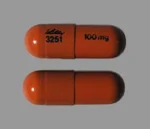
Generic Strattera 100 mg
In stock
Price range: $1,480.50 through $4,875.00
Generic Strattera 60 mg
In stock
Price range: $1,374.30 through $4,500.00
Generic Strattera 18 mg
In stock
Price range: $1,267.20 through $4,215.00
Generic Strattera 10 mg
In stock
Price range: $1,267.20 through $4,200.00
Generic Strattera 25 mg
In stock
Price range: $1,267.20 through $4,200.00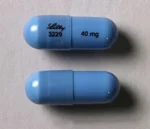
Generic Strattera 40 mg
In stock
Price range: $1,267.20 through $4,200.00Strattera Prescription Guide for ADHD
Strattera is a brand name for atomoxetine, a prescription medicine approved in the United States to treat attention-deficit/hyperactivity disorder in adults and pediatric patients six years of age and older. It is described as a selective norepinephrine reuptake inhibitor and is commonly discussed as a non-stimulant ADHD option.
“Non-stimulant” does not mean risk-free, suitable for everyone or available without a prescription. Atomoxetine carries a boxed warning about suicidal ideation in children and adolescents. It can also affect heart rate, blood pressure, mood, urination, sexual function and, rarely, the liver. A qualified prescriber should confirm the diagnosis, review other conditions and monitor the response.
- Approved use: ADHD in adults and patients aged six years and older.
- Medicine type: selective norepinephrine reuptake inhibitor.
- Controlled status: atomoxetine is not federally scheduled in the United States.
- Important warning: close monitoring for suicidal thinking and unusual behavioral changes in younger patients.
- Important interactions: monoamine oxidase inhibitors and strong CYP2D6 inhibitors require particular attention.
Confirming ADHD Before Considering Strattera
ADHD is not diagnosed from one symptom, a short online quiz or a request for better productivity. Inattention, impulsivity and restlessness can also arise from insufficient sleep, anxiety, depression, trauma, substance use, learning disorders, thyroid disease, medication effects or an unsuitable work or school environment.
A proper assessment reviews when symptoms began, whether they occur in more than one setting and how they impair daily function. In children, information from caregivers and school may be useful. In adults, the history often includes childhood symptoms, education, employment, driving, finances, relationships and daily organization.
Information a Clinician May Review
- Current attention, hyperactivity and impulse-control symptoms.
- Childhood records or credible developmental history.
- Sleep schedule, snoring, daytime sleepiness and shift work.
- Anxiety, depression, bipolar symptoms, self-harm history and substance use.
- Heart disease, blood pressure, fainting and family history of sudden cardiac death.
- Current prescriptions, supplements, caffeine and nicotine use.
Strattera should be one part of a broader plan. Skills training, classroom or workplace accommodations, parent support, sleep care and treatment of coexisting conditions may be as important as the medicine.
How Atomoxetine Differs from Stimulant ADHD Medicines
Atomoxetine does not have the same pharmacology or federal controlled-substance classification as amphetamine or methylphenidate. It works primarily through norepinephrine signaling. This distinction may be relevant when a prescriber is considering misuse risk, tic history, response to previous treatment or the need for coverage across the day.
It should not be described as a stronger, safer or universally better alternative. Some patients respond well, some experience adverse effects and others obtain limited benefit. A treatment choice depends on age, symptoms, coexisting conditions, previous trials, family preferences and the ability to monitor.
Unlike a medicine that may produce a noticeable same-day change, atomoxetine benefit can build over time. Early side effects and early benefit should be recorded separately so the prescriber can judge whether continuing is reasonable.
What Improvement with Strattera May Look Like
A useful response is functional, not simply a feeling that the medicine is active. Examples include completing tasks with fewer prompts, interrupting less often, remembering materials, driving more safely, following conversations or recovering more quickly after distraction.
Choose a small set of measurable goals before treatment. Adults might track missed deadlines, unfinished tasks or impulsive decisions. For a child, caregivers and teachers might track classroom transitions, homework completion or conflicts. Comparing the same measures over several weeks is more informative than changing the plan after one difficult day.
Atomoxetine does not create motivation, erase learning difficulties or compensate for chronic sleep deprivation. If concentration remains poor, the diagnosis, dose exposure, adherence, sleep and coexisting conditions all deserve review.
Strattera Capsule Strengths and Prescription Directions
U.S. labeling includes atomoxetine capsules in multiple strengths, including 10 mg, 18 mg, 25 mg, 40 mg, 60 mg, 80 mg and 100 mg. A product page may explain available strengths, but it should not tell a reader which strength to choose. Pediatric directions can depend on body weight, while adult directions follow a different label framework.
Follow the patient-specific pharmacy label. Capsules are intended to be swallowed whole and should not be opened. The contents can irritate the eyes; if accidental contact occurs, rinse promptly and seek advice as appropriate. Do not combine leftover capsules to improvise a new daily amount.
Missed Dose and Schedule Questions
Use the pharmacist’s missed-dose instructions and do not double a dose. If nausea, tiredness or sleep disruption makes timing difficult, ask the prescriber before moving the schedule. A change that appears minor can affect adherence and daily tolerability.
Do not stop, restart or change the amount based on an online dosing table. Although current labeling states that atomoxetine can be discontinued without tapering, the clinical plan should still address returning ADHD symptoms, mood changes and school, work or driving safety.
Boxed Warning: Suicidal Ideation in Children and Adolescents
Atomoxetine labeling carries a boxed warning because short-term studies found an increased risk of suicidal ideation in children and adolescents. Patients beginning treatment should be monitored for suicidal thinking, clinical worsening and unusual changes in behavior, particularly early in treatment and when the dose changes.
Monitoring is not limited to asking “Are you okay?” Families and caregivers should watch for new agitation, withdrawal, panic, irritability, aggression, hopeless statements, self-harm talk or an abrupt change in sleep or behavior. The prescriber should provide a clear contact plan before treatment starts.
Immediate self-harm risk requires emergency help. Do not leave the person alone, rely on a routine portal message or wait for the next scheduled visit. The warning does not mean every young patient will experience suicidal thoughts; it means the risk must be actively balanced against clinical need.
Mood, Behavior and Psychiatric Changes
New psychotic or manic symptoms can occur with medicines used for ADHD, including hallucinations, delusional thinking or marked elevation in mood. Aggression and hostility should also be monitored, especially when there is a pre-existing behavioral condition.
Screening for bipolar disorder matters because concentration problems and impulsivity may occur during mood episodes. Tell the prescriber about personal or family history of bipolar disorder, psychosis, severe depression or suicide attempts.
- Urgent review: hallucinations, mania, dangerous agitation or suicidal thinking.
- Prompt review: persistent irritability, emotional withdrawal or major sleep change.
- Routine review: mild mood or appetite changes that do not resolve.
Heart Rate, Blood Pressure and Cardiovascular Screening
Atomoxetine can increase heart rate and blood pressure. Current labeling calls for appropriate cardiovascular history and examination, with further evaluation when findings suggest heart disease. Blood pressure and pulse should be assessed before treatment, after dose changes and periodically during use.
Tell the clinician about congenital heart disease, cardiomyopathy, rhythm problems, fainting with exertion, chest pain, high blood pressure and a family history of sudden death at a young age. Severe cardiovascular disorders that could worsen with clinically important increases in blood pressure or heart rate are a contraindication.
Chest pain, fainting, unexplained shortness of breath or sustained rapid or irregular heartbeat requires prompt medical assessment. Do not attempt to offset palpitations with another person’s heart medicine or a sedative.
Rare Severe Liver Injury
Severe liver injury has been reported rarely with atomoxetine. Patients should know the warning signs because routine symptoms such as tiredness or stomach upset can be nonspecific. Contact the prescriber promptly for dark urine, yellow skin or eyes, unexplained itching, right-upper abdominal pain or persistent flu-like symptoms.
If liver injury is suspected, the clinical team may stop the medicine and obtain laboratory testing. Do not restart after a suspected serious reaction unless the prescriber has reviewed the event and specifically directs it.
Tell the clinician about existing liver disease and every medicine or supplement being used. In hepatic impairment, exposure can change and label-based adjustment may be necessary.
Urinary, Sexual and Priapism Warnings
Atomoxetine can be associated with urinary hesitation or retention, particularly in adults. Report difficulty starting urine, weak flow, painful bladder fullness or inability to urinate. These symptoms can have other causes and should not be ignored.
Sexual adverse effects may include erectile or ejaculation problems. Patients may hesitate to report them, so a respectful follow-up should ask directly. Changing the dose or adding an erectile-dysfunction medicine without review can introduce new interaction or blood-pressure risks.
Priapism, a painful or prolonged erection, has been reported rarely. An erection lasting longer than four hours is a medical emergency because delayed treatment can cause permanent injury.
Common Strattera Side Effects
Common reactions vary by age. Decreased appetite, nausea, vomiting, abdominal pain, tiredness, dizziness and mood-related symptoms may occur in younger patients. Adults may report dry mouth, nausea, reduced appetite, constipation, dizziness, sweating, fatigue, sleep disturbance and urinary or sexual effects.
Not every symptom is caused by the medicine, but a timing record helps. Note when the symptom began, whether it follows the dose, what the person ate and whether it affects weight, hydration, school or work.
Growth and Weight Monitoring
Height and weight should be monitored in pediatric treatment. A child who is losing weight, crossing growth percentiles or consistently refusing food needs review rather than pressure to continue unchanged. Nutrition advice should be individualized.
Important Strattera Interactions and Contraindications
Strattera must not be used with a monoamine oxidase inhibitor or within the prohibited interval described in current labeling because serious reactions can occur. Tell the prescriber about linezolid, methylene blue and older antidepressants as well as ordinary prescription lists.
Strong CYP2D6 inhibitors such as fluoxetine, paroxetine and quinidine can increase atomoxetine exposure. People who metabolize CYP2D6 medicines slowly can also have higher exposure. This can change titration, monitoring and adverse-effect risk.
- Do not combine Strattera with another ADHD medicine unless the prescriber directs it.
- Review decongestants, caffeine products and medicines that raise blood pressure.
- Discuss albuterol and other medicines that can affect the cardiovascular system.
- Provide the exact name and dose of every antidepressant.
Other labeled contraindications include narrow-angle glaucoma and pheochromocytoma or a history of pheochromocytoma. Hypersensitivity to atomoxetine or product ingredients is also a reason not to use it.
Pregnancy, Breastfeeding and Age Considerations
Pregnancy planning and breastfeeding require an individualized risk-benefit discussion. ADHD symptoms may affect driving, work and daily safety, while medicine exposure and available reproductive data also matter. Do not stop abruptly after a positive pregnancy test without contacting the prescriber.
Strattera is approved for patients aged six years and older; safety and effectiveness are not established below that age. Older adults may have more cardiovascular conditions and complex medicine lists, so diagnosis and monitoring should be especially careful.
A Practical Strattera Follow-Up Plan
A follow-up should compare agreed goals with adverse effects. Useful measures include attention ratings, school or work function, sleep, appetite, weight, pulse, blood pressure and mood. Younger patients need direct questions as well as caregiver observation.
- Record baseline symptoms and two or three functional goals.
- Check tolerability and safety early in treatment.
- Review mood and suicidal thinking after initiation and dose changes.
- Measure pulse, blood pressure and pediatric growth at appropriate visits.
- Continue only when benefit and risk remain acceptable.
If there is no meaningful improvement, do not keep increasing or ordering multiple strengths independently. Reassess the diagnosis, adherence, interactions, sleep and the possibility that another treatment is more suitable.
Obtaining Strattera Through a Legitimate Online Service
A lawful online service still requires a genuine clinical evaluation and a valid prescription. The service should identify the prescriber, collect relevant history, review medicines and provide a follow-up route. A questionnaire designed only to approve a purchase is not adequate ADHD care.
For U.S. dispensing, verify the pharmacy through the relevant state board of pharmacy. The legal name, address and license should match the website. A padlock icon proves only that the connection may be encrypted; it does not verify the pharmacy or the product.
- Avoid any seller advertising Strattera without a prescription.
- Avoid websites that guarantee diagnosis or approval.
- Do not buy loose capsules or products without a patient-specific label.
- Do not use a seller that hides the pharmacy or pharmacist contact.
- Do not accept an unexplained substitute or strength change.
Authenticity, Storage and Safe Handling
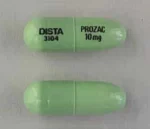
Approved atomoxetine capsules can vary in color and imprint by manufacturer. Appearance alone cannot prove authenticity. Compare the prescription, pharmacy label, manufacturer information and sealed packaging; ask the dispensing pharmacist to investigate an unexpected change.
Store the medicine according to the exact product label in its original pharmacy-labeled container, protected from excess heat and moisture. Keep it away from children and anyone for whom it was not prescribed. Do not transfer capsules into an unlabeled organizer for shipping or resale.
If a package arrives wet, open, crushed or mislabeled, keep it separate and contact the pharmacy using independently verified details. Do not take one capsule as a test.
Frequently Asked Questions About Strattera
What is Strattera?
Strattera is a brand of atomoxetine, a prescription selective norepinephrine reuptake inhibitor used to treat ADHD.
Is Strattera approved for adults?
Yes. Current U.S. labeling includes adults and pediatric patients six years of age and older with ADHD.
Is Strattera a stimulant?
No. It is generally described as a non-stimulant ADHD medicine, although it still affects the central nervous system and requires monitoring.
Is atomoxetine a controlled substance?
No. Atomoxetine is not federally scheduled in the United States, but it remains prescription-only.
Does Strattera work immediately?
Some changes may appear early, but meaningful benefit often develops over time. The prescriber should assess function across a suitable trial.
What are common Strattera side effects?
Nausea, appetite reduction, abdominal symptoms, tiredness, dizziness, dry mouth, constipation and sleep changes are among reported effects.
What is the boxed warning?
The boxed warning concerns an increased risk of suicidal ideation in children and adolescents and the need for close monitoring.
Can Strattera affect blood pressure?
Yes. It can increase blood pressure and heart rate, so baseline and periodic checks may be needed.
Can Strattera damage the liver?
Rare severe liver injury has been reported. Dark urine, jaundice, itching or unexplained upper-abdominal pain needs prompt review.
Can the capsule be opened?
No. Current labeling says atomoxetine capsules should be swallowed whole and not opened.
Can Strattera be taken with fluoxetine or paroxetine?
These medicines can strongly inhibit CYP2D6 and increase atomoxetine exposure. The prescriber must review the combination.
Can Strattera be used with an MAOI?
No. Atomoxetine is contraindicated with MAOIs and during the label-defined separation period.
Can Strattera affect growth?
Weight and height should be monitored during pediatric treatment, especially when appetite is persistently reduced.
Can Strattera cause urinary problems?
Urinary hesitation or retention can occur. Inability to urinate or painful bladder fullness requires prompt care.
What if Strattera does not work?
Do not increase it independently. Review diagnosis, adherence, interactions, sleep, goals and alternative treatments with the prescriber.
Can Strattera be bought without a prescription?
No. A legitimate U.S. pharmacy requires a valid prescription from an authorized prescriber.
Can someone stop Strattera suddenly?
Labeling states that it can be discontinued without tapering, but the prescriber should still plan for returning symptoms and safety.
How should an online pharmacy be checked?
Confirm the legal pharmacy name, address and active license in the relevant state board of pharmacy database before ordering.
Medical Disclaimer and Authoritative Sources
This content is educational and does not diagnose ADHD, select a medicine or replace advice from a licensed prescriber or pharmacist. Current product labeling and the patient-specific pharmacy instructions take priority. Call emergency services for immediate self-harm risk, severe allergic reaction, chest pain, collapse, seizure, a prolonged painful erection or another medical emergency.