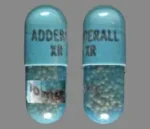


Generic Strattera 25 mg
Price range: $1,267.20 through $4,200.00
| Variation | Price | Quantity | Add To Cart |
|---|---|---|---|
| 300 pills | $4,200.00 |
|
Add to cart |
| 180 pills | $2,534.40 |
|
Add to cart |
| 240 pills | $3,379.20 |
|
Add to cart |
| 90 pills | $1,267.20 |
|
Add to cart |
Strattera 25 mg (Atomoxetine): Caregiver and Patient Guide to a Weight-Based ADHD Strength
Strattera 25 mg is a prescription capsule containing 25 mg of atomoxetine. It is one of several marketed strengths used to build an individualized treatment plan for attention-deficit/hyperactivity disorder (ADHD) in adults and pediatric patients age 6 and older. Atomoxetine is a selective norepinephrine reuptake inhibitor and is not a stimulant or federally controlled substance.
The 25 mg capsule is a dosage form, not a universal starting or target dose. For children and adolescents weighing under 70 kg, U.S. labeling uses weight-based daily dosing rather than selecting a capsule by age. Patients weighing 70 kg or more and adults generally have a labeled 40 mg starting dose. A prescriber may use 25 mg to match a calculated dose, make a cautious adjustment, account for liver or metabolic factors, or combine strengths. Do not calculate a child’s dose from this page.
Anyone planning to buy Strattera 25 mg online should first obtain a valid prescription after an ADHD and medical evaluation. A legitimate pharmacy verifies the prescription, patient, strength, and interactions. It should never encourage a parent to choose 25 mg based only on a product description.
What Makes 25 mg a Distinct Strength?
Atomoxetine capsules are available in multiple strengths, including 10, 18, 25, 40, 60, 80, and 100 mg. This range helps a clinician approximate weight-based treatment in younger patients and create adult titration or adjustment plans. The label does not say that every patient passes through every strength.
For patients under 70 kg, the labeled initial total daily dose is approximately 0.5 mg/kg, with a target of approximately 1.2 mg/kg after a minimum of three days. The maximum is 1.4 mg/kg or 100 mg, whichever is less. Those figures require an accurate current weight, clinical judgment, interaction review, and available capsule strengths. The prescriber determines how the calculated amount is translated into capsules.
For a patient with moderate or severe liver impairment or who is a CYP2D6 poor metabolizer or takes a strong CYP2D6 inhibitor, exposure can be higher and adjustments may be needed. Never assume that 25 mg is automatically safe because it is lower than another capsule.
ADHD Assessment Before Medication
ADHD is diagnosed from a persistent pattern of inattention and/or hyperactivity-impulsivity that interferes with function, begins in the developmental period, appears in more than one setting, and is not better explained by another condition. A questionnaire score alone is not enough.
For a child, evaluation may include parent and teacher information, school performance, developmental history, sleep, hearing and vision, learning differences, trauma, anxiety, depression, autism, seizure history, substances in the home, and family cardiac history. For an adult, the clinician may review childhood symptoms, work and relationship impairment, mood, anxiety, sleep, substance use, medical conditions, and previous records.
Atomoxetine should be part of a total treatment program that may include psychological, educational, social, and behavioral measures. Medication can reduce ADHD symptoms, but it does not teach organizational skills or resolve every learning and environmental barrier.
How Atomoxetine Works and What It Is Not
Atomoxetine selectively inhibits the presynaptic norepinephrine transporter. Its exact therapeutic mechanism in ADHD is not fully understood, but increased noradrenergic signaling is believed to contribute to improved attention and reduced impulsivity and hyperactivity.
It is not an amphetamine or methylphenidate and is not federally scheduled. It does not mean the medicine has no serious risks. It carries a boxed warning about suicidal ideation in children and adolescents and can affect blood pressure, heart rate, liver health, urination, mood, growth, and sexual function.
Unlike many stimulants, the benefit is generally not judged from a single dose. Improvement may develop gradually over weeks. Parents should not give an extra capsule for a difficult school day or skip based solely on a quiet weekend.
How Strattera 25 mg May Fit a Pediatric Plan
A clinician may select 25 mg when it helps approximate the calculated daily amount for a child or adolescent. Weight should be measured, not guessed. The dose may be given once in the morning or divided into morning and late-afternoon/early-evening doses according to the prescription.
The caregiver should be able to state:
- the child’s current weight used for the calculation;
- the total daily milligrams prescribed;
- the number and strength of capsules at each time;
- whether the dose is once daily or divided;
- the planned date for reassessment or titration;
- which school-day and weekend schedule applies; and
- the urgent warning signs and contact numbers.
If the capsule combination changes, remove the old instructions from the dosing area. A 25 mg capsule can look different by manufacturer, so label each supply clearly.
How to Take the Capsule Safely
Take Strattera exactly as prescribed, with or without food. Swallow capsules whole. Do not open, crush, chew, or sprinkle the contents. Atomoxetine is an ocular irritant. If a capsule opens accidentally and powder contacts an eye, flush the eye immediately with water and obtain medical advice; wash contaminated hands and surfaces.
A divided schedule should follow the exact times on the prescription. Do not move a late dose closer to bedtime without advice if sleep is affected. If a dose is missed, take it when remembered unless it is close to the next dose; do not exceed the prescribed total in 24 hours or double.
Do not stop or restart repeatedly based on daily behavior. The label states that Strattera can be discontinued without tapering, but the prescriber should still guide changes so symptoms, mood, and adverse effects can be assessed.
Boxed Warning: Suicidal Ideation in Children and Adolescents
Atomoxetine increased the risk of suicidal ideation in short-term studies of children and adolescents with ADHD. No suicides occurred in those trials, but the signal requires close monitoring, especially during the first months and when the dose changes.
Parents and caregivers should watch for new or worsening thoughts of death, self-harm talk, giving away possessions, withdrawal, intense hopelessness, agitation, irritability, unusual aggression, panic, insomnia, impulsive danger, or sudden behavior changes. Ask direct, calm questions about safety rather than assuming a child would volunteer the information.
Contact the prescriber immediately for concerning symptoms. Call emergency services or a crisis service when there is a plan, intent, attempt, inability to maintain safety, severe aggression, or psychosis. Do not wait for the next appointment.
Heart and Circulation Screening
Atomoxetine can increase heart rate and blood pressure. Serious cardiovascular events have been reported in patients with structural heart abnormalities or other serious heart problems. The prescriber should obtain a personal and family cardiac history and perform an appropriate examination before treatment.
Report congenital heart disease, cardiomyopathy, rhythm problems, fainting during exercise, chest pain, unexplained seizures, high blood pressure, stroke, family sudden death at a young age, or known long QT concerns. Blood pressure and pulse should be measured at baseline, after dose increases, and periodically.
Seek urgent care for chest pain, fainting, severe shortness of breath, a sustained fast or pounding heartbeat, weakness on one side, or speech difficulty. A lower capsule strength does not neutralize a serious cardiac contraindication.
Who Should Not Use Strattera
Current labeling includes contraindications for hypersensitivity to atomoxetine or capsule components, use with or within the required washout period of an MAOI, narrow-angle glaucoma, pheochromocytoma or a history of it, and severe cardiac or vascular disorders that would be expected to deteriorate with clinically important increases in blood pressure or heart rate.
These conditions require clinician interpretation. Do not use an online product filter as a substitute. If an MAOI, linezolid, or another high-risk medicine appears on the medication list, contact the prescriber and pharmacist before the first dose.
Severe Liver Injury
Rare but serious liver injury has been reported. Stop the medicine and seek medical advice promptly for itching, dark urine, yellow skin or eyes, right-upper abdominal pain, unexplained flu-like symptoms, or marked fatigue. The clinician may order liver tests and should not restart atomoxetine after evidence of liver injury caused by the drug.
Patients with moderate hepatic impairment may need reduced dosing, and severe impairment may require a larger reduction. The prescriber calculates adjustments; do not create them by opening capsules.
New Psychotic or Manic Symptoms
Atomoxetine can cause new psychotic or manic symptoms, including hallucinations, delusional thinking, or mania, even without a prior history. Screen for bipolar disorder before treatment. Report a greatly reduced need for sleep, unusually elevated or irritable mood, racing thoughts, rapid speech, grandiosity, or risky behavior.
Severe agitation, psychosis, or dangerous behavior requires urgent assessment. Do not simply label it “more hyperactivity.”
Aggression, Irritability, and Emotional Change
ADHD itself can involve emotional dysregulation, and other conditions can cause irritability. During atomoxetine treatment, monitor new hostility, aggression, severe mood swings, or behavior that is out of character. Note timing relative to dose changes and school or family stress, then report the pattern.
A caregiver should never punish a child for a possible adverse effect. Maintain safety and contact the treating clinician.
Growth, Appetite, and Weight Monitoring
Decreased appetite, nausea, abdominal pain, and weight loss can occur. Pediatric patients may experience slowed weight gain or growth. Record baseline height and weight and follow the clinician’s monitoring schedule rather than weighing daily.
Offer regular balanced meals and discuss the timing of appetite changes. Do not add high-calorie supplements, appetite stimulants, or drug holidays without professional guidance. Persistent weight loss, dehydration, vomiting, or failure to grow needs review.
Urination and Priapism
Atomoxetine can cause urinary hesitation or retention. Report pain, difficulty starting urination, a weak stream, inability to urinate, or new accidents. Acute inability to urinate needs urgent care.
Rare cases of priapism—painful or nonpainful erection lasting more than four hours—have occurred in pediatric and adult patients. This is an emergency because tissue damage can occur. Seek immediate medical treatment and do not wait for embarrassment to pass.
Common Side Effects
In children and adolescents, common effects can include nausea, vomiting, fatigue, reduced appetite, abdominal pain, and sleepiness. Adults may report constipation, dry mouth, nausea, decreased appetite, dizziness, sexual side effects, and urinary hesitation. Headache, mood change, sweating, or sleep disturbance can occur.
Take note of severity and functional impact. A pharmacist can review whether food timing or other medicines contribute. Do not change the capsule or add nonprescription treatments without checking interactions.
CYP2D6 Metabolism and Strong Inhibitors
CYP2D6 helps metabolize atomoxetine. People who are CYP2D6 poor metabolizers can have much higher exposure. Strong CYP2D6 inhibitors such as fluoxetine, paroxetine, and quinidine can produce a similar effect. Labeling provides slower titration guidance in these situations.
Tell the prescriber about antidepressants and rhythm medicines, including old prescriptions that may still be taken. A dose tolerated before fluoxetine was started may not have the same exposure afterward. Never adjust by alternating capsule strengths without a new written plan.
School Coordination Without Stigma
With appropriate consent, teachers or school staff can provide structured observations about attention, impulsivity, task completion, appetite, sleepiness, and behavior. The goal is not to make a child quiet; it is to improve function while preserving personality and well-being.
If a dose must be administered at school, use the original labeled container and follow school medication policy. Do not send a loose capsule in a lunchbox. Confirm who documents administration so doses are not repeated at home.
How to Evaluate Benefit
Choose specific targets: completing a morning routine with fewer prompts, remaining engaged in class, reducing impulsive interruptions, finishing work, safer driving for an adult, or improved organization. Review more than one setting.
Atomoxetine may require several weeks for a fuller effect. Lack of immediate change is not a reason to double. At follow-up, compare target symptoms, side effects, blood pressure, pulse, weight, adherence, and mental health.
Buying Strattera 25 mg Online Safely
Commercial searches include “buy Strattera 25 mg online,” “order atomoxetine 25 mg,” “Strattera 25 mg price,” “generic atomoxetine delivery,” and “online ADHD prescription.” Safe conversion requires an evaluation and valid prescription, even though atomoxetine is not controlled.
Verify that the service:
- uses a clinician licensed for the patient’s location;
- performs an ADHD, suicide-risk, bipolar, cardiac, liver, and interaction assessment;
- uses current weight for a pediatric plan;
- identifies the licensed dispensing pharmacy and provides pharmacist access;
- states brand or generic, 25 mg strength, quantity, manufacturer, and total price;
- does not advertise guaranteed diagnosis or a child’s dose without evaluation; and
- ships a sealed, patient-labeled container with the Medication Guide.
Avoid no-prescription sellers, bulk packs, unlabeled capsules, claims of “no side effects,” and websites that do not ask the patient’s age, weight, medicines, or heart history.
Brand Strattera Versus Generic Atomoxetine 25 mg
An approved generic contains the same active ingredient and strength and meets applicable quality and bioequivalence standards. Capsule color, imprint, inactive ingredients, manufacturer, and price may differ.
Ask the pharmacist to verify any appearance change. Do not open a capsule to inspect the powder. Patients with allergies should compare inactive ingredients.
Price, Insurance, and Refills
Strattera 25 mg cost depends on brand or generic, quantity, pharmacy, insurance, deductible, prior authorization, discount, consultation, and shipping. Compare the same strength and count. For a child, account for likely follow-up and possible prescription changes rather than buying an excessive supply.
Insurance may require a documented ADHD diagnosis, previous treatment, generic use, or a preferred pharmacy. If the dose changes, confirm whether old capsules should be retained or returned. Do not combine leftover strengths unless the prescriber writes the exact plan.
Delivery Inspection, Storage, and Disposal
Confirm patient name, atomoxetine or Strattera, 25 mg strength, directions, quantity, prescriber, pharmacy, manufacturer or imprint, and expiration or beyond-use date. Do not use a mixed, damaged, open, or incompletely labeled supply.
Store in the original closed container at the conditions on the pharmacy label, away from moisture and heat. Secure from children, even though it is not controlled. Use take-back disposal and never share.
A Caregiver Medication Log That Prevents Double Doses
When more than one adult supervises a child, verbal handoffs can fail. Use a single written or electronic log showing date, time, capsule strength, number of capsules, and initials of the person who administered it. Record vomiting after a dose but do not repeat the capsule unless a clinician advises it; the amount absorbed cannot be estimated safely.
Keep the prescription label beside the log. If a divided schedule is used, label the morning and later dose separately. School administration should be entered in the same record so an afternoon dose is not repeated at home. Set reminders that require confirmation rather than alarms that can be dismissed without documentation.
At every dose change, draw a line through the previous plan and start a new dated page. Do not merely overwrite “one 18 mg capsule” with “one 25 mg capsule,” because a substitute caregiver may follow an old message or photograph.
Weight Changes and Recalculation
Children grow, and appetite effects can also change weight. A dose calculated months earlier may no longer align with current weight or clinical response. The prescriber should remeasure and decide whether adjustment is needed; caregivers should not recalculate from online formulas.
Report sustained weight loss, clothing becoming loose, skipped meals, dizziness, dehydration, or slowed growth. At the same time, avoid making food and weight a daily conflict. A dietitian or pediatric clinician can help when nutrition becomes difficult.
A higher weight does not automatically require a higher capsule. Benefit, tolerability, blood pressure, pulse, interactions, and the labeled maximum still matter. When a patient crosses 70 kg, the clinician should review the plan rather than the family switching to the adult table on its own.
ADHD With Anxiety, Depression, Tics, or Sleep Problems
Coexisting conditions influence treatment goals and monitoring. Anxiety can resemble inattention, depression can reduce concentration, and chronic sleep loss can worsen impulsivity. Tics, autism, learning disorders, trauma, and substance use may also shape care. Atomoxetine may still be considered in some of these situations, but the clinician should define what symptom belongs to which condition.
Keep separate notes for attention, anxiety, mood, sleep, and adverse effects. If a child becomes withdrawn or hopeless, do not assume it is simply improved hyperactivity. If sleep worsens, review dose timing and other causes rather than adding a sedating medicine automatically.
Psychotherapy, parent training, school support, sleep treatment, and learning accommodations can remain important even when atomoxetine improves core ADHD symptoms.
Driving, Cycling, and Adolescent Independence
Atomoxetine can cause dizziness, sleepiness, or faintness, especially early in treatment or after a dose change. Adolescents and adults should not drive, cycle in traffic, swim alone, or use machinery until they know their response. Blood-pressure and heart-rate effects also matter during strenuous activity.
As a teenager begins managing their own medicine, teach the active ingredient, strength, timing, missed-dose rule, and urgent warnings. Supervision can be reduced gradually without turning the capsule into a secret or source of conflict. The teenager should know never to share ADHD medicine, even though atomoxetine is not a stimulant.
Pregnancy and Breastfeeding
Patients who are pregnant, planning pregnancy, or breastfeeding should discuss atomoxetine before use. Available information, ADHD severity, safety-sensitive functioning, alternative treatments, and potential fetal or infant exposure all contribute to the decision. Do not stop or restart based solely on an online forum.
For an adolescent, clinicians should provide age-appropriate confidential care while involving caregivers as required by law and safety needs. If pregnancy occurs, contact the prescriber promptly for individualized guidance.
How a Quality Online ADHD Consultation Should Work
A responsible service does not diagnose ADHD from a short retail quiz and then let the shopper select 25 mg. It gathers developmental and functional history, symptoms across settings, past records when available, mental-health and suicide risk, cardiac and family history, liver disease, current weight, medicines, and substance use. It also considers alternative explanations.
The clinician should explain why atomoxetine is chosen, what improvement is expected, how long assessment may take, and how blood pressure, pulse, weight, growth, mood, and adverse effects will be monitored. Pediatric treatment should include a parent or guardian process appropriate to local law.
Ask how school forms, refills, urgent mood changes, and dose adjustments are handled. A service that has no follow-up or crisis pathway is not a good fit for a medicine with a boxed warning.
Preventing Strength-Selection Errors
Multiple capsule strengths can create mistakes. Read the milligrams every time rather than relying on color. Keep only the current strength in the active dosing location. If the new plan combines strengths, write the total daily milligrams and the exact capsules; for example, do not label a bag merely “ADHD medicine.”
At checkout, compare the prescription, product page, cart, confirmation email, and delivery label. All should show 25 mg when that is the prescribed unit. If a website substitutes 20 mg—an amount not listed among standard U.S. Strattera capsule strengths—or any other strength, stop and contact the pharmacist.
Never open capsules to remove part of the powder. That produces an inaccurate dose and exposes eyes and skin to an irritant.
Weekends, Vacations, and School Breaks
Do not create “drug holidays” without the prescriber. Atomoxetine’s gradual action differs from that of many stimulants, and repeated stopping and restarting can complicate assessment. ADHD affects home, relationships, driving, sports, and self-care, not only classroom performance.
Before travel, carry the patient-labeled container, enough medicine for the authorized trip plus a reasonable delay allowance as permitted, and prescriber contact information. Check destination rules. Do not combine all family medicines in one organizer or checked bag.
Emergency Information to Keep With the Medicine
Caregivers should keep the prescriber, pharmacy, emergency service, crisis support, and poison-control contacts available. Also keep an updated list of medicines, allergies, health conditions, last dose time, and child’s current weight. This information speeds assessment after overdose, severe reaction, or behavioral crisis.
Call emergency services for an active suicide attempt or plan, collapse, chest pain with severe symptoms, fainting, seizure, severe allergy, stroke-like signs, or priapism. Call poison control immediately for an extra or unknown dose; do not wait for symptoms.
Frequently Asked Questions About Strattera 25 mg
Is 25 mg a normal dose for a child?
Pediatric dosing under 70 kg is weight-based. Twenty-five milligrams may fit some plans, but only the prescriber can calculate and select it.
Is 25 mg the adult starting dose?
The labeled starting dose for adults and patients 70 kg or more is 40 mg daily. A clinician may individualize for interactions, liver impairment, or tolerability.
Is Strattera a stimulant?
No. Atomoxetine is a selective norepinephrine reuptake inhibitor and is not federally controlled.
How long does it take to work?
Benefit may build gradually over several weeks. Do not judge it from one dose or increase it on your own.
Can the capsule be opened?
No. Swallow it whole. The contents are an ocular irritant.
Can it be sprinkled on food?
No. Do not open the capsule. Ask the prescriber about an appropriate formulation if swallowing is difficult.
What monitoring does a child need?
Mood and suicidality, blood pressure, pulse, growth, weight, appetite, sleep, liver symptoms, and treatment response should be reviewed.
Can it cause suicidal thoughts?
Atomoxetine carries a boxed warning for increased suicidal ideation in children and adolescents. Report changes immediately and obtain emergency help for immediate risk.
Can it be taken with fluoxetine?
Fluoxetine strongly inhibits CYP2D6 and can raise atomoxetine exposure. The prescriber must use the labeled adjustment approach.
Can I order Strattera 25 mg without a prescription?
No legitimate pharmacy should dispense it without a valid prescription.
What if a dose is missed?
Follow the pharmacy instructions, do not double, and do not exceed the prescribed total in 24 hours.
Can Strattera be stopped suddenly?
The label states it can be discontinued without tapering, but changes should still be coordinated with the prescriber.
What is priapism?
It is an erection lasting more than four hours and requires emergency care.
What liver symptoms are concerning?
Dark urine, yellow skin or eyes, itching, right-upper abdominal pain, or unexplained flu-like symptoms require prompt medical review.
Is generic atomoxetine acceptable?
An approved generic contains the same active drug and strength and meets applicable standards; appearance and inactive ingredients may differ.
Caregiver Summary
Strattera 25 mg is a useful capsule strength within individualized ADHD treatment, especially where weight-based pediatric dosing is translated into available units. It is not a default child dose. The caregiver should know the exact total daily milligrams, capsule schedule, current weight, monitoring plan, and emergency symptoms.
Use only a licensed prescription pathway when ordering atomoxetine 25 mg online. Keep capsules whole, protect eyes from damaged-capsule contents, monitor suicidality and growth, verify every refill, and never alter the dose to manage a difficult day.
At the first refill, review more than whether capsules remain. Compare parent and teacher observations, check appetite and growth, measure pulse and blood pressure as directed, ask the child privately and directly about mood and safety, and confirm that no new CYP2D6 inhibitor or other interacting medicine has been started. Verify that 25 mg is still the intended unit rather than an old titration step. If benefit is uncertain, bring specific examples of tasks that improved or remained difficult. This gives the prescriber better evidence than a general statement that the medicine “worked” or “did not work.”
Finally, preserve the child’s dignity. Discuss treatment in neutral language, avoid using the capsule as a reward or punishment, and involve the patient in age-appropriate decisions. Adherence improves when the reason for treatment and the safety plan are understood.
Keep one recent growth measurement, medication list, school contact, and safety plan with the refill record. When the child visits another household, provide the labeled bottle and exact log rather than a loose capsule. Confirm return counts without making the child feel accused. These small systems protect against missed, repeated, or incorrectly substituted doses while supporting gradual independence.
Medical Disclaimer
This content is educational and does not diagnose ADHD, calculate a pediatric dose, recommend Strattera, or replace current prescribing information, the Medication Guide, the prescription label, or advice from licensed clinicians and pharmacists. Seek emergency help for immediate self-harm risk, chest pain, fainting, severe allergy, seizure, priapism, or other severe reactions.
Authoritative References
| Select Variation |
300 pills ,180 pills ,240 pills ,90 pills |
|---|