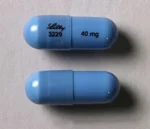


Generic Strattera 40 mg
Price range: $1,267.20 through $4,200.00
| Variation | Price | Quantity | Add To Cart |
|---|---|---|---|
| 300 pills | $4,200.00 |
|
Add to cart |
| 180 pills | $2,534.40 |
|
Add to cart |
| 240 pills | $3,379.20 |
|
Add to cart |
| 90 pills | $1,267.20 |
|
Add to cart |
Strattera 40 mg (Atomoxetine): Starting-Strength Guide for Adults and Patients 70 kg or More
Strattera 40 mg is a prescription atomoxetine capsule used in the treatment of ADHD. Under current U.S. labeling, 40 mg per day is the initial total daily dose for adults and for children or adolescents weighing 70 kg or more. The labeled target is 80 mg per day after a minimum of three days, while a maximum of 100 mg may be considered after an additional 2 to 4 weeks when response is not optimal. This schedule is not automatic and does not apply unchanged to every patient.
Forty milligrams can be a starting dose, an ongoing individualized dose, or one component of a divided plan. Strong CYP2D6 inhibitors, CYP2D6 poor-metabolizer status, hepatic impairment, cardiovascular risk, tolerability, and clinical response can change titration. Patients under 70 kg use weight-based labeling and should not be moved to 40 mg simply because of age.
Atomoxetine is a selective norepinephrine reuptake inhibitor. It is not a stimulant and is not federally controlled, but it is prescription-only and carries a boxed warning about suicidal ideation in children and adolescents. Anyone searching to buy Strattera 40 mg online should expect a meaningful ADHD and medical assessment rather than a retail dose selector.
The Pre-Start Baseline: What Should Be Recorded
A safe baseline allows later changes to be interpreted. Before the first 40 mg dose, document:
- the ADHD symptoms and functional targets treatment is meant to improve;
- current blood pressure and pulse;
- weight and, for pediatric patients, height and growth trajectory;
- personal and family history of heart disease, rhythm problems, fainting, exercise symptoms, or sudden death;
- depression, suicidal thoughts or attempts, bipolar disorder, mania, psychosis, anxiety, aggression, and substance use;
- liver disease, glaucoma, urinary problems, pheochromocytoma, seizures, pregnancy, and breastfeeding;
- every prescription, nonprescription medicine, and supplement, especially MAOIs and CYP2D6 inhibitors; and
- previous stimulant or nonstimulant response and adverse effects.
Not every patient needs the same tests. The prescriber decides whether cardiovascular evaluation, laboratory work, ECG, or specialist input is indicated.
What ADHD Treatment With Atomoxetine Aims to Improve
ADHD treatment should target impairment, not personality. Adult goals may include fewer missed deadlines, safer driving, better sustained attention, reduced impulsive spending, improved task completion, and more reliable household routines. For adolescents, goals may include school engagement, safer behavior, organization, and improved follow-through across home and school.
Atomoxetine may reduce inattention, hyperactivity, and impulsivity, but it does not instantly create motivation or organizational systems. Skills coaching, psychotherapy, accommodations, sleep treatment, and environmental supports may still be needed.
Response develops gradually and may continue to build over several weeks. A patient should not expect the same immediate “on/off” sensation associated with some stimulants. Absence of a noticeable feeling does not prove the medicine is inactive.
How 40 mg Fits the Labeled Titration
For adults and patients 70 kg or more, the label uses 40 mg as the starting total daily dose. After a minimum of three days, the total may be increased to the target 80 mg if the prescriber decides it is appropriate. If response remains suboptimal after an additional 2 to 4 weeks, the dose may be increased to a maximum of 100 mg.
When a strong CYP2D6 inhibitor such as fluoxetine or paroxetine is used, or the patient is known to be a CYP2D6 poor metabolizer, labeling recommends starting at 40 mg and increasing to 80 mg only if symptoms fail to improve after four weeks and the initial dose is well tolerated. This slower path illustrates why a standard 40 mg capsule can require different follow-up.
Moderate or severe hepatic impairment may require dosing reductions. The prescriber calculates the adjusted plan; capsules should never be opened to estimate a smaller amount.
Once-Daily and Divided Dosing
Strattera may be prescribed as a single daily dose in the morning or as evenly divided doses in the morning and late afternoon or early evening. The prescription must specify the total daily milligrams and capsule schedule.
A 40 mg capsule once daily is not the same as 40 mg twice daily. Read the directions rather than assuming from the strength. If a pharmacy label says “take two daily,” confirm whether both are taken together or divided. Do not move a later dose to bedtime without advice when sleep is affected.
Take with or without food. If nausea occurs, ask the clinician or pharmacist whether food timing could help. Do not alter the capsule.
Capsules Must Remain Closed
Swallow Strattera capsules whole. Do not crush, chew, open, or sprinkle the contents. Atomoxetine powder is an eye irritant. If a capsule breaks and the contents contact the eye, rinse immediately with water and obtain medical advice. Wash hands and contaminated surfaces.
If swallowing is difficult, contact the prescriber about an appropriate alternative. Do not attempt to dissolve the powder or divide it by sight.
Missed Doses and Treatment Interruptions
Take a missed dose when remembered unless the next dose is near, but never exceed the prescribed total in a 24-hour period and never double. Follow the pharmacy’s instructions because divided schedules can complicate timing.
The label allows atomoxetine to be discontinued without tapering, but a planned discussion is still useful. Stopping can allow ADHD symptoms to return, and repeated self-directed interruptions make response hard to judge. After a long gap, ask before restarting at the previous dose.
Boxed Warning and Mental-Health Monitoring
Atomoxetine carries a boxed warning about increased suicidal ideation in children and adolescents in short-term studies. Monitor all patients for worsening mood, suicidal thoughts, agitation, irritability, aggression, unusual behavior, and marked changes, especially early and after dose changes.
Seek emergency help for a suicide plan or attempt, inability to remain safe, severe psychosis, or dangerous mania. Contact the prescriber promptly for new hopelessness, self-harm thoughts, panic, severe insomnia, impulsive danger, or abrupt withdrawal.
Before treatment, screen for bipolar disorder. Reduced need for sleep, racing thoughts, unusually elevated or irritable mood, pressured speech, grandiosity, or risky behavior may indicate mania. New hallucinations or delusional thinking also require urgent assessment.
Blood Pressure, Pulse, and Cardiovascular Risk
Atomoxetine can raise blood pressure and heart rate. Measure both before treatment, after dose increases, and periodically. The medicine is contraindicated in severe cardiac or vascular disorders that would be expected to worsen with clinically important increases.
Tell the clinician about congenital or structural heart disease, cardiomyopathy, rhythm disorders, high blood pressure, fainting, exertional chest pain, stroke, unexplained seizure, or family sudden death at a young age. Some patients require further evaluation.
Obtain urgent care for chest pain, fainting, severe shortness of breath, sustained palpitations, stroke-like weakness, or speech difficulty. Dizziness on standing should also be reported because atomoxetine can be associated with orthostatic symptoms and syncope.
Contraindications That Must Be Screened
Do not use Strattera in patients with hypersensitivity to atomoxetine or product components; with an MAOI or within the required washout window; with narrow-angle glaucoma; with pheochromocytoma or a history of it; or with severe cardiovascular disorders that could deteriorate with blood-pressure or heart-rate increases.
Online checkout should pause when one of these is reported. Dose reduction does not solve a contraindication.
Rare Severe Liver Injury
Serious liver injury is rare but potentially severe. Stop and contact the clinician promptly for dark urine, jaundice, itching, right-upper abdominal tenderness, or unexplained flu-like illness. Laboratory testing may be needed.
Do not restart if the clinician determines atomoxetine caused liver injury. Existing hepatic impairment also changes dose exposure and may require adjustment.
Common Adult Side Effects
Adult adverse effects can include dry mouth, nausea, constipation, reduced appetite, dizziness, fatigue, sweating, sleep disturbance, decreased libido, erectile or ejaculation problems, and urinary hesitation. Pediatric patterns more often include nausea, vomiting, fatigue, abdominal pain, reduced appetite, and somnolence.
Record onset relative to the 40 mg start and any increase. Persistent inability to eat, significant weight loss, severe constipation, faintness, or urinary difficulty needs review. Do not add another medicine to counteract a side effect without an interaction check.
Urinary Retention and Priapism
Report difficulty starting urination, weak stream, painful urination, or incomplete emptying. Acute inability to urinate requires urgent care.
Priapism is an erection lasting more than four hours and can be painful or painless. It requires emergency treatment to reduce the risk of permanent injury. This warning applies to adolescents and adults; embarrassment should never delay care.
Strong CYP2D6 Inhibitors
Fluoxetine, paroxetine, and quinidine are examples of strong CYP2D6 inhibitors that can substantially increase atomoxetine exposure. The label uses a slower titration for adults and patients 70 kg or more who take these medicines or are known poor metabolizers.
Provide exact medicine names. “An antidepressant” is not specific enough. Changes in these interacting drugs can alter atomoxetine exposure even when the Strattera capsule stays at 40 mg.
Alcohol, Cannabis, and Other ADHD Medicines
Discuss alcohol and cannabis honestly. They can worsen attention, mood, sleep, driving, and side effects. Their use can make response difficult to interpret. Do not combine atomoxetine with a stimulant, decongestant, weight-loss medicine, or another noradrenergic drug unless the prescriber manages the plan.
Over-the-counter cold remedies may raise heart rate or blood pressure. Check them with a pharmacist.
Pregnancy and Breastfeeding
Patients who are pregnant, planning pregnancy, or breastfeeding need an individualized risk-benefit discussion. Consider ADHD severity, occupational and driving safety, previous response, alternatives, and available reproductive data. Do not stop or continue solely from online advice.
Monitoring at the First Follow-Up
Review blood pressure, pulse, appetite, weight, sleep, mood, suicidality, urinary symptoms, sexual effects, dizziness, and functional goals. Confirm adherence and whether the medicine is taken once or divided. Ask about new prescriptions, supplements, and substance use.
If 40 mg is tolerated but response is incomplete, the clinician decides whether enough time has passed and whether titration, more observation, behavioral support, or a different diagnosis is appropriate. The patient should not move to two capsules based on the target dose table alone.
Buying Strattera 40 mg Online Safely
High-intent searches include “buy Strattera 40 mg online,” “order atomoxetine 40 mg,” “Strattera 40 mg price,” “generic Strattera home delivery,” and “online ADHD prescription.” The safe purchase path requires a valid prescription and a licensed pharmacy.
Confirm that the service:
- uses a clinician licensed for the patient’s location;
- assesses ADHD across settings and screens alternative causes;
- reviews suicidality, bipolar disorder, cardiac history, blood pressure, pulse, liver history, glaucoma, pheochromocytoma, and interactions;
- explains whether 40 mg is a starting, continuing, or adjusted dose;
- identifies the dispensing pharmacy and provides pharmacist access;
- states brand or generic status, quantity, manufacturer, total price, and refill terms; and
- ships a sealed, patient-specific label with the Medication Guide.
Avoid no-prescription sellers, “instant ADHD diagnosis,” bulk offers, no pharmacist, and claims that nonstimulant means no monitoring.
Brand Strattera and Generic Atomoxetine 40 mg
An approved generic contains the same active ingredient and strength and meets applicable quality and bioequivalence standards. Capsule appearance, imprint, shell ingredients, manufacturer, and cost may differ.
Verify a changed refill with the pharmacist and do not open the capsule. Review inactive ingredients if allergies are present.
Price and Insurance
Price depends on brand or generic, capsule count, pharmacy, location, insurance, deductible, coupon, consultation, and delivery. Compare the same 40 mg product and quantity. Ask whether prior authorization, generic substitution, step therapy, or a preferred mail-order pharmacy applies.
Do not order an excessive supply during titration. If the dose changes, leftover capsules should be managed under prescriber and pharmacist instructions rather than combined experimentally.
Receiving, Storing, and Disposing
Verify patient name, atomoxetine or Strattera, 40 mg strength, directions, quantity, prescriber, pharmacy, manufacturer or imprint, and expiration or beyond-use date. Contact the pharmacist about a broken seal, mixed capsules, wrong strength, or unclear directions.
Store in the original closed container under labeled conditions, away from excess heat and moisture. Secure from children and do not share. Use a take-back program for unused capsules.
A 30-Day Start Calendar
Before day 1: confirm the diagnosis, baseline pulse and blood pressure, medication list, cardiovascular and family history, bipolar and suicide screening, pregnancy status when relevant, and the exact 40 mg schedule. Read the Medication Guide and save the prescriber and pharmacy contacts.
Days 1 to 3: record dose time, nausea, dizziness, sleep, appetite, urinary symptoms, and unusual mood or behavior. Do not decide on effectiveness yet. The label permits a standard increase after a minimum of three days, but only the prescriber should implement it.
Week 1: confirm whether the prescribed titration occurred and update the medication list. Check pulse and blood pressure as directed. Review work, driving, appetite, and sleep safety. Contact the clinician for severe or concerning effects.
Weeks 2 to 4: look for trends in target behaviors rather than a stimulant-like sensation. Review adherence, functional gains, side effects, and new interacting medicines. Patients taking a strong CYP2D6 inhibitor or known poor metabolizers may remain at 40 mg for a longer labeled assessment before any increase.
At follow-up: bring the log and medicine container. Decide whether 40 mg remains appropriate, whether more time or a dose change is justified, or whether another plan fits better.
Switching From a Stimulant to Atomoxetine
A switch from amphetamine or methylphenidate should use a written clinician plan. Some patients stop one before starting the other; others may have a managed overlap. The right approach depends on symptoms, side effects, cardiovascular status, substance-use risk, and the need for continuous functioning.
Do not compare the first atomoxetine day with the last effective stimulant day and immediately declare failure. Atomoxetine’s benefit can develop gradually. At the same time, a patient whose driving, work, or self-care becomes unsafe during a transition should contact the clinician promptly.
Return or dispose of unused stimulant medicine through an approved process; do not keep it for unsupervised “as needed” use. Combining the products can increase noradrenergic and cardiovascular effects and must be managed by the prescriber.
Sleep and Dose Timing
Atomoxetine can cause sleepiness in some patients and insomnia in others. Record whether difficulty occurs after the morning or later dose, along with caffeine, stimulant, alcohol, and screen patterns. Ask the prescriber before moving the schedule or dividing a dose.
Do not add a sedating antihistamine, alcohol, cannabis, or prescription hypnotic without review. Treat possible sleep apnea, restless legs, or circadian problems rather than assuming every sleep complaint is a medication effect. Better daytime organization can improve sleep routines, but that indirect benefit should not be confused with a sleep-medicine action.
Sexual Function and Urinary Symptoms in Adults
Adults may experience decreased libido, erectile difficulty, ejaculation problems, or other sexual changes. Depression, anxiety, relationship factors, endocrine conditions, and other medicines can contribute. Note when the symptom started and discuss it openly; skipping capsules around sexual activity produces inconsistent exposure and may not solve the problem.
Urinary hesitation can range from mild delay to inability to empty the bladder. Men with prostate symptoms and patients taking other medicines that affect urination should disclose them. Acute retention requires urgent care.
Priapism—an erection lasting more than four hours—is an emergency even if it is not painful. Go to emergency care rather than waiting for the prescriber’s office to open.
Exercise and Athletic Participation
Because atomoxetine can raise heart rate and blood pressure and can cause dizziness or fainting, discuss intense exercise, heat exposure, endurance events, and a history of exertional symptoms. Hydration and gradual conditioning do not replace cardiac screening.
Stop activity and seek evaluation for chest pain, fainting, severe breathlessness, or sustained palpitations. Athletes should keep the prescription documentation required by their organization and should not share the medicine as a performance aid. Atomoxetine is prescribed to treat ADHD, not to enhance concentration in people without a diagnosis.
Workplace and Driving Outcomes
Adults should define practical goals that are observable but private: fewer preventable errors, improved meeting follow-through, safer lane discipline, reduced impulsive phone use while driving, or completion of administrative tasks. An employer does not necessarily need diagnostic details; accommodation questions can be handled through applicable workplace processes.
During the first days, dizziness or sleepiness may impair driving. Do not drive until the response is known. Later improvement in ADHD does not cancel the need to obey road-safety rules, sleep adequately, and avoid alcohol or cannabis.
Medication Reconciliation at Every Healthcare Visit
Tell dentists, surgeons, emergency clinicians, and new specialists that atomoxetine 40 mg is active. Decongestants, antidepressants, pain medicines, and perioperative drugs may affect heart rate, blood pressure, or metabolism. Provide the actual last dose and schedule.
When fluoxetine, paroxetine, or another strong CYP2D6 inhibitor is started or stopped, ask whether the atomoxetine plan needs review. Maintain one current list and remove duplicated brand/generic entries so Strattera and atomoxetine are not mistakenly counted as two separate drugs.
Quality Markers for Telehealth ADHD Care
A high-quality online clinician explains diagnostic uncertainty and asks for evidence of childhood and cross-setting symptoms. The visit should include suicide and bipolar screening, heart and family history, blood pressure and pulse, liver history, current medicines, substance use, and functional goals. A prescription should not be guaranteed before the assessment.
Ask how vital signs will be obtained and verified, when follow-up occurs, who handles urgent mood changes, and how records are shared with primary care. A clinician may recommend an in-person exam, cardiac review, or another diagnosis; that is a sign of appropriate judgment, not poor service.
What an Extra Dose Requires
If more than the prescribed 40 mg amount is taken, contact poison control or a clinician immediately for individualized advice. Have the capsule strength, number taken, time, age, weight, symptoms, and other medicines ready. Do not wait for symptoms or induce vomiting.
Emergency warning signs include seizure, severe agitation, abnormal behavior, collapse, serious heart symptoms, extreme drowsiness, or inability to awaken normally. Keep the package for identification and do not drive the patient if emergency transport is advised.
Avoiding Automatic Refills During Titration
An automatic 90-day shipment may be wasteful when 40 mg is a starting step. Confirm the clinician’s titration and follow-up plan before enrolling. If the pharmacy ships another large supply after the dose changes, contact it rather than mixing bottles.
At each refill, compare the active total daily dose with the capsule strength. “40 mg capsule” can remain correct even when the total schedule changes, or it can be an outdated prescription. The patient should understand both numbers.
Travel and Time-Zone Changes
Carry Strattera in the original patient-labeled container and keep it in hand luggage. Check destination rules before international travel and bring only the authorized supply. Do not combine capsules in an unlabeled organizer that makes the 40 mg strength difficult to verify.
Ask the prescriber or pharmacist how to handle a major time-zone change, especially with divided dosing. Do not compress two doses into a short interval or exceed the prescribed amount within 24 hours. Maintain a written record when crossing the international date line.
When Blood Pressure Is Already Treated
Patients taking antihypertensive medicines still need monitoring because atomoxetine may oppose blood-pressure control or produce variable cardiovascular effects. Do not increase or skip a blood-pressure drug to compensate. Share home readings with the clinician, including the time relative to atomoxetine and symptoms.
Cold medicines, nicotine, high caffeine intake, stimulant products, and weight-loss drugs may add to heart-rate or pressure changes. A pharmacist should review them before use. Severe headache with neurologic symptoms, chest pain, fainting, or stroke-like signs needs emergency care.
Deciding Whether 40 mg Is Successful
A dose is not successful merely because side effects are absent, and it is not unsuccessful because no immediate sensation occurs. Use at least three functional targets and obtain observations from relevant settings. Compare completed tasks, impulsive errors, driving incidents, meeting follow-through, and emotional regulation over the clinician’s chosen assessment period.
Balance improvement against appetite, sleep, blood pressure, pulse, mood, sexual function, urination, and quality of life. Partial benefit may justify more time or another intervention; it does not automatically authorize 80 mg. A shared decision should document why the next step is continuation, titration, switching, or discontinuation.
Frequently Asked Questions About Strattera 40 mg
Is 40 mg the adult starting dose?
Yes, current U.S. labeling lists 40 mg daily as the initial dose for adults and patients 70 kg or more, subject to individual adjustment.
When does the dose increase to 80 mg?
The standard label permits an increase after at least three days, but the prescriber decides. With strong CYP2D6 inhibition or poor-metabolizer status, the label uses a slower four-week assessment.
Can a child take 40 mg?
Patients under 70 kg use weight-based dosing. A clinician may select a 40 mg capsule only when it fits the calculated plan.
Is atomoxetine a controlled stimulant?
No. It is a nonstimulant and not federally controlled, but it remains prescription-only.
Can the capsule be opened?
No. Swallow it whole. The powder is an ocular irritant.
How long until it works?
Improvement may build over several weeks. Do not increase based on the first few days.
Can 40 mg be taken twice daily?
Only if the written prescription sets that total and schedule. One 40 mg capsule does not determine the daily frequency.
Does it raise blood pressure?
It can increase blood pressure and heart rate. Baseline and periodic monitoring are recommended.
Can it be used with fluoxetine?
Fluoxetine can raise atomoxetine exposure. The prescriber must apply the appropriate adjustment and slower titration.
Can I buy Strattera 40 mg without a prescription?
No legitimate pharmacy should dispense it without a valid prescription.
What if I miss a dose?
Follow the label, do not double, and do not exceed the prescribed total in 24 hours.
Can it cause liver damage?
Rare severe liver injury has occurred. Jaundice, dark urine, itching, or right-upper abdominal pain requires prompt medical review.
What mood changes are urgent?
Suicidal thoughts, psychosis, dangerous mania, severe aggression, or inability to stay safe need immediate professional assessment.
Is generic atomoxetine equivalent?
An approved generic contains the same active ingredient and strength and meets applicable standards.
Can Strattera be stopped without tapering?
The label states it can be discontinued without tapering, but coordinate changes with the prescriber so symptoms and safety are reviewed.
Practical Summary
Strattera 40 mg is a standard marketed strength and the labeled starting total daily dose for adults and patients 70 kg or more. Its role changes with metabolism, interacting drugs, liver function, tolerability, and response. Safe use includes baseline mental-health and cardiovascular review, blood-pressure and pulse monitoring, whole-capsule administration, and structured follow-up.
When ordering atomoxetine 40 mg online, choose a licensed clinical and pharmacy pathway, verify brand or generic status and total cost, and inspect the labeled delivery. Do not select 40 mg, double it, or split its contents without a prescription.
The most important practical distinction is between capsule strength and total daily dose. A cart that says “40 mg” cannot tell the patient whether the prescriber intends one capsule, a divided regimen, a temporary starting step, or a modified plan for CYP2D6 inhibition. Check the directions on every refill and ask the pharmacist to reconcile duplicate prescriptions. If both 40 mg and another strength remain active in the pharmacy system, confirm which should be dispensed before paying.
Keep clinical goals visible during the purchase process. Pharmacy convenience, a lower generic price, or home delivery is useful only when it supports an accurate, monitored treatment plan. Online access should make follow-up easier, not turn titration into self-service.
Before the first shipment is marked complete, confirm the follow-up appointment and vital-sign plan. A 40 mg starting prescription without a route to reassessment can leave a patient either undertreated or tempted to double capsules. Ask the pharmacy to send refill reminders early enough for clinical review but not to dispatch automatically. If the prescriber later changes the dose, update both the online account and the printed home medication list.
Medical Disclaimer
This content is educational and does not diagnose ADHD, recommend atomoxetine, establish a dose, or replace current prescribing information, the Medication Guide, the prescription label, or advice from licensed clinicians and pharmacists. Seek emergency help for immediate self-harm risk, chest pain, fainting, severe allergy, seizure, priapism, or suspected overdose.
Authoritative References
| Select Variation |
300 pills ,180 pills ,240 pills ,90 pills |
|---|