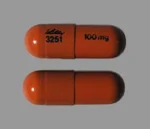

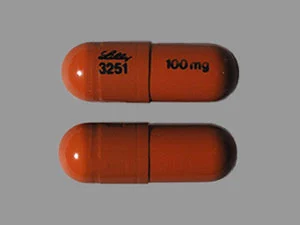
Generic Strattera 100 mg
Price range: $1,480.50 through $4,875.00
| Variation | Price | Quantity | Add To Cart |
|---|---|---|---|
| 300 pills | $4,875.00 |
|
Add to cart |
| 180 pills | $2,961.00 |
|
Add to cart |
| 240 pills | $3,936.00 |
|
Add to cart |
| 90 pills | $1,480.50 |
|
Add to cart |
Strattera 100 mg (Atomoxetine): Maximum-Dose Safety and Purchase Guide
Strattera 100 mg is the highest marketed U.S. capsule strength of atomoxetine. For adults and pediatric patients weighing 70 kg or more, 100 mg per day is the labeled maximum total daily dose. It is not the standard starting dose. Current labeling begins these patients at 40 mg, targets 80 mg, and allows consideration of 100 mg only when response remains suboptimal after an additional 2 to 4 weeks.
For children and adolescents under 70 kg, the labeled maximum is 1.4 mg/kg or 100 mg, whichever is less. Many lower-weight patients therefore have a maximum below 100 mg. A 100 mg capsule must never be chosen from an age-based product page or because another strength did not create an immediate effect.
Atomoxetine is a nonstimulant selective norepinephrine reuptake inhibitor and is not federally controlled. Maximum-strength status does not mean it is more complete, more effective for everyone, or suitable for unmonitored online purchase. Anyone searching to buy Strattera 100 mg online should have a valid prescription, documented titration and response review, and a licensed pharmacy that confirms the total daily dose.
The Most Important Fact: 100 mg Is a Ceiling, Not a Starting Point
The label does not support routine initiation at 100 mg. Before this dose is considered in an adult or patient 70 kg or more, the clinical record should show:
- a confirmed ADHD diagnosis and functional targets;
- initial treatment and tolerability at a lower dose;
- an adequate trial at the 80 mg target;
- suboptimal response after an additional 2 to 4 weeks;
- review of adherence, timing, alternative diagnoses, sleep, substances, and behavioral supports;
- blood-pressure, pulse, mood, appetite, weight, liver, urinary, and sexual-effect monitoring; and
- assessment of CYP2D6 status or inhibitors and hepatic impairment.
Current labeling states that no data support increased effectiveness above 100 mg per day. Do not add another capsule, take 100 mg twice daily, or combine leftover strengths above the prescribed maximum.
When the Maximum Is Lower Than 100 mg
For a patient under 70 kg, multiply-by-weight labeling establishes a maximum of 1.4 mg/kg, capped at 100 mg. Because the instruction is “whichever is less,” a lower-weight patient may have a ceiling well below one 100 mg capsule. Only the prescriber should calculate it.
Moderate hepatic impairment calls for reduced starting and target doses, while severe impairment requires a larger reduction. Strong CYP2D6 inhibitors and poor-metabolizer status raise exposure and use a slower escalation schedule. These factors can make the highest capsule inappropriate even in a heavier adult.
Why More May Not Produce More Benefit
ADHD symptoms can remain for reasons unrelated to inadequate milligrams. Missed doses, inconsistent timing, wrong diagnosis, sleep deprivation, depression, anxiety, substance use, learning disorders, occupational mismatch, lack of behavioral supports, and unrealistic expectations can all look like partial response.
Side effects may also impair the same functions treatment aims to improve. Insomnia, fatigue, dizziness, reduced appetite, mood change, or cardiovascular symptoms can worsen concentration and productivity. Increasing exposure in that situation may reduce net benefit.
A maximum dose should be retained only when measurable improvement outweighs harms. It should not become permanent through automatic refills without review.
How Atomoxetine Works
Atomoxetine selectively inhibits the norepinephrine transporter. It is not an amphetamine or methylphenidate and usually does not produce the same rapid, noticeable onset as a stimulant. Benefit can build over weeks.
One 100 mg capsule should not be used “as needed” for a demanding day. Treatment follows a regular prescription schedule and may be combined with psychological, educational, social, behavioral, or coaching interventions.
How to Take a 100 mg Capsule
Take exactly as prescribed, with or without food. Strattera may be given once in the morning or divided between morning and late afternoon or early evening, but a single 100 mg capsule cannot itself be divided. If 100 mg is the total daily dose, the prescriber may choose the 100 mg capsule or another authorized combination.
Swallow whole. Do not open, crush, chew, or sprinkle. Atomoxetine powder irritates eyes. Rinse immediately with water and obtain medical advice after eye contact; wash hands and contaminated surfaces.
Do not double a missed dose or exceed the prescribed amount within 24 hours. Contact the pharmacist for missed-dose guidance. Although the label allows discontinuation without tapering, involve the prescriber before stopping or restarting a maximum dose.
Boxed Warning: Suicidal Ideation
Atomoxetine carries a boxed warning for increased suicidal ideation in children and adolescents in short-term studies. Monitor closely during initiation and dose changes. A move to 100 mg is a dose change and deserves renewed attention.
Warning signs include self-harm thoughts, talk of death, hopelessness, agitation, panic, severe irritability, aggression, unusual withdrawal, insomnia, or impulsive danger. Seek emergency help for plan, intent, attempt, psychosis, or inability to stay safe. Adults should also report suicidal thoughts promptly.
Psychosis, Mania, and Aggression
New hallucinations, delusions, manic symptoms, or severe behavioral disturbance can occur. Screen for bipolar disorder before treatment. Reduced need for sleep, racing thoughts, elevated or extremely irritable mood, pressured speech, grandiosity, or risky behavior requires prompt assessment.
Do not interpret severe activation as evidence that the maximum dose is “working.” Contact the clinician; seek urgent care when safety is threatened.
Cardiovascular Risk at the Daily Maximum
Atomoxetine can raise blood pressure and heart rate. Baseline, post-increase, and periodic measurements are important. A maximum dose increases the importance of knowing the patient’s actual exposure, other noradrenergic medicines, decongestants, caffeine, nicotine, and CYP2D6 interactions.
Report structural heart disease, cardiomyopathy, rhythm disorders, hypertension, stroke, exertional chest pain, fainting, unexplained seizures, or family sudden death. The drug is contraindicated in severe cardiac or vascular disorders expected to worsen with clinically important pressure or pulse increases.
Seek urgent care for chest pain, fainting, severe shortness of breath, sustained palpitations, severe headache with neurologic signs, one-sided weakness, or speech difficulty.
Contraindications
Do not use with an MAOI or within the required washout period. Other contraindications include hypersensitivity, narrow-angle glaucoma, pheochromocytoma or history of it, and severe cardiovascular disorders that could deteriorate with blood-pressure or heart-rate increases.
No dose—including less than 100 mg—should be used to work around a contraindication without specialist evaluation.
CYP2D6 Poor Metabolizers and Strong Inhibitors
Poor CYP2D6 metabolizers can have substantially higher atomoxetine exposure. Strong inhibitors such as fluoxetine, paroxetine, and quinidine can produce a similar effect. For adults and patients 70 kg or more in these situations, labeling starts at 40 mg and allows an increase to 80 mg only after four weeks if symptoms fail to improve and the initial dose is tolerated.
This guidance does not create an automatic route from 80 to 100 mg. A maximum-strength prescription in a patient taking a strong inhibitor deserves explicit confirmation. Starting or stopping the inhibitor can change exposure even when the atomoxetine dose stays the same.
Severe Liver Injury and Hepatic Impairment
Rare severe liver injury has been reported. Stop and obtain prompt medical assessment for dark urine, jaundice, itching, right-upper abdominal pain, or unexplained flu-like illness. Do not restart if atomoxetine caused liver injury.
Moderate and severe hepatic impairment require reduced dosing relative to normal. A 100 mg capsule is unlikely to fit many such plans. Do not open the capsule to create a fraction.
Appetite, Weight, and Growth
Reduced appetite, nausea, abdominal pain, fatigue, and weight loss can occur. Pediatric height and weight need periodic monitoring. Adults should report clinically meaningful weight loss, dehydration, or inability to maintain nutrition.
At a maximum dose, do not normalize severe appetite suppression as the price of treatment. Review meal timing, dose, health, and alternatives with the clinician.
Urinary and Sexual Effects
Urinary hesitation or retention can occur. Acute inability to urinate needs urgent care. Sexual effects may include decreased libido, erectile difficulty, or ejaculation problems.
Priapism—an erection lasting more than four hours—requires emergency treatment even if painless. Do not wait for a routine appointment.
Common Adverse Effects
Adults may experience dry mouth, nausea, constipation, reduced appetite, dizziness, fatigue, sweating, sleep problems, urinary hesitation, or sexual effects. Children may experience nausea, vomiting, fatigue, abdominal pain, reduced appetite, and sleepiness.
Record effects before and after the increase to 100 mg. If the higher dose adds harm without clear functional improvement, the prescriber should reassess.
Pregnancy and Breastfeeding
Discuss pregnancy, plans for pregnancy, and breastfeeding. A maximum dose requires the same individualized risk-benefit review as any other prescription, with attention to ADHD severity, safety-sensitive functioning, alternatives, and available reproductive data.
A Maximum-Dose Review Appointment
Bring the 100 mg bottle, a complete medicine list, home vital-sign record if requested, and specific functional examples. The clinician should review:
- why 80 mg was considered insufficient;
- how long 100 mg has been used consistently;
- which ADHD outcomes improved and by how much;
- blood pressure, pulse, weight, appetite, sleep, mood, and suicide risk;
- liver, urinary, and sexual symptoms;
- new CYP2D6 inhibitors, other noradrenergic agents, substances, or decongestants;
- behavioral and educational supports; and
- whether continuation, reduction, switching, or another evaluation is best.
Buying Strattera 100 mg Online Safely
Transactional phrases include “buy Strattera 100 mg online,” “order atomoxetine 100 mg,” “Strattera 100 mg price,” “generic atomoxetine maximum dose,” and “online ADHD prescription delivery.” A lawful pharmacy should treat 100 mg as a prescription ceiling requiring accurate verification.
Before purchase, confirm:
- a clinician licensed for the patient’s location prescribed it after a documented titration and response review;
- 100 mg is the total daily dose, not a capsule to be combined with another strength;
- the patient weighs 70 kg or more, or the lower-weight maximum calculation specifically supports the plan;
- CYP2D6 inhibitors, liver function, contraindications, blood pressure, pulse, mood, and adverse effects were reviewed;
- the dispensing pharmacy is licensed and a pharmacist is available;
- brand or generic status, manufacturer, capsule count, total price, and refill period are clear; and
- the delivery is sealed, patient-labeled, and includes the Medication Guide.
Avoid websites that call 100 mg the “strongest option” as a sales benefit, sell it without a prescription, guarantee better focus, or suggest combining it with another capsule.
Brand Strattera Versus Generic Atomoxetine 100 mg
An approved generic contains the same active ingredient and strength and meets applicable quality and bioequivalence standards. Appearance, imprint, inactive ingredients, manufacturer, packaging, and price may differ.
Verify any changed capsule with the pharmacist. Do not open it to compare contents.
Strattera 100 mg Price and Insurance
Cost varies by brand or generic, count, pharmacy, insurance, deductible, prior authorization, coupon, consultation, and shipping. Compare the same 100 mg product and quantity. Ask whether insurance requires evidence of lower-dose trials or generic use.
A 90-day automatic shipment may be inappropriate immediately after escalation. Confirm tolerability and follow-up before enrolling. Do not buy a larger quantity to reduce per-capsule cost when the maximum dose is still being evaluated.
Delivery Inspection
Check patient name, atomoxetine or Strattera, 100 mg strength, directions, quantity, prescriber, licensed pharmacy, manufacturer or imprint, and expiration or beyond-use date. Confirm that no other active atomoxetine strength will be taken.
Do not use broken, mixed, loose, or incorrectly labeled capsules. Quarantine the parcel and contact the pharmacist.
Storage and Disposal
Store in the original closed container under label conditions, away from excess heat and moisture. Secure from children and do not share. Use a medication take-back program for old strengths or unused maximum-dose capsules.
Evidence to Review Before Crossing From 80 to 100 mg
A dose increase should answer a defined clinical problem. The patient and prescriber should identify which important ADHD symptoms remain, how they impair function, and whether they occur throughout the day or only in a specific setting. A vague wish for “more focus” is not enough to judge the added risk and cost.
Confirm that 80 mg was taken consistently for the intended period. Review missed doses, vomiting, inconsistent schedules, and whether the capsule was actually swallowed. Examine sleep quantity, untreated sleep apnea, anxiety, depression, substance use, job stress, learning problems, and unrealistic workload. Residual difficulty from these causes may not respond to more atomoxetine.
Compare adverse effects at 40 and 80 mg. If blood pressure, pulse, appetite, weight, sleep, urinary function, sexual function, or mood already worsened, escalating may have a poor benefit-to-harm balance. Document the plan for reversing the increase if 100 mg adds no meaningful improvement.
What to Do When 100 mg Is Still Not Enough
Do not exceed the labeled maximum. Schedule reassessment. The clinician may revisit diagnosis, adherence, CYP2D6 exposure, comorbid conditions, behavioral treatment, accommodations, and other medicines. Depending on the patient, options may include more time, a different nonstimulant, a stimulant, combination treatment under specialist care, psychotherapy, ADHD coaching, or treatment of sleep and mood conditions.
Combination therapy is not a do-it-yourself method. Adding an old stimulant, decongestant, bupropion, weight-loss product, or high caffeine intake can increase cardiovascular or psychiatric risk. A pharmacist and prescriber should review the total noradrenergic and CYP2D6 burden.
Some impairment may require practical systems rather than pharmacologic escalation: calendar automation, reduced distractions, structured work blocks, written instructions, driving safeguards, academic accommodation, or family routines. Medication response is only one component of ADHD care.
A Maximum-Dose Interaction Audit
At 100 mg, every prescriber should see a current list of medicines and supplements. The review should specifically identify:
- fluoxetine, paroxetine, quinidine, bupropion, and other medicines that may inhibit CYP2D6;
- MAOIs and the required washout period;
- stimulants, decongestants, nicotine products, weight-loss medicines, and other agents that may raise pulse or blood pressure;
- antihypertensive drugs and medicines that affect urination;
- alcohol, cannabis, recreational stimulants, and high-dose caffeine;
- drugs associated with liver injury; and
- any duplicate listing of brand Strattera and generic atomoxetine.
The audit should be repeated when another medicine starts or stops. A maximum dose that was tolerable before a strong CYP2D6 inhibitor may produce much higher exposure afterward.
A Structured 100 mg Trial
Record the start date and the previous dose. For the first week, note nausea, appetite, dizziness, sleep, urinary symptoms, sexual effects, mood, and unusual behavior. Measure pulse and blood pressure according to the clinician’s plan. Do not use daily productivity alone, which fluctuates for many reasons.
Over the next several weeks, score two or three target functions consistently. Examples include on-time task completion, error rates, driving incidents, meeting follow-through, homework independence, or impulsive spending. Include reports from another setting when appropriate and consented.
At the review date, compare benefit at 100 mg with benefit at 80 mg. Continuing the maximum makes sense only when added improvement is clinically meaningful and adverse effects remain acceptable. If the difference is negligible, discuss whether a lower dose offers a better balance.
Adults Over 60 and Complex Medical Histories
Atomoxetine dosing is not automatically reduced at a particular adult age in the same way as some other drugs, but older adults may have cardiovascular disease, urinary symptoms, liver impairment, polypharmacy, falls, or sensitivity to dizziness. Clinical experience may be more limited in some older populations.
A 100 mg plan therefore warrants careful review of pulse, blood pressure, orthostatic symptoms, ECG or cardiology needs, prostate or bladder symptoms, glaucoma, and interactions. A history of stroke, heart disease, or fainting should not be minimized because ADHD remains impairing.
Driving and Safety-Sensitive Work
Atomoxetine may improve ADHD-related driving risks over time for some patients, but dizziness, sleepiness, fainting, or activation can create new hazards. Do not drive after an increase until the individual response is known. Airline, rail, industrial, military, healthcare, and other safety-sensitive roles may have occupational medication policies.
Report near-miss accidents, palpitations during work, or episodes of confusion. Do not use an extra capsule before an exam, long drive, or night shift. One 100 mg dose already reaches the labeled daily maximum.
Overdose and Accidental Combination With Old Strengths
Maximum-dose patients sometimes retain 40, 60, or 80 mg capsules from titration. Accidentally taking one in addition to 100 mg produces an above-maximum total. Contact poison control or emergency services immediately for case-specific advice. Do not wait for symptoms or induce vomiting.
Provide the exact strengths, number taken, time, age, weight, other medicines, and symptoms. Possible overdose effects include gastrointestinal symptoms, sleepiness, agitation, abnormal behavior, increased heart rate, blood-pressure changes, dilated pupils, and neurologic effects. Severe agitation, seizure, collapse, chest pain, serious rhythm symptoms, or inability to awaken normally requires emergency care.
Afterward, ask the pharmacist to reconcile all atomoxetine bottles and use take-back disposal for inactive strengths.
Telehealth Red Flags at the Highest Strength
A high-quality online clinician should not offer 100 mg to a new patient after a short quiz. The record should show ADHD diagnostic assessment, lower-dose history, vital signs, response at 80 mg, suicide and bipolar screening, cardiac and family history, liver and urinary review, current weight when pediatric, and CYP2D6 interactions.
Red flags include guaranteed “maximum focus,” a checkout upgrade from 80 to 100 mg, no blood-pressure or pulse plan, no follow-up, no pharmacist, and an automatic 90-day supply immediately after escalation. A clinician should be willing to decline the dose or request in-person evaluation.
Automatic Refill Safeguards
Do not activate automatic renewal until the 100 mg trial has been reviewed. If auto-refill is used later, set a clinical review before each renewal period. Confirm that there is no active 80 mg or combination prescription at another pharmacy.
At checkout, the product name, cart, confirmation, pharmacy label, and medication list should all show 100 mg and the same frequency. “One capsule daily” should not be silently changed to “two.” Review subscription cancellation terms so a dose reduction does not trigger another shipment.
Travel With a Maximum Dose
Carry atomoxetine in the original patient-labeled container and keep it in hand luggage. Bring a current medication list showing that 100 mg is the total daily maximum. Check destination rules and keep prescriber contact details available.
Time-zone changes can create uncertainty about the 24-hour total. Ask the pharmacist in advance rather than taking two doses close together. Do not mail capsules to a hotel or use a reshipping service that bypasses pharmacy rules.
Price Should Not Drive Dose Escalation
A 100 mg capsule may appear economically convenient compared with combining lower strengths, but cost does not establish appropriateness. The prescriber must first decide that the patient needs the maximum. Conversely, do not open a 100 mg capsule to stretch the supply or make lower doses; the contents are irritating and cannot be divided accurately.
When comparing cash prices, verify brand or generic, capsule count, consultation charges, shipping, coupon restrictions, and insurance. If 100 mg is not covered, ask for prior authorization or a clinically appropriate alternative rather than purchasing from an unlicensed seller.
Research and “Above-Maximum” Claims Online
A forum or study may mention doses outside current routine labeling. Research protocols have eligibility criteria, monitoring, and defined endpoints; they do not authorize self-treatment. Current labeling states that there are no data supporting increased effectiveness above 100 mg per day.
Do not interpret anecdotal tolerance as proof of safety. Genetic metabolism, interactions, organ function, and cardiovascular risk differ. A product seller should never use research-dose snippets to market a stronger regimen.
Questions to Ask Before Each 100 mg Refill
- What extra benefit did 100 mg provide compared with 80 mg?
- Are pulse and blood pressure acceptable?
- Have appetite, weight, sleep, mood, urination, or sexual function changed?
- Has any CYP2D6 inhibitor or stimulant-like medicine started or stopped?
- Are liver symptoms or new medical conditions present?
- Is 100 mg still the complete daily total?
- Are inactive lower strengths still stored at home?
- Is another treatment or support needed for residual impairment?
Frequently Asked Questions About Strattera 100 mg
Is 100 mg the highest Strattera dose?
It is the labeled maximum total daily dose for adults and patients 70 kg or more. Lower-weight patients have a maximum of 1.4 mg/kg or 100 mg, whichever is less.
Can treatment start at 100 mg?
No routine labeled plan starts adults at 100 mg. The adult starting total is 40 mg, with 80 mg as target before possible consideration of 100 mg.
Can I take more than 100 mg if it does not work?
No. One hundred milligrams is the labeled maximum, and there are no data supporting increased effectiveness above that amount. Contact the prescriber for reassessment.
Can a child take a 100 mg capsule?
A lower-weight child may have a maximum below 100 mg. Only a prescriber can calculate and select the dose.
Can the capsule be divided?
No. Swallow whole. The powder is an ocular irritant.
Is 100 mg more effective than 80 mg?
It may be considered after an adequate 80 mg trial when response remains suboptimal, but greater benefit is not guaranteed and risks may increase.
Can it be used with fluoxetine?
Fluoxetine raises atomoxetine exposure through strong CYP2D6 inhibition. A 100 mg prescription in this setting requires explicit specialist review.
Does 100 mg raise blood pressure?
Atomoxetine can increase blood pressure and heart rate at therapeutic doses. Monitoring is essential.
Can I order Strattera 100 mg without a prescription?
No legitimate pharmacy should dispense it without a valid prescription.
What if I accidentally take another capsule with 100 mg?
Contact poison control or emergency medical care immediately. Do not wait for symptoms or induce vomiting.
Can 100 mg cause suicidal thoughts?
Atomoxetine carries a boxed warning for suicidal ideation in children and adolescents. Monitor all patients for serious mood or behavior changes.
What liver symptoms require action?
Dark urine, jaundice, itching, right-upper abdominal pain, or unexplained flu-like symptoms require prompt medical review.
What is priapism?
An erection lasting more than four hours. It is a medical emergency.
Is generic 100 mg atomoxetine equivalent?
An approved generic has the same active ingredient and strength and meets applicable standards.
Can Strattera be stopped without tapering?
The label permits discontinuation without tapering, but a maximum-dose change should still be coordinated with the prescriber.
Maximum-Dose Summary
Strattera 100 mg is a maximum total daily dose for adults and patients 70 kg or more, not a routine start. Lower-weight patients can have a lower ceiling. Before continuation, the clinician should verify adequate lower-dose trials, measurable benefit, tolerability, vital signs, mental health, interactions, liver status, and the absence of a better explanation for residual symptoms.
When ordering atomoxetine 100 mg online, use only a licensed prescription and pharmacy process. Confirm that 100 mg is the complete daily total, avoid combining strengths, decline automatic large supplies during early evaluation, and inspect every delivery.
A practical maximum-dose rule is “no hidden milligrams.” The patient’s active medication list should contain only one current atomoxetine total, and every clinician should know it. Cold remedies, stimulants, antidepressants, supplements, and leftover capsules can all add risk or confusion even when the pharmacy bottle itself is correct. Bring the complete list—not only the Strattera bottle—to each review.
Patients should also know the exit plan. If the dose is ineffective, poorly tolerated, unaffordable, or no longer needed, the prescriber should explain whether to stop, return to a lower amount, or switch treatment. The label permits discontinuation without tapering, but a coordinated change helps manage returning ADHD symptoms and removes inactive maximum-strength capsules from the home safely.
Finally, never use the words “maximum dose” as a marketing advantage. They describe a safety boundary. The best dose is the lowest individualized exposure that produces worthwhile functional improvement with acceptable risk—not the largest capsule available.
Keep a dated record of the last lower dose, the first 100 mg dose, and the next review. If a new side effect appears, this timeline helps distinguish escalation effects from unrelated illness. Do not wait for a subscription renewal to report concerning symptoms. A dispensing service should provide clinical contact details separately from ordinary customer support, because urgent mood, cardiac, liver, urinary, or priapism concerns cannot be handled as shipping questions.
Medical Disclaimer
This content is educational and does not diagnose ADHD, recommend a maximum dose, or replace current prescribing information, the Medication Guide, the prescription label, poison-control advice, or care from licensed clinicians and pharmacists. Seek emergency help for immediate self-harm risk, severe cardiovascular symptoms, seizure, severe allergy, priapism, or suspected overdose.
Authoritative References
| Select Variation |
300 pills ,180 pills ,240 pills ,90 pills |
|---|