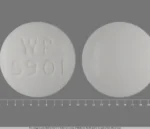

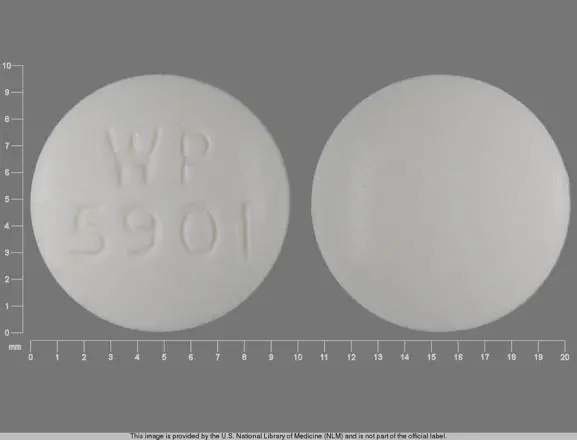
Generic Carisoprodol 250 mg
Price range: $399.00 through $569.00
| Variation | Price | Quantity | Add To Cart |
|---|---|---|---|
| 360 pills | $569.00 |
|
Add to cart |
| 180 pills | $499.00 |
|
Add to cart |
| 90 pills | $399.00 |
|
Add to cart |
Carisoprodol 250 mg: Start With the Recovery Goal, Not the Tablet
Carisoprodol 250 mg is a prescription muscle relaxant for short-term relief of discomfort associated with acute, painful musculoskeletal conditions in adults. The goal is not simply to lower a pain score or create sedation. A useful course should help the patient move, sleep and participate in recovery while avoiding unacceptable drowsiness, poor coordination, misuse and dangerous interactions.
The 250 mg tablet is the lower of the two commonly labeled carisoprodol strengths, but “lower strength” does not mean non-sedating, non-controlled or suitable for every person. Carisoprodol is a Schedule IV controlled substance in the United States. Its active metabolite, meprobamate, can contribute to impairment, dependence and withdrawal.
Current U.S. labeling limits use to a maximum of two or three weeks because acute musculoskeletal conditions are generally brief and evidence for longer effectiveness is inadequate. A prescription should therefore include a diagnosis, exact directions, recovery measures and a stop date. This guide does not replace an examination or authorize a personal dose.
A 60-Second Product and Safety Check
- Active ingredient: carisoprodol
- Strength: 250 mg per labeled tablet
- Role: short-course relief of acute painful musculoskeletal discomfort
- Not designed for: indefinite chronic pain treatment, nerve pain, routine anxiety relief or recreational sedation
- Common effects: drowsiness, dizziness and headache
- Major avoidable risk: combining it with opioids, benzodiazepines, alcohol or other sedatives
- Maximum labeled treatment period: two or three weeks
- Ordering rule: use a valid prescription and a licensed pharmacy
Is the Pain Pattern Appropriate for a Muscle Relaxant?
A recent strain or sprain may cause localized muscle pain, stiffness, spasm and guarded movement. Carisoprodol may be considered as an adjunct when those symptoms are acute and painful. It does not repair injured tissue and cannot identify the cause of pain.
Some symptoms require another pathway. New leg or arm weakness, loss of bladder or bowel control, numbness in the groin, fever, unexplained weight loss, severe pain after trauma, chest pain, abdominal pain, shortness of breath or progressive neurological symptoms should be assessed promptly. Sedating the patient before a serious diagnosis is excluded can delay care.
Long-standing pain, repeated flare-ups or pain with burning, electric or shooting qualities may need a chronic-pain or neuropathic evaluation. Reusing an old carisoprodol prescription can hide a changed condition.
What the 250 mg Strength Means
The 250 mg strength offers a lower amount per tablet than 350 mg. Dose choice may consider response, age, other medicines, driving and work duties, liver and kidney function, history of falls and substance-use risk. Only the prescriber should make that choice.
Patients sometimes assume the lower strength can be taken more often or doubled when pain is severe. That is unsafe. Total exposure depends on both strength and frequency. Two 250 mg tablets are not the same prescription as one 350 mg tablet, and changing the number of tablets can sharply increase sedation.
If 250 mg feels ineffective, first ask whether the diagnosis, timing, recovery measures and treatment goal are correct. Moving to 350 mg is not the only option and does not guarantee greater benefit.
Carisoprodol 250 mg vs 350 mg: A Practical Comparison
| Point | 250 mg | 350 mg |
|---|---|---|
| Active ingredient | Carisoprodol | Carisoprodol |
| Labeled role | Acute painful musculoskeletal conditions | Acute painful musculoskeletal conditions |
| Course length | Maximum two or three weeks | Maximum two or three weeks |
| Sedation | Can be clinically significant | Can be clinically significant and may be more frequent |
| Controlled status | Schedule IV | Schedule IV |
| Can a patient switch independently? | No | No |
Clinical trial information in branded labeling reported improvement with both strengths and more drowsiness in the 350 mg group than in the 250 mg group. Those results do not prove that 250 mg is best for everyone. They support a lowest-effective-dose discussion instead of a reflexive preference for the larger number.
The First 72 Hours: A Patient Checklist
- Verify the label. Confirm carisoprodol 250 mg, patient name, directions and planned end date.
- Clear the schedule of hazards. Do not plan driving, power-tool use, climbing or safety-sensitive work until the effect is known.
- Remove alcohol. Do not test whether a small amount is tolerated.
- Reconcile medicines. Ask the pharmacist about opioids, anxiety medicines, sleep aids, allergy products, antidepressants and cannabis.
- Measure function. Note whether walking, dressing, sleeping or gentle movement becomes easier.
- Measure impairment. Record drowsiness, dizziness, poor balance, slowed thinking and next-morning effects.
- Watch the diagnosis. Report new weakness, numbness, fever, loss of bladder control or pain in a new location.
- Secure the supply. Keep the bottle locked and count remaining tablets.
How Carisoprodol Produces Relief—and Why It Can Impair
Carisoprodol acts within the central nervous system. Its exact mechanism for relieving acute musculoskeletal discomfort is not completely established. The liver converts part of the dose to meprobamate, which has sedative properties and lasts longer than carisoprodol itself.
This explains why a patient can experience drowsiness, dizziness and slower reactions, and why next-day effects can occur. It also helps explain dependence and withdrawal after prolonged or excessive use.
The medicine does not directly relax an isolated injured muscle in the way a local mechanical treatment might. It changes central processing and can make a person feel less discomfort while also making activity less safe. Functional tracking is therefore essential.
Read Labeled Dosing as Context, Not a Personal Instruction
Current U.S. labeling describes 250 mg to 350 mg three times daily and at bedtime. That range is not a direction for every patient to take four doses. The prescription may differ because of individual risk, and the patient must follow the exact pharmacy label.
Do not add a dose when pain returns, take two tablets together, shorten the interval or use a bedtime dose as a daytime rescue. If a dose is missed, follow the pharmacist’s instruction and never double the next one.
The maximum recommended duration is two or three weeks. If the quantity, refill count or subscription offer suggests months of continuous use, request clarification before filling it.
Measure Benefit With a Functional Scorecard
Before starting, choose two or three activities limited by the acute condition—for example, standing from a chair, walking across a room, sleeping for a reasonable period or completing prescribed stretching. Rate the activity and repeat the measure daily.
A meaningful response should improve function without creating equal or greater impairment. If the medicine makes a patient too sleepy to attend physical therapy, walk safely or work, the plan may not be achieving its purpose.
Do not chase complete absence of pain with extra doses. Some discomfort can remain during tissue recovery. The clinician can help set realistic goals and identify when persistent pain requires a new diagnosis.
Driving, Commuting and Work Restrictions
Carisoprodol can impair mental and physical abilities needed for driving and machinery, and motor-vehicle accidents have been reported. Do not drive after a dose until the response is known and never drive while drowsy, dizzy, confused or poorly coordinated.
A lower 250 mg strength does not guarantee safe driving. Sedation is individual and can be intensified by sleep loss, alcohol, cannabis, opioids, anxiety medicines and antihistamines. A bedtime dose may still affect an early commute because meprobamate persists.
Ask the prescriber for specific guidance if work involves vehicles, construction, manufacturing, healthcare procedures, heights or responsibility for other people’s safety. Arrange alternative transport during the assessment period.
Think in Terms of a “Sedation Stack”
Risk is not determined by carisoprodol alone. Each central nervous system depressant adds to a stack. One layer may be an opioid pain medicine, another a benzodiazepine, another alcohol, and another a nighttime allergy product. Sleep deprivation, breathing disease and older age can further reduce safety.
The stack can produce profound drowsiness, poor judgment, falls, slowed breathing, coma or death. Medicines from different prescribers still interact. The pharmacist should review the full list before the first dose and whenever another product is added.
Do not attempt to reduce risk simply by separating substances by a few hours. Effects and metabolites can overlap. The safest plan may require removing one medicine, choosing another treatment or monitoring more closely.
Opioid and Benzodiazepine Combinations
Opioids such as oxycodone, hydrocodone, morphine, fentanyl, methadone, codeine and tramadol can suppress breathing. Benzodiazepines such as alprazolam, clonazepam, diazepam and lorazepam add sedation. Carisoprodol adds another depressant and is sometimes misused in this combination.
Concurrent use should occur only if the treating clinicians know every medicine and decide the benefit outweighs the risk. A clear plan may include the lowest appropriate amounts, short duration, avoidance of alcohol and caregiver awareness.
Call emergency services for slow or shallow breathing, blue or gray lips, inability to wake, collapse or severe confusion. Do not leave the person alone or allow them to sleep without assessment.
Over-the-Counter Medicines, Supplements and Cannabis
Diphenhydramine, doxylamine and other sedating antihistamines may appear in sleep, allergy and “PM” products. Cough syrups and combination cold remedies can contain several active ingredients. Show the pharmacist each label rather than naming only the brand.
Cannabis can increase sedation, dizziness, altered judgment and psychiatric effects. Herbal sleep aids and calming supplements may also add impairment. St. John’s wort can affect drug metabolism.
Caffeine and energy products do not cancel motor impairment. They can make the patient feel awake while coordination remains reduced and may add palpitations or anxiety.
CYP2C19 and Medication Interactions
CYP2C19 helps convert carisoprodol to meprobamate. Inhibitors such as omeprazole or fluvoxamine and inducers such as rifampin or St. John’s wort can alter exposure. Genetic differences may also change metabolism.
No patient should use this information to adjust the dose. The balance between carisoprodol and meprobamate is complex, and an interaction can change both effectiveness and adverse effects. Request a pharmacist review.
Include every prescription, over-the-counter medicine and supplement. A short two-week course still has enough time for a serious interaction.
Contraindications and Reasons to Choose Another Option
Do not use carisoprodol with acute intermittent porphyria or after a hypersensitivity reaction to carisoprodol, meprobamate or a related carbamate. Tell the pharmacy and prescriber about any prior reaction.
A different treatment may be safer when the patient has severe sedation from other medicines, uncontrolled breathing disease, repeated falls, a high-risk occupation or a significant history of controlled-drug misuse. Seizure history, liver and kidney impairment, pregnancy and breastfeeding require individual assessment.
Safety and effectiveness have not been established under age 16. Data are limited in adults over 65. The lower 250 mg strength does not remove these uncertainties.
Common Side Effects and What to Do
| Effect | Practical response |
|---|---|
| Drowsiness or dizziness | Stop driving and hazardous activity; contact the prescriber if significant or persistent |
| Headache | Discuss persistence or severity; do not add an interacting pain reliever without checking |
| Poor balance or faintness | Sit or lie safely, prevent falls and seek advice |
| Nausea or vomiting | Maintain safe hydration and contact the clinician if severe or ongoing |
| Agitation, confusion or hallucinations | Prompt medical assessment, especially with excess use or withdrawal |
| Slow breathing, inability to wake, seizure or collapse | Emergency services immediately |
Allergic Reactions and Other Urgent Symptoms
Severe swelling, hives, breathing difficulty or throat tightness requires emergency care. A suspected serious reaction should be documented, and the medicine should not be restarted without specialist advice.
A seizure, severe confusion, hallucination, loss of consciousness or marked coordination problem may reflect overdose, withdrawal or a multi-drug interaction. Provide emergency clinicians with the bottle and a complete substance list.
Do not drive to care if impaired. Call emergency services and follow dispatcher guidance.
Dependence Is Possible Even Though the Course Is Short
Carisoprodol and meprobamate can produce dependence. Risk rises with higher total exposure, prolonged use, frequent dosing and nonmedical combinations. Tolerance may cause the medicine to feel less effective and encourage escalation.
Signs of problematic use include taking it for relaxation, using more than directed, continuing after the injury improves, seeking early refills, obtaining it from multiple sources or combining it intentionally with depressants. Contact the prescriber early.
A substance-use history should be discussed without shame. It can lead to safer medication selection, smaller quantities, closer follow-up or recovery support.
Withdrawal and the End of Treatment
A typical brief course may have a straightforward stop plan, but abrupt discontinuation after prolonged, high-dose or nonmedical use can cause insomnia, nausea, vomiting, abdominal cramps, headache, tremor, muscle twitching, anxiety, poor coordination, hallucinations or psychosis.
Tell the clinician the amount actually taken. A taper based only on the original prescription may be too rapid if use escalated. Do not build a taper by cutting or skipping tablets without instructions.
Recurrent pain after stopping should be assessed as pain, not assumed to be withdrawal or a reason to restart. Both possibilities require clinical judgment.
Accidental Extra Dose and Overdose
If an extra tablet is taken, contact the pharmacist, poison-control resource or emergency services according to amount, symptoms and other substances. The threshold for emergency care should be low when opioids, benzodiazepines or alcohol are involved.
Overdose can cause profound sleepiness, poor coordination, abnormal eye movements, muscle rigidity, low blood pressure, changes in heart rate, slowed breathing, seizure, delirium, hallucinations, coma or death. Meprobamate can prolong the course.
Do not allow the person to sleep unattended or induce vomiting. Keep the labeled container available for responders.
Pregnancy and Breastfeeding
Pregnancy evidence is limited, and animal data create uncertainty. The prescriber should compare the expected short-term benefit with potential risk and consider other options. Tell the clinician about pregnancy plans, a possible pregnancy or a positive test.
Carisoprodol and/or meprobamate may enter breast milk. Infant sedation, feeding difficulty and effects on milk production are concerns. The prescribing and pediatric clinicians should coordinate the plan.
Do not assume 250 mg is automatically safe in pregnancy because it is lower than 350 mg. Risk is not determined by the strength name alone.
Older Adults and People With Liver or Kidney Impairment
Older adults may be more vulnerable to drowsiness, confusion, falls and multi-drug interactions. Clinical data are limited. The overall medication list and injury diagnosis should be reviewed before treatment.
Liver and kidney function can influence handling of carisoprodol and meprobamate. Provide current health information and laboratory history. Do not calculate a dose adjustment from general online information.
A patient who uses a walker, has fallen recently or takes several sedatives may need a non-sedating alternative and a focused fall-prevention plan.
Build the Non-Drug Recovery Plan
Depending on the injury, recovery may include short periods of relative rest, gradual movement, heat or cold, stretching, physical therapy, posture or ergonomic changes and a staged return to lifting or sport. Follow the clinician or therapist’s instructions.
Complete bed rest can sometimes delay recovery, while overly aggressive activity can worsen injury. The correct level depends on the diagnosis. Carisoprodol should not be used to mask pain so that a patient can ignore restrictions.
At the end of the short course, the patient should understand how to continue rehabilitation and what symptoms require reassessment. Medicine without that exit plan can become a substitute for recovery.
A Different Decision for Persistent Pain
If pain has not improved by the end of two or three weeks, do not simply renew carisoprodol. Review whether the problem is structural, neurological, inflammatory, infectious or referred from another organ. A physical examination, imaging, laboratory testing or specialist referral may be appropriate.
Chronic pain management focuses on diagnosis, function, sleep, mental health, rehabilitation and condition-specific medicines. A controlled muscle relaxant may not provide sustainable benefit.
Repeated short courses can quietly become long-term use. Count total exposure across prescribers and pharmacies rather than treating each prescription as unrelated.
Before Buying Carisoprodol 250 mg Online
Searches for carisoprodol 250 mg price, generic Soma 250 price and where to buy carisoprodol 250 mg online with a prescription have commercial intent, but the transaction must remain prescription-led. A safe online pharmacy requires a valid prescription, provides a verifiable physical address and telephone number, holds required licenses and makes a licensed pharmacist available.
- Confirm that both prescription and product label say carisoprodol 250 mg.
- Check the quantity against the two- or three-week maximum course.
- Reject “no prescription” or guaranteed questionnaire approval.
- Ask for an interaction review covering opioids, benzodiazepines, alcohol and sedating products.
- Verify manufacturer, tablet imprint, seal and expiration.
- Avoid automatic refills and large bulk orders.
- Use secure delivery and a clear error-resolution process.
Price Comparison Without Compromising Safety
The total cost depends on brand or generic selection, manufacturer, prescribed quantity, insurance coverage, pharmacy charges and shipping. Compare identical strength and quantity. A cheap 350 mg product is not a substitute for a 250 mg prescription, and buying excess tablets to lower unit price contradicts short-course use.
A lawfully approved generic contains carisoprodol 250 mg, though inactive ingredients and appearance may differ. The pharmacist can identify the manufacturer and expected imprint. Loose or unidentified pills are not acceptable.
Ask for the final cost before payment, including dispensing and delivery fees. Price transparency should include exactly what product will be supplied.
Inspect the Delivery Before Use
Check patient name, active ingredient, 250 mg strength, directions, quantity, pharmacy contact, prescription number, manufacturer and expiration. Keep the tamper-evident seal intact until the label is verified.
If tablets differ from a previous fill, contact the pharmacist. Generic appearance can change, but the new imprint should be identifiable. Do not rely on a search-engine image or seller chat alone.
Report a damaged, wet, overheated or opened package. Do not transfer medicine into an unmarked container before questions are resolved.
Storage, Security and Take-Back
Store in the original labeled bottle at the temperature printed on the package. Keep it dry, locked and away from children, visitors and anyone for whom it was not prescribed. Count tablets when diversion is a concern.
Never share, lend or sell carisoprodol. When treatment ends, use an authorized medicine take-back program. Ask the pharmacist for local disposal guidance if take-back is not immediately available.
Do not keep leftovers for the next back-pain episode. A new episode deserves a new diagnosis, and stored controlled medicine can be misused or accidentally ingested.
Questions to Take to the Appointment
- What is the specific cause of the acute pain?
- What activity should improve if the medicine is working?
- Why was 250 mg chosen instead of 350 mg or a different treatment?
- Which doses do I take and when does the course end?
- When may I drive and return to work?
- Which current medicines increase sedation?
- What physical therapy or movement plan should I follow?
- What symptoms require urgent reassessment?
- How should I stop based on my actual use?
Day 3, Day 7 and End-of-Course Checkpoints
By day 3, the patient should understand how strongly the medicine affects alertness, whether it improves the chosen functional activities and whether the interaction plan is workable. Severe sedation, no benefit, a fall or a new neurological symptom is a reason to contact the prescriber rather than waiting until the bottle is empty.
By day 7, an uncomplicated strain should generally show some direction of improvement, although recovery speed varies. Review movement, sleep, physical-therapy participation and any need for extra doses. If function is unchanged or worsening, the diagnosis or treatment plan may need adjustment.
At the end of the course, decide what happens next before the final tablet. The choices may include stopping as directed, completing rehabilitation, arranging reassessment or following a clinician-designed taper if actual use was longer or higher than intended. An automatic refill is not an end-of-course plan.
Pharmacist Consultation: Information Worth Requesting
Ask the pharmacist to read back the drug, 250 mg strength, number of doses per day and final treatment date. Request an interaction check using every current medicine, not only those filled at the same pharmacy. Mention alcohol, cannabis, sleep products and antihistamines.
Ask how the supplied tablet should look, whether it is scored, how it should be stored and what to do after a missed dose. If the generic manufacturer changes, ask the pharmacist to identify the new imprint before use.
For home delivery, ask how temperature exposure, damaged seals, missing tablets and incorrect packages are handled. A legitimate pharmacy should provide a reachable professional, not only an automated sales channel.
Counterfeit and Unsafe-Pharmacy Warning Signs
- The seller advertises “Soma 250 without prescription” or promises approval after payment.
- No verifiable pharmacy license, physical address, telephone number or pharmacist is provided.
- The medicine arrives as loose tablets, in a plastic bag or without a patient-specific dispensing label.
- The seller cannot identify the manufacturer, imprint, lot or expiration information.
- The quantity is far larger than a two- or three-week course or is enrolled in automatic monthly shipping.
- Customer support recommends doubling tablets or switching to 350 mg without contacting the prescriber.
- Payment is routed through an unrelated personal account, cryptocurrency demand or social-media message.
Do not ingest a questionable tablet and wait to see what happens. Keep the package separate from legitimate medicine, contact the pharmacy or regulator as appropriate and seek urgent help if an unknown tablet has already caused symptoms.
Caregiver and Household Safety
A responsible adult can help observe excessive sedation, falls, confusion and breathing changes, especially when treatment begins. The caregiver should know that snoring is not proof of normal breathing and that inability to wake is an emergency.
Store the bottle where children, teenagers, visitors and household members cannot access it. Do not describe the medicine as a general “back-pain pill” available to the household. Maintain a count and report missing tablets promptly.
If the patient has a history of overdose, self-harm or substance misuse, the clinician may recommend limited dispensing or supervised storage. Medication security is part of treatment, not a sign of distrust.
Myths That Can Lead to Unsafe Use
- “250 mg is too low to cause overdose.” Total dose and combinations matter; serious toxicity remains possible.
- “It is safe with alcohol because it is not an opioid.” Both depress the central nervous system and can cause dangerous impairment.
- “A muscle relaxant cures the injury.” It may reduce discomfort but does not replace tissue healing and rehabilitation.
- “If one tablet is safe, two are only slightly stronger.” Doubling changes exposure and can sharply increase sedation.
- “Prescription-free ordering is more convenient.” It removes the diagnosis, interaction and controlled-dispensing safeguards this medicine needs.
Carisoprodol 250 mg Frequently Asked Questions
Is carisoprodol 250 mg non-sedating?
No. It can cause meaningful drowsiness, dizziness, slowed reactions and poor coordination.
Is 250 mg safer than 350 mg?
It contains less medicine per tablet and may cause less drowsiness on average, but safety depends on total dose, frequency, other substances and patient factors. It is still controlled and sedating.
Can I take two 250 mg tablets if one does not work?
No. That would change the prescribed dose and can sharply increase impairment. Contact the prescriber.
How long should carisoprodol be used?
Current labeling limits treatment to a maximum of two or three weeks. The individual prescription may be shorter.
Can it treat nerve pain?
Its labeled role is acute painful musculoskeletal discomfort. Burning, electric or shooting nerve pain needs a diagnosis-specific plan.
Can I drink alcohol?
No. Alcohol adds sedation, poor coordination and overdose risk.
Can I take it with an opioid prescription?
Only if the treating clinicians know the full regimen and determine that the combination is necessary. Breathing suppression can be fatal.
Can I drive after taking 250 mg?
Do not drive until the effect is known and never drive while drowsy, dizzy or impaired. Follow the prescriber’s restrictions.
What if I miss a dose?
Use the pharmacist’s instructions. Do not double the next dose.
Can carisoprodol cause withdrawal?
Yes, particularly after prolonged, excessive or nonmedical use. A clinician may need to design a taper.
Is generic Soma 250 the same medicine?
A lawfully approved generic contains the same active ingredient and strength, although inactive ingredients and appearance may differ.
Can I use a leftover bottle for a new injury?
No. The diagnosis, interactions and safe treatment may be different. Use take-back disposal and obtain a fresh evaluation.
Can I buy carisoprodol without a prescription?
A legitimate pharmacy requires a valid prescription for this Schedule IV medicine. Avoid prescription-free sellers.
Why are large online quantities a warning sign?
The routine labeled course lasts no more than two or three weeks. Large or recurring supplies increase diversion, dependence and misuse risk.
What if the tablet looks different?
Do not take it until the dispensing pharmacist verifies the manufacturer, imprint and strength.
Final Recovery and Ordering Message
Carisoprodol 250 mg is a short-course prescription option for selected adults with acute painful musculoskeletal conditions. Its lower strength does not remove sedation, controlled-substance, interaction or dependence risks. Use the exact dose, protect driving and workplace safety, avoid alcohol, coordinate any opioid or benzodiazepine use, and measure functional recovery. Order only the prescribed short quantity from a licensed pharmacy that verifies the prescription and provides pharmacist access.
This content is for general education and lawful prescription-ordering support. It does not diagnose pain, determine a dose or replace the current Medication Guide and individualized advice from a licensed prescriber and pharmacist.
| Select Variation |
360 pills ,180 pills ,90 pills |
|---|