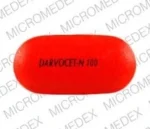

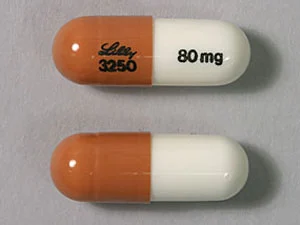
Generic Strattera 80 mg
Price range: $1,480.50 through $4,860.00
| Variation | Price | Quantity | Add To Cart |
|---|---|---|---|
| 300 pills | $4,860.00 |
|
Add to cart |
| 180 pills | $2,961.00 |
|
Add to cart |
| 240 pills | $3,948.00 |
|
Add to cart |
| 90 pills | $1,480.50 |
|
Add to cart |
Strattera 80 mg (Atomoxetine): Prescription Information for ADHD Treatment
Strattera 80 mg is a prescription-strength capsule containing atomoxetine, a non-stimulant medicine used as part of a complete treatment program for attention-deficit/hyperactivity disorder (ADHD). The 80 mg strength may be prescribed to certain adults, adolescents, or children after a clinician has considered body weight, previous doses, treatment response, other medicines, and tolerability. It is not the right starting strength for every patient, and the number printed on the capsule should never be used as a substitute for an individualized dosing plan.
This product information is designed for people researching Strattera 80 mg, atomoxetine 80 mg dosage, expected benefits, possible side effects, prescription requirements, and how to buy Strattera 80 mg online safely. It does not diagnose ADHD or replace the prescribing information, Medication Guide, pharmacist counseling, or advice from a qualified healthcare professional. Atomoxetine is prescription-only. A lawful pharmacy should require a valid prescription and should dispense the exact drug, strength, quantity, and manufacturer authorized for the patient.
Quick facts about the 80 mg strength
| Active ingredient | Atomoxetine, supplied as atomoxetine hydrochloride |
|---|---|
| Brand commonly associated with atomoxetine | Strattera |
| Dosage form | Oral capsule; the capsule should be swallowed whole |
| Medication class | Selective norepinephrine reuptake inhibitor; non-stimulant ADHD medicine |
| Approved use | Treatment of ADHD in pediatric patients 6 years and older and adults, as directed by a prescriber |
| Controlled substance status | Atomoxetine is not classified as a federally controlled stimulant in the United States |
| Prescription status | Prescription required |
| Important boxed warning | Suicidal thoughts and behaviors in pediatric patients 6 years of age and older; close monitoring is required |
What is Strattera 80 mg?
Strattera is a brand name for atomoxetine. Unlike amphetamine- or methylphenidate-based ADHD medicines, atomoxetine is not a central nervous system stimulant. It changes norepinephrine signaling in the brain, although the precise way that this produces clinical improvement in ADHD is not fully established. Being non-stimulant does not make the medicine risk-free, appropriate for everyone, or suitable for self-treatment. It still has clinically important warnings, contraindications, interactions, and monitoring requirements.
The 80 mg capsule is one of several atomoxetine strengths. A prescriber may use different strengths during initiation, adjustment, or maintenance. For some adults and patients above a specified body weight, 80 mg may be a target daily dosage under U.S. labeling. For lighter pediatric patients, dosing is calculated by weight, so an 80 mg capsule may be inappropriate even when ADHD symptoms are significant. Patients should take only the dosage and schedule shown on their current prescription label.
What Strattera is prescribed to treat
Atomoxetine is indicated for ADHD. ADHD is a clinical diagnosis, not simply occasional distraction, restlessness, poor motivation, or difficulty meeting a deadline. A qualified professional evaluates the pattern, duration, setting, age of onset, degree of impairment, other possible explanations, and coexisting conditions. Symptoms generally include developmentally inappropriate inattention and/or hyperactive-impulsive behavior that causes meaningful impairment in more than one area of life.
Medication may be one component of a broader plan. Depending on the patient, that plan can include behavioral treatment, parent or caregiver training, school support, workplace strategies, psychotherapy, sleep assessment, and management of coexisting anxiety, depression, learning disorders, or substance-use concerns. A capsule cannot replace an accurate diagnosis or the non-medication parts of care.
Why a clinician may consider a non-stimulant ADHD medicine
A prescriber may consider atomoxetine when a non-stimulant is clinically appropriate, when a patient has not obtained an acceptable balance of benefit and tolerability from another treatment, or when patient-specific factors affect medication selection. The decision should not be reduced to the idea that one class is always “stronger,” “safer,” or “better.” Response varies, and each option has a different onset, adverse-effect profile, interaction pattern, and monitoring plan.
Atomoxetine generally does not produce the immediate same-day symptom change that some people associate with stimulants. Improvement may emerge gradually, and a fair evaluation may require consistent use over time at a clinician-selected dosage. Patients should not increase the dose because they do not notice an immediate effect. Early adverse effects and early benefits may also change as treatment continues, making planned follow-up important.
Is 80 mg a starting dose?
For many patients, no. U.S. prescribing information uses different dosing pathways for patients up to 70 kg and those over 70 kg, including adults. Patients over 70 kg and adults are generally started at a lower total daily dosage and increased after a minimum interval; 80 mg may then be used as a target dosage. Patients up to 70 kg are dosed in milligrams per kilogram. Strong CYP2D6 inhibitors, poor CYP2D6 metabolizer status, and liver impairment can require a different approach.
This is why a search for “Strattera 80 mg dosage for adults” cannot safely produce one rule for every reader. Age alone is not enough. The prescriber may consider weight, cardiovascular history, blood pressure, pulse, liver health, psychiatric history, response to earlier doses, other prescriptions, and whether adverse effects occurred during titration. Do not start, restart, raise, lower, combine, split, or stop atomoxetine based on a general dosage chart.
How to take atomoxetine capsules
Follow the directions on the pharmacy label exactly. Atomoxetine may be prescribed once daily or divided into two doses, depending on the treatment plan. It may be taken with or without food. Taking it at consistent times can help reduce missed or duplicated doses. If nausea occurs, ask the prescriber or pharmacist whether taking the medicine with food is appropriate for the individual regimen.
- Swallow the capsule whole. Do not open, crush, chew, or sprinkle its contents.
- Avoid contact with the powder inside a damaged capsule. If powder reaches the eyes, rinse them promptly with water and seek professional guidance.
- Do not take more than the prescribed total in a 24-hour period.
- Do not share Strattera with another person, even if that person has an ADHD diagnosis.
- Keep scheduled reviews so the clinician can assess symptoms, blood pressure, pulse, adverse effects, and growth when relevant.
If the directions supplied with a refill differ from the previous bottle, pause and ask the pharmacist to verify the prescription before taking it. Capsule color or imprint can differ among approved generic manufacturers, but the active ingredient, strength, dosage form, and directions must match the prescription.
What to do about a missed dose
General patient guidance advises taking a missed dose when remembered unless it is close to the next scheduled dose. If it is nearly time for the next dose, skip the missed dose and return to the regular schedule. Do not double the next dose and do not exceed the prescribed daily amount within 24 hours. Because schedules differ, the pharmacist can give instructions that match the exact prescription.
Frequent missed doses can make response and side effects difficult to interpret. A pill organizer may not be suitable for every capsule or household, especially where children can access it, but phone reminders, a medication log, or linking the dose to a consistent routine may help. Ask before changing dose timing in an attempt to manage sleepiness or insomnia.
How long does Strattera 80 mg take to work?
There is no dependable day on which every patient will feel a specific effect. Some people notice early changes within the first weeks, while fuller benefit can take longer. Symptom improvement may appear as better task completion, less impulsive interruption, fewer lost items, improved follow-through, or more consistent regulation—not necessarily a dramatic sensation that the medicine is “working.”
A useful review compares baseline problems with observable outcomes. Adults might track late tasks, missed meetings, driving behavior, or work completion. For a child, families and teachers may track classroom disruption, assignment completion, transitions, and emotional changes. The aim is meaningful functional improvement with tolerable adverse effects, not simply achieving a particular capsule strength.
Before taking Strattera 80 mg
Give the prescriber and pharmacist a complete and accurate history. Mention current and previous mental-health symptoms, suicidal thoughts or attempts, bipolar disorder, psychosis, aggressive behavior, seizures, liver disease, glaucoma, urinary difficulty, high or low blood pressure, fainting, heart rhythm problems, structural heart disease, or a family history of sudden unexplained death. Tell the clinician about pregnancy, plans for pregnancy, and breastfeeding.
Bring a complete list of prescription medicines, nonprescription products, vitamins, supplements, nicotine products, and recreational substances. “Natural” does not mean interaction-free. Include medicines used only occasionally and anything recently stopped. This is especially important when another drug affects CYP2D6 metabolism or changes blood pressure, heart rate, alertness, or mood.
Who should not take atomoxetine?
Atomoxetine is contraindicated in several situations described in current prescribing information. These include use with a monoamine oxidase inhibitor (MAOI) or within the required separation period, narrow-angle glaucoma, pheochromocytoma or a history of pheochromocytoma, and severe cardiovascular disorders in which clinically important increases in blood pressure or heart rate would be expected to worsen the condition. It should also not be used by someone with hypersensitivity to atomoxetine or product ingredients.
The contraindication list is not a self-screening checklist. A person can lack every listed contraindication and still need a lower dose, another medicine, additional tests, or closer monitoring. Conversely, do not stop treatment abruptly because a condition name seems similar to something in a health record; contact the prescriber for an individual assessment.
Boxed warning: suicidal thoughts and behaviors
Current U.S. Strattera labeling carries a boxed warning about suicidal thoughts and behaviors in pediatric patients 6 years of age and older. Families and caregivers should watch closely, particularly during the first months of treatment and when the dosage changes. Monitoring should include new or worsening depression, talk about death or self-harm, unusual withdrawal, agitation, aggression, impulsive risk-taking, severe irritability, or other abrupt behavior changes.
Contact the treating professional promptly about concerning changes. If a person may act on suicidal thoughts, has attempted self-harm, cannot be kept safe, or is in immediate danger, seek emergency help now rather than waiting for a routine appointment. Do not leave the person alone, and use the local emergency number or nearest emergency department. Treatment of ADHD and coexisting mental-health conditions still matters; the warning supports careful observation and rapid response, not unsupervised discontinuation.
Heart rate, blood pressure, and cardiovascular assessment
Atomoxetine can increase heart rate and blood pressure. The prescriber may check cardiovascular history and perform an examination before treatment, with blood pressure and pulse measured at baseline, after dose increases, and periodically. Tell the clinician about chest pain, unexplained fainting, shortness of breath with exertion, racing or pounding heartbeat, or a family history of serious arrhythmia or sudden death.
Get urgent medical help for chest pain, fainting, severe shortness of breath, stroke-like symptoms, or other acute cardiovascular symptoms. Home blood-pressure readings can be useful when a clinician recommends them, but technique and cuff size matter. Do not change the atomoxetine dose solely on the basis of one home reading.
Liver injury warning
Rare cases of clinically significant liver injury have been reported with atomoxetine. Contact a healthcare professional promptly for dark urine, yellow skin or eyes, unexplained itching, pain or tenderness in the upper right abdomen, or flu-like symptoms accompanied by signs of liver trouble. The clinician may order blood tests and decide whether the medicine should be stopped.
A normal result before treatment does not justify ignoring later symptoms. At the same time, mild stomach upset by itself does not establish liver injury. The safest response is timely clinical evaluation rather than online self-diagnosis or an unsupervised medication change.
Changes in mood, thinking, or behavior
Atomoxetine can be associated with new psychotic or manic symptoms in some patients, even without a prior history. Report hallucinations, fixed false beliefs, extreme suspiciousness, markedly decreased need for sleep, unusually rapid speech, severe activation, or risky behavior. People with bipolar disorder or risk factors for bipolar disorder need careful screening because treatment choices and monitoring may differ.
Aggressive behavior or hostility should also be monitored. It may be related to the underlying condition, another condition, the treatment, or a combination of factors. Record when the change began, its relationship to dose changes, sleep, substances, and other medicines, then contact the prescriber. Do not use another person’s sedative or alter multiple medicines at once to manage the change.
Growth, appetite, and weight in younger patients
Atomoxetine may reduce appetite and can affect weight gain or growth in some children and adolescents. Clinicians may record height and weight over time rather than relying on a single measurement. Families should mention persistent poor intake, vomiting, notable weight change, or concerns about growth. Nutrition changes should be practical and individualized; do not add high-dose supplements or stop the medicine without advice.
For adults, appetite loss and weight change can also occur. Strattera is not a weight-loss medicine and should not be purchased for appetite suppression. Using a prescription ADHD drug for another purpose exposes the user to risk without an appropriate assessment or monitoring plan.
Urinary and sexual adverse effects
Some patients experience urinary hesitation, difficulty urinating, erectile problems, decreased libido, ejaculation changes, or menstrual changes. These symptoms can be uncomfortable to discuss, but they are medically relevant and may affect adherence. Tell the prescriber rather than skipping doses or using unverified products marketed online to counteract the problem.
A prolonged or painful erection requires urgent medical attention. Delaying care can cause permanent injury. The patient information also lists an erection lasting several hours as a serious symptom that needs prompt evaluation.
Common Strattera side effects
Side effects vary by age and individual factors. Commonly reported problems can include nausea, reduced appetite, abdominal discomfort, vomiting, constipation, dry mouth, dizziness, tiredness, headache, sweating, sleep disturbance, and sexual or urinary effects. Children and adults may not experience the same pattern. Some effects improve with time; others warrant a change in dose, timing, or treatment.
Contact the prescriber if an effect is persistent, severe, worsening, or interferes with eating, hydration, sleep, school, work, driving, or daily function. Do not assume that a symptom is harmless because it appears on a “common side effects” list. Severity, timing, other medicines, and medical history change what the symptom means.
Serious symptoms that need prompt help
- Suicidal thoughts, self-harm behavior, or sudden severe behavioral change
- Chest pain, fainting, severe shortness of breath, or a fast/pounding heartbeat
- Yellow skin or eyes, dark urine, severe itching, or right-sided upper abdominal pain
- Swelling of the face or throat, hives, trouble breathing, or another severe allergic reaction
- Hallucinations, severe mania-like activation, seizures, or stroke-like symptoms
- A prolonged or painful erection
This list cannot include every possible emergency. Call emergency services when symptoms are severe, rapidly progressing, or life-threatening. In the United States, Poison Help is available at 1-800-222-1222 for suspected overdose; call 911 if the person has collapsed, is having a seizure, cannot breathe, or cannot be awakened.
Atomoxetine drug interactions
MAOIs are a major contraindication and require a defined separation period. Examples can include phenelzine, tranylcypromine, isocarboxazid, and certain forms of selegiline; linezolid and intravenous methylene blue can also create a serious interaction problem. The patient should not estimate the interval or coordinate a switch without prescriber involvement.
Strong CYP2D6 inhibitors can raise atomoxetine exposure. Examples commonly discussed in labeling include fluoxetine and paroxetine. A prescriber may use a different titration plan or dosage. Other medicines that increase blood pressure or pulse, including some decongestants or asthma treatments, may also need review. This does not mean every combination is prohibited; it means the prescriber and pharmacist need the complete list.
CYP2D6 metabolism and why response can differ
Atomoxetine is substantially metabolized through CYP2D6. Some people genetically metabolize CYP2D6 substrates more slowly, and some medicines inhibit the same pathway. Either circumstance can increase exposure and the likelihood of adverse effects at a given dose. Testing is not automatically required for every patient, but unusually strong effects, poor tolerability, or interacting medicines may influence clinical decisions.
Never interpret “poor metabolizer” as a reason to avoid all treatment or to guess a fraction of the prescribed capsule. Capsules should not be opened to create a smaller dose. The prescriber can select an available strength and schedule that can be dispensed accurately.
Pregnancy, breastfeeding, and reproductive planning
Tell the prescriber if you are pregnant, might be pregnant, plan to conceive, or are breastfeeding. The decision to use atomoxetine requires an individualized discussion of potential maternal benefit, fetal or infant exposure, untreated ADHD-related risks, alternative approaches, and the available evidence. Do not stop a psychiatric medicine solely because of a positive home pregnancy test; contact the treating professional promptly for a plan.
Also discuss any sexual or urinary adverse effect that affects reproductive planning. A pharmacist can help check product ingredients and current labeling, while an obstetric or pediatric clinician may participate when pregnancy or nursing is involved.
Driving, alcohol, and daily activities
Atomoxetine can cause dizziness, sleepiness, or changes in alertness. Avoid driving, operating machinery, climbing, or other hazardous tasks until you know how the medicine affects you. Alcohol or other substances may worsen judgment, dizziness, sleep disruption, or mental-health symptoms. Ask the prescriber for individualized guidance rather than assuming that “non-stimulant” means no impairment.
Hydration, regular meals, and a consistent sleep routine may support general wellbeing but do not prevent serious adverse effects. Avoid extreme caffeine intake or using energy products to counter tiredness without discussing it, because they may affect sleep, anxiety, pulse, or blood pressure.
Stopping or changing Strattera
Do not discontinue, restart, or switch atomoxetine without discussing it with the prescriber. Although atomoxetine is not usually managed like an SSRI discontinuation syndrome, stopping can allow ADHD symptoms and functional risks to return, and the reason for treatment may need reassessment. A planned change also helps clinicians distinguish medication effects from changes in sleep, stress, or another condition.
If a patient has stopped for several days or longer, do not assume the previous 80 mg schedule should simply resume. The prescriber may want to review the interruption, reason, adverse effects, cardiovascular status, and interacting medicines before providing instructions.
How clinicians may monitor treatment
Follow-up should evaluate more than whether the prescription was filled. A careful review can include target symptoms, school or work function, family observations, adherence, sleep, appetite, weight, height in younger patients, blood pressure, pulse, mood, suicidal thinking, aggression, urinary or sexual symptoms, and new medicines. The dosage may remain the same, change, or be replaced depending on the overall pattern.
Patients can prepare for appointments by bringing the current bottle, medication list, a brief symptom record, and specific examples of improvement or difficulty. This produces better information than saying only “it works” or “it does not work.”
Brand Strattera versus generic atomoxetine 80 mg
FDA-approved generic atomoxetine must meet applicable standards for quality and bioequivalence. The capsule’s appearance, inactive ingredients, packaging, and price can differ from the brand. Some patients have allergies or sensitivities to an inactive ingredient, so review the manufacturer’s labeling or ask the dispensing pharmacist when that matters.
Do not identify a capsule using color alone. Check the pharmacy label, strength, manufacturer, and imprint. If the capsule looks different after a refill, the pharmacist can confirm whether the manufacturer changed. Do not take a capsule that is loose, damaged, unlabeled, or obtained from an unverifiable seller.
Buying Strattera 80 mg online with a prescription
People often search for “buy Strattera 80 mg online,” “order atomoxetine 80 mg,” “Strattera 80 mg price,” or “atomoxetine home delivery.” The safe version of that transaction starts with a valid prescription and ends with dispensing by a properly licensed pharmacy. Convenience and price comparison are reasonable goals, but they should not bypass diagnosis, interaction screening, or pharmacist access.
Before placing an online order, confirm that the pharmacy requires a prescription, lists a verifiable physical location and telephone number, provides access to a licensed pharmacist, protects health and payment information, and appears in the relevant board-of-pharmacy license database. Avoid sellers that offer prescription atomoxetine without a prescription, use only messaging apps, hide their location, promise a “guaranteed cure,” or ship loose capsules without regulated labeling.
How to compare the Strattera 80 mg price responsibly
The final cost can depend on brand versus generic status, quantity, insurance formulary, deductible, pharmacy network, location, manufacturer availability, and discount terms. Compare the same active ingredient, strength, dosage form, quantity, and manufacturer status. A very low advertised price may exclude consultation fees, shipping, membership charges, or the actual dispensed quantity.
- Ask whether the quoted amount is for brand Strattera or generic atomoxetine.
- Verify whether the price is per capsule, per bottle, or per full prescription.
- Confirm shipping temperature and handling practices where relevant.
- Review refill timing and whether authorization from the prescriber is still needed.
- Never buy extra capsules to create a personal stockpile or change the prescribed dose.
Prescription and checkout checklist
- Confirm the prescription says atomoxetine/Strattera 80 mg and matches the intended schedule.
- Tell the pharmacy about allergies and all current medicines, including fluoxetine, paroxetine, blood-pressure drugs, and recent MAOI use.
- Verify the pharmacy license using the appropriate official database.
- Check quantity, manufacturer, expiration information, total price, and delivery address before payment.
- On arrival, inspect the tamper-evident packaging and compare the label with the order.
- Contact the pharmacist before taking the medicine if the strength, imprint, seal, directions, or patient name is wrong.
A checkout page should never be the first time a patient learns how to take a prescription medicine. Pharmacist counseling and the Medication Guide remain important even for a refill.
Storage and safe disposal
Store atomoxetine according to the product labeling, generally at controlled room temperature, protected from unsuitable heat and moisture, in the original labeled container. Keep it out of sight and reach of children and pets. Do not store capsules in a bathroom cabinet if moisture is excessive, and do not transfer them into an unlabeled container.
Use a medicine take-back option for unwanted or expired capsules when available. Ask a pharmacist about local disposal instructions. Do not give leftovers to another person and do not keep an old strength for future self-adjustment.
Frequently asked questions about Strattera 80 mg
Is Strattera 80 mg a stimulant?
No. Atomoxetine is a non-stimulant prescription ADHD medication. That classification does not remove the need for monitoring or make it appropriate without a diagnosis and prescription.
Can I open an 80 mg capsule and take half?
No. Atomoxetine capsules should not be opened, crushed, or divided. The contents can irritate the eyes, and opening a capsule does not provide a reliable patient-made dose. Ask the prescriber for an available lower strength if a different dose is needed.
Is 80 mg suitable for every adult with ADHD?
No. It may be a target dose for some adults under U.S. labeling, but individual dosing depends on response, tolerability, medical history, metabolism, interacting medicines, and the prescriber’s judgment.
Can Strattera be taken only on busy days?
Atomoxetine is generally prescribed on a consistent schedule. It is not typically used as an occasional performance aid. Follow the exact directions and ask before planned interruptions.
Does Strattera cure ADHD?
No medicine is accurately described as a cure for ADHD. Atomoxetine may reduce symptoms and improve function while it is used as part of an individualized plan. Ongoing reassessment is needed.
Can I use Strattera 80 mg for weight loss?
No. Atomoxetine is not approved as a weight-loss medicine. Appetite reduction can be an adverse effect and requires monitoring, especially in children and adolescents.
Can I take atomoxetine with fluoxetine or paroxetine?
These medicines can inhibit CYP2D6 and increase atomoxetine exposure. A prescriber may use a modified dosing plan or another option. Do not start or combine them without clinical review.
What if my refill looks different?
A generic manufacturer change can alter color or imprint. Compare the label and call the dispensing pharmacist to verify the capsule before taking it. Never rely on an online pill image alone.
Where can I buy atomoxetine 80 mg safely online?
Use a pharmacy licensed for the location where it dispenses and delivers, and verify its license through the relevant official regulator. It should require a valid prescription and provide pharmacist access. Avoid websites offering prescription medicine without a prescription.
Patient-focused summary before ordering
Strattera 80 mg is a specific prescription strength, not a general recommendation for ADHD. Before ordering or refilling, the patient should know why atomoxetine was selected, how and when to take it, which symptoms are being monitored, what adverse effects require a call, and when the next follow-up will occur. The prescriber and pharmacist should have the current medication list and relevant medical history.
Use purchase-intent searches such as “atomoxetine 80 mg price” or “Strattera 80 mg online pharmacy” to compare lawful dispensing options—not to bypass medical care. A seller that does not require a prescription removes an important safety check and may supply counterfeit, contaminated, expired, incorrectly dosed, or otherwise unsafe products.
Medical and pharmacy safety references
- FDA: Current Strattera prescribing information
- MedlinePlus: Atomoxetine patient drug information
- FDA BeSafeRx: Online pharmacy safety
Medical disclaimer: This content is for general education and lawful prescription-purchase guidance. It is not medical advice and does not replace the FDA-approved labeling, Medication Guide, diagnosis, prescription, or counseling from a licensed healthcare professional. In an emergency, contact local emergency services.
| Select Variation |
300 pills ,180 pills ,240 pills ,90 pills |
|---|