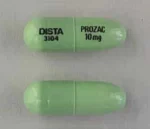

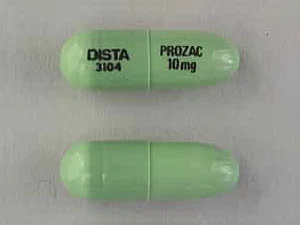
Generic Prozac 10 mg
Price range: $1,539.00 through $5,160.00
| Variation | Price | Quantity | Add To Cart |
|---|---|---|---|
| 300 pills | $5,160.00 |
|
Add to cart |
| 180 pills | $3,150.00 |
|
Add to cart |
| 240 pills | $4,176.00 |
|
Add to cart |
| 90 pills | $1,539.00 |
|
Add to cart |
Prozac 10 mg (Fluoxetine): Lower-Strength Initiation and Prescription Guide
Prozac 10 mg contains fluoxetine, an SSRI antidepressant. The 10 mg strength is commonly used when a prescriber wants a lower starting dose, including the labeled adult start for panic disorder and certain pediatric treatment plans for major depressive disorder or obsessive-compulsive disorder. It may also support a gradual titration for a patient who is sensitive to activation, nausea, or sleep effects. Ten milligrams is still a prescription dose with important warnings and interactions.
This patient-focused description addresses Prozac 10 mg uses, dosing context, onset, side effects, long half-life, drug interactions, safe refills, cost comparison, and how to buy fluoxetine 10 mg online with a prescription. It does not tell a reader to start medication or imply that a lower strength can be purchased safely without medical assessment.
Prozac 10 mg facts
- Active ingredient: fluoxetine hydrochloride
- Medication class: selective serotonin reuptake inhibitor
- Dosage form: daily oral capsule/tablet depending on manufacturer
- Prescription status: prescription only
- Labeled monotherapy indications: MDD, OCD, bulimia nervosa, and panic disorder
- Common role of 10 mg: lower-dose initiation, especially for panic disorder and certain pediatric plans
- Not equivalent to: once-weekly delayed-release fluoxetine
- Boxed warning: increased risk of suicidal thoughts and behaviors in children, adolescents, and young adults taking antidepressants
Why start with 10 mg?
Some patients experience nervousness, restlessness, nausea, insomnia, or increased anxiety when an SSRI begins. Starting lower can allow a prescriber to observe tolerability before increasing. For adult panic disorder, current labeling starts at 10 mg and increases to 20 mg after one week. Individual instructions may proceed more slowly.
In pediatric MDD or OCD, 10 mg may be an initial dose, with later adjustment based on age, weight, response, and tolerability. Lower-weight children may have a lower target. Ten milligrams should not be interpreted as an informal trial dose for anyone who feels anxious.
Before the first 10 mg dose
Provide the prescriber with a complete psychiatric and medical history. Include suicidal thoughts or attempts, bipolar symptoms, psychosis, seizures, narrow-angle glaucoma, bleeding problems, low sodium, heart-rhythm conditions, eating-disorder behaviors, kidney or liver disease, pregnancy plans, and breastfeeding. Describe previous antidepressants and why each was stopped.
List every prescription, over-the-counter medicine, supplement, vitamin, recreational substance, and recently discontinued medicine. Exact names matter. A cough product, migraine tablet, pain medicine, ADHD prescription, or herbal mood supplement may change the risk assessment. An online intake that asks only “Which dose do you want?” is not adequate.
A written initiation plan prevents avoidable confusion
The plan should state the first dose date, dose time, whether food is recommended, the planned date of any increase, the first follow-up, and whom to contact after hours. If the prescription starts at 10 mg for one week and then moves to 20 mg, the bottle label and written instructions should agree.
Do not follow a generic seven-day increase when the prescriber has advised a slower schedule. Do not start an old prescription months later without confirming that the medical history and medication list remain current.
Condition-specific context for a 10 mg prescription
Panic disorder
Panic disorder involves recurrent attacks plus ongoing concern or behavior change. Fluoxetine is daily preventive treatment, not a rescue capsule. At 10 mg, the early goal is often tolerable initiation, followed by a prescriber-directed move to 20 mg if appropriate.
Major depressive disorder
The usual labeled adult starting dose is 20 mg, but pediatric treatment may start at 10 or 20 mg. A clinician may choose 10 mg for an adult for patient-specific reasons. The product page cannot determine who needs a slower start.
Obsessive-compulsive disorder
Adults generally start at 20 mg, while pediatric patients may start at 10 mg. Treatment response may require weeks and can be combined with exposure and response prevention. Do not increase because intrusive thoughts remain after a few days.
Bulimia nervosa
The labeled adult dose is 60 mg per day. A 10 mg capsule is not the established full dose, though it may appear in a clinician-directed titration. Bulimia treatment also requires medical, nutritional, and psychological care.
Tracking panic without feeding panic
For panic disorder, record attack frequency, major triggers, avoidance, emergency visits, and ability to perform necessary activities. Avoid repeatedly checking pulse or bodily sensations when that behavior reinforces panic, unless a clinician specifically requests medical monitoring. A therapist can help create a balanced record.
Early fluoxetine activation can resemble increased anxiety. Describe whether the change is familiar panic, a new constant restlessness, severe insomnia, tremor, or mania-like energy. The distinction can change what the prescriber recommends.
Pediatric monitoring: shared observation without surveillance
For a child or adolescent, caregivers may track mood, self-harm talk, agitation, sleep, appetite, weight, school function, social withdrawal, and unusual risk-taking. Ask the young person directly about distress and side effects rather than relying only on adult observation. Privacy and safety both matter.
The clinician may monitor height and weight because fluoxetine can reduce appetite and weight gain. Teachers may provide functional information when appropriate, but medication details should be shared only as needed. A child should not manage refills or dose increases alone.
What to do if anxiety temporarily increases
Contact the prescriber when anxiety becomes markedly worse, prevents sleep, causes inability to function, or is accompanied by suicidal thoughts. Mild activation may be managed differently from severe akathisia, serotonin syndrome, or mania, so describe the pattern and timing.
Do not take an extra capsule for anxiety. Do not borrow a benzodiazepine or use alcohol, cannabis, antihistamines, or high-dose supplements to suppress symptoms. These can add sedation, impairment, or interactions and obscure the cause.
What fluoxetine does
Fluoxetine inhibits serotonin reuptake and changes serotonin activity in the central nervous system. This does not produce instant calm. Clinical effects develop gradually, and the medicine’s long-lasting active metabolite contributes to a prolonged effect after dosing ends.
A lower dose may reduce some early adverse effects for some patients, but no strength guarantees tolerability or benefit. Treatment should be evaluated against defined symptoms and daily function.
How to take fluoxetine 10 mg
Follow the current pharmacy label. Daily fluoxetine is often taken in the morning. It may be taken with or without food; ask whether food may help nausea. Swallow the product as directed, and do not open a capsule or crush a tablet without pharmacist approval for the exact manufacturer.
Do not take 10 mg only on stressful days. Do not double to 20 mg before the scheduled increase. If the prescription gives dated titration instructions, use a written calendar.
Missed dose
General guidance is to take a missed dose when remembered unless it is close to the next dose, in which case it is skipped. Do not double. Ask the pharmacist for personalized timing advice.
Fluoxetine stays in the body for a long time, but that is not a reason for intentional irregular dosing. Consistency supports accurate evaluation.
How long does 10 mg take to work?
Therapeutic improvement generally takes weeks. Full benefit in MDD may be delayed four weeks or longer, and OCD response may take five weeks or longer. A 10 mg initiation dose may be intended only as the first phase before a prescribed increase.
Track panic attacks, mood and function, time consumed by OCD, sleep, appetite, and adverse effects. Do not judge response from the first capsule or a single day.
The one-week review in a panic-disorder titration
Current labeling increases adult panic treatment from 10 mg to 20 mg after one week, but the patient should follow the actual prescription. Before the increase, note whether there is severe restlessness, inability to sleep, worsening panic, suicidal thinking, nausea that prevents hydration, or another important adverse effect. Contact the prescriber rather than proceeding automatically when a serious problem has appeared.
The absence of therapeutic benefit after one week is expected and should not be treated as failure. The lower first week primarily supports tolerability. Conversely, feeling well after a few days is not a reason to skip follow-up or stop. The clinician still needs to evaluate the full course.
What a successful lower-dose start looks like
A successful initiation is not necessarily symptom remission at 10 mg. It may mean the patient takes the medicine consistently, understands warnings, experiences manageable early effects, remains safe, and reaches the next review with accurate information. The planned target can then be reconsidered based on diagnosis and response.
If 10 mg remains the long-term dose, the prescriber should document why and periodically confirm benefit. “Lowest available strength” is not itself a treatment goal; the goal is the lowest effective, tolerable dose within an evidence-based plan.
Boxed warning and family observation
Antidepressants can increase suicidal thoughts and behaviors in children, adolescents, and young adults in short-term studies. Monitor all patients for worsening symptoms and unusual behavior, especially during initial treatment and dose changes.
Report self-harm thoughts, severe agitation, aggression, dangerous impulsivity, marked insomnia, or an abrupt mood shift promptly. Use emergency services if the patient may act on suicidal thoughts or cannot remain safe.
Activation, akathisia, and mania
Fluoxetine may cause nervousness or restlessness early in treatment. Severe inner restlessness, inability to sit still, or rapidly worsening anxiety needs review. Also screen for bipolar disorder before treatment.
A markedly reduced need for sleep, racing thoughts, fast speech, grandiosity, psychosis, or risky behavior can indicate mania or hypomania. Ten milligrams does not eliminate that risk. Contact the prescriber urgently.
Fluoxetine monotherapy and bipolar depression
Fluoxetine alone is not indicated for depressive episodes associated with bipolar I disorder. Fluoxetine is labeled together with olanzapine for bipolar depression and treatment-resistant depression. A 10 mg Prozac product should not be promoted as standalone bipolar treatment.
Serotonin syndrome
Serotonin syndrome may cause agitation, confusion, hallucinations, fever, sweating, rapid heart rate, unstable blood pressure, tremor, rigidity, overactive reflexes, poor coordination, nausea, vomiting, or diarrhea. Risk can increase with other serotonergic products.
Examples include other antidepressants, tramadol, lithium, buspirone, triptans, certain opioids, amphetamine medicines, and St. John’s wort. Seek urgent care for a concerning cluster.
MAOI rules and fluoxetine’s long half-life
Do not use fluoxetine with an MAOI intended for psychiatric treatment. Wait at least 14 days after stopping such an MAOI before starting fluoxetine. After stopping fluoxetine, generally wait at least five weeks before an MAOI; longer may be required.
Linezolid and intravenous methylene blue also create serious interaction concerns. A few hours of separation is not enough. Clinicians must coordinate.
Pimozide, thioridazine, and heart rhythm
Pimozide and thioridazine are contraindicated with fluoxetine because of QT prolongation and drug interaction. Thioridazine must also be avoided for at least five weeks after fluoxetine is stopped.
Report fainting, severe palpitations, or chest symptoms. Tell the clinician about long QT syndrome, electrolyte problems, and rhythm-affecting medicines.
CYP2D6 interactions continue after the last dose
Fluoxetine strongly inhibits CYP2D6. It can raise exposure to certain antipsychotics, tricyclic antidepressants, atomoxetine, and some cardiac drugs. It may reduce conversion of tamoxifen to its active metabolite.
Because fluoxetine persists, the interaction can continue after discontinuation. Keep it on the recent-medication list and coordinate oncology or other specialty treatment.
Switching from another antidepressant
A switch to fluoxetine 10 mg can involve tapering the previous drug, a direct change, cautious overlap, or a washout. The method depends on both medicines. MAOIs require strict separation, and combining serotonergic drugs can create serotonin-syndrome risk. A public conversion table cannot account for dose, duration, withdrawal history, or urgency.
Write down the last dose of the previous medicine and the first fluoxetine dose. If the pharmacy has active prescriptions for both, ask whether they are meant to overlap. Do not continue the old drug simply because tablets remain.
Switching away from fluoxetine
Fluoxetine’s long half-life affects what can start next. An MAOI generally requires at least five weeks after the last dose, sometimes longer. Other antidepressants or interacting drugs may also need delayed initiation or lower starting doses.
Tell every clinician the exact last dose date. Removing fluoxetine from the daily medication list does not mean it is gone from the body. Follow the written transition plan and seek urgent care for serotonin-syndrome symptoms.
QT prolongation and electrolyte concerns
Fluoxetine can contribute to QT prolongation in susceptible patients. Risk factors may include congenital long QT syndrome, other QT-prolonging drugs, slow heart rate, heart disease, and low potassium or magnesium. Pimozide and thioridazine are contraindicated.
Eating-disorder behaviors, vomiting, laxative misuse, and some diuretics may alter electrolytes. Tell the prescriber. Fainting, severe palpitations, seizure, or chest symptoms requires prompt assessment.
Rash, allergy, and urgent reactions
Report a new rash, hives, blisters, or itching promptly. Swelling of the face, lips, tongue, or throat, or trouble breathing or swallowing requires emergency care. Do not take another capsule to see whether the reaction repeats.
Keep the package so the manufacturer and inactive ingredients can be reviewed. A confirmed reaction should be added to the allergy record across pharmacies and clinics.
Bleeding risk and pain relievers
SSRIs may increase bleeding risk, especially with aspirin, ibuprofen, naproxen, anticoagulants, and antiplatelet drugs. Mention regular or occasional use. Nonprescription does not mean interaction-free.
Seek urgent care for black stools, vomiting blood, uncontrolled bleeding, or severe weakness. Do not stop a prescribed blood thinner independently.
Common side effects
Nausea, heartburn, diarrhea, dry mouth, nervousness, anxiety, insomnia, headache, tremor, weakness, tiredness, sweating, unusual dreams, appetite reduction, and sexual problems may occur. Some effects improve; others persist.
Call the clinician for severe or disruptive effects. Severe rash, facial swelling, breathing difficulty, seizure, serotonin syndrome, suicidal crisis, or fainting requires urgent care.
Describing side effects clearly
| Symptom | Details that help the clinician |
|---|---|
| Nausea | Start time, food relationship, vomiting, hydration, weight change, and missed doses |
| Insomnia | Dose time, caffeine, sleep onset, awakenings, total sleep, and whether the need for sleep feels reduced |
| Restlessness | Internal urge to move, pacing, panic symptoms, severity, and relationship to the first dose |
| Sexual effects | Changes in desire, arousal, erection, ejaculation, orgasm, and baseline function |
| Dizziness | Standing relationship, fainting, dehydration, heart symptoms, and new medicines |
Specific information supports better decisions than simply saying the dose is “too strong.”
Sexual effects
Fluoxetine can reduce desire, impair erections, delay ejaculation, or delay/prevent orgasm. Discuss baseline function and later changes. Do not stop suddenly or purchase unverified enhancement products.
Low sodium, confusion, and falls
Fluoxetine can cause hyponatremia. Older adults, people using diuretics, and volume-depleted patients may be more vulnerable. Symptoms include headache, confusion, memory difficulty, poor concentration, weakness, and unsteadiness.
Severe cases can cause seizure, coma, or respiratory arrest. New confusion or a fall needs prompt evaluation.
Angle-closure glaucoma and seizure history
Fluoxetine-related pupil dilation can trigger angle closure in susceptible patients. Sudden eye pain, visual halos, redness, blurred vision, headache, or nausea requires urgent eye care.
Tell the prescriber about seizures, head injury, alcohol withdrawal, and medicines that lower seizure threshold. Report a seizure immediately.
Appetite, weight, and growth
Fluoxetine may reduce appetite and weight gain in children. Pediatric clinicians may monitor height and weight. Report persistent poor intake, significant weight loss, or growth concerns.
Do not use Prozac 10 mg for weight loss. Appetite change is an adverse effect, not an approved purpose.
Pregnancy and breastfeeding
Discuss pregnancy, conception plans, and breastfeeding. Late-pregnancy SSRI exposure can be associated with newborn complications, while untreated illness also carries risk. Do not abruptly stop after a positive pregnancy test.
Fluoxetine and norfluoxetine can pass into human milk. The healthcare team considers treatment need, breastfeeding benefits, infant exposure, and observed effects. Report infant feeding, sleep, irritability, or growth concerns.
Stopping a 10 mg dose
Do not assume the lowest capsule can always be stopped without a plan. Fluoxetine’s long half-life may reduce abrupt fluctuations, but discontinuation symptoms and relapse can still occur. Treatment duration and reduction should be reviewed.
Do not switch to alternate-day use unless the prescriber specifically designs that schedule. Do not save old capsules for a future restart.
Relapse prevention and long-term care
If treatment works, the clinician may recommend continuing beyond initial improvement. The appropriate duration depends on diagnosis, severity, recurrence, suicidality, prior relapses, psychotherapy, and patient preference. Feeling better is not proof that the medicine is no longer needed.
Long-term reviews should include mood, panic, OCD symptoms, eating behavior, sexual function, weight, sleep, bleeding, other medicines, and the patient’s goals. If discontinuation is appropriate, agree on follow-up and early warning signs.
Psychotherapy and non-medication support
Cognitive behavioral therapy and exposure-based approaches can be important for panic disorder. Exposure and response prevention is central for OCD. Evidence-based psychotherapy and social support may help depression, while bulimia nervosa usually requires integrated psychological and nutritional treatment.
A therapy referral is not proof that fluoxetine failed. Medication and psychotherapy can address different mechanisms. Crisis care, medical complications, sleep disorders, and substance use may need separate services.
Procedures, dentistry, and new pain medicine
Tell surgeons, dentists, anesthetic teams, and urgent-care clinicians about fluoxetine, even if it was recently stopped. Bleeding risk, serotonin interactions, and fluoxetine’s long persistence may affect the plan. Do not stop just before a procedure unless the responsible clinician instructs it.
Ask the pharmacist to check new pain, nausea, antibiotic, migraine, and sleep medicines. A short course can still interact.
Overdose or accidental extra dose
Fluoxetine overdose can cause vomiting, agitation, seizures, abnormal heart rhythm, serotonin syndrome, or loss of consciousness, especially with other substances. Do not wait for symptoms after a known extra dose or possible child ingestion.
In the United States, call Poison Help at 1-800-222-1222. Call 911 for collapse, seizure, trouble breathing, or inability to awaken. Keep the labeled container available for responders.
Brand Prozac and generic fluoxetine 10 mg
FDA-approved generics meet applicable standards for quality and bioequivalence. Appearance, inactive ingredients, manufacturer, packaging, and price can differ. Ask the pharmacist if the capsule changes.
Do not identify medicine by color alone. Loose or unlabeled capsules from unverified sources should not be taken.
Daily 10 mg versus other fluoxetine formulations
Daily 10 mg capsules or tablets are not the same as a weekly delayed-release product or fluoxetine combined with olanzapine. The product name, release design, and schedule must match the prescription.
How to buy Prozac 10 mg online safely
Legitimate search intent includes “buy Prozac 10 mg online with prescription,” “fluoxetine 10 mg price,” “generic Prozac refill,” and “licensed online pharmacy fluoxetine.” A lawful pharmacy requires a valid prescription, holds a verifiable license, provides pharmacist access, and dispenses a patient-labeled product.
Avoid sites that sell without a prescription, let buyers self-select a psychiatric dose, or promise immediate anxiety relief. Avoid anonymous sellers and products shipped without regulated packaging.
What a legitimate online consultation should include
A legitimate prescriber should gather symptoms, duration, impairment, prior treatment, suicidality, bipolar history, medical conditions, allergies, pregnancy status, substance use, and the full medication list. The service should explain follow-up and emergency boundaries. Identity and location verification may be required for lawful practice.
A questionnaire that guarantees approval or sells 10 mg solely because the customer selected it is a warning sign. A real clinician may decide that fluoxetine is inappropriate, that in-person assessment is needed, or that another dose or treatment is safer.
Pharmacy license and product verification
Verify the dispensing pharmacy—not only the website brand—through the appropriate board-of-pharmacy database. It should have a real address and telephone number and provide access to a licensed pharmacist. The pharmacy should require a valid prescription and protect health and payment data.
Reject products sent in loose bags, relabeled bottles without manufacturer traceability, or packaging that does not state the patient, drug, strength, directions, pharmacy, and prescriber information required locally. “International strength” is not an excuse for an unidentified product.
Comparing the fluoxetine 10 mg price
Compare the same daily dosage form, 10 mg strength, quantity, and brand/generic status. Include delivery, subscription, consultation, and dispensing fees. Confirm insurance network and authorization.
Do not compare 10 mg daily with a weekly product or buy 20 mg capsules intending to divide their powder. Any formulation change needs prescriber and pharmacist approval.
Safe order checklist
- Prescription clearly authorizes daily fluoxetine 10 mg.
- The diagnosis, start date, and planned increase or review are understood.
- Recent MAOIs and all current drugs or supplements were disclosed.
- The online pharmacy license is verified.
- A pharmacist is available for missed-dose and interaction questions.
- The delivered package is sealed and matches the patient, dose, directions, and manufacturer.
Refill timing and transfer
Count remaining doses before the supply becomes urgent. Appointment requirements, insurance authorization, stock, and shipping can delay a refill. If moving pharmacies, confirm that the current 10 mg daily prescription transferred and that an older 20 mg or weekly order did not replace it.
Do not stretch the supply by skipping days. If the generic manufacturer changes, ask whether the appearance and inactive ingredients differ. Resolve conflicting directions before taking the first capsule.
Travel and time-zone planning
Keep medicine in the original patient-labeled container and research destination rules. Carry an updated medication list that includes fluoxetine’s last dose if recently stopped. Protect the package from extreme heat and moisture.
Ask the pharmacist how to adjust timing across time zones. Do not compress doses to match the clock and do not purchase replacement capsules from an unverified marketplace abroad.
Frequently asked questions
Is 10 mg a normal starting dose for panic disorder?
Yes. Current adult labeling starts panic disorder at 10 mg and increases to 20 mg after one week, depending on the prescribed plan.
Can an adult start depression treatment at 10 mg?
The labeled adult start for MDD is 20 mg, but a clinician may use 10 mg for patient-specific reasons. Do not choose the starting dose yourself.
Can children take Prozac 10 mg?
Fluoxetine has labeled pediatric uses for MDD and OCD in specified ages, and 10 mg may be used in some plans. A pediatric prescriber must determine and monitor the dose.
Does 10 mg work immediately for panic?
No. It is not a rescue medicine. Benefit develops with consistent treatment over time.
Can 10 mg cause side effects?
Yes. A lower strength can still cause activation, nausea, sleep change, sexual effects, interactions, and serious adverse reactions.
Can I buy Prozac 10 mg without a prescription?
No legitimate U.S. pharmacy should dispense it without a valid prescription.
What if the refill is a different color?
A generic manufacturer change can change appearance. Ask the dispensing pharmacist to verify the product before use.
Storage and disposal
Store in the original labeled container according to manufacturer instructions, away from excess heat, moisture, children, and pets. Keep different strengths and formulations separate.
Use a medicine take-back program for expired or unwanted medicine when available. Do not share or resell capsules.
Final patient summary
Prozac 10 mg is a useful lower strength for specific initiation and pediatric plans, but it remains a prescription antidepressant. Safe use requires diagnosis, interaction review, suicide-risk monitoring, bipolar screening, a dated titration plan, and awareness that fluoxetine remains in the body for weeks.
Use online ordering for convenience only through a licensed pharmacy that requires a prescription and provides pharmacist counseling. Do not sacrifice formulation accuracy or clinical follow-up for a no-prescription offer.
Before paying, confirm daily 10 mg formulation, authorized quantity, start and increase dates, pharmacy license, and total cost. After delivery, compare the patient name, directions, manufacturer, imprint, seal, and expiration information with the order. Stop and call the pharmacist before use if any detail differs.
For pediatric prescriptions, the responsible caregiver should also confirm who will administer each dose, how school or shared-household days will be handled, and when growth and behavior will be reviewed. A clear chain of responsibility reduces missed, duplicated, and unsupervised dose changes.
Never describe the lower strength to a child as harmless or optional. Use age-appropriate language about its purpose, encourage honest reporting of mood and body changes, and keep the bottle locked away. If the child refuses doses or vomits repeatedly, contact the pediatric prescriber instead of concealing the medicine in food without professional guidance.
Official references
| Select Variation |
300 pills ,180 pills ,240 pills ,90 pills |
|---|