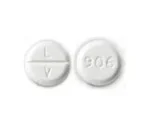


Generic Codeine 60 mg
Price range: $548.00 through $1,519.00
| Variation | Price | Quantity | Add To Cart |
|---|---|---|---|
| 360 pills | $1,519.00 |
|
Add to cart |
| 180 pills | $921.00 |
|
Add to cart |
| 90 pills | $548.00 |
|
Add to cart |
Codeine 60 mg (codeine sulfate tablets) is the highest strength of plain codeine sulfate tablets. It is an opioid pain medicine with no acetaminophen or other ingredient added. Its label reserves it for pain in the mild to moderate range, in cases where non-opioid options have fallen short, and an opioid is judged suitable. A prescription is required, and the prescriber sets the dose and schedule for each patient.
Codeine 60 mg at a glance
| Feature | Details |
|---|---|
| Active ingredient | Codeine sulfate 60 mg per tablet (single ingredient) |
| Drug class | Opioid agonist pain reliever |
| Labeled use | Mild to moderate pain; for cases where other treatments are inadequate and an opioid is suitable |
| Label per-dose range for adults | 15 to 60 mg every 4 hours as needed; 60 mg is the upper end |
| Label 24-hour maximum | 360 mg |
| Time to peak blood level | About 60 minutes |
| Half-life (codeine plus metabolites) | Roughly 3 hours |
| Strongest pain relief | Usually by the 2-hour mark |
| Food effect | Absorption was not meaningfully altered by a high-fat meal |
| Current Lannett tablet | White, round, scored; “1699” on the scored side, “LCI” on the other |
| DEA schedule | Schedule II (CII); no refills |
| Keeping it safe | Locked storage; room temperature; shielded from light and humidity |
The details above come from the current Lannett codeine sulfate tablets label on DailyMed. A plain-language summary is also available in the MedlinePlus codeine drug information sheet.
Why 60 mg is the per-dose ceiling
For codeine, the label places that point at 60 mg per dose in adults. Doses above it were not shown to relieve pain any better. What they did do was raise the rate of side effects. In plain terms, the benefit curve flattens at 60 mg while the harm curve keeps climbing.
Part of the reason lies in how the body handles codeine. Codeine itself is a fairly weak opioid. Much of its pain relief comes from a small share, roughly 5 to 10 percent, that the liver enzyme CYP2D6 converts into morphine. Most of the rest, about 70 to 80 percent, becomes codeine-6-glucuronide, and about 10 percent becomes norcodeine through the enzyme CYP3A4. A larger single dose mostly adds drug that causes drowsiness, nausea, constipation, and slowed breathing.
So is codeine 60 mg a high dose? Within the label, it is the highest single dose a prescriber works with. There is no room to “take a little extra” on a bad pain day. If one 60 mg tablet does not control pain, the answer is a conversation with the prescriber, not a second tablet ahead of schedule.
Key point: At this strength, more is not better. Extra tablets add sedation and breathing risk without adding comfort.
When a prescriber may choose 60 mg
Under the label, treatment begins at the smallest dose that controls pain, and changes come gradually after that. That means codeine 60 mg is usually not where treatment begins. It is more often reached step by step, after the prescriber has seen how a patient responds.
Situations where a prescriber may consider this strength include:
- An adult who has already taken codeine, tolerated it without troublesome side effects, and still did not get enough relief.
- A plan that includes early follow-up, so the dose can be reassessed and lowered as pain improves.
Prescribers are generally more cautious with this strength for people who have never taken opioids before, older adults, people with lung disease or sleep apnea, people with kidney or liver problems, and anyone taking other sedating medicines. For these groups, the label points toward low starting doses and close monitoring.
Reassessment matters at every step. Patients can help by noting how well each dose works and for how long. A simple log of tracking pain relief across the day gives the prescriber real information to work with. A checklist for preparing for a pain management appointment also helps.
The 24-hour arithmetic: codeine 60 mg max dose per day
The codeine sulfate label sets an upper limit of 360 mg in any 24-hour period. With 60 mg tablets, that limit arrives quickly. The table below shows how milligrams add up. It is an illustration of the label ceiling only. It is not a dosing schedule, and it does not mean any patient should take this many tablets.
| 60 mg tablets taken in 24 hours | Total codeine | Position relative to the 360 mg label limit |
|---|---|---|
| 1 | 60 mg | One-sixth of the limit |
| 2 | 120 mg | One-third of the limit |
| 3 | 180 mg | Half of the limit |
| 4 | 240 mg | Two-thirds of the limit |
| 5 | 300 mg | Five-sixths of the limit |
| 6 | 360 mg | Label maximum reached; no further codeine in that 24 hours |
Read this table carefully: It shows the label’s outer boundary, not a target. The prescriber’s written directions always govern, and a patient’s personal limit may be well below 360 mg.
Two practical points follow from this arithmetic. First, the label interval is every 4 hours as needed, so doses should never be stacked closer together. Second, any other codeine-containing product, including some cough medicines, counts toward the same daily total. This overlap is one of the common medication mistakes patients make.
Risks that grow with higher single doses
Codeine 60 mg side effects are the same kinds seen with any codeine dose. Among the most frequent, the label names nausea and vomiting, constipation, sleepiness and sedation, dizziness or lightheadedness, sweating, and shortness of breath. Less common effects include itching, abdominal pain, mood changes, low blood pressure, fainting, and trouble passing urine. At the top of the per-dose range, the following risks deserve the closest attention.
1. Slowed or shallow breathing
Life-threatening respiratory depression is a boxed warning for codeine. The risk is highest when treatment starts, after a dose increase, and in people with lung disease, sleep apnea, older age, or frailty. Alcohol, benzodiazepines, and other sedating drugs multiply this danger.
2. Sedation and falls
Drowsiness and dizziness can make walking, stairs, and getting up at night unsafe. Patients should not drive or operate machinery until they know how codeine affects them. Rising slowly from bed or a chair can reduce lightheadedness. Night lights and clear walkways lower fall risk.
3. CYP2D6 ultra-rapid metabolism
Some people carry gene variants that make CYP2D6 work faster than usual. In these “ultra-rapid metabolizers,” codeine turns into morphine more quickly and in larger amounts. This can lead to dangerous morphine levels even at labeled doses. Depending on ancestry, somewhere between roughly 0.5 and 28 percent of people carry this trait, and few have ever been tested. Genetics is one reason some people need less medication than others.
4. Drug interactions
Because codeine depends on two liver enzymes, other medicines can push its effects up or down:
- CYP2D6 inhibitors such as paroxetine, fluoxetine, bupropion, and quinidine can reduce morphine formation and weaken relief. Stopping one of these drugs can later raise morphine levels.
- CYP3A4 inhibitors such as erythromycin, clarithromycin, ketoconazole, and ritonavir can raise codeine exposure and possibly morphine exposure.
- CYP3A4 inducers such as rifampin, carbamazepine, and phenytoin can lower codeine’s effect or trigger withdrawal. Stopping an inducer can make levels rise.
- Serotonergic drugs taken with codeine have been linked to serotonin syndrome.
- MAO inhibitors taken now or within the past 14 days are a contraindication.
5. Low blood pressure
Codeine can cause severe hypotension, especially in people with low blood volume or those taking other drugs that lower blood pressure. Fainting or near-fainting on standing is a reason to sit or lie down and contact the prescriber.
6. Constipation
Opioids slow the bowel, and this effect tends to persist rather than wear off. Codeine is not used in people with known or suspected bowel obstruction. Patients can ask the prescriber about a bowel plan at the start of treatment. The general approaches in this guide to managing opioid constipation apply to codeine as well.
Other serious but less common problems listed in the label include adrenal insufficiency, seizures in people with seizure disorders, opioid-induced hyperalgesia (pain sensitivity that worsens with opioid use), low blood sugar, severe allergic reactions, and low sex hormone levels with long-term use. Codeine also carries a boxed warning for addiction, abuse, and misuse, which can occur even at prescribed doses.
Warning signs and what to do
Knowing codeine overdose signs ahead of time helps family members and caregivers act fast. The table below sorts common symptoms by urgency. When in doubt, treat a symptom as more serious.
| Sign | What it may mean | Action |
|---|---|---|
| Mild drowsiness, mild nausea, dry mouth | Common, expected effect | Keep monitoring; avoid driving and alcohol |
| No bowel movement for several days | Opioid constipation | Call the prescriber or pharmacist |
| Pain still poorly controlled | Dose or treatment plan may need review | Call the prescriber; do not take extra tablets |
| Dizziness or fainting when standing | Low blood pressure | Sit or lie down; call the prescriber the same day |
| Agitation, fever, fast heartbeat, muscle twitching after a new medicine | Possible serotonin syndrome | Call 911 |
| Swelling of face or throat, hives | Severe allergic reaction | Call 911 |
| Extreme sleepiness, hard to wake, confused | Possible overdose | Call 911; give naloxone if available |
| Slow, shallow, or noisy breathing; blue or gray lips | Respiratory depression | Call 911; give naloxone if available |
| Pinpoint pupils with a limp body and no response | Opioid overdose | Call 911; give naloxone; stay with the person |
For help deciding whether a symptom needs emergency care, see when to go to the ER while taking an opioid. An accidental extra dose can be discussed with poison specialists day or night by phone (1-800-222-1222) or through the Poison Control website.
Naloxone at home
Naloxone is an emergency medicine that reverses the effects of an opioid overdose, including slowed breathing. It is not a controlled substance and has no abuse potential. It comes as a nasal spray, and some naloxone nasal sprays are approved for over-the-counter use. People without medical training can give it.
Keeping naloxone at home is worth discussing with the prescriber or pharmacist, especially when:
- The patient takes codeine at the top of the per-dose range.
- The patient also takes a benzodiazepine, sleep medicine, or other sedating drug, or drinks alcohol.
- The patient has lung disease, sleep apnea, or is an older adult.
- Children, teens, or visitors could reach the medicine.
Family members should know where the naloxone is kept and how to use it. Naloxone wears off, and opioid effects can return, so 911 should always be called after giving it. The FDA’s information about naloxone and nalmefene describes the available products. Households with young children can also review these tips on keeping children safe around prescription opioids.
Special groups
Older adults
For older patients, the label favors doses from the bottom of the range and careful watching for breathing changes. Higher fall risk makes the top strength a careful choice. More on why some patients need lower doses is available for caregivers.
Kidney or liver problems
About 90 percent of codeine and its metabolites leave the body through the kidneys. In kidney failure, metabolites may build up. When either organ is impaired, the label suggests a smaller first dose or a wider spacing between doses, with unhurried increases and frequent check-ins.
Pregnancy
A newborn can be born with neonatal opioid withdrawal syndrome after prolonged opioid exposure in the womb; codeine carries a boxed warning on this. Anyone pregnant or planning pregnancy should raise this with the prescriber.
Breastfeeding
Codeine is not recommended during breastfeeding. The morphine the body makes from codeine reaches the baby through milk, and babies have died when their mothers turned out to be ultra-rapid metabolizers.
Teens aged 12 to 18
Teens should not receive codeine, per the label, if anything else already puts their breathing at risk: obesity, a neuromuscular condition, obstructive sleep apnea, serious lung disease, or another medicine that depresses breathing. Codeine is contraindicated in anyone under 18 for pain after tonsil or adenoid removal.
Children under 12
Codeine is contraindicated in all children younger than 12. A single swallowed tablet can be fatal to a child.
Coming off codeine
Patients who have taken codeine regularly can become physically dependent, even when using it exactly as prescribed. Stopping suddenly can trigger withdrawal. The label advises a gradual taper for physically dependent patients, guided by the prescriber.
Taper basics patients can expect:
- The prescriber lowers the dose in steps rather than all at once.
- The pace depends on how long codeine was taken and how the patient feels during each step.
- Tolerance drops during a taper, so returning to an earlier, higher dose can be dangerous.
Withdrawal signs can include restlessness, anxiety, teary eyes, runny nose, yawning, sweating, chills, muscle aches, trouble sleeping, nausea, diarrhea, stomach cramps, and a fast heartbeat. These should be reported to the prescriber. The CDC 2022 clinical practice guideline on opioid prescribing covers how clinicians approach tapering. Anyone worried about craving or misuse can call the SAMHSA National Helpline at 1-800-662-4357 for free, confidential referrals.
Identifying the tablet and Schedule II rules
The codeine 60 mg pill 1699
The current Lannett codeine sulfate 60 mg tablet is white, round, uncoated, and scored on one side. The scored side is debossed “1699,” and the other side reads “LCI.” Imprints differ between manufacturers, and older tablets from other makers looked different. A tablet that looks different from the last fill should be confirmed with the pharmacist. The reasons are laid out in this piece on generic medication appearance differences.
Schedule II rules in brief
Codeine sulfate tablets are Schedule II, a category the DEA describes as having a high potential for abuse with possible severe dependence. The DEA drug scheduling overview lists how each class is defined. For patients, Schedule II status means:
- A prescription is required, written or sent electronically under federal rules.
- No refills. Each fill needs a new prescription.
- Pharmacies verify the prescription and may check the state monitoring database before dispensing.
- Giving or selling tablets to anyone else is illegal and dangerous.
More detail is available on Schedule II prescription rules for patients and on how pharmacies verify controlled prescriptions. Passing tablets to a friend or relative carries its own dangers; see what happens if someone else takes your prescription.
Tablets should be stored at room temperature, away from moisture and light, in a locked place. Leftover tablets should go to a drug take-back site or be handled as described on the FDA’s disposal of unused medicines page.
Questions and answers
Q: Is codeine 60 mg a high dose?
A: It is the highest single dose in the codeine sulfate label, which covers 15 to 60 mg per dose for adults. Whether it suits a given patient is the prescriber’s call.
Q: What is the codeine 60 mg max dose per day?
A: The label sets 360 mg in 24 hours as the ceiling for all codeine combined, which equals six 60 mg tablets. That is a limit, not a goal. A patient’s own prescription may allow far less, and its directions come first.
Q: Can two 60 mg tablets be taken together for severe pain?
A: No. Going past 60 mg in one dose brings extra side effects, according to the label, with no gain in relief. Pain that is not controlled should be reported to the prescriber.
Q: How long does a dose of codeine sulfate 60 mg take to work?
A: Blood levels top out around the one-hour mark. Relief is usually strongest by hour two, and half the drug is cleared in roughly 3 hours.
Q: What does the imprint 1699 mean?
A: “1699” on the scored side with “LCI” on the back identifies the current Lannett codeine sulfate 60 mg tablet. Other makers use different markings, so a pharmacist should confirm any tablet that looks unfamiliar.
Q: Can alcohol be used with codeine?
A: No. Alcohol combined with codeine can cause deep sedation, slowed breathing, coma, and death. Benzodiazepines and sleep aids carry the same danger.
Q: Why can’t a Schedule II codeine prescription be refilled?
A: Federal law does not allow refills for Schedule II drugs. A new prescription is needed each time, giving the prescriber a regular chance to review the plan.
| Select Variation |
360 pills ,180 pills ,90 pills |
|---|