
Health Tips
How to Keep Children Safe Around Prescription Opioids: A Practical Family Guide

Every year, thousands of young children end up in emergency rooms after getting into medications that were never meant for them. Prescription opioids, in particular, are so potent that even a single stray pill can be life-threatening to a curious toddler. If you or someone in your household takes opioid pain medication such as oxycodone, hydrocodone, or morphine, learning how to keep children safe around prescription opioids isn’t optional. It’s a responsibility that starts the day the prescription bottle enters your home.
In this guide, you’ll learn exactly where opioid poisonings tend to happen, how to store and dispose of medication properly, how to talk to kids and teens about pills, what to do in an emergency, and how to build a simple family safety plan you can actually stick to. Whether you’re a new parent, a grandparent watching grandkids for the weekend, or a caregiver managing pain medication for yourself or a relative, these steps apply to you.
Why Prescription Opioid Safety for Children Deserves Your Full Attention
Opioids are not like most over-the-counter medicines. A dose that manages an adult’s post-surgical pain can slow a small child’s breathing to a dangerous crawl within minutes. Unlike many household chemicals that taste bad or cause immediate discomfort, opioid pills often look like candy and have no warning taste that would make a toddler spit them out.
According to the American Academy of Pediatrics, unintentional medication exposure is one of the leading reasons young children visit emergency departments each year, and opioids are consistently among the most dangerous substances involved. Grandparents’ medicine cabinets, purses, and even a jacket pocket left within reach are common culprits, not just the primary household where a prescription was filled.
As a result, keeping children safe around prescription opioids requires more than a single safety measure. It requires a layered approach: safe storage that assumes children are smarter and more curious than you think, disposal habits that don’t leave leftover pills lingering in a drawer for months, open conversations tailored to a child’s age and maturity, and a clear emergency plan that every adult in the household understands and can execute without hesitation. Let’s break down each of these pieces in detail so you can build a safety net that actually holds up under real-life conditions.
Understanding the Real Risks: How Children Are Exposed
Before you can prevent an accident, it helps to understand how opioid exposures actually happen. Poison control data consistently shows a few recurring patterns, and recognizing them can help you spot blind spots in your own home.
Toddlers and Young Children: Curiosity Without Judgment
Children under five are the most common victims of accidental opioid ingestion, and the reason is simple: toddlers explore the world by putting things in their mouths, and they have no concept of what’s dangerous. A pill bottle that rattles like a toy, a loose tablet on the nightstand, or a pill that fell behind a couch cushion is often enough. Many opioid tablets are small, round, and colorful, which makes them easy to mistake for candy, and a curious toddler doesn’t need more than a few unsupervised seconds to find and swallow one.
School-Age Children: Imitation and Access
Children between six and eleven are less likely to accidentally ingest medication, but they’re not immune. At this age, kids sometimes take medication because they see an adult doing it and want to imitate the behavior, or because they’re feeling unwell and think a leftover pill will help them the way it helped a parent. This is also the age where kids start understanding that medicine can make you feel different, which sets the stage for more deliberate experimentation later.
Teenagers: Experimentation, Peer Pressure, and Misuse
For teenagers, the risk shifts from accidental ingestion to intentional misuse. Prescription opioids are frequently obtained from a family member’s medicine cabinet rather than bought on the street, especially the first time a teen experiments. Peer pressure, curiosity about a parent’s post-surgery medication, or an attempt to self-medicate stress, anxiety, or physical pain can all lead a teenager to take pills that were never prescribed to them. Because teens are physically larger than toddlers, the danger isn’t always as immediate, but repeated or combined use, especially with alcohol or other substances, can still be fatal.
If you or another adult in the household is currently taking a prescription like oxycodone or hydrocodone, it’s worth reviewing our parent’s complete guide to opioid safety for a broader look at how prescription risk changes across different family situations, from newborns to teenagers.
Safe Storage: The First Line of Defense
If there’s one habit that prevents more accidental exposures than anything else, it’s proper storage. Most pediatric poisonings happen because medication was left somewhere a child could reach it, not because a child broke into a locked container. That means storage is the single highest-leverage safety step you can take.
Use a Locked Container, Not Just a High Shelf
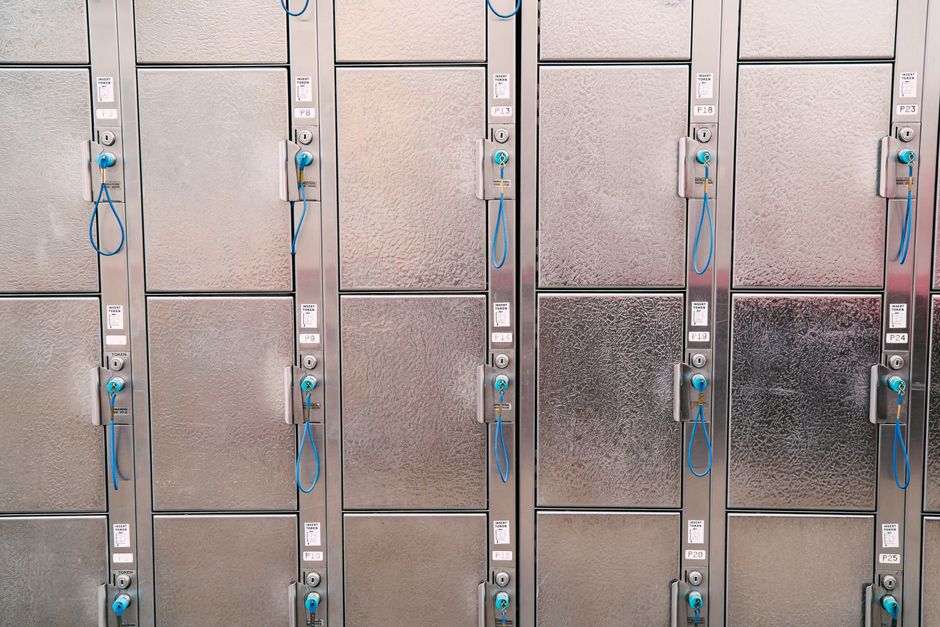
“Out of reach” used to be the standard advice, but children are remarkably good climbers, and older siblings or visiting friends can retrieve items that a toddler can’t. A locking medicine box, a small lockbox with a combination, or a cabinet with a child-resistant lock is a much stronger line of defense than a high shelf alone. These boxes are inexpensive, widely available at pharmacies and online retailers, and take only seconds to open when you actually need your medication.
Keep Medication in Its Original, Labeled Container
It’s tempting to transfer pills into a weekly pill organizer or a smaller travel bottle, but original prescription containers come with child-resistant caps for a reason. They also include the label information that becomes critical in an emergency, such as the drug name, strength, and prescribing information. If you use a pill organizer for your own convenience, keep it in the same locked space as everything else, and never leave it out on a counter or nightstand overnight.
Think Beyond the Medicine Cabinet
Opioids often travel outside their designated storage spot in ways parents don’t anticipate. A purse on the kitchen table, a jacket pocket hung by the front door, a pill left in a car’s cupholder, or a bottle tucked into a nightstand drawer are all common places where medication ends up within a child’s reach. If you’re currently taking opioids yourself and need to carry them with you, our guide on safe travel tips while carrying oxycodone covers how to transport medication securely, which is just as relevant for parents running errands with kids in the car as it is for longer trips.
Don’t Forget Visiting Relatives’ Homes
A significant number of pediatric opioid exposures happen at a grandparent’s house, not the child’s own home. Older adults are more likely to be managing chronic pain with prescription opioids, and their homes are often not set up with childproofing in mind, especially if grandchildren visit infrequently. Before a visit, it’s worth having a direct conversation with grandparents or other relatives about where medications are stored and asking them to move anything within a child’s reach into a locked or high, inaccessible space for the duration of the visit.
Proper Disposal of Unused or Expired Opioids
Leftover pills are one of the most overlooked risks in the home. A prescription written for ten days of post-surgical pain often results in a bottle that’s only half used, and that remaining medication frequently sits untouched in a cabinet for months or even years. The longer expired or unused medication stays in the house, the more opportunities exist for a child, teenager, or even a visiting guest to find it.
Use a Drug Take-Back Program
The safest way to dispose of unused opioids is through a drug take-back program. Many pharmacies, hospitals, and local law enforcement offices host permanent drop boxes or periodic take-back events where you can drop off unused medication no questions asked. The Drug Enforcement Administration organizes National Prescription Drug Take Back Day twice a year, but permanent collection sites are usually available year-round at participating pharmacies. Chains like CVS and Walgreens, along with many independent pharmacies, often have secure drop boxes near the pharmacy counter.
Use a Medication Disposal Pouch at Home
If a take-back location isn’t nearby, at-home disposal pouches are a reliable second option. These pouches use activated carbon and water to neutralize the medication, rendering it unusable and safe to throw away with household trash. They’re sold at most pharmacies and are specifically designed for opioids and other controlled substances.
When the FDA Flush List Applies
For a small number of particularly dangerous opioid medications, the FDA actually recommends flushing unused pills down the toilet if no take-back option is immediately available, because the risk of a child or pet accidentally ingesting them outweighs the environmental concern. This list is specific and doesn’t apply to every medication, so it’s worth checking your prescription’s label or asking your pharmacist whether your particular opioid qualifies before flushing anything.
Don’t Just Throw Pills in the Trash
Simply tossing loose pills into a kitchen trash can is not a safe disposal method. Trash is accessible to children, pets, and in some cases, people looking to misuse discarded medication. If you must dispose of pills in household trash as a last resort, mix them with an unappealing substance like used coffee grounds or kitty litter, seal them in a bag, and remove any personal information from the original bottle before recycling or discarding it.
If you’ve recently been advised to stop or taper off an opioid prescription, our article on when oxycodone should be stopped walks through what a safe tapering timeline looks like, which often results in leftover medication that needs to be disposed of properly rather than stored indefinitely.
Talking to Children and Teens About Prescription Opioids
Storage and disposal handle the physical risk, but conversation handles the behavioral risk, and both matter. Children who understand why medicine is dangerous, in age-appropriate terms, are less likely to treat pills as toys or trophies, and teenagers who’ve had honest conversations with a parent are statistically less likely to misuse prescription medication than teens who haven’t.
Talking to Toddlers and Preschoolers
You won’t have a detailed conversation with a two-year-old, but simple, repeated messaging works. Phrases like “medicine is only for grown-ups to give you” or “we never eat pills unless mommy or daddy hands them to us” build a foundation. Consistency matters more than complexity at this age; the goal is to build an automatic response of leaving pill bottles alone rather than understanding the pharmacology behind it.
Talking to School-Age Children
By elementary school, children can understand more nuanced explanations. This is a good age to explain that prescription medicine is made for a specific person’s body and a specific problem, and that taking someone else’s medicine, even if it looks similar to something they’ve taken before, can make them very sick. It’s also a good time to explain that if they ever find pills anywhere, whether at home, at a friend’s house, or on the ground outside, they should tell an adult immediately rather than touching them.
Talking to Teenagers
Conversations with teenagers require a different approach entirely. Lecturing rarely works, but honest, judgment-free conversations about why opioids are prescribed, how they affect the brain, and how quickly dependence can develop tend to land better. It also helps to be transparent about your own medication if you’re taking a prescription opioid: explain what it’s for, how long you’ll be taking it, and why it’s not something to be curious about or shared with friends. Studies on adolescent substance use consistently show that teens who feel they can talk openly with a parent about drugs, without fear of automatic punishment, are more likely to come forward if they’re offered pills at a party or if a friend is struggling.
Address Misconceptions Directly
Many teenagers believe that because a medication is prescribed by a doctor, it’s inherently safer than an illegal drug. This misconception is worth addressing head-on. Prescription opioids carry real risks of dependence, overdose, and dangerous interactions with alcohol or other substances, and those risks don’t disappear just because the pill came from a pharmacy rather than a street dealer.
Recognizing the Signs of Opioid Exposure or Overdose in Children
Even in the most careful households, exposures can happen, which is why every caregiver should know what an opioid overdose looks like in a child. Recognizing the signs quickly can be the difference between a close call and a tragedy.
Common Warning Signs
- Unusual drowsiness or difficulty waking the child
- Slow, shallow, or irregular breathing
- Pinpoint pupils that don’t respond normally to light
- Bluish or grayish tint to the lips, fingertips, or skin
- Limpness or unresponsiveness
- Vomiting combined with confusion or extreme sleepiness
- Gurgling or snoring-like sounds during breathing, which can indicate an obstructed airway
These symptoms can escalate quickly in young children because of their smaller body size, so it’s important not to wait and see if a child “seems fine for now.” If you suspect a child has ingested any amount of opioid medication, treat it as a medical emergency immediately, even if the child appears alert at first.
What to Do in an Emergency
Knowing the warning signs only matters if you know what to do next. A fast, calm, correct response can prevent permanent harm or death.
Step 1: Call for Help Immediately
If a child is unconscious, not breathing normally, or unresponsive, call 911 right away. If the child is awake and you’re unsure whether ingestion actually occurred, calling Poison Control at 1-800-222-1222 is a fast way to get guidance from a trained specialist, available 24 hours a day. Don’t wait for symptoms to worsen before making the call.
Step 2: Use Naloxone If You Have It
Naloxone, sold under brand names like Narcan, is a medication that can temporarily reverse an opioid overdose and is now available without a prescription at most pharmacies. If naloxone is in your home, and it’s worth keeping on hand if anyone in the household takes prescription opioids, administer it according to the package instructions the moment you suspect an overdose. Naloxone is safe to use even if you’re not entirely certain opioids are involved, and it will not harm a child who wasn’t exposed to opioids.
Step 3: Keep the Child Breathing and Positioned Safely
While waiting for emergency responders, keep the child on their side if they’re vomiting to prevent choking, and be prepared to perform rescue breathing if you’re trained to do so and the child stops breathing. Stay on the line with 911 or Poison Control, as dispatchers can talk you through these steps in real time.
Step 4: Bring the Medication Bottle to the Hospital
If you know or suspect which medication was involved, bring the bottle or packaging with you to the emergency room. This gives medical staff critical information about the drug, strength, and how much may have been missing from the bottle, which speeds up appropriate treatment. For a broader understanding of when a situation involving opioids warrants an ER visit rather than a call to a doctor’s office, our guide on when you should go to the ER while taking oxycodone offers useful context, even though it’s written from the perspective of an adult patient rather than a child’s caregiver.
Naloxone Isn’t Just for Adults
Some parents assume naloxone is only relevant for adults managing their own opioid use, but it’s an important tool for households with young children too. If a toddler or child ingests opioid medication, naloxone administered quickly by a caregiver, followed immediately by emergency medical care, can be lifesaving while waiting for paramedics to arrive.
Building a Family Opioid Safety Plan
Individual precautions matter, but a written, shared plan ensures that safety doesn’t depend on one person remembering everything. A good family safety plan is simple enough that a babysitter, grandparent, or other temporary caregiver can follow it without confusion.
Create a Medication Inventory
Keep a running list of every prescription opioid in the house, including who it belongs to, the dosage, the quantity remaining, and where it’s stored. This might sound excessive, but it accomplishes two things: it makes it immediately obvious if pills go missing, and it gives you a fast reference point in an emergency.
Designate One Adult as the Medication Manager
In households with multiple caregivers, confusion about who administered a dose or where medication is stored can create dangerous gaps. Assigning one adult as the primary person responsible for managing, storing, and tracking prescription opioids reduces the chance that a child gains access because two adults each assumed the other had locked it away.
Brief Every Caregiver, Every Time
Babysitters, grandparents, and even close family friends who spend time alone with your children should know three things: where medication is stored, that it’s off-limits to the kids, and what to do if they suspect a child has gotten into it. This briefing takes less than two minutes but closes a gap that’s responsible for a surprising number of pediatric exposures.
Do a Home Safety Walkthrough Quarterly
Habits slip over time. A bottle left on a nightstand “just for tonight” becomes a bottle that sits there for a week. Doing a quick walkthrough of your home every few months, checking nightstands, purses, coat pockets, kitchen counters, and bathroom drawers, helps catch these small lapses before they become serious risks.
Keep Emergency Numbers Visible
Post the Poison Control number (1-800-222-1222) somewhere visible, like on the refrigerator or saved prominently in your phone, and make sure any regular caregiver has it too. In a moment of panic, having the number readily available saves precious seconds.
Special Considerations for Grandparents and Multi-Generational Households
Grandparents play an outsized role in pediatric opioid exposures, not because of carelessness, but because their homes often aren’t designed with a toddler’s curiosity in mind, especially if grandchildren only visit occasionally. If you’re a grandparent managing chronic pain with a prescription opioid, or if your children and grandchildren visit your home regularly, a few extra precautions go a long way.
Store medication in a locked box year-round, not just before a visit, since exposures can happen unexpectedly during impromptu visits. Keep pill organizers, which are especially risky because they lack child-resistant caps, in the same locked location as everything else. If you’re the one taking a prescription like hydrocodone, our hydrocodone dosage guide for adults includes safe use precautions that are worth reviewing periodically, particularly around storage and interaction risks that become more relevant when young children are frequently in the home.
Frequently Asked Questions
What should I do if I think my child swallowed a prescription opioid but isn’t showing symptoms yet?
Call Poison Control at 1-800-222-1222 immediately, even if your child seems fine. Symptoms of opioid ingestion can take time to appear, and a specialist can advise you on whether to seek emergency care based on the specific medication, dose, and your child’s weight and age.
Is it safe to keep naloxone in a home with young children?
Yes. Naloxone is safe to store in the home and can be lifesaving in the event of an accidental ingestion. Keep it in the same secure, adult-only location as your other medications, and make sure every caregiver in the household knows where it is and how to use it.
How long should I keep leftover opioid medication after finishing treatment?
Ideally, you shouldn’t keep it at all. Once you no longer need the medication, dispose of it promptly through a take-back program or an at-home disposal pouch rather than storing it “just in case,” since leftover pills are a major contributor to accidental pediatric exposures and teen misuse.
My child found a loose pill on the floor but I’m not sure if they swallowed it. What should I do?
Treat it seriously. Count your remaining pills against your medication log if you have one, and call Poison Control right away for guidance, even if you’re unsure whether ingestion occurred. It’s always better to check than to assume everything is fine.
At what age can I stop worrying about accidental opioid exposure?
Accidental ingestion risk decreases significantly after early childhood, but the risk doesn’t disappear, it shifts. School-age children can still be curious, and teenagers face a very different but equally serious risk of intentional misuse. Safe storage, disposal, and honest conversation remain relevant throughout childhood and adolescence, not just during the toddler years.
Bringing It All Together
Keeping children safe around prescription opioids isn’t about achieving perfection or living in constant fear of a medicine cabinet. It’s about building small, consistent habits that add up to a genuinely safer home: locking medication away rather than relying on a high shelf, disposing of leftovers as soon as they’re no longer needed, having honest conversations that match your child’s age, and knowing exactly what to do if something goes wrong. None of these steps require special training or expensive equipment, just intention and consistency.
If your household includes a prescription opioid, whether it’s for short-term pain after a procedure or ongoing pain management, take a few minutes this week to walk through your own home with fresh eyes. Check where the medication is stored, confirm that every caregiver knows the plan, and make sure Poison Control’s number is somewhere you can find it in seconds, not minutes. That small investment of time is often the difference between a close call and a real tragedy, and it’s one of the most meaningful things you can do to protect the children in your life.