
Health Tips
When Should You Go to the ER While Taking Oxycodone?

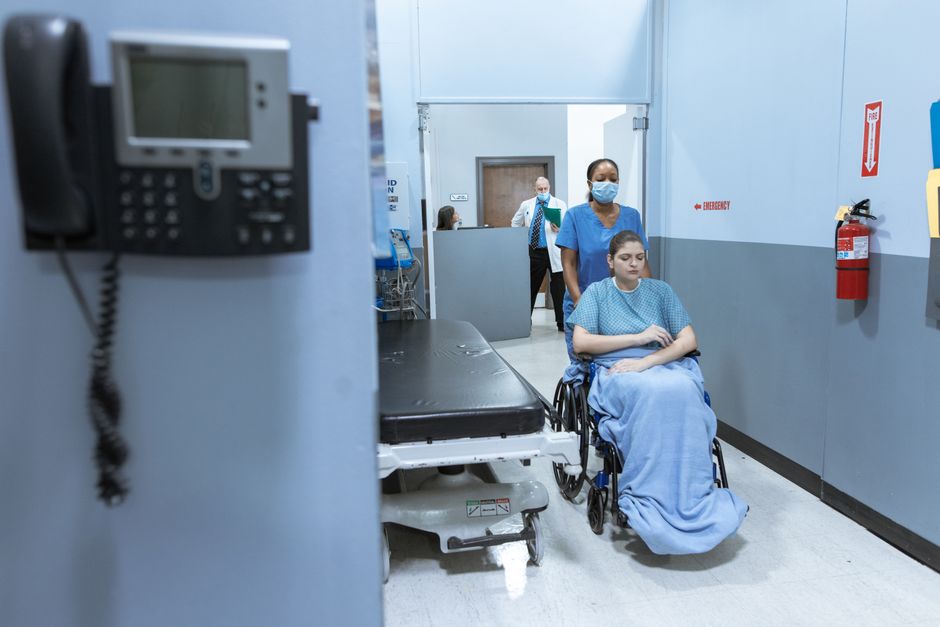
Oxycodone is one of the most commonly prescribed opioid painkillers in the United States, used after surgery, for injury recovery, and for chronic pain management. It works well when taken exactly as directed, but it also carries real risks, including slowed breathing, dangerous interactions, and overdose. Knowing when to go to the ER while taking oxycodone can mean the difference between a scary moment and a life-threatening emergency.
This guide walks through the specific warning signs that require immediate emergency care, the symptoms that can usually wait for a call to your doctor, and the steps you should take if something feels wrong. Whether you’re taking oxycodone yourself or caring for someone who is, this article will help you recognize the difference between normal side effects and a true medical emergency.
Why Oxycodone Emergencies Happen
Oxycodone belongs to a class of drugs called opioids, which work by binding to receptors in the brain and spinal cord to block pain signals. At the same time, these receptors control breathing, heart rate, and alertness. That overlap is exactly why oxycodone can be dangerous when taken in too high a dose, combined with certain substances, or used by someone with an underlying health condition that affects how the body processes the drug.
According to the Drugs.com clinical database, oxycodone overdose is a leading cause of opioid-related emergency room visits in the United States. Most emergencies do not happen because someone intentionally misused the medication. They happen because a dose was slightly too high, the medication was combined with alcohol or another sedative, or the person’s body chemistry changed due to illness, dehydration, or a new prescription.
Understanding this helps take away some of the fear and shame that often stops people from seeking help quickly. If something feels wrong, acting fast is always the right call.
Signs of Oxycodone Overdose That Require Immediate ER Care
An oxycodone overdose is a medical emergency. If you or someone near you shows any of the following symptoms, call 911 immediately rather than waiting to see if things improve on their own.
Slow, Shallow, or Stopped Breathing
This is the single most dangerous sign of opioid overdose. Oxycodone suppresses the part of the brain that controls the urge to breathe. A normal adult breathing rate is 12 to 20 breaths per minute. If breathing drops below 8 breaths per minute, sounds shallow, or stops entirely for periods of time, this is a life-threatening emergency.
- Breathing that sounds like gasping, gurgling, or snoring loudly and cannot be woken from
- Long pauses between breaths
- Breathing that appears labored or barely visible in the chest
Do not wait for the person to wake up on their own. Call 911 right away and begin rescue breathing or administer naloxone (Narcan) if it is available. Every minute without oxygen increases the risk of permanent brain damage or death.
Extreme Drowsiness or Unresponsiveness
Feeling sleepy after taking oxycodone is common, especially when starting the medication. But there is a critical difference between normal drowsiness and dangerous sedation. If a person cannot be woken up by shouting their name, shaking their shoulder, or rubbing their sternum firmly, this is a medical emergency.
- Unresponsive to loud noises or physical stimulation
- Limp body or no muscle control
- Eyes rolling back or unable to stay open even when prompted
If you are unsure whether someone is just very sleepy or truly unresponsive, treat it as an emergency. It is always safer to call for help and be wrong than to wait and be right too late.
Pinpoint Pupils
Opioids cause the pupils to constrict to a very small size, often described as “pinpoint.” While this alone is not always an emergency, when combined with slow breathing or unresponsiveness, it strongly suggests an overdose is occurring. Emergency responders often use this sign, along with breathing rate, to quickly identify opioid overdoses in the field.
Bluish Lips, Fingertips, or Skin
When breathing slows too much, the body cannot get enough oxygen into the bloodstream. This causes a bluish or grayish tint to appear around the lips, fingertips, and sometimes the skin overall, a condition called cyanosis. This is a clear sign that oxygen levels have dropped to a dangerous level and emergency care is needed immediately.
Cold, Clammy Skin and a Weak Pulse
As the body’s systems begin shutting down from lack of oxygen, skin can become cold and clammy to the touch. The pulse may feel weak, irregular, or difficult to find. This combination of symptoms often appears alongside slowed breathing and unresponsiveness, and together they paint a clear picture of an overdose in progress.
Gurgling Sounds or Choking
Sometimes called the “death rattle” by emergency responders, a gurgling or choking sound can indicate that a person is unable to clear their airway. This can happen when sedation is severe enough that the body loses its normal reflexes. This sound should never be ignored, even if the person otherwise appears to be sleeping peacefully.
What to Do While Waiting for Emergency Help
If you suspect an oxycodone overdose, every second counts. Here is what to do while waiting for paramedics to arrive:
- Call 911 immediately and clearly state that you suspect an opioid overdose
- Administer naloxone (Narcan) if you have access to it, following the instructions on the package
- Turn the person onto their side into the recovery position to prevent choking if they vomit
- Stay with the person and continue to monitor their breathing until help arrives
- Be prepared to perform rescue breathing or CPR if breathing stops completely
- Gather any pill bottles or information about what was taken to share with paramedics
Naloxone can temporarily reverse the effects of an opioid overdose, but its effects wear off faster than oxycodone stays in the system. This means a person can slip back into overdose even after naloxone is given, which is why calling 911 is essential even if the person seems to improve.
Other Serious Symptoms That Warrant an ER Visit
Overdose is the most urgent concern, but it is not the only reason someone taking oxycodone might need emergency care. Several other symptoms, while less immediately life-threatening, still require prompt medical evaluation.
Severe Allergic Reaction
Although rare, some people can have an allergic reaction to oxycodone. Signs of a severe allergic reaction, known as anaphylaxis, include:
- Swelling of the face, lips, tongue, or throat
- Difficulty breathing or a feeling of the throat closing
- Hives or a widespread rash that appears suddenly
- Dizziness or fainting
- Rapid heartbeat combined with a drop in blood pressure
Anaphylaxis can escalate quickly and become fatal without treatment. If you notice these symptoms after taking oxycodone, call 911 right away, even if the reaction seems mild at first. For more general warning signs to watch for, this guide on warning signs you should never ignore while taking oxycodone covers additional red flags worth knowing.
Seizures
While oxycodone itself is not typically associated with seizures the way some other medications are, seizures can occur in cases of severe overdose, when oxycodone is combined with other substances, or in people with underlying health conditions. A seizure occurring after taking oxycodone should always be treated as a medical emergency.
Severe Constipation or Bowel Obstruction
Constipation is one of the most common side effects of oxycodone, and mild cases can usually be managed at home with diet changes, hydration, and over-the-counter remedies. However, severe constipation can sometimes progress into a bowel obstruction, a serious condition that requires emergency treatment. Warning signs include:
- Severe abdominal pain or bloating that continues to worsen
- Inability to pass gas or have a bowel movement for several days
- Persistent vomiting, especially if it looks like stool
- A hard, distended abdomen
If you experience these symptoms, do not wait to see if things resolve on their own. Bowel obstructions can become life-threatening if left untreated.
Signs of Serotonin Syndrome
If oxycodone is combined with certain antidepressants or other serotonin-affecting medications, a rare but dangerous condition called serotonin syndrome can occur. Symptoms include:
- Agitation, confusion, or restlessness
- Rapid heart rate and high blood pressure
- Muscle twitching or rigidity
- High fever and heavy sweating
- Diarrhea and nausea
This condition can escalate quickly and requires emergency treatment. Always inform your doctor and pharmacist about every medication you take, including supplements, to reduce this risk. If you are curious about how supplements interact with oxycodone, this guide on whether you can take vitamins while taking oxycodone offers helpful context.
Chest Pain or Irregular Heartbeat
While not a typical side effect of oxycodone, chest pain, heart palpitations, or an irregular heartbeat should never be ignored, especially in someone with underlying heart conditions or when combined with other substances. These symptoms could indicate a separate cardiac emergency that happens to coincide with oxycodone use, and they require immediate evaluation.
Situations That Increase the Risk of a Medical Emergency
Certain circumstances make an oxycodone-related emergency more likely. Being aware of these risk factors can help you take extra precautions.
Combining Oxycodone With Alcohol or Sedatives
Alcohol, benzodiazepines, sleep aids, and certain muscle relaxants all depress the central nervous system, just like oxycodone. Combining any of these substances multiplies the risk of slowed breathing and overdose, even at doses that would normally be considered safe on their own. The Cleveland Clinic and other major health organizations consistently warn against mixing opioids with any other sedating substance.
Illness or Fever
Believe it or not, having a fever or being ill can actually change how your body processes oxycodone, sometimes intensifying its effects or altering how quickly it clears your system. This guide explaining how fever can change how oxycodone works goes into more detail about this often-overlooked risk.
Dehydration
Dehydration can concentrate oxycodone in the bloodstream and worsen side effects like dizziness, low blood pressure, and confusion. Staying properly hydrated, especially during illness or hot weather, is an important but often overlooked safety measure.
Kidney or Liver Problems
Oxycodone is processed by the liver and cleared from the body by the kidneys. If either organ is not functioning properly, oxycodone can build up in the system to dangerous levels even at a normal prescribed dose. People with known kidney or liver issues should be monitored closely by their doctor while taking this medication.
Recent Changes in Tolerance
Tolerance to oxycodone can drop quickly, sometimes within just a few days of stopping or reducing use. This is a particularly dangerous situation for people who have recently completed a tapering plan or taken a break from the medication, since returning to a previous dose can lead to accidental overdose. If you are working through a tapering schedule, this resource on when oxycodone should be stopped and how to taper safely offers helpful guidance on minimizing this risk.
Age and Body Weight
Older adults and people with lower body weight often metabolize oxycodone differently than the general population, which can lead to higher drug concentrations even at standard doses. Family members supporting an older loved one on oxycodone should stay especially alert to early warning signs, and this family guide to supporting someone taking oxycodone can help caregivers know what to watch for. (Note: always verify link accuracy before publishing.)
Symptoms That Are Uncomfortable But Usually Do Not Require the ER
Not every side effect of oxycodone is a medical emergency. Knowing the difference can help you avoid unnecessary panic while still staying alert to real danger. Symptoms that are typically manageable at home, though still worth mentioning to your doctor, include:
- Mild nausea or occasional vomiting that resolves within a day
- Ordinary drowsiness that improves with rest and does not affect breathing
- Mild constipation managed with fiber, fluids, and gentle laxatives
- Feeling unusually cold, which can be a common but non-dangerous side effect
- Mild mood changes, such as feeling more emotional than usual
If you experience nausea after taking your dose, this article on why you might feel nauseous after taking oxycodone offers relief tips that can help you manage the symptom without unnecessary worry. Similarly, if you have been feeling unusually cold, this piece on why you may feel cold while taking oxycodone explains the cause and simple solutions.
That said, if any of these milder symptoms suddenly worsen, become severe, or are accompanied by any of the emergency warning signs discussed earlier, it is always better to seek medical attention rather than assume it will pass.
How to Prepare Before an Emergency Happens
Being prepared ahead of time can make a real difference if an emergency does occur. Consider taking these steps as soon as you or a loved one starts taking oxycodone:
- Keep naloxone (Narcan) on hand, especially if higher doses are prescribed or if other risk factors are present
- Make sure family members or housemates know the signs of overdose and how to respond
- Store medication information, including dosage and prescribing doctor, somewhere easily accessible
- Set reminders for doses to avoid accidental double-dosing
- Keep a list of all other medications and supplements to share with emergency responders if needed
- Post emergency numbers somewhere visible in the home
Having open conversations with family members about the medication and what to watch for can also reduce panic and confusion if something does go wrong. This guide on how to talk to family about taking oxycodone offers practical tips for starting that conversation.
What Happens at the ER for an Oxycodone Emergency
Knowing what to expect can ease some of the anxiety around seeking emergency care. When you arrive at the ER for a suspected oxycodone overdose or serious reaction, medical staff will typically:
- Check vital signs immediately, including breathing rate, heart rate, blood pressure, and oxygen levels
- Administer naloxone if it has not already been given, and monitor how the person responds
- Provide supplemental oxygen or breathing support if needed
- Run blood tests to check for other substances and assess organ function
- Monitor the patient for several hours, since oxycodone’s effects can last longer than a single dose of naloxone
- Discuss next steps, which may include adjusting the prescription, referral to a specialist, or connecting the patient with additional support resources
ER staff are not there to judge. Their goal is to stabilize the situation and help the patient stay safe, whether the emergency happened due to an accidental mistake, a medical complication, or anything in between. Being honest with medical staff about what was taken and when is the most helpful thing you can do to ensure fast, accurate treatment.
Frequently Asked Questions
How do I know if I should call 911 or just go to urgent care?
If there is any sign of slowed or stopped breathing, unresponsiveness, blue-tinted lips or skin, or a suspected overdose, call 911 immediately rather than driving to urgent care. Urgent care centers are not equipped to handle opioid overdoses and do not typically stock naloxone or have the resources for emergency airway support. For less severe symptoms, such as ongoing constipation or unusual side effects that are not immediately life-threatening, a same-day call to your prescribing doctor or a visit to urgent care may be appropriate.
Can I overdose on oxycodone even if I take it exactly as prescribed?
It is uncommon but possible, especially if your body chemistry changes due to illness, dehydration, liver or kidney problems, or if you unknowingly combine it with another sedating substance. This is why it is important to tell your doctor about any new medications, supplements, or health changes, even if your oxycodone dose has not changed.
What should I tell 911 dispatchers if I suspect an overdose?
Tell them you suspect an opioid overdose, describe the symptoms you are seeing (such as slow breathing or unresponsiveness), and mention if naloxone is available or has already been given. If you know the amount and time the oxycodone was taken, share that information as well, along with any other substances involved.
Is it safe to sleep after taking oxycodone if I feel drowsy?
Normal drowsiness that allows you to be easily woken is generally not dangerous. However, you or someone else should be able to rouse you without difficulty. If breathing becomes slow, shallow, or irregular during sleep, or if you cannot be woken up, this is an emergency, not normal sleepiness.
Should I go to the ER if I accidentally took an extra dose?
It depends on the situation. If you feel fine and are not experiencing any concerning symptoms, call the Poison Control hotline at 1-800-222-1222 or your prescribing doctor for guidance. If you notice drowsiness beyond what is normal, slowed breathing, confusion, or any other warning sign, seek emergency care immediately rather than waiting to see how things progress.
Conclusion
Oxycodone can be an effective tool for managing pain, but it comes with real risks that deserve respect and attention. Knowing the difference between manageable side effects and true emergencies can be the deciding factor in a life-or-death situation. Slowed or stopped breathing, unresponsiveness, bluish skin, and signs of a severe allergic reaction should never be second-guessed. When in doubt, call 911. It is always better to seek help and find out the situation was not as serious as feared than to wait and risk a tragic outcome. Staying informed, preparing ahead of time with resources like naloxone, and keeping an open line of communication with your doctor and family members are some of the best ways to use oxycodone safely while minimizing the chance of a medical emergency.