

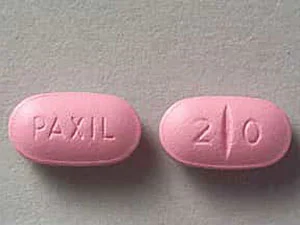
Generic Paxil 20 mg
Price range: $720.00 through $2,370.00
| Variation | Price | Quantity | Add To Cart |
|---|---|---|---|
| 300 pills | $2,370.00 |
|
Add to cart |
| 180 pills | $1,440.00 |
|
Add to cart |
| 240 pills | $1,915.20 |
|
Add to cart |
| 90 pills | $720.00 |
|
Add to cart |
Paxil 20 mg (Paroxetine): Adult Prescription Information and Buying Guide
Paxil 20 mg is an immediate-release prescription tablet containing paroxetine, an SSRI antidepressant. In current U.S. labeling, 20 mg is the adult starting dose for major depressive disorder, obsessive-compulsive disorder, posttraumatic stress disorder, social anxiety disorder, and generalized anxiety disorder. It is also within the treatment range for panic disorder, which generally begins at 10 mg. Being a commonly used reference dose does not make 20 mg appropriate for every patient or condition.
This product description is written for people comparing paroxetine 20 mg information, price, prescription requirements, side effects, and licensed online pharmacy options. It supports informed verification of a clinician-issued prescription. It does not provide a personal diagnosis or authorize anyone to buy Paxil 20 mg without a prescription.
The 20 mg tablet in one view
| Generic name | Paroxetine |
|---|---|
| Brand name | Paxil |
| Form | Immediate-release oral tablet |
| Strength | 20 mg |
| Class | Selective serotonin reuptake inhibitor (SSRI) |
| Labeled adult uses | MDD, OCD, panic disorder, social anxiety disorder, GAD, and PTSD |
| Usual labeled timing | Once daily in the morning, with or without food, as prescribed |
| Prescription required | Yes |
| Pediatric approval | Paxil is not approved for pediatric patients |
Why 20 mg appears so often in paroxetine searches
Twenty milligrams is the labeled adult starting and recommended dosage for several immediate-release Paxil indications. It is also a commercially supplied tablet strength. Those facts make “Paxil 20 mg uses,” “paroxetine 20 mg dosage,” and “Paxil 20 mg price” common queries. However, the condition-specific evidence and dose ceilings differ, so the same 20 mg tablet can serve different roles.
A standard starting dose is not a self-starting dose. Before treatment, the clinician screens for bipolar disorder, suicidal risk, interactions, pregnancy considerations, medical conditions, and alternative explanations for symptoms. Older adults and people with severe renal or hepatic impairment generally start lower under the label.
Understanding the six labeled adult indications
Major depressive disorder
MDD involves a sustained cluster of symptoms and meaningful impairment. Treatment goals may include better mood, interest, sleep, appetite, energy, concentration, safety, and daily function. Paxil is not intended to treat ordinary sadness without clinical evaluation.
Obsessive-compulsive disorder
OCD includes obsessions and/or compulsions that cause distress, consume time, or interfere with life. Medication may be combined with exposure and response prevention. Improvement is judged by reduced distress and interference, not simply by feeling calmer.
Panic disorder
Because early SSRI activation may be difficult for people with panic disorder, labeling starts at 10 mg. A prescriber may later use 20 mg after reviewing tolerability. Paxil does not stop a panic attack immediately.
Social anxiety disorder
Social anxiety disorder is persistent, impairing fear related to social scrutiny—not ordinary shyness. Labeling identifies 20 mg as both the starting and recommended dosage and does not establish extra benefit above 20 mg for all patients.
Generalized anxiety disorder
GAD involves excessive, difficult-to-control worry with associated symptoms and impairment. Current labeling also identifies 20 mg as the starting and recommended dosage, with insufficient evidence that higher doses provide greater benefit to every patient.
Posttraumatic stress disorder
PTSD treatment may target intrusive symptoms, avoidance, mood and cognitive changes, hyperarousal, sleep, and function. Trauma-focused psychotherapy can remain a key part of care.
Pre-prescription information the clinician needs
Before the first 20 mg tablet, provide a complete psychiatric and medical history. Include previous antidepressants, reasons they were stopped, suicidal thoughts or attempts, bipolar symptoms, psychosis, seizures, narrow-angle glaucoma, bleeding problems, low sodium, falls, kidney or liver disease, heart-rhythm concerns, pregnancy plans, and breastfeeding. Mention family history of bipolar disorder and sudden cardiac death where relevant.
Bring the actual names and strengths of every prescription, nonprescription medicine, vitamin, and supplement. Include medicines taken only as needed, such as migraine drugs, cold remedies, pain relievers, and sleep aids. Also describe alcohol, cannabis, nicotine, and other substance use honestly. The purpose is safer treatment, not judgment.
What an adequate medication review should establish
- A confirmed working diagnosis and reasons paroxetine was selected
- Measurable target symptoms and functional goals
- Baseline suicide risk and a plan for worsening symptoms
- Screening for bipolar disorder and relevant medical contraindications
- Interaction review, including MAOIs, tamoxifen, pain relievers, and serotonergic products
- Pregnancy and breastfeeding counseling when relevant
- Initial follow-up timing and the person responsible for refills
An online consultation can be legitimate, but it should still gather enough information to make a safe prescription decision. A form that asks only the desired strength and payment details is not an adequate psychiatric assessment.
How Paxil works—and what that does not promise
Paroxetine inhibits the reuptake of serotonin. This changes serotonin signaling, but the clinical response is not an instant chemical correction. Improvement usually develops over weeks, and the first symptom to change is not the same for every patient.
No responsible product page should promise that 20 mg will work, produce a result by a fixed day, or be free from side effects. The dose is evaluated through actual benefit, tolerability, and function.
How to take Paxil 20 mg
Take immediate-release Paxil exactly as shown on the prescription label. Current labeling generally uses one daily morning dose, with or without food. Consistent timing can reduce missed doses and help clinicians interpret response. If nausea occurs, ask the pharmacist whether taking it with food is appropriate.
Do not take extra tablets on a difficult day, switch between morning and night without guidance, or combine the 20 mg tablet with an old strength. Do not share the medicine. If the label differs from the clinician’s recent instructions, contact the pharmacy before taking it.
Missed doses and refill interruptions
General patient information advises taking a missed dose when remembered unless it is close to the next dose. If it is close, skip the missed tablet and continue normally. Do not double. A pharmacist can give timing specific to the schedule.
Paroxetine discontinuation symptoms can make refill gaps especially uncomfortable. Count remaining tablets in advance. If prior authorization, travel, stock, or an appointment may delay the refill, contact the licensed pharmacy and prescriber early rather than rationing tablets or using alternate-day dosing without instructions.
What to expect during the first month
Early adverse effects may include nausea, sleepiness, insomnia, headache, sweating, dizziness, bowel changes, tremor, or sexual effects. Some improve with time, but severe or function-limiting symptoms should be discussed. Therapeutic improvement may begin gradually and can take several weeks.
Plan a follow-up. Track two or three observable targets, such as panic attacks per week, time lost to compulsions, days missed from work, sleep disruption, or ability to complete necessary tasks. A meaningful treatment response should improve life, not merely change a questionnaire score.
First-month milestones without rigid promises
During the first days, the main goal may be safe initiation and manageable tolerability. During the next few weeks, the clinician looks for emerging symptom or functional improvement. At a later review, the question becomes whether 20 mg provides sufficient benefit, needs more time, needs adjustment, or should be replaced. The exact timing depends on diagnosis and clinical circumstances.
Do not judge the medicine by a single unusually good or bad day. Look for patterns. At the same time, do not wait for a scheduled visit when suicidal thinking, mania-like symptoms, severe adverse effects, or a dangerous interaction emerges.
If symptoms improve only partly
A partial response does not automatically call for a higher dose. The clinician may verify adherence, duration, diagnosis, substance use, sleep, psychotherapy access, and medical contributors. For social anxiety disorder and GAD, labeling notes insufficient evidence that doses above 20 mg provide greater benefit for every patient.
Options may include more time, structured psychotherapy, treating a coexisting condition, dose adjustment, or a medication change. The decision should balance benefit and side effects rather than chase a milligram target.
If symptoms become worse
Worsening may reflect the underlying disorder, early activation, a bipolar-spectrum response, substance use, an interaction, severe sleep loss, psychosocial crisis, or another illness. Document timing relative to the first dose, any increase, and newly added products. Contact the prescriber promptly.
Immediate danger, suicidal intent, severe agitation with unsafe behavior, a seizure, or inability to care for basic needs requires emergency evaluation. Do not attempt to manage a crisis by taking additional Paxil.
Boxed warning: observe mood and behavior
Antidepressants increased suicidal thoughts and behaviors in pediatric and young adult patients in short-term studies. Paxil is not approved for pediatric patients. All patients should be monitored for worsening illness and unusual behavioral changes, especially during the first months and when the dose changes.
Contact the clinician promptly for new suicidal thoughts, self-harm behavior, severe agitation, marked insomnia, worsening panic, aggression, reckless behavior, or an abrupt mood shift. If the patient may act on suicidal thoughts or cannot stay safe, use emergency services immediately.
Bipolar disorder and antidepressant activation
A depressive presentation may occur within bipolar disorder. Before treatment, report personal and family history of mania, hypomania, bipolar disorder, or psychosis. Warning signs include unusually little need for sleep, elevated or intensely irritable mood, rapid speech, racing thoughts, grandiosity, and dangerous decisions.
New energy is not always recovery. If energy rises while judgment worsens or sleep need collapses, contact the prescriber urgently. Do not add a sedative or stop suddenly without direction.
Serotonin syndrome and MAOI separation
Paxil must not be used with MAOIs intended for psychiatric disorders or within required separation periods. Linezolid and intravenous methylene blue can also create a serious interaction. The prescriber must coordinate switches.
Possible serotonin-syndrome symptoms include agitation, confusion, hallucinations, fever, sweating, rapid heart rate, unstable blood pressure, tremor, rigidity, overactive reflexes, poor coordination, nausea, vomiting, or diarrhea. Seek urgent evaluation for a concerning cluster.
Contraindicated medicines
Thioridazine and pimozide are contraindicated with paroxetine because paroxetine can raise their levels and increase the risk of QT prolongation and dangerous ventricular arrhythmias. Known serious hypersensitivity to paroxetine or product ingredients is another contraindication.
Do not treat this short list as a complete interaction screen. Many combinations are not formally contraindicated but still require avoidance, dose changes, or monitoring.
CYP2D6 inhibition: a central interaction issue
Paroxetine strongly inhibits CYP2D6. This can raise concentrations of some antipsychotics, tricyclic antidepressants, atomoxetine, and certain cardiac medicines. It can also reduce conversion of tamoxifen to its active metabolite, potentially affecting tamoxifen effectiveness.
Tell oncology clinicians about paroxetine and tell the paroxetine prescriber about tamoxifen. Do not independently stop either medicine. A pharmacist can review the complete list and help the teams coordinate.
Other serotonergic products
Other antidepressants, lithium, buspirone, tramadol, triptans, certain opioids, amphetamine medicines, and St. John’s wort may increase serotonergic risk. Even when a combination is sometimes used clinically, it may require counseling and monitoring.
List supplements by exact brand and ingredients. “Herbal mood support” can hide a relevant serotonergic compound. Do not start or stop these products without review.
Bleeding risk
SSRIs can increase bleeding risk, particularly with aspirin, ibuprofen, naproxen, anticoagulants, antiplatelet medicines, and other clotting-affecting products. Mention frequent pain-reliever use, ulcers, easy bruising, or a bleeding disorder.
Seek urgent care for black stools, bloody vomit, severe uncontrolled bleeding, or symptoms of major blood loss. Do not stop a prescribed anticoagulant on your own.
Pregnancy and fetal risk discussion
Paroxetine has specific pregnancy concerns. Current labeling describes an association between first-trimester exposure and cardiovascular malformations. Later pregnancy exposure to SSRIs may be associated with complications in newborns. Untreated serious mental illness can also pose risks.
Discuss conception plans before starting when possible. If pregnancy occurs during use, contact the prescriber promptly, but do not abruptly stop. The decision may involve continuing, changing, or tapering under supervision.
Breastfeeding
Paroxetine is present in human milk. Treatment decisions should consider the patient’s need for therapy, benefits of breastfeeding, possible infant exposure, and observed infant effects. Inform the infant’s clinician and report feeding difficulty, unusual sleepiness, irritability, or other concerns.
Sexual dysfunction
Paroxetine may cause decreased libido, erectile difficulty, delayed or absent ejaculation, and delayed or absent orgasm. These effects can affect quality of life and adherence. A clinician should ask about baseline function and later change rather than assuming the underlying condition is the only cause.
Do not abruptly stop 20 mg because of sexual effects. Discuss the dose-benefit balance and potential management options. Avoid unregulated enhancement products that may contain undeclared drugs.
Common side effects in everyday language
- Nausea, diarrhea, or constipation
- Dry mouth
- Sleepiness or difficulty sleeping
- Dizziness, headache, weakness, or tremor
- Increased sweating
- Reduced appetite or weight change
- Sexual problems
The list is not complete. Contact the clinician for severe, persistent, or worsening effects, especially when they interfere with eating, hydration, driving, work, or treatment adherence.
Side-effect conversations that improve care
| Instead of saying | Tell the clinician |
|---|---|
| “It makes me sick” | When nausea begins, whether vomiting occurs, food relationship, hydration, and how many doses were missed |
| “I cannot sleep” | Bedtime, time to sleep, awakenings, total sleep, dose time, caffeine, and any reduced need for sleep |
| “I feel numb” | Whether this means sedation, emotional blunting, dissociation, or reduced anxiety and when it began |
| “Sex is different” | Changes in desire, arousal, erection, ejaculation, orgasm, pain, and relationship to dose |
| “I am dizzy” | Whether it occurs after standing, after missed doses, with fainting, or with new medicines |
Specific descriptions help distinguish a manageable adverse effect from a reason for urgent assessment or a change in treatment.
Low sodium, confusion, and falls
Paroxetine can cause hyponatremia. Older adults, people using diuretics, and volume-depleted patients may face higher risk. Headache, poor concentration, memory problems, confusion, weakness, and unsteadiness may appear. Severe cases can cause hallucinations, seizures, coma, respiratory arrest, or death.
New confusion or a fall needs prompt assessment. It should not be assumed to be anxiety or aging.
Eye and seizure warnings
Pupil dilation from SSRIs can trigger angle-closure glaucoma in a person with untreated narrow angles. Sudden eye pain, redness, visual halos, blurred vision, headache, or nausea requires urgent care. Discuss a history of glaucoma before treatment.
Paroxetine should be prescribed cautiously in seizure disorders. Report a seizure immediately. Disclose head injury, alcohol withdrawal risk, and medicines that affect seizure threshold.
Discontinuation syndrome
Stopping Paxil suddenly can cause dizziness, abnormal dreams, sensory disturbances, anxiety, agitation, nausea, sweating, headache, tremor, confusion, emotional lability, insomnia, lethargy, and tinnitus. Current labeling recommends gradual reduction when possible.
Do not assume one 20 mg tablet can simply be stopped or taken every other day. Tapering depends on duration, prior withdrawal, condition, and available formulations. The prescriber can use smaller strengths or liquid when appropriate.
Older adults and organ impairment
Current labeling generally starts older adults and patients with severe renal or hepatic impairment at 10 mg, with a lower maximum. A 20 mg prescription may still be used after clinical review, but it should not be copied from a younger or healthier person’s plan.
These patients may need closer attention to sodium, falls, sedation, interactions, and adverse effects. Provide updated kidney and liver information when requested.
Driving, alcohol, and safety-sensitive work
Paxil may cause drowsiness, dizziness, or impaired judgment. Do not drive, use machinery, work at heights, or perform hazardous tasks until the effect is known. Alcohol and cannabis can worsen sedation, mood symptoms, sleep, and coordination.
Discuss safety-sensitive work before starting. Twenty milligrams being a common dose does not guarantee normal performance.
Long-term use and periodic reassessment
Some conditions require months or longer treatment. The prescriber should periodically reassess ongoing benefit, adverse effects, adherence, relapse history, and readiness for any change. Feeling better can mean treatment is working; it does not automatically mean treatment should end immediately.
A long-term review should include sexual health, weight, falls, new medical diagnoses, other medicines, and patient goals. If discontinuation is appropriate, plan it gradually.
Psychotherapy and condition-specific care
Medication can reduce symptoms, but evidence-based psychotherapy may address avoidance, compulsions, trauma responses, worry processes, and relapse prevention. Exposure and response prevention is particularly relevant to OCD; exposure-based cognitive behavioral approaches can help panic and social anxiety; trauma-focused therapies can help PTSD; and several structured therapies may support depression and GAD.
Combined care should be coordinated. A therapist should know about major medication changes, and the prescriber should know about significant clinical worsening observed in therapy. Neither professional should assume the other has handled an urgent safety concern.
Switching to or from Paxil 20 mg
Antidepressant switches are not milligram-for-milligram conversions. The plan can involve tapering, a washout period, cautious overlap, or a direct switch depending on the drugs and clinical urgency. MAOIs require strict separation. Fluoxetine remains in the body for an extended period, while paroxetine itself can cause prominent discontinuation symptoms.
Keep a written record of the last dose of the old medicine and first dose of the new medicine. If pharmacy records show two active antidepressants with conflicting directions, ask before taking both. Never infer a cross-taper from leftover bottles.
Procedures and emergency care
Tell surgeons, dentists, anesthetic professionals, and emergency clinicians that you take paroxetine. It may affect bleeding considerations, pain-medicine choice, sedation, and interaction risk. Do not stop on the day of a procedure unless the responsible clinician directs it.
Carry a current medication list. In an emergency, the exact drug and strength can influence treatment decisions, especially when serotonin syndrome, overdose, bleeding, low sodium, or an interaction is possible.
Overdose response
Paroxetine overdose can be dangerous, particularly with other substances. Possible effects include severe sleepiness, vomiting, tremor, seizures, abnormal heart rhythm, blood-pressure changes, serotonin syndrome, or loss of consciousness. Do not wait at home for symptoms after a suspected overdose.
In the United States, call Poison Help at 1-800-222-1222. Call 911 for collapse, seizure, breathing difficulty, or inability to awaken. Do not induce vomiting unless directed by a poison-control professional.
Paxil 20 mg versus generic paroxetine 20 mg
FDA-approved generic paroxetine must meet regulatory standards for quality and bioequivalence. Color, shape, imprint, packaging, inactive ingredients, and price can differ. Confirm the current manufacturer with the dispensing pharmacist if appearance changes.
Do not identify a tablet using a public photo alone. Check the labeled container and imprint. A loose or untraceable tablet should not be used.
Immediate-release Paxil versus Paxil CR
Paxil 20 mg is an immediate-release strength. Paxil CR is a controlled-release product supplied in different strengths. The formulations are not automatically interchangeable. A price listing for “paroxetine” should clearly state the release type.
Never crush Paxil CR to imitate an immediate-release dose. If insurance or stock requires a formulation change, the pharmacy should obtain an authorized prescription.
How to buy Paxil 20 mg online safely
Valid transactional searches include “buy Paxil 20 mg online with prescription,” “paroxetine 20 mg refill,” “generic Paxil 20 mg cost,” and “licensed online pharmacy Paxil.” A legitimate pharmacy requires a valid prescription, holds the appropriate license, lists verifiable contact details, protects patient information, and offers pharmacist access.
Avoid a site that lets the buyer self-select 20 mg, promises immediate relief, uses only anonymous chat, or sells without a prescription. The FDA warns that unsafe online pharmacies may supply counterfeit, expired, contaminated, or improperly stored medicine.
Comparing Paxil 20 mg prices
Compare the same active ingredient, immediate-release dosage form, 20 mg strength, quantity, and brand/generic status. Include shipping, consultation, membership, and dispensing fees. Check whether insurance requires an in-network pharmacy or prior authorization.
Do not substitute 40 mg tablets for splitting unless the exact plan is prescribed and the pharmacist confirms the tablet can be split accurately. A lower headline price can hide a different product or quantity.
Online order checklist
- Prescription is active and specifically authorizes immediate-release paroxetine 20 mg.
- Quantity, frequency, and patient name are correct.
- New medicines, pregnancy, and health changes have been reported.
- Pharmacy license is verified through the appropriate regulator.
- A pharmacist is available before and after delivery.
- The package is sealed, labeled, and matches the order.
Refill continuity and pharmacy transfers
Transfer records before the supply is nearly empty. Confirm that the new pharmacy received the current 20 mg prescription, not an older 10 mg or 30 mg order. Ask whether the generic manufacturer will change and whether any allergy-relevant inactive ingredient differs.
If insurance rejects an early refill because of travel, contact the insurer, pharmacy, and prescriber rather than stretching the schedule. When a delivery is lost, do not consume tablets that later arrive with damaged or unverifiable packaging until the pharmacy resolves the shipment.
Storage and disposal
Keep Paxil in its original labeled container at the conditions stated on the product label, away from excess heat, moisture, children, and pets. Do not mix strengths in one container. When traveling, keep it in the labeled bottle and check destination rules.
Use a medicine take-back option for expired or unwanted tablets when available. Do not share, resell, or save tablets for a later self-directed restart.
Frequently asked questions about Paxil 20 mg
Is Paxil 20 mg a starting dose?
It is the labeled adult starting dose for MDD, OCD, PTSD, social anxiety disorder, and GAD. Panic disorder generally begins at 10 mg. Patient-specific factors may lead to a different plan.
How long does 20 mg take to work?
Some changes may occur in the first weeks, while fuller response can take longer. The timeline varies by condition and patient. Do not increase without the prescriber.
Is 20 mg better than 10 mg?
Not inherently. The right dose is the lowest effective, tolerable dose for the individual treatment plan. Ten milligrams may be an initiation dose, while 20 mg may be appropriate later or for another indication.
Can it be taken when needed?
No. Immediate-release Paxil is generally prescribed once daily, not as an as-needed rescue medicine.
Can I stop after symptoms improve?
Do not stop suddenly. The clinician should determine duration and create a gradual reduction plan if discontinuation is appropriate.
Can I use Paxil 20 mg for sleep?
Paxil is not a general sleep medicine. It may cause sleepiness or insomnia. A sleep complaint needs evaluation rather than self-treatment with paroxetine.
Can I buy Paxil 20 mg without a prescription?
No legitimate U.S. pharmacy should dispense it without a valid prescription. Avoid a seller that offers to bypass this requirement.
What if my refill looks different?
A generic manufacturer change may alter color or imprint. Contact the dispensing pharmacist to verify the product before taking it.
Patient summary before purchase
Paxil 20 mg is a familiar strength, but it remains a potent prescription medicine. The patient should understand the diagnosis, schedule, first follow-up, main interactions, suicidal-thought warning, pregnancy concerns, bleeding risk, sexual effects, and discontinuation plan before ordering.
Use an online pharmacy for convenience only when it preserves the safeguards of clinical care: a valid prescription, accurate product identity, licensed dispensing, regulated packaging, pharmacist counseling, and a clear route for urgent problems.
At each refill, compare the directions with the previous label and confirm that the prescription still reflects the current treatment plan. Report new medical conditions, pregnancy, procedures, over-the-counter pain relievers, supplements, and prescriptions from other clinicians. Keep enough time for authorization and delivery so a routine purchase does not become an abrupt interruption. If cost is a concern, compare an equivalent generic product and full prescription quantity through licensed pharmacies; do not change release formulation, strength, or dosing frequency simply to match a lower advertised price.
The most useful question is not whether 20 mg is a “normal” dose. It is whether this exact dose is producing a meaningful, documented benefit for this patient with acceptable risk and tolerability. That answer belongs in periodic clinical review.
Keep the Medication Guide with the current bottle and review it when a manufacturer or formulation changes. Ask the pharmacist to reconcile any old Paxil CR, paroxetine liquid, or lower-strength prescription so only the intended daily regimen remains active.
If a refill is denied because clinical follow-up is overdue, arrange the review promptly. Do not treat the requirement as a reason to purchase from an unlicensed seller. Follow-up protects against unnoticed withdrawal risk, interaction changes, pregnancy concerns, and adverse effects that may have developed since the last prescription.
Official sources
| Select Variation |
300 pills ,180 pills ,240 pills ,90 pills |
|---|