
Health Tips
Can Hydrocodone Lower Blood Pressure? What You Need to Know

If you’ve recently started taking hydrocodone for pain and noticed you feel lightheaded when you stand up, or your blood pressure reading at your last doctor’s visit seemed lower than usual, you’re probably wondering whether the medication is to blame. The short answer is yes, hydrocodone can lower blood pressure in many people, especially when a dose is first started or increased. This happens because of how opioids interact with your nervous system and blood vessels.
In this article, we’ll break down exactly how hydrocodone affects blood pressure, why some people experience drops while others don’t notice any change at all, who faces the highest risk, and what you should do if you feel dizzy or faint while taking this medication. We’ll also cover what to watch for, when to call your doctor, and how hydrocodone compares to other opioids in terms of cardiovascular effects.
What Is Hydrocodone and How Does It Work?
Hydrocodone is a semi-synthetic opioid medication prescribed to manage moderate to moderately severe pain. It’s often combined with acetaminophen (as in Norco or Vicodin) or prescribed alone in extended-release forms (like Zohydro ER). Doctors commonly prescribe it after surgery, for injury-related pain, or for chronic pain conditions that haven’t responded well to non-opioid treatments.
Like other opioids, hydrocodone works by binding to opioid receptors, primarily mu-opioid receptors, located throughout the brain, spinal cord, and gastrointestinal tract. This binding blocks pain signals from reaching the brain and also triggers a cascade of other effects throughout the body, including changes to breathing rate, gut motility, hormone release, and yes, blood pressure.
The nervous system effects of opioids extend well beyond pain relief. Because opioid receptors are also present in areas of the brainstem that regulate heart rate and vascular tone, hydrocodone can influence how your blood vessels constrict and dilate, which directly impacts blood pressure.
Can Hydrocodone Lower Blood Pressure? The Short Answer
Yes, hydrocodone can lower blood pressure, and this is a well-documented effect of opioid medications in general. The mechanism involves several overlapping processes:
- Reduced sympathetic nervous system activity: Opioids dampen the sympathetic nervous system, the part of your body responsible for the “fight or flight” response that normally keeps blood vessels constricted and heart rate up. With less sympathetic drive, blood vessels relax and widen, and blood pressure falls as a result.
- Histamine release: Hydrocodone, like many opioids, can trigger the release of histamine from cells in the body. Histamine is a natural chemical that causes blood vessels to dilate. This is part of why some people notice flushing, itching, or a warm sensation in the skin after taking an opioid. That same vasodilation can translate into a measurable drop in blood pressure.
- Slowed heart rate: Opioids can act on the brainstem’s cardiovascular control centers, slightly slowing the heart rate. A slower heart rate means less blood is pumped per minute, which can lower overall blood pressure, especially in people who are already prone to slower heart rates or who are on other heart-rate-lowering medications.
- Central nervous system depression: Because hydrocodone is a CNS depressant, it can blunt the vasomotor center in the brainstem that constantly fine-tunes blood vessel tone to maintain stable blood pressure. When this regulatory center is dampened, blood pressure can dip more than it normally would in response to standing up, dehydration, or other everyday stressors.
For most healthy adults taking a typical prescribed dose of hydrocodone, this blood pressure drop is usually mild and temporary. However, it can become more pronounced in people who are dehydrated, elderly, taking other blood-pressure-lowering medications, or combining hydrocodone with alcohol or other sedatives. In some cases, the drop can be significant enough to cause dizziness, fainting, or falls, particularly when standing up quickly.
How Significant Is the Blood Pressure Drop?
The degree to which hydrocodone lowers blood pressure varies quite a bit from person to person. In clinical studies of opioids generally, blood pressure reductions are often modest, sometimes just a few points on the systolic (top) number. But in certain situations, the drop can be much more dramatic.
Several factors influence how much your blood pressure might fall:
- Dose: Higher doses of hydrocodone tend to produce a more pronounced blood pressure drop. This is one reason doctors start with the lowest effective dose, especially in opioid-naive patients.
- Route and formulation: Immediate-release formulations may cause a quicker, sharper dip in blood pressure shortly after the dose peaks, while extended-release versions tend to produce a steadier but potentially longer-lasting effect.
- Individual sensitivity: Some people are simply more sensitive to opioids’ cardiovascular effects due to genetics, baseline blood pressure, or underlying health conditions.
- Hydration status: Dehydration reduces blood volume, which makes the vasodilating effects of hydrocodone more likely to cause a noticeable drop in blood pressure.
- Position changes: Standing up quickly after taking hydrocodone is one of the most common triggers for a sudden blood pressure drop, a phenomenon known as orthostatic hypotension.
It’s worth noting that a small, temporary dip in blood pressure isn’t necessarily dangerous for most people. The concern arises when the drop is severe enough to cause symptoms like dizziness, blurred vision, or fainting, or when it happens in someone who already has low blood pressure or a heart condition.
Orthostatic Hypotension: The Most Common Concern
One of the most frequently reported blood-pressure-related side effects of hydrocodone is orthostatic hypotension, a sudden drop in blood pressure that occurs when moving from lying down or sitting to standing. Normally, your body compensates instantly for these position changes by constricting blood vessels and increasing heart rate to keep blood flowing to the brain. Hydrocodone can blunt this compensatory reflex, leading to a brief period where blood pressure drops too low.
Symptoms of orthostatic hypotension caused by hydrocodone can include:
- Lightheadedness or dizziness upon standing
- A brief “graying out” or dimming of vision
- Feeling faint or unsteady
- In more severe cases, actual fainting (syncope)
This effect tends to be most noticeable when you first start hydrocodone, after a dose increase, or when combined with other medications that also lower blood pressure. It’s also more common in older adults, who already have less robust cardiovascular reflexes. If you experience these symptoms, standing up slowly, sitting on the edge of the bed for a moment before rising, and staying well hydrated can help reduce the risk.
Who Is Most at Risk for Hydrocodone-Related Blood Pressure Drops?
While anyone taking hydrocodone can experience some degree of blood pressure change, certain groups face a higher risk of clinically significant drops:
Older Adults
Aging naturally reduces the sensitivity and responsiveness of the body’s blood pressure regulation systems. Combined with hydrocodone’s vasodilating and sedative effects, older adults are more prone to dizziness, falls, and fainting.
People Already on Blood Pressure Medications
Patients taking antihypertensive drugs such as ACE inhibitors, beta-blockers, calcium channel blockers, or diuretics may experience an additive effect when hydrocodone is introduced. The combination can push blood pressure lower than either medication would alone, sometimes to uncomfortable or even dangerous levels.
Individuals Who Are Dehydrated or Have Low Blood Volume
Dehydration, whether from illness, vomiting, inadequate fluid intake, or excessive sweating, reduces the total volume of blood circulating in the body. This makes the vasodilating properties of hydrocodone more likely to cause a significant blood pressure dip.
People Combining Hydrocodone With Alcohol or Other Sedatives
Alcohol, benzodiazepines, and other central nervous system depressants can compound hydrocodone’s blood-pressure-lowering and sedative effects. This combination is especially dangerous, not just for blood pressure, but for the risk of severe respiratory depression as well.
Patients With Pre-Existing Low Blood Pressure or Heart Conditions
Those with a history of hypotension, heart failure, arrhythmias, or other cardiovascular conditions should be monitored closely when starting hydrocodone, as their baseline cardiovascular reserve may already be limited.
Hydrocodone and High Blood Pressure: What Patients With Hypertension Should Know
It might seem paradoxical, but people with high blood pressure (hypertension) can still experience a drop in blood pressure while taking hydrocodone. Some patients even ask their doctors whether hydrocodone could be used to help manage hypertension, but this is not an appropriate or approved use of the medication. Hydrocodone is not a blood pressure treatment, and its cardiovascular effects are inconsistent, unpredictable, and generally too mild and short-lived to be therapeutically useful for hypertension.
In fact, relying on an opioid to lower blood pressure would be both ineffective and risky, given the potential for tolerance, dependence, and the many other side effects associated with opioid use. For patients with hypertension who are prescribed hydrocodone for pain management, the goal is usually to monitor blood pressure closely during the initial days of treatment and after any dose adjustments, watching for excessive drops rather than expecting a therapeutic benefit.
It’s also worth pointing out that untreated or poorly controlled pain itself can raise blood pressure through stress and sympathetic activation. In some cases, effectively managing pain with hydrocodone might indirectly help stabilize blood pressure that was elevated due to discomfort, though this is a secondary effect rather than a direct pharmacological action on the cardiovascular system.
Comparing Hydrocodone to Other Opioids
Not all opioids affect blood pressure equally. Morphine, for example, is well known for causing more pronounced histamine release and vasodilation compared to some other opioids, which is why it’s sometimes used cautiously in patients who are hemodynamically unstable. Hydrocodone’s effects tend to be somewhat milder in comparison, though still clinically relevant.
If you’re curious about how hydrocodone stacks up against another commonly prescribed opioid, our guide on oxycodone vs hydrocodone breaks down the differences in potency, side effect profiles, and safety considerations between the two medications. While both drugs can lower blood pressure through similar mechanisms, individual responses can vary based on formulation, dose, and personal health history.
It’s also worth noting that opioids can affect the cardiovascular system in other ways beyond just blood pressure. Some patients report heart palpitations or an irregular heartbeat sensation while taking opioid medications, which can be unsettling even if it’s not directly related to blood pressure changes. If you’ve noticed this kind of symptom, our article on whether opioids can cause heart palpitations covers what’s normal, what’s not, and when to seek medical attention.
Other Circulatory Side Effects Linked to Hydrocodone
Blood pressure isn’t the only circulatory system effect people notice while taking hydrocodone. Because the medication affects blood vessel tone and thermoregulation, some patients report feeling unusually cold, especially in their hands and feet, while others notice flushing or warmth due to histamine release. These seemingly contradictory symptoms both stem from the same underlying mechanism: hydrocodone’s influence on vascular tone and blood flow distribution.
If you’ve experienced chills or a cold sensation while on an opioid, you’re not imagining it. Our article on why opioids can make you feel cold explains the connection between opioid use and body temperature regulation, which shares many of the same underlying vascular mechanisms as the blood pressure changes discussed here.
Symptoms to Watch For
Knowing the warning signs of a significant blood pressure drop can help you respond quickly and avoid complications. While mild symptoms are common and often resolve on their own, it’s important to recognize when something more serious might be happening.
Mild to moderate symptoms of low blood pressure while taking hydrocodone may include:
- Lightheadedness, especially when standing or sitting up
- Brief dizziness or a floating sensation
- Mild fatigue or feeling “foggy”
- Blurred or dimmed vision for a few seconds
More concerning symptoms that warrant prompt medical attention include:
- Fainting or loss of consciousness
- Confusion or difficulty staying alert
- Rapid, shallow breathing or noticeable slowing of breathing
- Chest pain or a pounding, irregular heartbeat
- Cold, clammy, or pale skin
- Severe weakness or inability to stand without assistance
If you or someone else experiences these more severe symptoms, especially in combination with slowed or difficult breathing, this could indicate opioid-related respiratory depression or a dangerous drop in blood pressure requiring emergency care. Call emergency services immediately in these situations.
How to Monitor Your Blood Pressure While Taking Hydrocodone
If you’re starting hydrocodone for the first time, adjusting your dose, or combining it with other medications known to affect blood pressure, a bit of proactive monitoring can go a long way toward catching problems early.
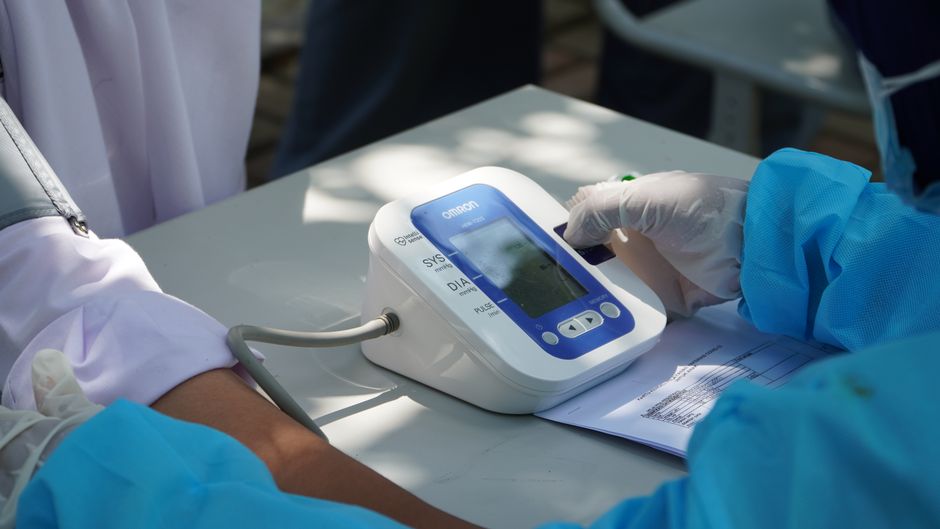
- Check your blood pressure at home: A simple home blood pressure monitor can help you track trends over time, especially in the first week of starting a new dose.
- Take readings at consistent times: Measuring your blood pressure around the same time relative to your hydrocodone dose (for example, one hour after taking it) can help you and your doctor identify patterns.
- Note your position: Since orthostatic hypotension is common, it can help to check your blood pressure both lying down and after standing for a minute or two, comparing the two readings.
- Keep a symptom log: Jot down any dizziness, lightheadedness, or fainting episodes along with the time and your most recent hydrocodone dose. This information is incredibly useful for your prescribing physician.
- Report significant changes: If you notice a consistent pattern of low readings (generally below 90/60 mmHg, though this varies by individual) or symptomatic drops, contact your healthcare provider rather than waiting for your next scheduled appointment.
What to Do If You Experience Low Blood Pressure on Hydrocodone
If you suspect hydrocodone is causing noticeable drops in your blood pressure, there are several practical steps you can take, both in the moment and as part of a longer-term management plan.
In the Moment
- Sit or lie down immediately if you feel dizzy or lightheaded to reduce the risk of falling.
- Elevate your legs slightly if lying down, which can help improve blood flow back to your heart and brain.
- Sip water slowly, as mild dehydration can worsen symptoms.
- Avoid standing up quickly; instead, transition gradually from lying to sitting to standing.
Longer-Term Strategies
- Stay well hydrated: Adequate fluid intake helps maintain blood volume and supports healthier blood pressure regulation.
- Avoid alcohol: Combining alcohol with hydrocodone significantly increases the risk of dangerous blood pressure drops and other serious side effects.
- Review your full medication list with your doctor: Blood pressure medications, muscle relaxants, and other sedatives can all interact with hydrocodone in ways that amplify blood pressure effects.
- Ask about dose adjustments: If symptoms are persistent or bothersome, your doctor may recommend a lower dose, a different formulation, or an alternative pain management strategy altogether.
- Don’t stop hydrocodone abruptly on your own: If you’ve been taking it regularly, suddenly stopping can cause withdrawal symptoms. Any changes to your regimen should be made under medical supervision.
According to Mayo Clinic, low blood pressure becomes a medical concern when it causes noticeable symptoms like dizziness, fainting, or shock, rather than being defined strictly by a specific number. This is an important distinction for hydrocodone users to keep in mind. A slightly lower-than-usual reading isn’t automatically dangerous, but symptomatic drops should never be ignored.
Can Hydrocodone Cause High Blood Pressure Instead?
While the more common and well-documented effect is a drop in blood pressure, some people wonder if hydrocodone could ever cause blood pressure to rise instead. This can happen indirectly in a few scenarios:
- Opioid withdrawal: When hydrocodone wears off, especially in people who have developed tolerance or dependence, withdrawal symptoms can include a spike in blood pressure due to a rebound surge in sympathetic nervous system activity.
- Uncontrolled pain: If hydrocodone isn’t adequately managing pain, the resulting physical stress response can elevate blood pressure independent of the drug’s direct pharmacological effects.
- Anxiety or stress: Anxiety about taking a new medication, or stress unrelated to the drug itself, can also temporarily raise blood pressure readings.
These scenarios highlight why it’s important to look at the full clinical picture, including your pain levels, medication timing, and emotional state, rather than assuming any blood pressure change is solely due to hydrocodone’s direct pharmacological action.
Special Considerations for Long-Term Hydrocodone Use
For patients using hydrocodone over an extended period, such as those managing chronic pain, the relationship between the medication and blood pressure can evolve over time. Tolerance to some of hydrocodone’s effects, including its impact on blood pressure, can develop with continued use. This means the pronounced blood-pressure-lowering effect often seen when someone first starts the medication may become less noticeable after weeks or months of consistent dosing.
However, tolerance doesn’t develop uniformly across all of hydrocodone’s effects. While tolerance to blood pressure changes and sedation may increase over time, tolerance to pain relief itself can also develop, sometimes prompting dose increases that reintroduce cardiovascular side effects. This is one of many reasons long-term opioid therapy requires regular medical follow-up, including periodic reassessment of cardiovascular health, blood pressure trends, and overall treatment effectiveness.
Long-term opioid use has also been associated with broader cardiovascular considerations beyond simple blood pressure changes, including potential effects on heart rhythm and increased risk of sleep-disordered breathing, which can itself impact cardiovascular health over time. According to information published by Cleveland Clinic, patients on long-term opioid therapy should have ongoing conversations with their healthcare providers about monitoring for these broader effects, not just pain control.
Tips for Safer Hydrocodone Use
Whether you’re just starting hydrocodone or have been taking it for some time, a few general safety practices can help minimize blood pressure related risks and other side effects:
- Always take hydrocodone exactly as prescribed, and never adjust your dose without consulting your doctor.
- Avoid combining hydrocodone with alcohol, sedatives, or other opioids unless specifically directed by your physician.
- Stay hydrated throughout the day, particularly if you’re also dealing with nausea, vomiting, or reduced appetite, which are common opioid side effects that can worsen dehydration.
- Rise slowly from sitting or lying positions, pausing briefly before standing fully.
- Keep all follow-up appointments so your doctor can monitor your blood pressure, pain control, and overall response to the medication.
- Tell your doctor about all other medications and supplements you’re taking, including over-the-counter drugs, since many can interact with hydrocodone’s cardiovascular effects.
- Never share hydrocodone with others, as individual responses to opioids vary widely and what’s safe for you may not be safe for someone else.
Frequently Asked Questions
Does hydrocodone always lower blood pressure?
Not necessarily. While a drop in blood pressure is a recognized possible effect, not everyone experiences a noticeable change. Factors like dose, individual sensitivity, hydration status, and other medications all play a role in whether and how much your blood pressure is affected.
How quickly does hydrocodone affect blood pressure after taking a dose?
Blood pressure changes typically align with the medication’s onset of action, generally within 30 to 60 minutes for immediate-release formulations, with peak effects often occurring one to two hours after dosing. Extended-release formulations may produce more gradual, sustained effects.
Should I stop taking hydrocodone if I notice low blood pressure symptoms?
Don’t stop taking hydrocodone abruptly without talking to your doctor first, as this can cause withdrawal symptoms. Instead, contact your healthcare provider to discuss your symptoms. They may recommend adjusting your dose, changing your timing, or addressing other contributing factors like dehydration or interacting medications.
Can hydrocodone interact with my blood pressure medication?
Yes, hydrocodone can have an additive effect when combined with antihypertensive medications, potentially causing blood pressure to drop more than expected. Always inform your doctor and pharmacist about all medications you’re taking so they can watch for and help you avoid this interaction.
Is it dangerous to take hydrocodone if I already have low blood pressure?
It can be riskier, since hydrocodone’s blood-pressure-lowering effects may compound an already low baseline, increasing the chances of symptomatic hypotension, dizziness, or fainting. If you have a history of low blood pressure, make sure your doctor is aware before starting hydrocodone so they can monitor you appropriately and adjust your treatment plan if needed.
The Bottom Line
Hydrocodone can and often does lower blood pressure, primarily through its effects on the sympathetic nervous system, histamine release, and heart rate. For most people taking a standard prescribed dose, this effect is mild and temporary, but it can become more significant in older adults, those who are dehydrated, or people combining hydrocodone with other blood-pressure-lowering medications or sedatives. Understanding this side effect, recognizing the warning signs of a problematic drop, and taking simple precautions like rising slowly and staying hydrated can help you use hydrocodone safely and effectively as part of your pain management plan. As always, open communication with your healthcare provider about any symptoms you experience is the best way to catch and address issues before they become serious.