
Health Tips
Can Oxycodone Cause Heart Palpitations? What You Need to Know

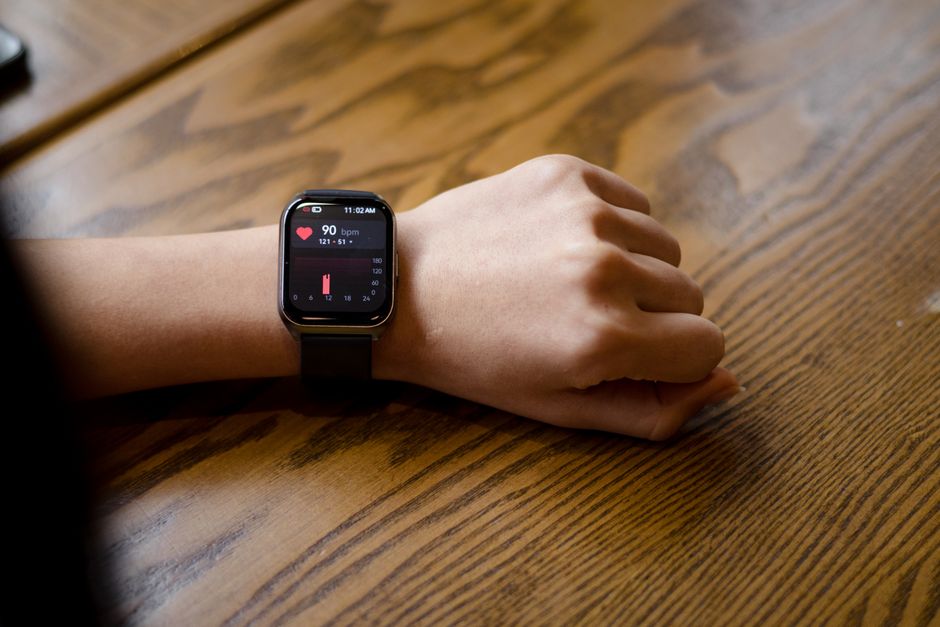
If you’ve started noticing a fluttering, pounding, or racing sensation in your chest after taking oxycodone, you’re not imagining it. Many people wonder, can oxycodone cause heart palpitations, and the short answer is yes, it can, though usually not in the way most people expect. This article breaks down exactly how oxycodone interacts with your cardiovascular system, why palpitations happen, when they’re harmless, and when they signal a real emergency.
By the end, you’ll understand the physiology behind this side effect, the drug interactions that make it worse, how withdrawal plays a role, and what steps to take if your heart starts racing after a dose. This is not a substitute for medical advice, but it will help you ask your doctor or pharmacist the right questions.
Can Oxycodone Cause Heart Palpitations? The Direct Answer
Yes, oxycodone can cause heart palpitations in some people. This isn’t one of the most commonly reported side effects, like nausea or drowsiness, but it does show up in clinical literature and patient reports. Palpitations from oxycodone can feel like your heart is skipping a beat, pounding harder than usual, fluttering, or racing suddenly for no obvious reason.
Oxycodone is a semi-synthetic opioid that binds primarily to mu-opioid receptors in the brain and spinal cord to block pain signals. While its main job is pain relief, opioids also affect the autonomic nervous system, which controls involuntary functions like heart rate, blood pressure, and breathing. That overlap is where heart-related side effects, including palpitations, come from.
According to the Drugs.com prescribing information for oxycodone, cardiovascular effects such as tachycardia (a fast heart rate), bradycardia (a slow heart rate), and palpitations are listed among the less common but documented adverse reactions. They don’t happen to everyone, but they are a recognized possibility.
How Oxycodone Affects the Heart and Circulatory System
To understand why palpitations happen, it helps to know what oxycodone actually does inside your body beyond blocking pain.
Opioid Receptors and the Autonomic Nervous System
Mu-opioid receptors aren’t only in your brain. They’re also found in tissues throughout your gastrointestinal tract, respiratory system, and cardiovascular system. When oxycodone activates these receptors, it can slow down certain autonomic functions, including gut motility and breathing rate. In some people, this creates a chain reaction that affects heart rhythm indirectly.
Histamine Release
Oxycodone, like many opioids, can trigger the release of histamine from mast cells. Histamine release can cause flushing, itching, low blood pressure, and in some cases, a compensatory increase in heart rate as your body tries to maintain blood pressure. That compensatory response can feel like a palpitation.
Blood Pressure Changes
Opioids commonly cause a drop in blood pressure, especially when standing up quickly (orthostatic hypotension). When blood pressure drops suddenly, your heart often beats faster and harder to compensate and keep blood flowing to your brain and organs. This reflex tachycardia is frequently what people describe as a palpitation.
Respiratory Depression and Oxygen Levels
One of oxycodone’s most serious risks is respiratory depression, meaning it slows your breathing rate. When breathing slows too much, oxygen levels in the blood can drop (hypoxia) and carbon dioxide can build up (hypercapnia). Both of these changes can trigger your heart to beat irregularly or faster as your body tries to compensate for reduced oxygen delivery. This is a more serious mechanism behind palpitations and one reason why respiratory monitoring matters, especially in the first days of a new prescription or dose increase.
Why Some People Get Palpitations and Others Don’t
Not everyone taking oxycodone experiences heart palpitations. Several factors influence individual risk.
Dose and Formulation
Higher doses of oxycodone, or immediate-release formulations that cause a faster rise in blood concentration, tend to produce more noticeable cardiovascular effects than lower, steady-state doses from extended-release formulations. If you recently had your dose adjusted, palpitations might simply reflect your body adjusting to the new level.
Individual Sensitivity
Just as some people get more nausea or dizziness from opioids than others, some people’s hearts are simply more reactive to the autonomic changes oxycodone causes. Genetics, baseline heart health, and even hydration status can all play a role.
Anxiety and the Fear Response
It’s worth noting that anxiety itself causes palpitations, and starting a new medication, especially an opioid, can make people anxious about side effects. That anxiety can create a feedback loop: you feel a flutter, you worry it’s dangerous, your adrenaline spikes, and your heart races even more. This doesn’t mean the palpitations aren’t real, but it does mean that stress management can sometimes reduce their frequency and intensity.
Pre-Existing Heart Conditions
People with a history of arrhythmia, coronary artery disease, heart failure, or structural heart problems are generally more susceptible to noticing and being affected by opioid-induced cardiovascular changes. If you have any known heart condition, it’s especially important to discuss opioid use with your prescriber and cardiologist before starting oxycodone.
Other Cardiovascular Side Effects Linked to Oxycodone
Palpitations rarely occur in isolation. Understanding the broader picture of oxycodone’s cardiovascular profile can help you recognize patterns.
- Low blood pressure (hypotension): Especially when changing positions quickly.
- Flushing or feeling warm: Often related to histamine release.
- Lightheadedness or dizziness: Frequently paired with palpitations and low blood pressure. If this sounds familiar, our guide on why oxycodone makes you dizzy covers the overlapping mechanisms in more detail.
- Slow heart rate (bradycardia): Less common than tachycardia but documented, particularly at higher doses.
- Shortness of breath: Related to respiratory depression, which can indirectly affect heart rhythm.
If you’re experiencing several of these symptoms together, especially dizziness plus palpitations, it’s a stronger signal that your body is reacting to blood pressure or oxygenation changes rather than an isolated cardiac issue. Still, any new or worsening symptom pattern deserves a conversation with your healthcare provider.
When Heart Palpitations Are a Medical Emergency
Mild, brief palpitations that resolve on their own are usually not dangerous. However, certain combinations of symptoms mean you should seek emergency care immediately.
Call Emergency Services If You Experience:
- Chest pain or pressure, especially radiating to the arm, jaw, or back
- Palpitations combined with severe shortness of breath
- Fainting or near-fainting episodes
- Blue-tinged lips or fingertips (a sign of low oxygen)
- Extreme drowsiness or difficulty staying awake combined with a racing or irregular heartbeat
- Confusion or slurred speech alongside palpitations
These symptoms could indicate opioid overdose, a serious arrhythmia, or another cardiac emergency. Opioid overdose is a life-threatening event that requires immediate medical attention and, if available, naloxone administration. According to the Mayo Clinic, signs of opioid overdose include pinpoint pupils, slowed or stopped breathing, and loss of consciousness, all of which can occur alongside abnormal heart rhythms.
When to Call Your Doctor (Non-Emergency)
If your palpitations are mild, brief, and not accompanied by the emergency signs above, but they’re happening regularly or worsening over time, schedule a call or visit with your prescriber. They may want to check your heart rate and blood pressure, review your other medications, or consider an EKG to rule out an underlying arrhythmia.
Drug Interactions That Increase the Risk of Palpitations
Oxycodone rarely acts alone. Many people take it alongside other medications, and some combinations significantly raise the risk of cardiovascular side effects, including palpitations.
Stimulants
Combining oxycodone with stimulants like amphetamines (including some ADHD medications), caffeine in high doses, or illicit stimulants can create conflicting signals in your cardiovascular system, one substance slowing things down while the other speeds things up. This tug-of-war can produce pronounced palpitations and irregular rhythms.
Other Opioids or CNS Depressants
Taking oxycodone with benzodiazepines, alcohol, or other sedatives increases the risk of severe respiratory depression, which, as discussed earlier, can lead to compensatory heart rate changes. This combination is also associated with a much higher overdose risk overall.
QT-Prolonging Medications
Certain antidepressants, antipsychotics, antibiotics (like some macrolides and fluoroquinolones), and antifungal medications can prolong the QT interval, a measure of how long it takes your heart to recharge between beats. Combining these with opioids, which can also have mild QT effects in some formulations, may increase the risk of a serious arrhythmia called torsades de pointes. This is rare but important to flag with your doctor if you’re on multiple medications.
MAOIs
Monoamine oxidase inhibitors (MAOIs) can interact dangerously with opioids, potentially causing serotonin syndrome, which includes symptoms like rapid heart rate, high blood pressure, agitation, and fever. This combination should generally be avoided unless specifically managed by a specialist.
Grapefruit and Certain Supplements
Grapefruit juice can affect how your liver metabolizes oxycodone, potentially increasing blood levels of the drug and, by extension, the intensity of side effects like palpitations. Some herbal supplements, particularly stimulant-based weight loss products, can also interact unpredictably.
Always give your doctor and pharmacist a complete list of everything you take, including over-the-counter medications and supplements, so they can screen for these interactions before you start oxycodone or when your dose changes.
Oxycodone Withdrawal and Heart Palpitations
Interestingly, palpitations can occur not just while taking oxycodone but also during withdrawal from it. When your body has adapted to regular opioid use and the drug is suddenly reduced or stopped, your autonomic nervous system essentially overcorrects. This rebound effect, often called autonomic hyperactivity, can produce a surge of adrenaline-like symptoms, including a racing or pounding heart, sweating, anxiety, tremors, and elevated blood pressure. These symptoms are part of the broader opioid withdrawal syndrome and, while intensely uncomfortable, are rarely dangerous on their own for most people.
Withdrawal-related palpitations typically peak within the first 24 to 72 hours after the last dose and gradually subside over the following one to two weeks, though the exact timeline depends on how long you were taking oxycodone, your typical dose, and your individual physiology. If you have an underlying heart condition, this surge in sympathetic nervous system activity can be more concerning, which is one reason why stopping oxycodone abruptly, especially after weeks or months of regular use, is generally discouraged.
Instead, doctors usually recommend a gradual taper, slowly reducing the dose over days or weeks to give your nervous system time to readjust without the same rebound intensity. If you’ve been taking oxycodone regularly and want to stop, talk to your prescribing doctor about a tapering schedule rather than quitting cold turkey. This is especially important if you’ve noticed heart palpitations while on the medication, since an uncontrolled withdrawal could theoretically amplify cardiovascular stress.
When Heart Palpitations Signal a Medical Emergency
Most palpitations related to oxycodone are brief, mild, and not dangerous. But there are specific warning signs that should never be ignored, because they can indicate a more serious cardiac or respiratory event. Call emergency services or go to the nearest emergency room immediately if you experience any of the following alongside heart palpitations:
- Chest pain or pressure, especially if it radiates to your arm, jaw, or back
- Severe shortness of breath or a feeling that you cannot get enough air
- Fainting or nearly fainting
- Bluish lips, fingertips, or skin (a sign of low oxygen)
- Extreme drowsiness or difficulty staying awake
- Confusion or slurred speech
- A heart rate that feels extremely fast, irregular, or won’t settle down after resting
These symptoms could point to opioid-induced respiratory depression, a heart attack, a dangerous arrhythmia, or a serious drug interaction. Oxycodone can suppress breathing at higher doses, and slowed or shallow breathing reduces oxygen levels in the blood, which itself can trigger the heart to beat faster or irregularly as it tries to compensate. This combination of respiratory depression and cardiac strain is part of why opioid overdoses can become life-threatening quickly.
If you’re ever unsure whether what you’re feeling is an emergency, it’s always safer to seek medical attention than to wait it out. Cardiac symptoms are one of the few areas where erring on the side of caution is almost always the right call.
How Doctors Diagnose the Cause of Palpitations on Oxycodone
If you report heart palpitations to your doctor while taking oxycodone, they’ll typically start by trying to determine whether the symptom is actually related to the medication or stems from something else entirely, such as an underlying heart rhythm disorder, thyroid problem, anemia, or anxiety disorder. The diagnostic process often includes several steps.
A Detailed Symptom History
Your doctor will ask when the palpitations occur relative to your oxycodone doses, how long they last, what they feel like (fluttering, pounding, skipping beats), and whether they’re accompanied by other symptoms like dizziness, chest pain, or shortness of breath. They’ll also ask about your full medication list, caffeine and alcohol intake, stress levels, and any personal or family history of heart disease.
Electrocardiogram (ECG or EKG)
An ECG records the electrical activity of your heart and can reveal abnormal rhythms, conduction problems, or signs of QT interval prolongation. This is usually one of the first tests ordered when palpitations are reported, since it’s quick, noninvasive, and highly informative.
Holter Monitor or Event Recorder
If your palpitations are intermittent and don’t happen to occur during a routine office visit, your doctor may have you wear a portable heart monitor for 24 to 48 hours, or sometimes longer, to capture your heart’s activity during normal daily life, including while you take your oxycodone dose.
Blood Tests
Basic labs can check for thyroid dysfunction, electrolyte imbalances (like low potassium or magnesium), anemia, and kidney or liver function, all of which can independently cause or worsen palpitations and might interact with how your body processes oxycodone.
Echocardiogram
In some cases, especially if there’s concern about underlying structural heart disease, your doctor might order an echocardiogram, which uses ultrasound to visualize the heart’s chambers, valves, and overall pumping function.
Based on the results of these tests, your doctor can better determine whether your palpitations are a direct side effect of oxycodone, a sign of an interaction with another medication, a symptom of an unrelated condition, or simply a benign response to pain, stress, or anxiety that happens to coincide with your medication schedule.
Practical Steps to Reduce the Risk of Palpitations While on Oxycodone
If you and your doctor determine that oxycodone is likely contributing to your palpitations, there are several practical strategies that may help reduce their frequency or intensity without necessarily requiring you to stop the medication altogether.
Take the Lowest Effective Dose
Working with your doctor to find the lowest dose that still manages your pain effectively can reduce the overall burden on your cardiovascular and nervous systems. This is particularly relevant if you’re also taking oxycodone for an extended recovery period, such as recovery after knee replacement surgery or other major procedures, where dose adjustments are common as healing progresses.
Stay Well Hydrated and Avoid Skipping Meals
Dehydration and low blood sugar can both independently cause palpitations and may amplify oxycodone’s cardiovascular effects. Eating regular, balanced meals and drinking enough water throughout the day supports more stable heart rhythm.
Limit Stimulants
Reducing or eliminating caffeine, nicotine, and energy drinks can significantly cut down on palpitation episodes, since these substances directly stimulate the heart and can compound oxycodone’s effects on heart rate.
Space Out Your Doses Properly
Taking oxycodone too frequently or too close together can increase blood levels of the drug beyond what’s needed for pain relief, raising the risk of side effects including palpitations. If you’re unsure about proper spacing, this guide on what happens if you take oxycodone too close together explains the risks in more detail. Similarly, understanding the best time to take oxycodone can help you establish a more consistent, lower-risk routine.
Manage Anxiety Alongside Pain
Since anxiety and pain frequently coexist and both can independently trigger palpitations, addressing anxiety through therapy, relaxation techniques, or, if appropriate, medication can reduce the overall symptom burden. Deep breathing exercises, mindfulness practices, and gentle physical activity (as approved by your doctor) can also help calm an overactive nervous system.
Review All Medications Regularly
As your treatment evolves, especially after surgery or during a chronic pain management plan, it’s worth periodically reviewing your full medication list with your doctor or pharmacist to catch any new interactions that could be contributing to palpitations.
Who Is at Higher Risk for Oxycodone-Related Heart Palpitations?
While anyone taking oxycodone can experience palpitations, certain groups appear to be at higher risk based on physiology, other health conditions, or concurrent medication use.
Older Adults
As we age, the heart’s electrical system and overall cardiovascular reserve naturally decline, making older adults more susceptible to arrhythmias and more sensitive to medications that affect heart rate or blood pressure.
People With Pre-Existing Heart Conditions
Those with a history of arrhythmias, coronary artery disease, heart failure, or prior heart attacks are generally more vulnerable to any cardiovascular side effect, including palpitations triggered or worsened by oxycodone.
People Taking Multiple Medications
Polypharmacy, or taking several medications simultaneously, increases the odds of drug interactions that can affect heart rhythm. This is especially true for people managing multiple chronic conditions who may be on antidepressants, anti-anxiety medications, blood pressure drugs, and pain medications all at once.
People With Thyroid Disorders
An overactive thyroid (hyperthyroidism) already predisposes people to palpitations, and adding oxycodone into the mix can sometimes make these episodes more noticeable or frequent.
People Recovering From Major Surgery
Post-surgical patients often experience a combination of pain, stress, blood loss, medication changes, and immobility, all of which can independently affect heart rate. Those recovering from procedures such as spine surgery or hysterectomy should be especially attentive to new or worsening palpitations during their recovery window, since the body is already under considerable physiological stress.
Frequently Asked Questions
Is it normal to feel my heart race after taking oxycodone?
Occasional mild palpitations shortly after taking oxycodone are relatively common and often related to histamine release, changes in blood pressure, or anxiety about pain relief. However, if the racing feeling is severe, prolonged, or accompanied by chest pain, dizziness, or shortness of breath, you should contact your doctor or seek medical care promptly.
Can oxycodone cause a heart attack?
Oxycodone itself is not typically classified as a direct cause of heart attacks, but it can contribute to conditions, such as significant blood pressure drops, oxygen deprivation from slowed breathing, or dangerous drug interactions, that increase cardiovascular strain. People with existing heart disease should use oxycodone under close medical supervision.
How long do oxycodone-related palpitations usually last?
Palpitations tied to a single dose typically resolve within a few minutes to an hour as the drug’s peak effects pass. Palpitations related to withdrawal may last several days to a couple of weeks, gradually improving as the body readjusts.
Should I stop taking oxycodone if I notice heart palpitations?
Do not stop taking oxycodone abruptly without talking to your doctor first, especially if you’ve been on it for more than a few days, since sudden discontinuation can cause its own withdrawal symptoms, including palpitations. Instead, report the symptom to your doctor so they can evaluate whether a dose adjustment, alternative medication, or further testing is needed.
Can anxiety about taking oxycodone cause palpitations even if the drug itself isn’t the direct cause?
Yes. Anxiety is a well-documented independent cause of heart palpitations, and it’s common for people to feel anxious about taking opioid medications due to their side effect profile or addiction potential. This anxiety can trigger palpitations that feel physically identical to those caused by the drug itself, which is why a thorough evaluation by your doctor is helpful in sorting out the true cause.
Conclusion
Heart palpitations while taking oxycodone are a real and reasonably well-documented phenomenon, arising from a mix of direct pharmacological effects, dosage-related changes in blood pressure and oxygen levels, drug interactions, withdrawal, and the natural anxiety that often accompanies pain and illness. For most people, these episodes are brief, mild, and not dangerous, but they should never be dismissed outright, particularly for those with underlying heart conditions or those taking multiple interacting medications. According to the Mayo Clinic, any new or unexplained heart palpitations, regardless of the suspected cause, warrant a conversation with a healthcare provider to rule out more serious underlying issues. If you notice your heart racing, fluttering, or pounding after taking oxycodone, don’t ignore it and don’t try to self-diagnose. Keep track of when it happens, how it feels, and what else you were doing or taking at the time, then bring that information to your doctor. With the right evaluation and, if needed, adjustments to your dose or overall medication plan, most people can continue managing their pain effectively while keeping their heart health protected.