

Can Hydrocodone Cause Headaches? Causes, Risks, and Relief Tips

Hydrocodone can cause headaches ranging from mild, temporary discomfort to rare but serious warning signs, and this guide explains the causes, risks, relief tips, and when to seek medical help.

Hydrocodone vs Oxycodone: What’s the Difference?
Hydrocodone and oxycodone are both powerful opioid painkillers with similar mechanisms but key differences in potency, formulations, and typical uses, this guide breaks down exactly how they compare.

How Long Does Hydrocodone Stay in Your System?
Hydrocodone typically clears from the bloodstream within 18 to 24 hours, but traces can remain detectable in urine, saliva, and hair for days or even months depending on individual factors and the type of drug test used.

Hydrocodone Dosage Guide for Adults: Safe Use, Strengths, and Key Precautions
A detailed guide to hydrocodone dosing for adults, covering standard doses, adjustments for age and organ function, safety tips, and answers to common questions about safe use.

Common Side Effects of Hydrocodone: What Every Patient Should Know
Hydrocodone can cause drowsiness, nausea, constipation, and more serious risks like slowed breathing. Here's what to expect and how to manage side effects safely.

Hydrocodone Warnings You Should Know Before Taking This Medication
A comprehensive look at the essential warnings, risks, and safety precautions every patient should understand before taking hydrocodone, from respiratory depression to withdrawal and special population risks.

Can Hydrocodone Make You Sleepy? Causes, Risks, and What to Do
Hydrocodone commonly causes drowsiness because it depresses the central nervous system. Learn why it happens, how long it lasts, and when sleepiness becomes a safety concern.

Does Hydrocodone Raise Blood Pressure? What You Need to Know
Hydrocodone typically lowers blood pressure rather than raising it, but withdrawal, untreated pain, and certain drug interactions can cause blood pressure spikes worth watching for.

What Is Hydrocodone? Uses, Dosage, and Side Effects Explained
Hydrocodone is a widely prescribed opioid used to treat moderate to severe pain and cough, and this guide covers how it works, proper dosing, side effects, interactions, withdrawal, overdose signs, and safe use practices.
Can Hydrocodone Lower Blood Pressure? What You Need to Know
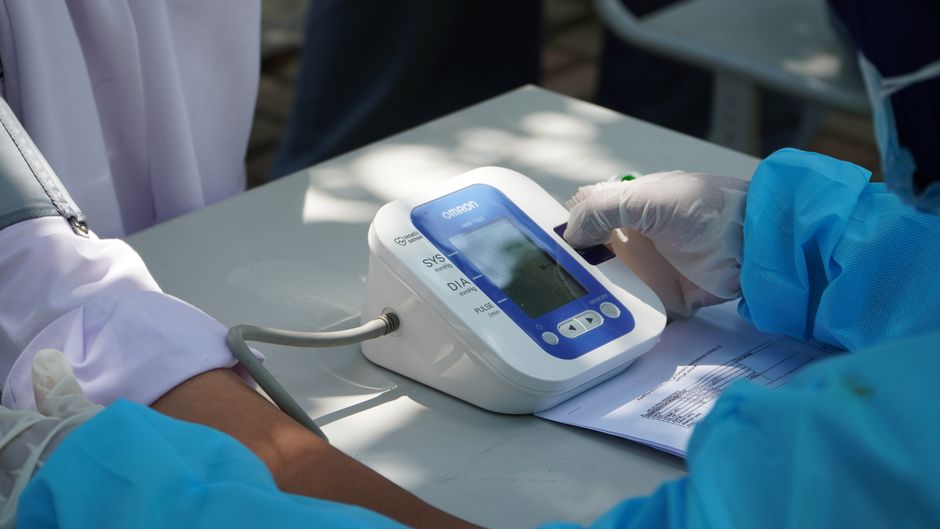
Hydrocodone can lower blood pressure through mechanisms like reduced sympathetic activity, histamine release, and slowed heart rate, and this article explains who's at risk, warning signs, and how to stay safe.

Oxycodone vs Vicodin: Which Painkiller Works Better for Pain Relief?

Oxycodone and Vicodin are both effective opioid painkillers, but they differ in potency, formulation, and risk profile, oxycodone tends to be stronger and used for more severe pain, while Vicodin combines hydrocodone with acetaminophen for moderate, short-term relief.

Oxycodone vs Hydrocodone: Which Painkiller Is Stronger and Safer?
Oxycodone and hydrocodone are both powerful prescription opioids used for moderate to severe pain, but they differ in potency, formulation, and typical use cases, and this guide compares their strength, side effects, addiction risk, and safety considerations to help you understand which one might be right for your situation.