
Health Tips
Oxycodone Prescription Cost Without Insurance: What You’ll Really Pay in 2024

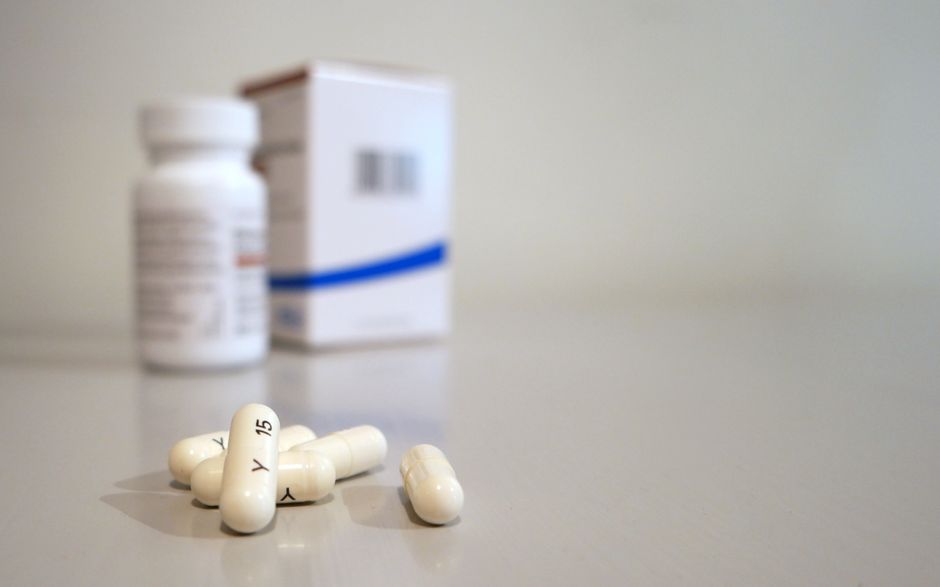
If you’ve ever stood at a pharmacy counter and watched the cashier ring up your oxycodone prescription without insurance, you already know the sticker shock is real. Prices swing wildly depending on the pharmacy, the formulation, the dose, and even the day of the week you fill it. This guide breaks down exactly what oxycodone costs out of pocket, why the price varies so much, and how to legally cut that cost without cutting corners on your care.
You’ll learn the typical price ranges for both immediate-release and extended-release oxycodone, the biggest factors that drive the price up or down, and practical strategies people use every day to pay less, from discount cards to pharmacy shopping to patient assistance programs. By the end, you’ll have a clear, realistic picture of what to expect and a plan for keeping your oxycodone prescription cost without insurance as low as possible.
Why Oxycodone Cost Without Insurance Varies So Much
Oxycodone is a Schedule II controlled substance, which means pharmacies handle it under stricter rules than most other medications. Those extra regulatory steps, inventory requirements, and record-keeping obligations add administrative overhead that can trickle down into pricing. However, the biggest reason costs vary isn’t regulation, it’s the simple fact that pharmacies set their own cash prices.
Unlike insurance-negotiated rates, cash prices are essentially whatever a pharmacy decides to charge. A big-box retailer might price a 30-day supply of generic oxycodone at $15, while an independent pharmacy two miles away charges $60 for the exact same drug, dose, and quantity. There’s no single nationwide price list for oxycodone the way there is for, say, a gallon of milk. Each pharmacy negotiates its own acquisition costs with wholesalers, then marks up the price based on overhead, local competition, and how much foot traffic it wants to drive through the pharmacy counter. That’s why calling around, or using a price-comparison tool, can save you more money in five minutes than almost any other single strategy.
Typical Oxycodone Prices Without Insurance in 2024
While prices vary by pharmacy and region, there are useful benchmarks that give you a realistic sense of what to expect. These figures reflect cash prices for generic oxycodone unless otherwise noted, and they can shift based on manufacturer supply, local demand, and pharmacy pricing strategy.
Immediate-Release Oxycodone (5mg, 10mg, 15mg, 20mg, 30mg)
Immediate-release oxycodone is the most commonly prescribed version of the drug, typically used for short-term or breakthrough pain. Without insurance, a 30-tablet supply of generic immediate-release oxycodone often falls somewhere between $20 and $75, depending on strength and pharmacy. Lower doses like 5mg tend to sit at the lower end of that range, while higher doses such as 30mg can push toward $80 or more at some retail pharmacies, especially if the pharmacy has limited stock and marks up the price to offset supply challenges.
Smaller quantities, such as a 10 or 15-tablet prescription for acute post-surgical pain, usually cost less in total but more per pill, since pharmacies often have a baseline dispensing fee that applies regardless of quantity.
Extended-Release Oxycodone (OxyContin and Generic ER)
Extended-release oxycodone, most commonly known by the brand name OxyContin, is a different story altogether. Brand-name OxyContin without insurance can easily run $300 to $600 or more for a 30-day supply, depending on the strength prescribed. Generic extended-release oxycodone is considerably cheaper, often ranging from $150 to $350 for the same time period, but it’s still dramatically more expensive than the immediate-release version.
The price gap between brand and generic extended-release formulations is one of the most important things to understand if you’re paying cash. If your doctor writes a prescription for brand-name OxyContin and a generic equivalent is available, asking your pharmacist about the generic option could save you hundreds of dollars a month.
The Biggest Factors That Drive Oxycodone Prices Up or Down
Understanding what actually moves the price of oxycodone helps you make smarter decisions at the pharmacy counter. Here are the factors that matter most.
1. Brand Name vs. Generic
This is the single biggest lever affecting cost. Generic oxycodone is chemically identical to brand-name versions but typically costs a fraction of the price because generic manufacturers don’t have to recoup research and marketing costs. Unless there’s a specific medical reason to use a brand-name formulation, generic oxycodone should almost always be your default choice when paying out of pocket.
2. Formulation: Immediate-Release vs. Extended-Release
As covered above, extended-release oxycodone is consistently and substantially more expensive than immediate-release oxycodone. This is partly due to the more complex manufacturing process required to create the time-release mechanism, and partly due to market pricing dynamics tied to the brand-name original, OxyContin, which still influences generic pricing even years after patent expiration.
3. Dose and Strength
Higher-strength tablets aren’t simply priced proportionally to lower-strength ones. A 30mg tablet doesn’t necessarily cost three times as much as a 10mg tablet. Pricing often depends on how frequently a pharmacy stocks and dispenses that particular strength, with less commonly prescribed doses sometimes costing more per pill due to lower turnover.
4. Quantity Prescribed
Pharmacies often apply a flat dispensing fee on top of the per-pill cost, so very small prescriptions (like a 5-tablet supply after a minor procedure) can have a higher per-pill price than a standard 30-tablet prescription. On the other end, some state prescribing limits cap how many oxycodone tablets can be dispensed at once for acute pain, which affects how the total cost breaks down.
5. Pharmacy Type
This is where the real savings potential lies. Large chain pharmacies, warehouse club pharmacies, independent pharmacies, and grocery store pharmacies all set their own cash prices, and the differences can be enormous. It’s not unusual to find a $40 price swing for the identical prescription within a five-mile radius. If you’re filling an oxycodone prescription for the first time, it’s worth reading a step-by-step breakdown of how to fill an oxycodone prescription so you know what to expect and what questions to ask before you commit to a specific pharmacy.
6. Geographic Location
Cost of living, state-level pharmacy regulations, and local competition all influence cash prices. Pharmacies in rural areas with fewer competitors sometimes charge more, simply because patients have fewer alternatives nearby. Urban areas with multiple pharmacies within walking distance tend to have more competitive, and often lower, cash prices.
7. Supply and DEA Quotas
Because oxycodone is a Schedule II controlled substance, the Drug Enforcement Administration sets annual production quotas for manufacturers. When supply tightens, whether due to quota adjustments, manufacturing delays, or regional shortages, prices can rise, and some pharmacies may struggle to keep certain strengths in stock at all. This is one of the more unpredictable variables affecting your final price.
Why Pharmacy Shopping Matters So Much for Oxycodone
Because oxycodone cash prices aren’t standardized, calling two or three pharmacies before you fill a prescription is one of the most effective, and most underused, cost-saving strategies available. Many patients simply fill their prescription at whichever pharmacy is closest, without realizing that a five-minute phone call could save them $20, $30, or more.
Here’s a simple approach that works well:
- Call at least three pharmacies in your area, including a big-box retailer, a grocery store pharmacy, and an independent pharmacy, and ask for the cash price of your specific oxycodone prescription (include the exact dose and quantity).
- Ask whether they accept manufacturer or third-party discount cards, since some pharmacies apply these more aggressively than others.
- Check whether a 90-day supply is available at a discounted rate compared to filling monthly, since some pharmacies offer lower per-pill pricing on larger quantities (though this is less common for controlled substances due to prescribing limits).
- Ask if the pharmacy has the medication in stock. Running from pharmacy to pharmacy searching for a specific oxycodone strength wastes time and, in some cases, can trigger red flags with prescription monitoring systems if it looks like “pharmacy shopping” for suspicious reasons rather than legitimate price comparison.
Discount Cards and Coupons: What Actually Works
Prescription discount cards are one of the most reliable ways to lower your oxycodone prescription cost without insurance, and they’re free to use. These cards work by giving you access to pharmacy benefit manager negotiated rates, similar to what insurance companies get, without requiring you to have insurance at all.
Services like GoodRx aggregate pricing data across thousands of pharmacies and show you the lowest available price in your area, often with a printable or digital coupon you present at checkout. Discounts on generic oxycodone through these programs can sometimes cut the price by 50% or more compared to the pharmacy’s standard cash price. For a deeper walkthrough on how these programs work and how to use them safely and legally, this guide on using GoodRx for an oxycodone prescription discount covers exactly what to expect and where the savings actually come from.
It’s worth noting that manufacturer copay coupons, the kind you often see for brand-name medications, are generally not available for controlled substances like oxycodone. Manufacturer coupon programs for opioids are heavily restricted due to federal and state regulations aimed at reducing incentives for opioid use. So while you’ll see manufacturer savings cards for many other prescriptions, don’t expect to find one for oxycodone. Third-party discount cards remain your best bet.
Warehouse Clubs and Discount Pharmacy Chains
Membership-based warehouse clubs are frequently cited as having some of the lowest cash prices for generic medications, including oxycodone, even for non-members in many states (pharmacy purchases often don’t require a membership, though policies vary by location). It’s worth checking whether a warehouse club pharmacy operates near you and comparing their cash price against your regular pharmacy.
Some regional discount pharmacy chains and independent pharmacies that specialize in cash-pay customers also offer notably lower prices than the major national chains, particularly for generic controlled substances. These pharmacies often operate on lower margins and higher volume for cash customers specifically, so they can be worth seeking out if one exists in your area.
Patient Assistance Programs and Community Resources
If cost is a significant barrier, a few additional resources can help, though options for controlled substances are more limited than for other medication categories.
- State pharmaceutical assistance programs: Some states offer assistance programs for lower-income residents that cover a range of prescriptions, including certain controlled substances. Eligibility and coverage vary widely by state.
- Community health centers: Federally qualified health centers often provide services on a sliding-fee scale, and some operate their own low-cost pharmacies or have arrangements with local pharmacies for discounted rates.
- Nonprofit patient assistance foundations: While most manufacturer assistance programs exclude controlled substances, some independent nonprofit foundations help patients cover a broader range of prescription costs, including copays and cash-pay medications, based on income and diagnosis.
- Hospital financial assistance offices: If you were prescribed oxycodone after a hospital stay or surgery, ask the hospital’s financial counseling department whether they have resources for discharge medications.
Telehealth and Cash-Pay Clinics: A Growing Option
Telehealth providers and direct cash-pay pain management clinics have become more common in recent years, and many advertise transparent, flat-rate pricing for consultations. While this doesn’t directly reduce the pharmacy cost of the medication itself, it can reduce the overall cost of getting an oxycodone prescription in the first place, since a cash-pay telehealth visit is often cheaper than an uninsured in-person specialist visit.
If you’re navigating this path, it helps to understand what a legitimate process looks like from start to finish, including what conditions typically justify an oxycodone prescription and what a doctor visit should involve. This guide on how to get oxycodone prescribed legitimately is a useful starting point if you’re early in the process and want to make sure you’re approaching it the right way, both medically and legally.
Ask Your Doctor About Lower-Cost Alternatives
Doctors don’t always know what a patient is paying out of pocket unless the patient brings it up. A quick, direct conversation can sometimes lead to meaningful savings. Consider asking your prescriber:
- Whether a generic formulation is appropriate instead of a brand-name version.
- Whether immediate-release oxycodone could meet your needs instead of a more expensive extended-release formulation, if clinically appropriate.
- Whether a lower but still effective dose could be prescribed, since your doctor may default to a standard starting dose without knowing cost is a concern. Never adjust your dose on your own, but it’s a fair conversation to have.
- Whether the prescribed quantity matches what you actually need, since overprescribing quantity increases cost without necessarily improving outcomes.
Some patients also ask about tablet splitting to manage costs, but this is not something to attempt without your doctor’s or pharmacist’s explicit guidance, since not all oxycodone formulations, especially extended-release tablets, are safe to split. For a clear explanation of when splitting is and isn’t appropriate, see this guide on whether you can split an oxycodone tablet safely.
The Danger of Chasing the Cheapest Price Online
When a medication is expensive and someone is in pain, it’s tempting to search for the lowest possible price, sometimes leading people to online sellers advertising oxycodone at prices far below what any licensed U.S. pharmacy could realistically offer. This is one area where cutting costs can cut far more than your budget.
Illegitimate online sellers, especially those operating without requiring a valid prescription, are a significant source of counterfeit pills. Counterfeit oxycodone tablets have been found to contain fentanyl or other substances at unpredictable and often lethal doses, even when they’re pressed to look identical to legitimate pharmaceutical tablets. There is no way to visually distinguish a counterfeit pill from a real one. Any source advertising oxycodone without a prescription, or at a price that seems too good to be true, should be treated as a serious red flag, regardless of how convincing the website looks.
Legitimate ways to save money on oxycodone always involve a valid prescription filled at a licensed pharmacy, whether that’s through price comparison, discount cards, or patient assistance programs. There is no safe shortcut that bypasses the prescription and pharmacy verification process.
Why Insurance Coverage Still Matters, Even If You’re Currently Uninsured
If you’re paying cash right now, it’s worth understanding how insurance coverage for oxycodone typically works, since your situation may change, or you may qualify for a plan you haven’t considered, such as a marketplace plan, Medicaid, or a short-term policy. Many patients are surprised to learn that even with insurance, oxycodone can require prior authorization, step therapy, or quantity limits, which affects both access and cost. This overview on insurance coverage for oxycodone breaks down what to expect if you do gain coverage, so you’re not caught off guard by unexpected restrictions even after paying a premium.
According to GoodRx, price transparency tools have become an increasingly important part of how uninsured and underinsured patients manage prescription costs, particularly for medications like oxycodone where cash prices can vary so dramatically between pharmacies. Independent pharmacy organizations, including the National Community Pharmacists Association, have also highlighted how local, independent pharmacies sometimes offer more flexible cash pricing than larger chains, especially for patients who ask directly about self-pay rates.
A Realistic Monthly Budget Estimate
Putting it all together, here’s a realistic snapshot of what an uninsured patient might expect to pay per month, assuming a standard prescription and moderate use of cost-saving strategies:
- Immediate-release oxycodone, low dose (5mg or 10mg), 30-day supply: roughly $20 to $50 with a discount card at a competitively priced pharmacy.
- Immediate-release oxycodone, higher dose (20mg or 30mg), 30-day supply: roughly $40 to $80 with a discount card.
- Generic extended-release oxycodone, 30-day supply: roughly $120 to $300 depending on dose and pharmacy, even with discount card savings applied.
- Brand-name OxyContin, 30-day supply: typically $300 to $600 or more, with limited discount options due to the lack of manufacturer coupons for opioids.
These figures are estimates, not guarantees, since actual prices shift regularly based on the factors covered above. The most reliable way to know your exact price is to check current cash prices at pharmacies near you, ideally using a discount card comparison tool right before you fill your prescription.
Frequently Asked Questions
Is oxycodone always more expensive than other pain medications?
Not necessarily. Generic immediate-release oxycodone is often comparable in price to other generic opioid pain relievers, and in some cases cheaper than certain brand-name non-opioid alternatives. Extended-release oxycodone, however, is consistently one of the more expensive options in its category due to its formulation and market pricing history.
Can a doctor prescribe a cheaper alternative if cost is a concern?
Yes, in many cases. If you tell your doctor that cost is a barrier, they may be able to prescribe a generic version, adjust the formulation, or consider an alternative medication that achieves similar pain relief at a lower price point. It’s always worth having this conversation rather than skipping doses or rationing medication to save money, which can be dangerous.
Do discount cards work the same way at every pharmacy?
No. Discount card pricing varies by pharmacy because each pharmacy has its own negotiated rate with the pharmacy benefit manager behind the discount program. This is why comparing prices across a few different pharmacies, even with the same discount card, can still turn up meaningfully different totals.
Why did my oxycodone prescription cost more this month than last month?
Cash prices for controlled substances can fluctuate due to supply changes, shifts in pharmacy inventory costs, or even a switch in which generic manufacturer’s version the pharmacy currently has in stock. If you notice a sudden price jump, it’s worth calling the pharmacy to ask why, and checking whether a different nearby pharmacy currently has a better price.
Is it safe to buy oxycodone from an online pharmacy to save money?
Only if the online pharmacy is properly licensed, requires a valid prescription, and is verified through a legitimate pharmacy verification service. Any site offering oxycodone without a prescription, regardless of the price advertised, should be avoided entirely due to the serious risk of counterfeit medication.
Final Thoughts
Paying for oxycodone without insurance is rarely a simple, predictable expense, and that unpredictability is exactly why it pays to be proactive. The difference between the highest and lowest cash price for the same prescription can be enormous, and most of that gap comes down to where you fill it and whether you use the tools available to you, like discount cards, generic substitutions, and a few phone calls to compare pharmacy pricing before you commit.
The safest, most sustainable approach is straightforward: talk openly with your prescriber about cost, use legitimate discount programs, compare a few pharmacies before filling, and steer clear of any source that skips the prescription requirement altogether. With a little effort up front, most patients can bring their oxycodone prescription cost without insurance down significantly, without ever compromising on safety or the quality of their care.