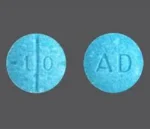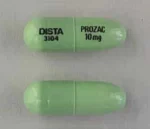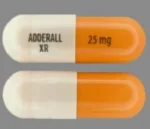

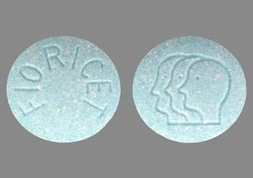
Generic Fioricet 40 mg
Price range: $300.00 through $649.00
| Variation | Price | Quantity | Add To Cart |
|---|---|---|---|
| 300 pills | $649.00 |
|
Add to cart |
| 120 pills | $399.00 |
|
Add to cart |
| 180 pills | $449.00 |
|
Add to cart |
| 240 pills | $589.00 |
|
Add to cart |
| 60 pills | $300.00 |
|
Add to cart |
Fioricet 40 mg: Understand the Full 50/300/40 mg Combination Before Use
“Fioricet 40 mg” is an incomplete way to describe a combination headache medicine. In the current U.S. brand capsule, 40 mg is the caffeine component. Each Fioricet capsule contains butalbital 50 mg, acetaminophen 300 mg, and caffeine 40 mg. Some generic butalbital-acetaminophen-caffeine tablets use a different acetaminophen amount, such as 325 mg, and older or other labeled products may contain 500 mg. Patients must verify all three strengths on the exact pharmacy label.
Fioricet is a prescription medicine indicated for the relief of the symptom complex of tension—or muscle-contraction—headache. It is not a general “40 mg pain pill,” and it should not be assumed appropriate for every migraine or recurring headache. Butalbital is a barbiturate that can cause sedation, impairment, physical dependence, and misuse. Acetaminophen can cause severe liver injury when total exposure is excessive. Caffeine can contribute to nervousness, palpitations, and sleep disruption.
This guide helps patients interpret the product name, prepare for a headache evaluation, use a valid prescription safely, recognize urgent symptoms, prevent duplicate acetaminophen, and compare licensed-pharmacy options. It is not a personal diagnosis or dosing recommendation.
The Three-Number Label Check
| Ingredient in current brand capsule | Amount | Primary role in the combination |
|---|---|---|
| Butalbital | 50 mg | Short- to intermediate-acting barbiturate; contributes a central nervous system depressant effect |
| Acetaminophen | 300 mg | Non-opioid analgesic and fever reducer |
| Caffeine | 40 mg | Central nervous system stimulant |
A safe product description should state “Fioricet 50/300/40 mg” or spell out the three ingredients. Calling the product only “Fioricet 40 mg” may lead a reader to believe the entire medicine contains one active ingredient. It also makes price and formulation comparisons unreliable.
When a generic prescription is filled, compare the bottle with the written prescription. Confirm:
- Butalbital strength;
- Acetaminophen strength;
- Caffeine strength;
- Tablet or capsule dosage form;
- Directions and maximum quantity; and
- Manufacturer information if the appearance is unfamiliar.
Do not assume that every butalbital-acetaminophen-caffeine product has the same acetaminophen amount. That difference changes the daily acetaminophen calculation.
What Type of Headache Is Fioricet Intended to Treat?
The current brand label indicates Fioricet for relief of the symptom complex of tension or muscle-contraction headache. Tension-type headache commonly produces a pressing or tightening sensation, often on both sides of the head, and is generally not aggravated by routine movement in the same way as a classic migraine. Real patients do not always fit textbook patterns, which is why recurrent or severe headaches deserve diagnosis.
The label states that evidence supporting the safety and effectiveness of this combination for multiple recurrent headaches is unavailable and calls for caution because butalbital is habit-forming and potentially abusable. Repeated treatment can also contribute to medication-overuse headache, in which frequent use of acute headache medicine helps perpetuate the headache cycle.
Do not use a previous Fioricet prescription to self-diagnose a new headache. A different pattern, new neurologic symptom, injury, pregnancy, infection, severe blood-pressure elevation, or medication change can make the current episode medically different from the past one.
Headache Red Flags: When Not to Start With an Online Order
Seek emergency evaluation for a sudden “worst headache,” headache reaching maximum intensity within moments, headache with weakness or numbness on one side, facial droop, difficulty speaking, confusion, seizure, fainting, loss of vision, severe eye pain, stiff neck with fever, or headache after significant head injury. Also obtain urgent care for a new severe headache during pregnancy or after delivery, or a headache with chest pain, severe shortness of breath, or dangerously high blood pressure.
Prompt clinical assessment is also appropriate when:
- A new headache begins after age 50;
- The pattern, severity, location, or frequency has changed;
- Headaches repeatedly wake the person from sleep;
- Coughing, exertion, sex, or position strongly triggers the pain;
- There is cancer, immune suppression, recent infection, or unexplained weight loss;
- Headache occurs on most days or requires frequent acute medicine; or
- The person is taking anticoagulants or has a bleeding disorder.
This list is not exhaustive. A pill that temporarily reduces pain does not rule out a serious cause.
How the Components Contribute
Butalbital
Butalbital is a barbiturate that depresses the central nervous system. It is well absorbed and has a relatively long half-life, around 35 hours in the label. This helps explain why impairment can persist and why repeated doses can accumulate. Butalbital is habit-forming; extended and repeated use is not recommended.
Acetaminophen
Acetaminophen is a pain reliever and fever reducer. It is present in hundreds of prescription and nonprescription products and may appear as “APAP” on labels. Most serious liver injuries involve more than 4,000 mg per day, often because a patient combines multiple acetaminophen products. Liver disease and alcohol use can increase concern.
Caffeine
Caffeine is a stimulant. In a combination headache medicine, it contributes to the overall effect, but it also adds to a person’s caffeine total from coffee, tea, soda, chocolate, energy drinks, pre-workout products, and other medicines. Excess can cause jitteriness, palpitations, tremor, stomach upset, anxiety, and sleep disturbance. Abrupt changes in habitual caffeine intake can themselves trigger headache in some people.
Fioricet Dosage: Label Context Is Not a Personal Instruction
The current U.S. brand label describes one or two capsules every four hours as needed, with no more than six capsules in a day, and states that extended and repeated use is not recommended because of physical-dependence potential. Patients must follow the exact prescription, which may be more restrictive.
Do not take an extra capsule because the headache remains after a short interval. Do not combine different Fioricet or generic strengths. Do not use a 500 mg acetaminophen formulation as if it had the same daily acetaminophen total as the current 300 mg brand capsule. Do not split, crush, or open a capsule unless the pharmacist confirms that the specific product and prescription allow it.
For a missed dose, follow the pharmacist’s instructions. Fioricet is commonly used as needed rather than on a fixed schedule, so the concept of a “missed” dose may not apply. Never double up.
The Acetaminophen Calculation Every Patient Needs
Before the first dose, list every medicine used that day and look for acetaminophen, APAP, or paracetamol. Include cold and flu products, nighttime medicines, dental pain products, arthritis tablets, migraine products, and prescription opioid combinations. Add the milligrams from all sources.
FDA guidance says adults and children 12 years and older should not exceed 4,000 mg of acetaminophen in 24 hours, but a prescriber may set a lower limit. Never treat 4,000 mg as a daily goal. Patients with liver disease, regular alcohol use, malnutrition, low body weight, or other risk factors need individualized advice.
If more than the label or prescribed amount may have been taken, contact Poison Control at 1-800-222-1222 in the United States immediately, even if the person feels well. Early acetaminophen poisoning may cause few symptoms. Nausea, vomiting, sweating, upper abdominal pain, confusion, dark urine, or jaundice can occur, but waiting for them wastes valuable treatment time.
Butalbital Dependence and Medication-Overuse Headache
Butalbital can produce tolerance, physical dependence, and addiction. Tolerance means the medicine seems less effective with repeated use. Physical dependence means abrupt discontinuation after regular exposure can produce withdrawal. Barbiturate withdrawal can be serious and may include seizures; a patient using Fioricet frequently should not stop suddenly without medical advice.
Medication-overuse headache is another concern. Frequent use of acute headache medicine can increase headache frequency and create a cycle: pain leads to medicine, short relief is followed by recurrence, and the person takes medicine more often. The solution is not automatically a higher dose or a larger package. It requires a clinician to review headache diagnosis, use frequency, withdrawal risk, and preventive options.
Contact the prescriber if:
- Fioricet is needed more often than planned;
- The prescription runs out early;
- Headaches are becoming more frequent or daily;
- You take more than directed to obtain the same effect;
- You feel shaky, anxious, ill, or unable to sleep when reducing use;
- You obtain tablets from another person or seller; or
- Use continues despite sedation, missed work, falls, or relationship problems.
Alcohol, Opioids, Benzodiazepines, and Other Sedatives
Butalbital’s central nervous system effects can be enhanced by alcohol, opioid pain medicines, benzodiazepines, sleeping pills, tranquilizers, anesthetics, muscle relaxants, sedating antihistamines, antipsychotics, and other depressants. The combination can produce profound drowsiness, impaired coordination, slowed breathing, coma, or death.
Do not use a few hours of separation as a home safety rule. Butalbital remains in the body for a long time. Tell surgeons, dentists, emergency clinicians, and pharmacists that Fioricet was taken and when. Do not drive or operate machinery until the prescriber says it is safe and you know the medicine’s effect.
Monoamine oxidase inhibitors may enhance butalbital’s central nervous system effects. Provide exact antidepressant and neurologic medicine names rather than saying only “an anxiety pill” or “a migraine drug.”
Who Should Not Take Fioricet?
The current label lists hypersensitivity or intolerance to any component and porphyria as contraindications. Many additional situations require caution or a different treatment:
- Liver disease or heavy alcohol use because of acetaminophen toxicity;
- Kidney impairment because butalbital is substantially eliminated through the kidneys;
- Breathing disorders, sleep apnea, older age, or frailty because of sedative effects;
- History of barbiturate or substance misuse;
- Frequent or chronic headache, where medication-overuse and dependence must be considered;
- Pregnancy or breastfeeding;
- Use of other sedatives or acetaminophen-containing medicines; and
- Jobs that require driving, operating equipment, working at height, or rapid decisions.
A checklist cannot approve the medicine. The prescriber must evaluate headache type, frequency, alternatives, and patient-specific risk.
Common and Serious Side Effects
Frequently reported reactions include drowsiness, lightheadedness, dizziness, sedation, shortness of breath, nausea, vomiting, abdominal pain, and an intoxicated feeling. Caffeine may contribute to restlessness, palpitations, or insomnia. Report effects that interfere with functioning.
Stop the medicine and seek urgent or emergency care for:
- Difficulty breathing, severe sleepiness, collapse, or inability to wake;
- Swelling of the face, mouth, or throat; hives; or signs of anaphylaxis;
- A spreading rash, blistering, peeling skin, or sores around the mouth or eyes;
- Seizure, severe confusion, hallucinations, or marked loss of coordination;
- Signs of liver injury, including jaundice, dark urine, or severe upper abdominal pain; or
- A known or suspected overdose.
Acetaminophen has rarely caused serious and sometimes fatal skin reactions. Stop at the first sign of a rash or hypersensitivity and obtain medical advice; do not retry the medicine on your own.
Pregnancy, Breastfeeding, Children, and Older Adults
Tell the prescriber if pregnant, planning pregnancy, or breastfeeding. Butalbital crosses the placenta, and the label reports neonatal withdrawal seizures after maternal use of a butalbital-containing product late in pregnancy. Caffeine, barbiturates, and acetaminophen are excreted into breast milk in small amounts, and serious infant reactions are possible. The clinician must weigh the need for treatment against alternatives.
Safety and effectiveness of the current brand capsule have not been established below age 12. Never give a child part of an adult tablet or capsule. Pediatric headache requires age-appropriate evaluation and dosing.
Older adults may be more sensitive to sedation, falls, confusion, and kidney-related accumulation. Dose selection should be cautious, and renal function may need monitoring. Caregivers should check the active medication list and prevent duplicate sedatives.
Build a Headache Diary Before Asking for a Refill
A headache diary helps distinguish a sporadic tension headache from a recurrent pattern that needs preventive care. For each episode, record:
- Date, start time, duration, and intensity;
- Location and whether the pain presses, throbs, stabs, or burns;
- Nausea, vomiting, light sensitivity, sound sensitivity, aura, weakness, tearing, or nasal symptoms;
- Sleep, meals, hydration, stress, menstrual cycle, caffeine, and exercise;
- Every medicine taken, its strength, and the time;
- How much relief occurred and for how long;
- Side effects such as drowsiness or dizziness; and
- Days missed from work, school, or normal activity.
Bring the diary and pharmacy refill history to the appointment. The objective is not to prove that Fioricet is required. It is to help the clinician confirm the headache type, detect medication overuse, and choose acute and preventive strategies.
What to Discuss if Headaches Keep Returning
Ask whether the diagnosis is tension-type headache, migraine, cluster headache, cervicogenic pain, medication-overuse headache, or another condition. Different headache disorders have different first-line acute and preventive treatments. A product indicated for tension headache should not become an all-purpose response.
Useful questions include:
- How many headache days and medicine-use days per month are concerning?
- Could caffeine fluctuation or butalbital use be perpetuating the pattern?
- Do I need a preventive medicine rather than repeated rescue treatment?
- Which non-drug measures fit my diagnosis?
- Should vision, sleep apnea, dental grinding, posture, or neck problems be assessed?
- How should regular Fioricet use be reduced safely if dependence is possible?
- Which red flags should send me to urgent or emergency care?
How to Buy Fioricet 50/300/40 mg From a Legitimate Pharmacy
A lawful transaction starts with a licensed clinician who evaluates the headache and decides whether Fioricet is appropriate. The prescription then goes to a licensed pharmacy. Although the current DailyMed brand label shows no federal DEA schedule, butalbital is habit-forming and state controls can vary. Prescription and dispensing rules must be followed for the patient’s location.
When searching “buy Fioricet online,” “Fioricet 40 mg price,” or “generic Fioricet delivery,” reject any seller that:
- Does not require a valid prescription;
- Calls the product simply “40 mg” without identifying butalbital and acetaminophen;
- Offers bulk quantities or unlimited refills;
- Promises approval before a medical evaluation;
- Has no verifiable pharmacy license, address, or pharmacist;
- Uses loose tablets or unlabeled blister packs; or
- Accepts only irreversible or anonymous payment.
Counterfeit tablets can contain undeclared sedatives, opioids, stimulants, or the wrong acetaminophen amount. Color and imprint do not prove chemical identity.
Comparing Fioricet and Generic Prices Correctly
Price comparison only works when the products match. Confirm the three-ingredient strength, capsule or tablet, quantity, and manufacturer. A 50/300/40 capsule and 50/325/40 tablet are not identical line items. A product containing codeine is a different medicine with additional opioid and controlled-substance risks.
Ask the pharmacy about:
- Brand availability and generic substitution;
- The exact acetaminophen amount in the generic;
- Insurance coverage and prior authorization;
- Cash price and legitimate discount options;
- Quantity limits intended to reduce overuse; and
- How to reach the pharmacist after delivery.
Do not select a higher-acetaminophen formulation simply because the package is cheaper. The prescription and total-acetaminophen safety plan should determine the product.
A One-Week Headache Trigger Audit
Before concluding that a medicine has failed, review the week surrounding the headache. Irregular sleep, skipped meals, dehydration, caffeine withdrawal, excess caffeine, prolonged screen use, uncorrected vision, jaw clenching, neck strain, acute illness, and stress can influence headache patterns. Hormonal changes and medication changes may also matter.
A trigger audit should not become a search for blame. Many headaches occur without an avoidable trigger, and serious conditions must not be reduced to lifestyle explanations. The purpose is to give the clinician a clearer pattern and identify low-risk changes that may complement—rather than replace—appropriate treatment.
Record usual caffeine intake separately from the 40 mg in each Fioricet dose. A patient who drinks several coffees on workdays and very little on weekends may experience withdrawal-related headaches. Taking additional caffeine late in the day may then impair sleep and set up another headache. Change caffeine gradually with professional guidance when intake is high.
Medication Review: Look Beyond Other Pain Relievers
A Fioricet interaction review should include more than opioids and acetaminophen. Bring the prescriber and pharmacist a list of:
- Sleep aids, anxiety medicines, muscle relaxants, and sedating allergy products;
- Antidepressants, antipsychotics, seizure medicines, and migraine medicines;
- Prescription and nonprescription pain relievers;
- Cold, flu, and sinus medicines containing acetaminophen, antihistamines, or stimulants;
- Alcohol, cannabis, and non-prescribed substances;
- Herbal products that cause sleepiness or stimulation;
- Hormonal contraception and other medicines whose metabolism may be affected by barbiturates; and
- Recent medicine additions, discontinuations, or dose changes.
Butalbital can affect liver enzymes and may alter exposure to other medicines. Interaction significance depends on dose, frequency, and the exact product. Do not rely on a general statement that two drugs are “usually okay.” Ask the pharmacist to review the complete regimen.
Overdose Response for a Three-Ingredient Product
Fioricet overdose can involve three toxicity patterns at once. Butalbital may cause profound sedation, slowed breathing, low blood pressure, poor coordination, or coma. Acetaminophen can cause delayed liver injury even when early symptoms seem mild. Caffeine excess may cause agitation, tremor, vomiting, rapid heartbeat, or abnormal rhythms.
If excess ingestion is possible, do not wait to determine which ingredient is causing symptoms. In the United States, call Poison Control at 1-800-222-1222 immediately. Call 911 if the person is difficult to wake, has trouble breathing, collapses, has a seizure, or shows another life-threatening sign. Do not induce vomiting, give coffee to “wake them up,” or allow them to sleep without evaluation.
Provide the exact product, all three strengths, estimated number taken, time, patient age and weight, current symptoms, and other substances. Bring the bottle to emergency care when safe. Treatment can be time-sensitive, particularly for acetaminophen exposure.
What a Responsible Refill Decision Looks Like
A refill visit should answer more than “Did the pill help?” The clinician should know how many headache days occurred, how many days Fioricet or another acute medicine was used, how much functional improvement occurred, and whether there was sedation, early depletion, or escalating use. The headache diagnosis should be reconsidered when the pattern changes.
The review may lead to one of several outcomes: a limited continuation, a different acute medicine, a preventive treatment, investigation of a secondary cause, non-drug therapy, or a supervised reduction if regular butalbital use has created dependence. The safest outcome is not necessarily another prescription.
Patients should not visit multiple prescribers or pharmacies to obtain overlapping butalbital products. Fragmented records make it harder to detect acetaminophen duplication, sedative combinations, and overuse. Use one pharmacy when practical and tell every clinician about headache medicines from other sources.
Non-Drug Support for Diagnosed Tension-Type Headache
Depending on diagnosis, a clinician may discuss regular sleep, hydration, meals, movement breaks, ergonomic adjustment, stress-management skills, physical therapy, treatment of jaw clenching, or management of neck and shoulder strain. These measures are not instant substitutes for emergency evaluation or medically necessary treatment.
A useful plan is specific. “Improve posture” is vague; “adjust monitor height, support forearms, and take a brief movement break at agreed intervals” can be measured. “Reduce stress” is equally vague; scheduled relaxation practice, counseling, or workload changes may be more actionable.
Do not perform forceful neck manipulation for a new severe headache or neurologic symptoms. Do not use supplements marketed for headaches without checking interactions and product quality. A non-drug plan should be tailored to the diagnosed headache and physical condition.
Distinguish Fioricet From Fioricet With Codeine
Fioricet and Fioricet with codeine are not the same product. Fioricet with codeine adds an opioid, creating additional risks of addiction, fatal respiratory depression, accidental ingestion, and drug interactions. It also has a different federal controlled-substance status.
Never assume a listing, bottle, or prescription refers to the non-codeine product. Read every active ingredient. A seller that omits “with codeine” or fails to list all components creates a serious medication-error risk. If the pharmacy label is unclear, do not take the capsule until the pharmacist confirms it.
Authenticity Checks That Do and Do Not Work
Useful checks include verifying the pharmacy license through an official source, confirming the prescription record, matching the patient-specific label, and calling the dispensing pharmacist. Packaging should identify the pharmacy and product and arrive intact.
Unreliable checks include comparing only a pill color, trusting a seller’s five-star reviews, accepting a copied “FDA approved” badge, or assuming a high price means authenticity. Counterfeiters can reproduce images and imprints. Home reagent tests are not a substitute for regulated pharmacy dispensing and may not detect every ingredient or strength.
If a suspicious product has been received, do not take it. Keep it away from children, preserve transaction details, contact the payment provider when fraud is suspected, and ask a pharmacist or appropriate authority about safe disposal or reporting.
Receiving, Storing, and Disposing of Fioricet
At pickup or delivery, confirm the patient name, full combination strength, directions, quantity, prescriber, and pharmacy. Ask about an unexpected tablet or capsule appearance. Keep the medicine in the original labeled container and store it securely away from children, visitors, and anyone at risk of misuse.
Do not share Fioricet with someone who “has the same headache.” Their condition, medicines, acetaminophen exposure, and substance tolerance may be different. Sharing prescription medicine can cause severe harm.
Use a medication take-back program for unwanted capsules or tablets. Do not save a large leftover supply for future undiagnosed headaches. A pharmacist can help locate a year-round kiosk or mail-back option.
Frequently Asked Questions About Fioricet 40 mg
Is Fioricet a 40 mg medicine?
It is a three-ingredient medicine. In the current brand capsule, the complete strength is butalbital 50 mg, acetaminophen 300 mg, and caffeine 40 mg. The 40 mg refers to caffeine.
Is Fioricet used for migraine?
The current label indicates it for tension or muscle-contraction headache. A clinician should diagnose recurrent migraine and select evidence-based acute and preventive treatment rather than assuming Fioricet is appropriate.
How many Fioricet capsules can be taken in a day?
The current brand label states no more than six capsules daily, but an individual prescription may allow less. The total acetaminophen from all medicines must also stay within the clinician’s limit. Never increase use without contacting the prescriber.
Can Fioricet make me sleepy?
Yes. Butalbital commonly causes drowsiness, dizziness, sedation, and an intoxicated feeling. Do not drive or perform hazardous work until it is known to be safe.
Can I take Fioricet with Tylenol?
Fioricet already contains acetaminophen, the active ingredient in Tylenol. Adding another acetaminophen product can cause accidental excess. Ask a pharmacist to calculate the total before combining anything.
Can I drink alcohol with Fioricet?
Alcohol can intensify butalbital-related sedation and breathing impairment and can increase concern about acetaminophen liver injury. Avoid the combination and discuss alcohol use with the prescriber.
Is Fioricet habit-forming?
Yes. Butalbital is habit-forming and potentially abusable. Extended and repeated use is not recommended. Frequent users need a clinician-guided plan because abrupt barbiturate withdrawal can be dangerous.
Can I buy Fioricet online without a prescription?
No legitimate U.S. pharmacy should sell this prescription medicine without a valid prescription. No-prescription offers create counterfeit, interaction, dependence, and overdose risks.
Why does my generic contain 325 mg of acetaminophen?
Generic butalbital-acetaminophen-caffeine products can use different labeled acetaminophen amounts. Confirm that the pharmacy filled the prescribed product and recalculate the total daily acetaminophen from all sources.
What if I have taken too much?
Contact Poison Control at 1-800-222-1222 immediately in the United States. Call 911 for difficulty breathing, severe drowsiness, collapse, seizure, or inability to wake. Do not wait for signs of liver injury.
Can I switch between 300 mg and 325 mg acetaminophen versions?
Not without confirming the prescription with the pharmacist or prescriber. The products change the acetaminophen amount per dose and therefore change the daily total. They may also differ in dosage form, manufacturer, and directions. Compare the complete butalbital/acetaminophen/caffeine strength, not only the 40 mg caffeine number.
Patient-Safety Summary
Fioricet “40 mg” is actually a combination product. The current brand capsule contains butalbital 50 mg, acetaminophen 300 mg, and caffeine 40 mg. The 40 mg is caffeine, not the total medicine strength. Verify all three ingredients whenever comparing a generic, price, or online pharmacy listing.
Use Fioricet only for the diagnosed condition and exactly as prescribed. Prevent duplicate acetaminophen, avoid alcohol and sedative combinations, do not drive when impaired, and seek review when headaches or medication use become frequent. Obtain the prescription through a licensed clinician and fill it at a verifiable pharmacy; avoid sellers offering Fioricet without prescription or displaying incomplete strength information.
Authoritative References
| Select Variation |
300 pills ,120 pills ,180 pills ,240 pills ,60 pills |
|---|