
Health Tips
Why Isn’t My Oxycodone Working Anymore? Common Causes and What to Do

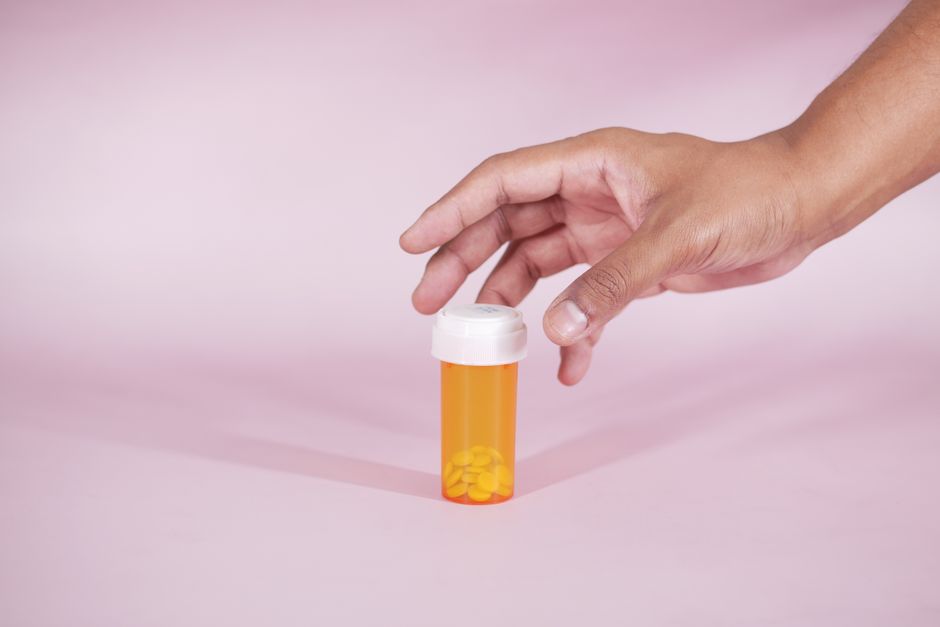
You take your oxycodone exactly as prescribed, but the pain relief just isn’t hitting the way it used to. Maybe you’re reaching for an extra dose that isn’t due yet, or you’re lying awake wondering if something is wrong with your prescription. If you’ve been asking yourself why isn’t my oxycodone working anymore, you’re not imagining things, and you’re far from alone.
This is one of the most common concerns patients bring up with their doctors and pharmacists. The reasons range from simple and fixable to more complex issues that need a real conversation with your prescriber. In this article, we’ll walk through the biological, medical, and practical reasons oxycodone can lose its punch, along with what you can actually do about it.
Why Isn’t My Oxycodone Working Anymore? The Short Answer
In most cases, reduced pain relief from oxycodone comes down to one of a handful of factors: your body has built up tolerance, your underlying condition has changed or worsened, you’re dealing with a drug interaction, or something about how you’re taking the medication has shifted. Less commonly, the issue is related to how your body metabolizes the drug, a change in formulation, or even a storage problem that degraded the medication itself.
None of these explanations mean you’re doing something wrong. Pain medication response is influenced by biology, timing, and circumstances that are often outside your control. Let’s break down each possibility.
1. Your Body Has Built Up Tolerance
Tolerance is the most frequent reason oxycodone stops working as well as it once did. When you take an opioid regularly, your body adapts to its presence. Receptors in your brain and nervous system that respond to the drug become less sensitive over time, so the same dose produces a smaller effect.
This isn’t a sign of addiction or a character flaw. It’s a predictable physiological response that happens to nearly everyone who takes opioids consistently, sometimes within just a few weeks. We’ve covered this topic in depth in our guide to oxycodone tolerance, which explains the science behind it and practical strategies for managing it.
Signs You May Be Developing Tolerance
- Pain relief that used to last four to six hours now wears off in two or three
- You need to take doses closer together than prescribed
- The medication takes the edge off the pain but no longer eliminates it the way it once did
- You find yourself watching the clock, anxious for the next dose because relief is incomplete
- Activities that were manageable a few weeks ago now feel harder because breakthrough pain creeps in earlier
If this pattern sounds familiar, the answer isn’t to simply take more on your own. Increasing your dose without medical guidance can be dangerous, especially with opioids. Instead, talk to your prescriber about options such as a short medication break (if appropriate for your condition), rotating to a different opioid, adding a non-opioid adjunct like an NSAID or acetaminophen, or adjusting the dosing schedule. Tolerance is manageable, but it has to be managed with your doctor’s input, not through guesswork.
2. Your Underlying Condition Has Changed
Oxycodone is prescribed to control pain from a specific source, whether that’s a surgical incision, a herniated disc, cancer, or a chronic condition like arthritis. If that underlying issue changes, the pain it produces can change too, and the dose that once worked may no longer match what your body is dealing with.
This is especially common in a few scenarios:
- Healing that isn’t progressing as expected. After surgery, pain typically decreases in a fairly predictable curve. If yours is plateauing or worsening instead of improving, that could point to a complication like infection, delayed healing, or hardware issues rather than a medication problem.
- Progressive disease. Conditions like osteoarthritis, spinal stenosis, or certain cancers can worsen over time, increasing the pain signal itself. In these cases, the medication isn’t failing; the condition generating the pain has simply advanced.
- A new, unrelated problem. Sometimes new pain gets mistaken for the original issue “breaking through.” A new injury, muscle strain, or even a pinched nerve can layer on top of existing pain and make it feel like your oxycodone has suddenly become less effective.
If you’re recovering from a specific procedure, it helps to know what a normal recovery timeline looks like so you can spot warning signs earlier. Our guide to recovery after neck surgery is a good example of how pain should typically trend downward over time, and a similar logic applies to most post-surgical situations.
3. Drug Interactions Could Be Blunting the Effect
Oxycodone doesn’t exist in isolation in your body. Other medications, supplements, and even certain foods can interfere with how it’s absorbed, metabolized, or how strongly it binds to opioid receptors. Some interactions reduce oxycodone’s effectiveness; others increase its risk profile without necessarily improving pain control.
A few common culprits include:
- Certain anticonvulsants and antibiotics (like rifampin) that speed up liver enzyme activity, causing oxycodone to be broken down faster than usual
- Some antidepressants and antipsychotics that compete for the same liver enzymes involved in oxycodone metabolism
- Newly added over-the-counter medications or supplements, including St. John’s Wort, which is well known for reducing the effectiveness of many prescription drugs
If you’ve started a new medication around the same time your oxycodone seemed to lose its punch, that timing is worth mentioning to your doctor or pharmacist. We’ve put together a detailed breakdown in our article on oxycodone drug interactions that covers which combinations tend to cause the most trouble.
4. How You’re Taking the Medication Matters More Than You Think
Timing and Food
Oxycodone’s absorption can be affected by whether you take it with food, on an empty stomach, or alongside certain drinks. Taking it inconsistently, sometimes with a meal and sometimes without, can lead to variable absorption rates, which may feel like the medication is “hit or miss.” If you’re unsure how food affects your particular prescription, our article on taking oxycodone on an empty stomach walks through what to expect.
Missed or Delayed Doses
Extended-release oxycodone formulations are designed to maintain a steady level of medication in your bloodstream. If doses are taken late, skipped, or doubled up to compensate, that steady state gets disrupted. The result can feel like the medication isn’t working, when really the dosing rhythm has been thrown off.
Crushing or Splitting Pills
Extended-release tablets are formulated to release the drug slowly over many hours. Crushing, splitting, or chewing these pills, even unintentionally, can destroy that time-release mechanism. This can cause a fast, intense release followed by a period with little to no medication in your system, which may feel like the drug “wears off” quickly.
5. Genetic Differences Affect How You Metabolize Oxycodone
Not everyone processes oxycodone the same way, and genetics play a significant role in that variation. Oxycodone is metabolized primarily through a liver enzyme called CYP2D6, and people fall into different categories based on how active this enzyme is in their body: poor metabolizers, intermediate metabolizers, extensive metabolizers, and ultra-rapid metabolizers.
If you happen to be an ultra-rapid metabolizer, your body may break down oxycodone faster than average, meaning the pain-relieving effects wear off sooner than expected even at a standard dose. On the other end of the spectrum, poor metabolizers may get less benefit overall because the conversion process that activates the drug happens more slowly. Our article on genetics and oxycodone response explains this in more detail, including how genetic testing can sometimes help explain why a standard dose doesn’t work as expected for certain patients.
6. A Change in Formulation or Generic Manufacturer
Not all oxycodone tablets are created equal, even when they contain the same active ingredient in the same dose. Generic medications must meet bioequivalence standards, but small differences in inactive ingredients, coatings, and manufacturing processes can occasionally lead to subtle differences in how a medication feels to a particular patient.
This becomes especially relevant if:
- Your pharmacy switched to a different generic manufacturer without your knowledge
- You transitioned from an immediate-release to an extended-release formulation, or vice versa
- A pharmacy shortage forced a substitution to a different version of the drug
Pharmacy shortages have become more common in recent years, and they sometimes force patients into last-minute formulation changes. If you’ve noticed a difference in effectiveness right around the time you picked up a refill, it’s worth asking your pharmacist directly whether anything changed. Our article on pharmacy shortages and oxycodone covers what to do if this happens to you.
7. Storage Problems Can Degrade the Medication
Oxycodone, like most medications, needs to be stored properly to remain fully effective. Heat, humidity, and light exposure can gradually break down the active compound in a tablet, reducing its potency even if the pill looks completely normal.
Common storage mistakes include:
- Keeping medication in a bathroom cabinet, where humidity from showers can degrade pills over time
- Leaving bottles in a hot car, even briefly, on warm days
- Storing pills past their expiration date
- Transferring pills into unmarked containers exposed to more light or air than the original packaging
If your medication has been exposed to extreme temperatures or has been sitting around for a long time, it may simply be less potent than it should be. For a full rundown of best practices, take a look at our home safety guide for patients taking oxycodone, which covers proper storage alongside other safety essentials.
8. Psychological and Lifestyle Factors
Pain is not purely a physical experience. Stress, anxiety, poor sleep, and depression can all amplify how pain is perceived, sometimes making it feel like medication isn’t working as well even when blood levels of the drug haven’t changed. According to the Cleveland Clinic, chronic stress and poor sleep quality can lower pain thresholds and heighten sensitivity to pain signals, creating a cycle that’s hard to break without addressing those underlying factors directly.
Sleep in particular has a close relationship with pain and opioid use. Poor sleep can increase pain sensitivity, and opioids themselves can disrupt normal sleep architecture, creating a frustrating feedback loop. Our article on oxycodone and sleep explores this connection in more depth.
Mood is another piece of the puzzle. Anxiety and depression are known to lower pain tolerance and can make existing pain feel more intense or harder to manage, even when medication dosing hasn’t changed at all.
What to Do If Oxycodone Isn’t Working Anymore
If you’ve noticed your usual dose isn’t providing the relief it used to, resist the urge to adjust your own dosing. Instead, work through these steps:
- Track your symptoms. Note when pain increases, how long relief lasts, and whether anything else changed around the same time, including new medications, stress levels, or sleep patterns.
- Review your medication routine. Confirm you’re taking doses on schedule, with or without food as directed, and swallowing tablets whole if they’re extended-release.
- Check for recent changes. Did your pharmacy switch manufacturers? Did you start a new prescription or supplement? Has your pain source itself changed?
- Contact your prescriber. Bring your notes to the conversation. A detailed history makes it much easier for your doctor to pinpoint whether the issue is tolerance, an interaction, a condition change, or something else.
- Avoid self-adjusting doses. Taking extra pills or shortening the interval between doses without medical guidance increases the risk of dangerous side effects, including respiratory depression.
Keeping a simple written or digital log of your medication and symptoms can make these conversations far more productive. If you haven’t already set up a system for tracking your prescription, our oxycodone medication checklist offers a straightforward template many patients find useful.
When to Contact Your Doctor Right Away
While a gradual decline in effectiveness usually isn’t an emergency, certain signs warrant a prompt call to your healthcare provider rather than waiting for your next scheduled appointment:
- Pain that suddenly becomes much more intense or changes in character (sharp, burning, or radiating pain that wasn’t there before)
- Signs of infection at a surgical site, such as fever, redness, swelling, or discharge
- New numbness, weakness, or loss of function in the area being treated
- Pain that isn’t controlled despite following your prescribed regimen correctly
- Any signs of an allergic reaction or unusual side effects after a formulation change
According to Mayo Clinic, unexplained changes in pain intensity, especially after surgery, should always be evaluated promptly since they can sometimes signal complications that need medical attention rather than a simple medication adjustment.
Frequently Asked Questions
Can oxycodone just stop working over time?
Yes, this is usually due to tolerance, a normal physiological adaptation where your body’s opioid receptors become less responsive with repeated exposure. It doesn’t mean the medication has “expired” in your system; it means your body has adjusted to its presence.
Should I just take an extra dose if my oxycodone isn’t working?
No. Taking additional doses without medical guidance can increase your risk of serious side effects, including dangerously slowed breathing. Always contact your prescriber before changing how much or how often you take oxycodone.
Can switching pharmacies affect how well my oxycodone works?
It can, particularly if the new pharmacy carries a different generic manufacturer’s version of the medication. While all generics must meet bioequivalence standards, some patients notice subtle differences in effect. Mentioning a pharmacy switch to your doctor can help rule this out as a cause.
How long does it take to develop tolerance to oxycodone?
Tolerance can begin developing within just a couple of weeks of regular use for some people, though the timeline varies widely depending on dose, frequency, and individual biology.
Is it normal for pain relief to wear off faster than expected?
It can be, especially with extended-release formulations that are supposed to provide steady coverage. If relief consistently wears off earlier than the labeled duration, this is worth discussing with your doctor, as it could point to fast metabolism, tolerance, or a dosing issue rather than something you’re doing wrong.
Conclusion
Realizing that your oxycodone isn’t working the way it used to can be unsettling, especially if you’re relying on it to manage significant pain. The good news is that this experience is common, well understood, and almost always explainable. Whether the cause turns out to be tolerance, a change in your underlying condition, a drug interaction, a metabolic quirk, a formulation switch, or something as simple as improper storage, there’s a path forward. The most important step is communicating openly with your healthcare provider rather than adjusting your dose on your own. With the right information and a bit of troubleshooting, you and your care team can usually identify what changed and find a strategy that restores the relief you need.