
Health Tips
Can Oxycodone Affect Blood Sugar? What Patients Should Know

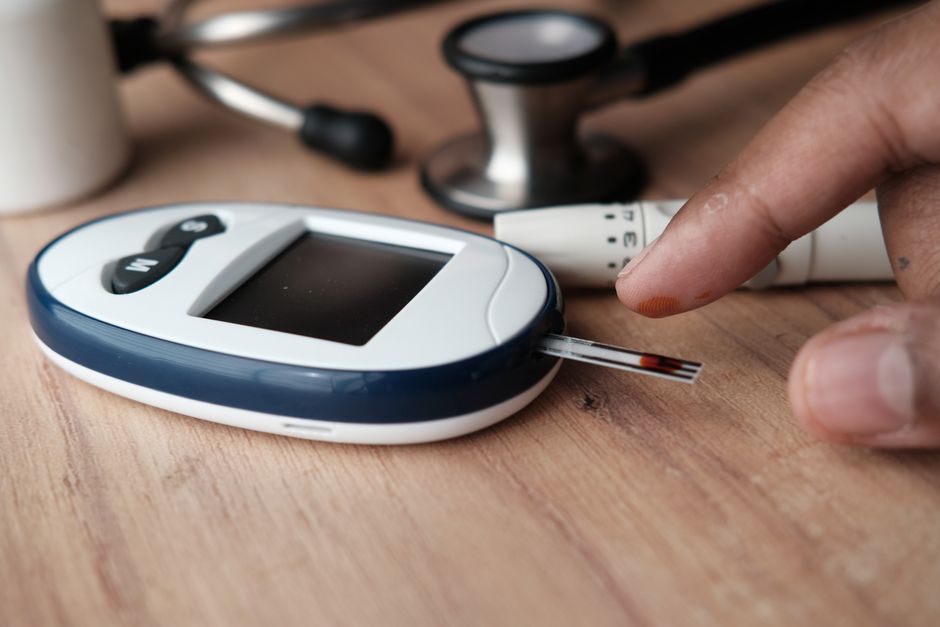
If you take oxycodone for pain relief and also manage diabetes or watch your glucose levels for other reasons, you may wonder whether this opioid painkiller has any effect on blood sugar. It’s a fair question, and one that doesn’t get discussed nearly enough in doctor’s offices or pharmacy consultations.
The short answer is yes, oxycodone can affect blood sugar, though the relationship is more complicated than a simple rise or fall. In this article, we’ll break down what the research shows, why opioids interact with your body’s glucose regulation, who is most at risk, and what steps you can take to stay safe while managing pain.
Can Oxycodone Affect Blood Sugar Levels?
Oxycodone is a semi-synthetic opioid prescribed for moderate to severe pain. Like other opioids, it works by binding to opioid receptors in the brain and spinal cord, which changes how the body perceives pain. However, opioid receptors exist in other parts of the body too, including the pancreas and gastrointestinal tract, both of which play a role in blood sugar regulation.
Because of this, oxycodone use has been linked to changes in glucose metabolism in some patients. The effect isn’t always dramatic or predictable, but it’s well documented enough that healthcare providers should factor it in when treating patients with diabetes or prediabetes.
How Opioids Influence Glucose Regulation
Researchers believe opioids interfere with blood sugar control through several mechanisms:
- Pancreatic effects: Opioid receptors are present on pancreatic cells, and activation of these receptors can suppress insulin secretion, potentially raising blood sugar.
- Stress hormone changes: Opioids can alter the release of cortisol and other stress hormones, which influence how the liver produces and releases glucose.
- Slowed digestion: Oxycodone commonly causes constipation and delayed gastric emptying, which can affect how quickly food and medications (including diabetes drugs) are absorbed, leading to unpredictable blood sugar swings.
- Reduced physical activity: Chronic pain patients on opioids often move less, and reduced activity is independently linked to insulin resistance and higher blood glucose.
Some studies have found that long-term opioid use is associated with an increased risk of developing hyperglycemia, while others have observed the opposite in certain patients, particularly those who are opioid-naive and experience a temporary drop in blood sugar shortly after starting therapy. The response can vary based on dose, duration of use, and individual metabolic health.
Does Oxycodone Cause High or Low Blood Sugar?
The honest answer is: it depends. Oxycodone doesn’t have a single, uniform effect on glucose the way insulin or corticosteroids do. Instead, its influence tends to show up indirectly.
Situations Linked to Higher Blood Sugar
- Long-term or high-dose opioid therapy, which may blunt insulin release over time
- Reduced physical activity due to pain or sedation
- Poor appetite regulation, leading to irregular eating patterns
- Stress response from unmanaged pain, which raises cortisol and blood glucose
Situations Linked to Lower Blood Sugar
- Appetite suppression causing inadequate food intake, especially in patients also taking insulin or sulfonylureas
- Nausea and vomiting, common oxycodone side effects, which can lead to missed meals
- Combined use with alcohol, which can independently cause hypoglycemia
This is why blood sugar monitoring becomes especially important for people with diabetes who start oxycodone, whether for short-term recovery from surgery or long-term chronic pain management.
Who Is Most at Risk?
Not everyone taking oxycodone needs to worry equally about blood sugar fluctuations. However, certain groups should pay closer attention:
- People with type 1 or type 2 diabetes: Existing glucose regulation issues make them more sensitive to any additional metabolic disruption.
- Older adults: Age-related changes in metabolism and higher likelihood of taking multiple medications increase the risk of interactions.
- Patients on long-term opioid therapy: Extended use is more strongly associated with insulin resistance than short-term, post-surgical use.
- People with liver or kidney disease: These organs help clear oxycodone and regulate glucose, so impaired function can amplify both drug effects and blood sugar instability. If this applies to you, our guides on oxycodone and liver disease and oxycodone and kidney disease go into more detail.
- Patients combining oxycodone with other medications: Certain drug combinations can compound effects on glucose metabolism. It’s worth reviewing our broader guide on oxycodone drug interactions if you take multiple prescriptions.
What the Research Actually Shows
Clinical evidence on oxycodone and blood sugar is still developing, but several studies offer useful insight. Research published in diabetes and endocrinology journals has found associations between chronic opioid use and impaired glucose tolerance, particularly in patients using high doses over extended periods. Other research has pointed to opioid-induced changes in hormone levels, including reduced testosterone, which is separately linked to insulin resistance.
According to the Mayo Clinic, opioid medications can influence hormone systems throughout the body, and these hormonal shifts are part of why long-term users sometimes experience metabolic changes beyond pain relief alone. Meanwhile, resources from WebMD note that opioid-induced constipation and appetite changes, both common with oxycodone, can indirectly disrupt normal blood sugar patterns simply by changing how and when a person eats.
It’s worth noting that most of this research focuses on long-term or high-dose opioid use rather than short courses taken after surgery or an injury. If you’re taking oxycodone briefly, for example during recovery, as covered in our post on oxycodone after neck surgery, the risk of significant blood sugar disruption is generally lower but not zero.
Signs of Blood Sugar Changes to Watch For
Whether you have diabetes or not, it helps to know the warning signs of both high and low blood sugar while taking oxycodone.
Signs of High Blood Sugar (Hyperglycemia)
- Increased thirst and frequent urination
- Fatigue or unusual drowsiness (which can also overlap with opioid sedation)
- Blurred vision
- Headache
- Slow-healing cuts or infections
Signs of Low Blood Sugar (Hypoglycemia)
- Shakiness or trembling
- Sweating
- Confusion or difficulty concentrating
- Rapid heartbeat
- Irritability or mood changes
Because oxycodone itself can cause drowsiness, confusion, and mood changes, it can be genuinely hard to tell whether a symptom is from the medication or from a blood sugar swing. This overlap is exactly why regular glucose monitoring matters more when you’re on opioid therapy.
How to Manage Blood Sugar While Taking Oxycodone
If you have diabetes, prediabetes, or a family history of blood sugar issues, there are practical steps you can take to stay on top of your health while using oxycodone for pain management.
1. Monitor More Frequently
Ask your doctor whether you should check your blood sugar more often after starting or adjusting your oxycodone dose. This is especially important during the first few weeks of treatment, when your body is adjusting.
2. Keep a Symptom and Glucose Log
Track your blood sugar readings alongside your oxycodone dosing times, meals, and any symptoms you notice. Patterns often become clearer with a few weeks of consistent tracking, and this log can be incredibly useful for your prescribing doctor.
3. Don’t Skip Meals
Oxycodone can suppress appetite and slow digestion, but skipping meals while on diabetes medication raises your risk of hypoglycemia. Try eating smaller, more frequent meals if nausea makes larger meals difficult, and review our tips on taking oxycodone on an empty stomach for additional guidance.
4. Stay as Active as Pain Allows
Even light activity, such as short walks, can help offset the insulin resistance associated with reduced movement. Talk to your doctor about safe activity levels during your recovery or treatment period.
5. Review All Medications With Your Doctor
If you’re on insulin, metformin, or other diabetes medications, your doctor may need to adjust dosages while you’re taking oxycodone. This is particularly true if you’re also managing other health conditions, so it helps to keep an updated medication checklist. Our oxycodone medication safety checklist can help you stay organized.
6. Avoid Alcohol
Alcohol independently affects blood sugar and combining it with oxycodone significantly increases sedation risk and can mask hypoglycemia symptoms. It’s best avoided entirely while on opioid therapy.
When to Contact Your Doctor
Reach out to your healthcare provider if you notice any of the following while taking oxycodone:
- Blood sugar readings consistently outside your target range
- Symptoms of hypoglycemia or hyperglycemia that don’t resolve quickly
- Significant changes in appetite or weight
- New or worsening fatigue, confusion, or mood changes
- Difficulty managing diabetes medications alongside oxycodone dosing
Your doctor may recommend a dose adjustment, a different pain management approach, or closer monitoring of your glucose levels. Never adjust your oxycodone or diabetes medication dosages on your own without medical guidance.
A Note for Caregivers
If you’re caring for a loved one who takes oxycodone and has diabetes, keeping an eye on subtle behavior or mood changes can help catch blood sugar issues early, since patients may not always recognize the symptoms themselves. Our oxycodone caregiver guide offers broader tips on supporting someone safely through opioid treatment, including how to spot warning signs that warrant a call to the doctor.
Frequently Asked Questions
Does oxycodone raise or lower blood sugar?
It can do either, depending on the person and circumstances. Long-term use is more often associated with elevated blood sugar due to reduced insulin secretion and lower activity levels, while appetite suppression or vomiting can occasionally cause blood sugar to drop, especially in people taking insulin or other diabetes medications.
Is it safe for diabetics to take oxycodone?
Many people with diabetes take oxycodone safely under medical supervision. The key is closer blood sugar monitoring, open communication with your doctor, and awareness of how the medication might affect appetite, activity, and digestion.
Can oxycodone interfere with diabetes medications?
Oxycodone doesn’t typically have a direct chemical interaction with most diabetes medications, but its side effects, such as nausea, reduced appetite, and slowed digestion, can affect how well those medications work and how predictably your blood sugar responds.
How soon after starting oxycodone might blood sugar changes appear?
Changes can appear within days for some people, particularly if appetite or activity levels shift quickly. For others, especially with long-term opioid use, changes in insulin sensitivity may develop more gradually over weeks or months.
Should I check my blood sugar more often while taking oxycodone?
If you have diabetes or prediabetes, it’s generally a good idea to monitor more frequently when starting or adjusting oxycodone, particularly during the first two to four weeks, and any time your dose changes.
Final Thoughts
Oxycodone’s effect on blood sugar isn’t as widely discussed as some of its other side effects, but it’s a real consideration, particularly for people managing diabetes or metabolic conditions. The relationship between opioids and glucose regulation is complex, influenced by dosage, duration of use, appetite changes, and activity levels.
The best approach is proactive: monitor your blood sugar more closely when starting oxycodone, keep track of symptoms, maintain open communication with your healthcare provider, and don’t ignore unusual changes in energy, thirst, or mood. With the right precautions, most people can manage pain relief and blood sugar control together safely.