

Health Tips
What Is Hydrocodone? Uses, Dosage, and Side Effects Explained

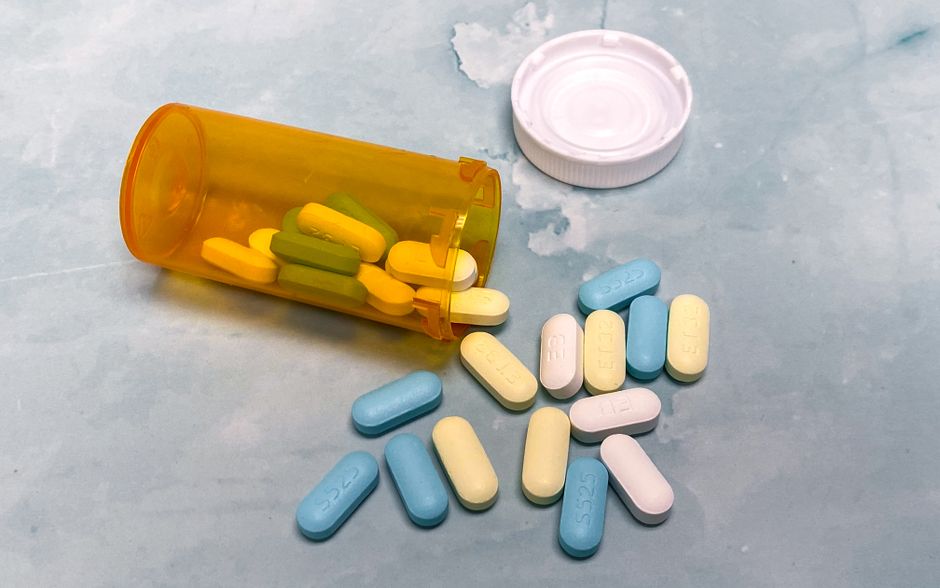
If a doctor has ever handed you a prescription for hydrocodone after a surgery, dental procedure, or injury, you probably had questions. How does it work? How much should you take? What happens if something goes wrong? This guide answers all of that in plain language, without the medical jargon that makes so many drug information sheets hard to understand.
Hydrocodone is one of the most commonly prescribed opioid painkillers in the United States, and it also shows up in certain prescription cough medicines. Because it’s an opioid, it comes with real benefits and real risks. Understanding both sides of that equation is the best way to use it safely, whether you’re taking it for the first time or helping a family member manage their prescription.
In this article, you’ll learn what hydrocodone is, how it works in the body, the conditions it treats, typical dosage ranges, what side effects to expect, and how to spot warning signs that something isn’t right. We’ll also cover how hydrocodone compares to other opioids and answer the questions people ask most often.
What Is Hydrocodone?
Hydrocodone is a semi-synthetic opioid derived from codeine, one of the naturally occurring compounds found in the opium poppy plant. It’s classified as a Schedule II controlled substance in the United States, which means it has recognized medical uses but also carries a high potential for misuse and dependence.
Doctors prescribe hydrocodone primarily for two purposes: managing moderate to moderately severe pain and, in lower doses combined with other ingredients, suppressing coughs. It’s rarely sold as a standalone medication. Instead, it’s almost always combined with a non-opioid pain reliever such as acetaminophen (as in Vicodin, Norco, and Lortab) or ibuprofen (as in Vicoprofen), or with cough-suppressing ingredients in prescription cough syrups.
How Hydrocodone Works in the Body
Hydrocodone works by binding to opioid receptors in the brain and spinal cord, particularly the mu-opioid receptors. This binding action blocks pain signals from reaching the brain and also triggers the release of dopamine, which produces feelings of relaxation and, in some cases, euphoria. That euphoric effect is part of why hydrocodone has a significant potential for misuse.
Once ingested, hydrocodone is absorbed through the digestive tract and metabolized primarily by the liver. It has a half-life of roughly 3.5 to 4.5 hours in most adults, meaning it takes that long for half the drug to clear from your system. Pain relief typically begins within 20 to 30 minutes of taking an immediate-release tablet and peaks around 60 to 90 minutes later, with effects lasting four to six hours.
Brand Names and Common Formulations
Hydrocodone is sold under several brand names, and it’s often the combination ingredient that determines which product you’re prescribed. Common brand and generic combination products include:
- Vicodin (hydrocodone/acetaminophen)
- Norco (hydrocodone/acetaminophen)
- Lortab (hydrocodone/acetaminophen)
- Vicoprofen (hydrocodone/ibuprofen)
- Zohydro ER (extended-release hydrocodone, no acetaminophen)
- Hysingla ER (extended-release hydrocodone, no acetaminophen)
Extended-release formulations like Zohydro ER and Hysingla ER are designed for around-the-clock pain management in patients who need continuous relief, such as those with chronic pain conditions. These are not appropriate for occasional or as-needed pain and should never be crushed or chewed, since doing so can release the entire dose at once and cause a dangerous overdose.
What Is Hydrocodone Used For?
Hydrocodone has two primary medical uses, though pain relief is by far the more common one.
Pain Management
Doctors prescribe hydrocodone for moderate to moderately severe pain that isn’t adequately controlled by non-opioid medications like acetaminophen or NSAIDs alone. Common scenarios include:
- Post-surgical pain (dental extractions, orthopedic surgery, and other procedures)
- Injury-related pain, such as fractures or significant soft tissue damage
- Cancer-related pain
- Chronic pain conditions, in select cases where other treatments have failed
Hydrocodone is generally reserved for short-term use following an acute injury or procedure. Long-term use is typically limited to patients with chronic pain who have exhausted other options, given the risks of tolerance and dependence associated with extended opioid therapy.
Cough Suppression
In lower doses, hydrocodone is also used as an antitussive, or cough suppressant, in certain prescription cough syrups. These products are typically reserved for cases where over-the-counter cough medicine hasn’t worked, and they’re prescribed cautiously due to the same dependence risks associated with hydrocodone’s pain-relieving formulations.
Hydrocodone Dosage Guidelines
Hydrocodone dosing varies significantly based on the formulation, the severity of pain, and individual patient factors. It’s important to note that dosage should always be determined by a prescribing physician, and the information below is meant for general education, not as a substitute for medical advice.
Standard Adult Dosage
For immediate-release combination products (such as hydrocodone/acetaminophen), typical adult dosing looks like this:
- Usual starting dose: One tablet (containing 5 mg, 7.5 mg, or 10 mg of hydrocodone) every 4 to 6 hours as needed for pain
- Maximum daily hydrocodone dose: Determined by the prescriber, but often capped based on the acetaminophen content, since acetaminophen carries its own daily maximum (generally no more than 4,000 mg per day, and often lower for patients with liver concerns)
For extended-release formulations like Zohydro ER or Hysingla ER, dosing is typically once every 12 hours (Zohydro ER) or once every 24 hours (Hysingla ER), and doses are individualized based on prior opioid tolerance.
Dosage for Combination Products
Because most hydrocodone products are combined with acetaminophen or ibuprofen, the total dose you take is limited by how much of the non-opioid ingredient you can safely consume in a day. This is one of the most overlooked safety issues with hydrocodone combination drugs. Taking extra tablets to manage breakthrough pain can inadvertently push acetaminophen intake into dangerous territory, risking serious liver damage.
Factors That Affect Dosage
Several individual factors influence how a doctor determines the right hydrocodone dose, including:
- Age: Older adults often require lower doses due to slower metabolism and increased sensitivity to opioids
- Kidney and liver function: Impaired organ function slows drug clearance, raising the risk of accumulation and side effects
- Body weight and overall health
- Opioid tolerance: Patients who have used opioids previously may require adjusted dosing
- Other medications: Drug interactions can affect how hydrocodone is processed or how strongly it affects the body
Never adjust your hydrocodone dose on your own, even if you feel your pain isn’t controlled. Contact your prescriber instead, since opioid dosage changes carry real risks if done incorrectly.
How to Take Hydrocodone Safely
Because hydrocodone is a controlled substance with real potential for harm, following safety guidelines matters. Some practical tips include:
- Take hydrocodone exactly as prescribed, at the intervals your doctor recommends
- Avoid alcohol entirely while taking hydrocodone, as the combination significantly increases the risk of dangerous respiratory depression
- Don’t combine hydrocodone with other sedating medications, such as benzodiazepines, sleep aids, or muscle relaxants, unless specifically directed by a doctor
- Store hydrocodone securely, away from children and anyone who might misuse it
- Never share your prescription with someone else, even if they’re experiencing similar pain
- Take the medication with food if it causes stomach upset
- Track how many tablets you have left, since running low unexpectedly can lead to rushed decisions
If you ever have trouble getting your prescription filled or refilled, it helps to understand the process ahead of time. Our guide on how to fill an opioid prescription step by step walks through common pharmacy requirements that apply broadly to controlled substances like hydrocodone as well.
Hydrocodone Side Effects
Like all opioids, hydrocodone comes with a range of possible side effects, from mild and expected to rare but serious. Knowing what’s typical versus what warrants a call to your doctor can make a real difference in how safely you use this medication.
Common Side Effects
Most people who take hydrocodone experience at least one of the following, especially when they first start taking it:
- Drowsiness or sedation
- Dizziness or lightheadedness
- Nausea and vomiting
- Constipation
- Dry mouth
- Mild itching
- Mood changes, including unusual euphoria or, less commonly, low mood
- Headache
Constipation is particularly persistent with opioid use and often doesn’t improve over time the way other side effects do. Many patients find it helpful to increase fluid intake, add fiber, or use a stool softener proactively rather than waiting for symptoms to worsen. Dry mouth is another common complaint; if you’ve dealt with this on other opioids, our article on why opioids cause dry mouth and how to find relief offers tips that apply to hydrocodone users too.
Serious Side Effects
Certain side effects require immediate medical attention. These include:
- Slow, shallow, or difficult breathing
- Extreme drowsiness or difficulty waking up
- Confusion or hallucinations
- Severe dizziness or fainting
- Chest tightness or irregular heartbeat
- Swelling of the face, lips, tongue, or throat (a sign of allergic reaction)
- Severe skin reaction, such as blistering or rash
- Signs of adrenal insufficiency, including nausea, fatigue, and low blood pressure with long-term use
Because hydrocodone can lower blood pressure in some patients, particularly at higher doses or when combined with other sedating substances, it’s worth understanding how this effect happens and what symptoms to watch for. We cover this in detail in our article on hydrocodone and blood pressure.
Long-Term Risks
Extended hydrocodone use carries additional risks beyond the acute side effects listed above:
- Tolerance: Needing higher doses over time to achieve the same pain relief
- Physical dependence: The body adapts to the drug’s presence, leading to withdrawal symptoms if the medication is stopped abruptly
- Hormonal changes: Long-term opioid use can suppress hormone production, affecting libido, menstrual cycles, and energy levels
- Liver damage: Particularly relevant for hydrocodone/acetaminophen combinations, since chronic high-dose acetaminophen use is linked to liver injury
- Increased sensitivity to pain: A paradoxical condition called opioid-induced hyperalgesia, where long-term use actually heightens pain sensitivity
According to the Mayo Clinic, patients using opioids for extended periods should have regular check-ins with their prescriber to reassess whether the medication is still the right choice and to watch for early signs of dependence.
Hydrocodone Interactions and Warnings
Hydrocodone interacts with a range of other substances and medications, some of which can be dangerous. Key interactions to be aware of include:
- Alcohol: Significantly increases sedation and the risk of fatal respiratory depression
- Benzodiazepines (such as Xanax, Valium, or Ativan): The combination is a leading cause of opioid-related overdose deaths
- Other opioids: Combining multiple opioid medications, even unintentionally, increases overdose risk
- MAOIs (monoamine oxidase inhibitors): Can cause a dangerous interaction and should not be used within 14 days of taking hydrocodone
- Muscle relaxants and sleep medications: Compound the sedative effects of hydrocodone
- Certain antidepressants and antipsychotics: May increase the risk of serotonin syndrome or additional sedation
Always give your doctor and pharmacist a full list of medications and supplements you’re taking, including over-the-counter products, before starting hydrocodone. Certain foods, like grapefruit, can also alter how the liver metabolizes some medications, so it’s worth asking your pharmacist whether that applies to your specific prescription.
Hydrocodone vs Other Opioids
Hydrocodone is often compared to other commonly prescribed opioids, particularly oxycodone. While the two drugs are similar in many respects, there are meaningful differences in potency, formulation, and typical use cases. If you’re trying to understand how hydrocodone stacks up against oxycodone specifically, our detailed comparison, Oxycodone vs Hydrocodone: Which Painkiller Is Stronger and Safer?, breaks down the differences in strength, side effect profiles, and prescribing patterns.
In general terms, oxycodone is considered somewhat more potent milligram-for-milligram than hydrocodone, though both are classified as Schedule II controlled substances with similar risk profiles. Neither is inherently safer than the other; each carries its own risks depending on the individual, the dose, and how the medication is used. Oxycodone is often formulated as a standalone drug (as in OxyContin or Roxicodone) or combined with acetaminophen (Percocet), while hydrocodone is almost always combined with acetaminophen or ibuprofen in the United States. This difference in formulation affects overdose risk, since taking too much of a combination product can lead to acetaminophen toxicity in addition to opioid effects.
Hydrocodone is also frequently compared to codeine, another opioid used for mild to moderate pain and cough suppression. Codeine is considerably weaker than hydrocodone and is metabolized into morphine by the liver, a process that varies significantly from person to person based on genetics. Because of this unpredictable metabolism, some clinicians now prefer hydrocodone over codeine for patients who need more reliable pain relief.
Tramadol is another medication sometimes weighed against hydrocodone, particularly for patients with moderate pain who may not need a full opioid. Tramadol works through a combination of opioid and non-opioid mechanisms, which gives it a somewhat different side effect and risk profile. For a deeper look at how these two medications compare in terms of strength and safety, see Oxycodone vs Tramadol: Strength, Uses, and Safety Compared, which covers many of the same considerations that apply when comparing hydrocodone and tramadol.
Ultimately, the choice between hydrocodone and another opioid depends on factors like the type and severity of pain, the patient’s medical history, prior response to opioids, and the presence of any conditions that make one drug safer than another. This decision should always be made in consultation with a prescribing physician who understands the patient’s full health picture.
Signs of Hydrocodone Dependence and Addiction
Because hydrocodone acts directly on the brain’s reward system, it carries a genuine risk of physical dependence and addiction, even when taken exactly as prescribed. Understanding the difference between these two concepts is important. Physical dependence means the body has adapted to the presence of the drug and will experience withdrawal symptoms if it’s stopped abruptly. Addiction, or opioid use disorder, is a chronic condition characterized by compulsive drug-seeking behavior despite negative consequences.
It’s entirely possible to become physically dependent on hydrocodone without developing an addiction, particularly in patients who use it short-term under medical supervision. However, warning signs that dependence may be shifting toward a more problematic pattern include:
- Taking higher doses than prescribed or using the medication more frequently than directed
- Running out of medication early and requesting refills ahead of schedule
- Visiting multiple doctors or pharmacies to obtain additional prescriptions
- Feeling unable to function normally without the drug
- Continuing to use hydrocodone after the original medical reason for taking it has resolved
- Neglecting work, school, or family responsibilities because of drug use
- Experiencing cravings or preoccupation with obtaining more of the medication
- Using hydrocodone in combination with alcohol or other substances to enhance its effects
If you or someone you know is showing these signs, it’s important to speak with a healthcare provider as soon as possible. Addiction is a medical condition, not a moral failing, and effective treatments are available, including medication-assisted therapy, counseling, and structured support programs.
Hydrocodone Withdrawal Symptoms
When someone who has developed physical dependence on hydrocodone stops taking it suddenly, the body reacts to the sudden absence of the drug. Withdrawal symptoms typically begin within 6 to 12 hours of the last dose for immediate-release formulations and may start a bit later for extended-release versions. Common withdrawal symptoms include:
- Anxiety and irritability
- Muscle aches and joint pain
- Sweating and chills
- Runny nose and watery eyes
- Nausea, vomiting, and diarrhea
- Abdominal cramping
- Insomnia
- Rapid heartbeat
- Dilated pupils
- Intense cravings for the drug
Symptoms usually peak within 48 to 72 hours and gradually subside over the following one to two weeks, though some people experience lingering psychological symptoms like anxiety, low mood, or sleep disturbances for longer. Withdrawal from opioids like hydrocodone is rarely life-threatening on its own, but it can be extremely uncomfortable, and complications like severe dehydration from vomiting and diarrhea can become dangerous if not managed properly.
Because of this, anyone who wants to stop taking hydrocodone after a period of regular use should talk to their doctor about a tapering schedule rather than quitting abruptly. Gradually reducing the dose over days or weeks allows the body to adjust more comfortably and significantly reduces the severity of withdrawal symptoms. In cases of long-term or high-dose use, medical detox programs can provide additional support and monitoring.
Recognizing a Hydrocodone Overdose
Hydrocodone overdose is a serious medical emergency that requires immediate attention. Because most hydrocodone products are combined with acetaminophen, an overdose can involve toxicity from both substances simultaneously, which makes prompt recognition especially important. Signs of a hydrocodone overdose include:
- Extreme drowsiness or inability to wake up
- Slow, shallow, or stopped breathing
- Pinpoint pupils
- Blue or grayish tint to the lips or fingertips
- Limp body or muscle weakness
- Cold, clammy skin
- Choking or gurgling sounds
- Confusion or unresponsiveness
If acetaminophen toxicity is also present, additional symptoms like nausea, vomiting, abdominal pain, and jaundice may appear, sometimes with a delay of 24 hours or more, reflecting liver damage that can become severe if untreated.
If you suspect someone is experiencing a hydrocodone overdose, call emergency services immediately. Naloxone, an opioid overdose reversal medication, can be administered by first responders or by bystanders if it’s available, and it can be lifesaving when given promptly. Many pharmacies now offer naloxone without a prescription, and it’s worth keeping on hand for anyone in a household where opioids are being used, especially at higher doses or in combination with other substances that affect breathing, such as alcohol or benzodiazepines. Interestingly, some patients and caregivers also ask about the cardiovascular effects of hydrocodone during an overdose situation. For more detail on how this medication can influence blood pressure and heart rate, see Can Hydrocodone Lower Blood Pressure? What You Need to Know.
Safe Storage and Disposal of Hydrocodone
Because hydrocodone is a controlled substance with real potential for misuse, proper storage and disposal are essential parts of using it responsibly. Simple precautions can prevent accidental ingestion by children or pets, as well as intentional misuse by others in the household.
Storage Tips
- Keep hydrocodone in its original, labeled container
- Store it in a locked cabinet, lockbox, or other secure location out of reach of children and visitors
- Avoid storing it in a medicine cabinet in a bathroom where humidity can degrade the medication and where it’s easily accessible to guests
- Keep track of how many pills you have and note any discrepancies
- Never share your prescription with anyone else, even if they have similar symptoms
Disposal Tips
When hydrocodone is no longer needed, whether because a course of treatment has ended or a prescription has expired, it should be disposed of promptly and properly. Options include:
- Using a medication take-back program, often available at pharmacies, hospitals, or community events
- Utilizing drug disposal kiosks located in many pharmacies
- Following FDA flush-list guidance if no take-back option is available, since certain opioids are considered dangerous enough to warrant flushing rather than risking accidental exposure
- Mixing unused medication with an unappealing substance like used coffee grounds or kitty litter, sealing it in a bag, and placing it in household trash if no other disposal method is accessible
Never simply throw hydrocodone in the trash without taking these precautions, and never pour it down the drain unless specifically instructed to do so, as this can contaminate water supplies.
Hydrocodone Use During Pregnancy and Breastfeeding
Hydrocodone use during pregnancy requires careful consideration, as opioids can cross the placenta and affect the developing fetus. Prolonged use during pregnancy, particularly in the third trimester, can lead to neonatal opioid withdrawal syndrome (NOWS), a condition in which the baby is born physically dependent on the opioid and experiences withdrawal symptoms after birth. These symptoms can include excessive crying, tremors, feeding difficulties, and breathing problems.
That said, there are situations where the benefits of pain control outweigh the risks, such as after significant trauma or surgery during pregnancy. Any decision to use hydrocodone while pregnant should be made jointly with an obstetrician and, ideally, a pain management specialist, who can weigh the specific risks and benefits based on the individual’s circumstances.
Hydrocodone also passes into breast milk in small amounts. While occasional, short-term use at low doses is generally considered to carry a relatively low risk, regular or high-dose use can lead to sedation, poor feeding, and breathing difficulties in a nursing infant. Mothers who are breastfeeding and require hydrocodone for pain management should discuss timing doses around feedings and monitoring their infant closely for signs of excessive sleepiness or difficulty feeding.
Legal Status and Prescription Regulations
Hydrocodone is classified as a Schedule II controlled substance under the Controlled Substances Act in the United States, a classification that reflects both its legitimate medical uses and its high potential for abuse and dependence. This wasn’t always the case. Prior to 2014, hydrocodone combination products were classified as Schedule III, which allowed for easier refills and phoned-in prescriptions. The rescheduling to Schedule II was part of a broader effort to curb the opioid epidemic by tightening prescribing and dispensing rules.
Under current regulations, Schedule II classification means:
- Prescriptions cannot be refilled automatically; a new prescription is required each time
- Most states limit initial prescriptions to a 7 to 30 day supply, depending on local law
- Verbal or phoned-in prescriptions are generally not allowed except in emergency situations, and even then must be followed up with a written prescription
- Many states require electronic prescribing for controlled substances to reduce fraud
- Pharmacies and prescribers must comply with strict record-keeping and reporting requirements
These regulations can sometimes create logistical friction for patients, particularly those managing chronic pain who need consistent access to their medication. If you’ve ever experienced a delay or denial at the pharmacy counter, it may help to understand how these rules apply in practice. While that particular resource focuses on oxycodone, many of the same principles around pharmacy refusals and controlled substance regulations apply equally to hydrocodone prescriptions.
Tips for Using Hydrocodone Safely
Whether you’re starting hydrocodone for the first time or have been prescribed it for an extended period, a few practical habits can significantly reduce your risk of complications:
- Take it exactly as prescribed: Never adjust your dose or frequency without talking to your doctor first.
- Avoid alcohol completely: Even small amounts can dangerously amplify sedation and respiratory depression.
- Don’t mix with other sedatives: This includes benzodiazepines, sleep aids, and certain antihistamines, unless specifically approved by your doctor.
- Watch your acetaminophen intake: If your hydrocodone product contains acetaminophen, avoid taking additional acetaminophen from other sources like cold medicines.
- Stay hydrated and eat fiber-rich foods: This can help manage constipation, one of the most common side effects.
- Don’t drive or operate machinery: At least until you know how the medication affects you, and be cautious even after that.
- Store and dispose of it responsibly: Keep it secure and get rid of unused portions promptly.
- Communicate openly with your doctor: Report any side effects, concerns, or changes in how the medication is working for you.
Following these guidelines doesn’t eliminate risk entirely, since hydrocodone is a powerful medication with real potential for harm, but it does substantially lower the odds of complications and helps ensure the drug does what it’s meant to do: control pain effectively while you heal or manage a chronic condition.
Frequently Asked Questions About Hydrocodone
Is hydrocodone the same as Vicodin?
Vicodin is a brand name for a specific combination product containing hydrocodone and acetaminophen. Hydrocodone itself is the active opioid ingredient, and it’s also sold under other brand names and in other combinations, such as with ibuprofen. So while all Vicodin contains hydrocodone, not all hydrocodone products are Vicodin.
How long does hydrocodone stay in your system?
Hydrocodone has a half-life of roughly 3.8 hours, meaning it typically clears from the bloodstream within about 24 hours for most people. However, it can be detected in urine for up to 2 to 4 days, in saliva for 1 to 2 days, and in hair for up to 90 days, depending on the testing method and individual factors like metabolism, kidney and liver function, and frequency of use.
Can you become addicted to hydrocodone even if you take it as prescribed?
Yes, physical dependence can develop even when hydrocodone is used exactly as directed, particularly with use lasting longer than a couple of weeks. This is different from addiction, which involves compulsive use despite harm, but dependence can be a precursor. This is why doctors generally aim to prescribe the lowest effective dose for the shortest necessary duration.
What should I do if I miss a dose of hydrocodone?
If you miss a dose, take it as soon as you remember, unless it’s almost time for your next scheduled dose. In that case, skip the missed dose and resume your normal schedule. Never take two doses at once to make up for a missed one, as this significantly increases the risk of overdose.
Is it safe to take hydrocodone long-term for chronic pain?
Long-term use of hydrocodone for chronic, non-cancer pain is generally approached with caution due to the risks of tolerance, dependence, and diminishing effectiveness over time. Many clinicians now prefer to reserve long-term opioid therapy for cases where other treatments haven’t worked, and they typically pair it with regular monitoring, functional goals, and periodic reassessment of whether continued use is appropriate. According to resources from Mayo Clinic, non-opioid approaches are often recommended as first-line treatment for chronic pain when feasible.
The Bottom Line
Hydrocodone remains one of the most widely prescribed opioids in the country because it works, offering meaningful relief for moderate to severe pain and effective suppression of persistent cough when other treatments fall short. But that effectiveness comes with real responsibility. Understanding how the drug works, following dosing instructions precisely, watching for interactions and side effects, and recognizing the signs of dependence or overdose are all essential parts of using hydrocodone safely.
If you’ve been prescribed hydrocodone, take time to have an honest conversation with your doctor or pharmacist about your specific situation, including any other medications you take, your medical history, and your personal risk factors. Resources like the Cleveland Clinic offer additional patient education on opioid safety that can complement what your healthcare provider tells you. With the right precautions in place, hydrocodone can be a valuable tool for managing pain and cough when used thoughtfully and under proper medical supervision.


