


Why Does My Oxycodone Work Better at Night? Here’s the Science Behind It

Oxycodone often feels stronger at night due to natural drops in cortisol, rising melatonin, reduced physical activity, and lower stress, all of which shift how the body perceives and responds to pain relief.

Why Does Oxycodone Work Better Some Days? The Hidden Factors Behind Pain Relief
Oxycodone's effectiveness can vary from day to day due to factors like sleep, stress, hormones, hydration, and inflammation, and understanding these hidden influences can help patients achieve more consistent pain relief.

Can Fever Change How Oxycodone Works? What Patients Should Know
Fever can subtly change how oxycodone is metabolized and felt in the body, from slowing liver enzyme activity to affecting hydration, sometimes intensifying side effects or reducing pain relief, so patients should monitor symptoms closely and consult their doctor rather than self-adjust their dose.

Oxycodone vs Tramadol: Strength, Uses, and Safety Compared
A detailed comparison of oxycodone and tramadol covering strength, uses, side effects, risks for special populations, and how to determine which painkiller may be right for your situation.

Oxycodone vs Percocet: Key Differences, Uses, and Safety Compared
Oxycodone and Percocet share the same opioid core, but Percocet's added acetaminophen creates unique liver risks and dosing limits that make understanding their differences essential for safe use.

Oxycodone vs Morphine: Potency, Uses, Side Effects, and Safety Compared
Oxycodone and morphine are both powerful opioids used for moderate to severe pain, but they differ in potency, formulations, metabolism, and side effects. This guide compares their strength, uses, risks, and safety considerations in detail.
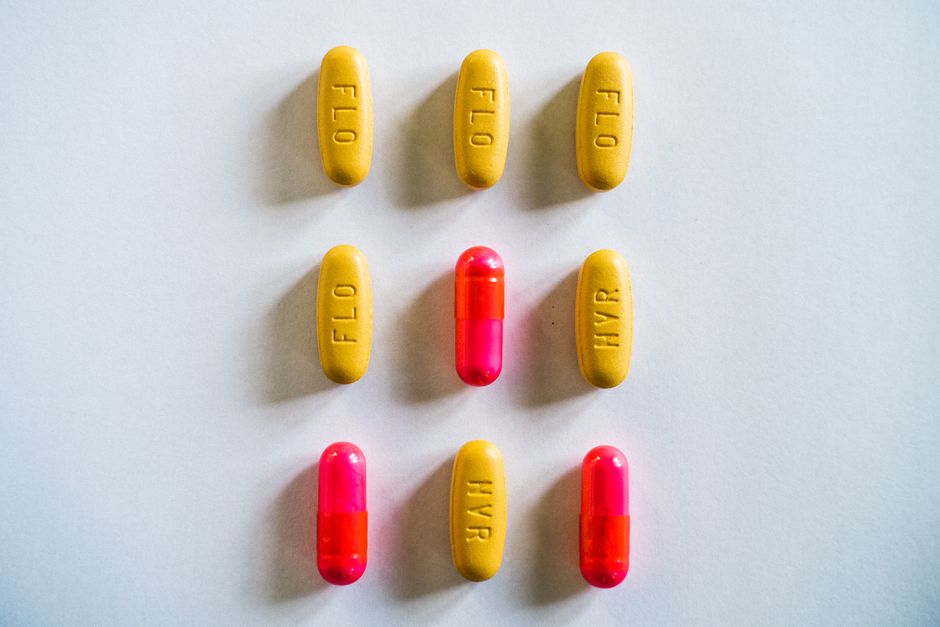
Oxycodone vs Codeine: Which Painkiller Is Stronger and Safer?
Oxycodone and codeine are both opioid pain relievers, but they differ dramatically in potency, safety profile, and how the body metabolizes them, making the right choice highly dependent on individual health factors.
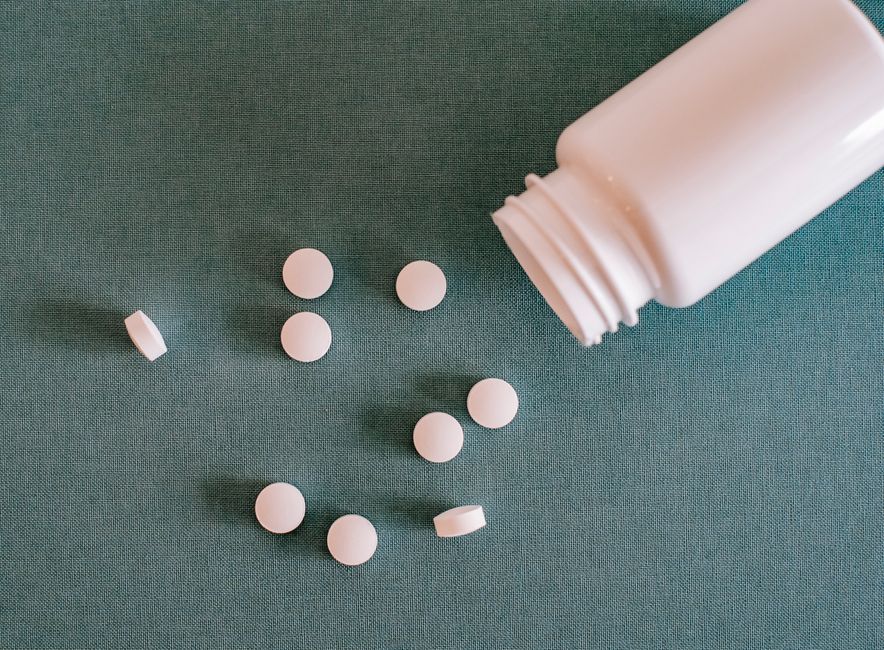
Oxycodone vs Vicodin: Which Painkiller Works Better for Pain Relief?
Oxycodone and Vicodin are both effective opioid painkillers, but they differ in potency, formulation, and risk profile, oxycodone tends to be stronger and used for more severe pain, while Vicodin combines hydrocodone with acetaminophen for moderate, short-term relief.

Oxycodone Tablets vs Capsules: What’s the Real Difference?
Oxycodone tablets and capsules contain the same active drug, but differences in release technology, absorption speed, abuse-deterrent design, and swallowability can matter a lot for safety and comfort.

Oxycodone vs Hydrocodone: Which Painkiller Is Stronger and Safer?
Oxycodone and hydrocodone are both powerful prescription opioids used for moderate to severe pain, but they differ in potency, formulation, and typical use cases, and this guide compares their strength, side effects, addiction risk, and safety considerations to help you understand which one might be right for your situation.