
Generic Phentermine 15 mg
Price range: $538.00 through $1,514.00
| Variation | Price | Quantity | Add To Cart |
|---|---|---|---|
| 360 pills | $1,514.00 |
|
Add to cart |
| 180 pills | $913.00 |
|
Add to cart |
| 90 pills | $538.00 |
|
Add to cart |
Phentermine 15 mg pill is a lower-strength capsule of phentermine hydrochloride, a prescription appetite suppressant used for short-term weight management in adults with obesity or overweight plus a weight-related health condition. Phentermine is a federally controlled Schedule IV medicine, so it can only be dispensed with a valid prescription from a licensed prescriber. This page covers who phentermine 15 mg is designed for, how the 15 mg strength compares with other doses, how to take it for the best results, the side effects to expect, and the safety checks that come with every prescription.
Key facts about phentermine 15 mg
- Generic name: phentermine hydrochloride
- Form: oral capsule, 15 mg
- Class: sympathomimetic amine (anorectic, or appetite suppressant)
- U.S. schedule: C-IV controlled substance
- Approved use: short-term add-on to diet, exercise, and behavior change for weight reduction
- Usual timing: once a day in the morning
- Prescription: required
Who Is Phentermine 15 mg For?
Phentermine is approved for adults who need help losing weight as part of a wider plan that includes reduced-calorie eating, more physical activity, and lasting habit changes. The prescribing information sets clear starting points based on body mass index (BMI). You can check your own number with the CDC’s adult BMI calculator.
| Your BMI | Possible candidate for phentermine? |
|---|---|
| 30 kg/m² or higher | Yes, if your doctor agrees it is appropriate |
| 27 to 29.9 kg/m² | Only when another risk factor is present, such as controlled high blood pressure, type 2 diabetes, or high cholesterol |
| Below 27 kg/m² | Not an approved use |
Phentermine is not meant for cosmetic weight loss, for people who only want to lose a few pounds, or for anyone under 17. The older 15 mg capsule labeling states that it is not recommended for patients 16 years of age and under.
Why a Doctor May Choose the 15 mg Strength
Phentermine is made in several strengths, and 15 mg sits at the lower end. Many prescribers like it because it allows a gentler start, or because a full 37.5 mg dose is not suitable for a particular patient. Common reasons for choosing phentermine 15 mg include:
- Sensitivity to stimulants. People who feel jittery, anxious, or wired on caffeine often tolerate a lower dose better.
- Kidney function. The current Adipex-P label limits the dose to 15 mg a day for people with severe kidney impairment (eGFR 15 to 29 mL/min/1.73 m²), and phentermine should be avoided entirely below that range or in end-stage kidney disease.
- Sleep problems. A lower morning dose is less likely to keep you awake at night.
- Older adults. Dosing in older people usually starts at the low end because heart, liver, and kidney function can be reduced.
- Enough appetite control at a lower dose. If 15 mg works, there may be no reason to take more.
Our article on why some people need less medication explains why dose needs differ so much from person to person.
Phentermine 15 mg Compared With Other Strengths
| Product or strength | Form | How it is usually taken |
|---|---|---|
| Phentermine 8 mg (Lomaira) | Tablet | Up to three times a day, about 30 minutes before meals |
| Phentermine 15 mg | Capsule | Once daily in the morning |
| Phentermine 30 mg | Capsule | Once daily in the morning |
| Phentermine 37.5 mg (including Adipex-P) | Tablet or capsule | Once daily before or 1 to 2 hours after breakfast; some patients take half a tablet |
| Phentermine / topiramate ER | Extended-release capsule | Once daily; the highest maintenance strength contains 15 mg of phentermine |
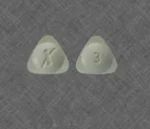
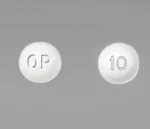
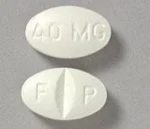
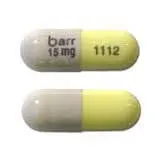
Capsule color and markings for 15 mg vary between manufacturers, so your refill may look different from your last one even when the medicine is the same. Our guides on generic medication appearance differences and why pill shapes can vary explain why. If anything looks unexpected, ask your pharmacist before taking it.
How Phentermine 15 mg Works
Phentermine belongs to a group called sympathomimetic amines. It is chemically related to amphetamine, though it is far less potent as a stimulant at prescribed doses. It acts mainly in the hypothalamus, the part of the brain that helps regulate hunger, by increasing the release of norepinephrine and, to a smaller extent, dopamine and serotonin. The result is a reduced drive to eat and a stronger sense of fullness.
Because these same chemical messengers also affect the heart and nervous system, phentermine can raise heart rate and blood pressure and can cause restlessness or trouble sleeping. If you want to understand how stimulant-type medicines act on brain chemistry more generally, our explainer on how Adderall works in the brain covers the shared basics.
Phentermine has a long half-life of roughly 20 hours, which is why a single morning capsule can blunt appetite through the whole day, and also why taking it late can disturb sleep.
How to Take Phentermine 15 mg
Always follow the directions on your prescription label. The general pattern for a 15 mg capsule looks like this:
- Take one capsule once a day, in the morning. The older 15 mg labeling suggests taking it about two hours after breakfast; your doctor may instead advise taking it before breakfast.
- Swallow the capsule whole with a glass of water.
- Avoid late-day doses. Taking phentermine in the afternoon or evening raises the chance of insomnia.
- Keep to the same time each day so the effect on your appetite stays predictable.
- Do not double up. If you miss your morning dose, skip it if it is already afternoon. Take the next dose the following morning.
- Never raise the dose yourself. The label specifically warns against exceeding the prescribed dose to try to regain the effect.
Simple routine errors, such as taking two doses on a busy morning, are among the most common mistakes people make with daily medicine. Our guide to common medication mistakes has practical ways to avoid them.
What to Expect in the First Weeks
| Timeframe | What many people notice |
|---|---|
| First 1 to 3 days | Lower appetite, dry mouth, more energy, possible trouble falling asleep |
| Week 1 to 2 | Early side effects often ease; eating smaller portions feels easier |
| Weeks 3 to 6 | Steady weight loss if diet and activity changes are in place; appetite effect may begin to fade |
| Around 12 weeks | Typical point for a doctor to review results and decide whether to continue, pause, or stop |
The prescribing information notes that tolerance to the appetite-suppressing effect usually develops within a few weeks. This is one reason phentermine is approved only for short-term use. If the effect fades, the right step is to talk to your prescriber, not to take extra capsules.
Your doctor may also ask you to keep a simple weight and food log. Many prescribers look for meaningful early weight loss in the first month as a sign that continuing makes sense.
Before You Start: Your Screening Checklist
Tell your prescriber about every item below that applies to you. These details decide whether phentermine 15 mg is safe for you.
- Any history of heart disease, including coronary artery disease, heart failure, irregular heartbeat, or stroke
- High blood pressure, even if it is currently controlled
- An overactive thyroid (hyperthyroidism)
- Glaucoma
- Kidney disease or reduced kidney function
- Diabetes, especially if you use insulin or tablets that lower blood sugar
- Anxiety, agitation, bipolar disorder, or a past eating disorder
- Past misuse of alcohol, prescription drugs, or other substances
- Pregnancy, plans to become pregnant, or breastfeeding
- All prescription medicines, over-the-counter products, and supplements, including other weight-loss products
Phentermine 15 mg Side Effects
Most side effects are mild and related to phentermine’s stimulant action. They are grouped below by the part of the body they affect.
| Body system | Possible side effects |
|---|---|
| Heart and circulation | Faster heartbeat, palpitations, higher blood pressure |
| Nervous system | Insomnia, restlessness, dizziness, tremor, headache, overstimulation |
| Mood | Irritability, euphoria followed by low mood, rarely psychotic symptoms |
| Digestive system | Dry mouth, unpleasant taste, constipation, diarrhea, upset stomach |
| Other | Hives or itching, changes in sex drive, impotence |
Some people feel energized at first and then unusually tired or flat later in the day as the effect wears off. If that happens, our articles on feeling more tired than usual and daily mood swings can help you describe the pattern to your doctor.
Tips that often help
- Drink water through the day and use sugar-free gum or lozenges for dry mouth.
- Limit caffeine, which adds to jitteriness and poor sleep.
- Eat high-fiber foods and stay active to keep bowels regular.
- Take your capsule early and keep a consistent bedtime routine.
Serious Warnings to Know
Get medical help right away if you develop new or worsening shortness of breath, chest pain, fainting, swelling in your ankles or legs, or a reduced ability to exercise. These can be signs of primary pulmonary hypertension or heart valve problems, which are rare but serious and have been reported with phentermine, especially when it was combined with other weight-loss drugs.
- Blood pressure and heart rate: phentermine can push both up. Expect your doctor to check them before you start and at follow-up visits.
- Combining weight-loss medicines: using phentermine with other weight-loss drugs, including over-the-counter or herbal products, has not been shown to be safe and is not recommended.
- Driving and machinery: phentermine can affect alertness or judgment. Know how it affects you before driving.
- Blood sugar: as you eat less and lose weight, insulin or diabetes tablets may need to be reduced to avoid low blood sugar.
Drug Interactions With Phentermine 15 mg
| Interacting substance | Why it matters |
|---|---|
| MAO inhibitors (e.g., phenelzine, selegiline) | Risk of dangerous high blood pressure; do not use phentermine during or within 14 days of an MAOI |
| Other weight-loss drugs or stimulants | Added effects on the heart and nervous system; not recommended together |
| SSRIs and other serotonin-affecting medicines | Not recommended alongside phentermine per the current label; ask your doctor |
| Alcohol | May cause unwanted reactions and undermines weight-loss goals |
| Insulin and oral diabetes medicines | Doses may need adjusting as appetite and weight drop |
| Some blood pressure medicines (adrenergic neuron blockers) | Phentermine may weaken their effect |
Detailed interaction information is available in the official phentermine labels on DailyMed and in the patient summary from MedlinePlus.
Who Should Not Take Phentermine 15 mg
Phentermine should not be used by people with:
- A history of cardiovascular disease, including coronary artery disease, stroke, arrhythmias, heart failure, or uncontrolled high blood pressure
- Hyperthyroidism
- Glaucoma
- Agitated states
- A history of drug abuse
- Current or recent (within 14 days) MAOI use
- Known allergy or unusual reaction to sympathomimetic amines
- Pregnancy, and it is not recommended while breastfeeding
Special Groups
Kidney impairment
Phentermine is cleared largely by the kidneys. For people with severe kidney impairment, the label caps the daily dose at 15 mg, which is one reason this strength is commonly prescribed in that group. It should be avoided in end-stage kidney disease or with an eGFR below 15 mL/min/1.73 m².
Older adults
Dose selection in people over 65 is usually cautious, starting at the low end of the range and accounting for other health conditions and medicines.
Pregnancy and breastfeeding
Weight loss offers no benefit during pregnancy and may harm the baby, so phentermine should be stopped if you become pregnant. It is not recommended while breastfeeding.
Teens
The 15 mg capsule labeling does not recommend use in patients 16 years and younger.
Phentermine 15 mg and Controlled-Substance Rules
Phentermine is listed in Schedule IV of the federal Controlled Substances Act. It has a lower potential for misuse than Schedule II drugs, but some risk of psychological dependence remains, especially at high doses. In practice this means:
- A valid prescription is always required. It must come from a prescriber who has assessed you.
- Refill limits apply. Under federal rules, a Schedule IV prescription can be refilled up to five times within six months of the date it was written, if the prescriber authorizes it. Our guides on prescription refills and why prescriptions expire explain how this works.
- Your fills are tracked. Pharmacies report controlled prescriptions to state monitoring databases. Learn more in our article on the prescription drug monitoring program (PDMP).
- The pharmacy will verify. Our guide on how pharmacies verify controlled prescriptions explains what the pharmacist checks.
- Never share your capsules. Giving phentermine to someone else is unsafe and illegal. See what happens if someone else takes your prescription.
Be cautious with websites offering phentermine without a consultation or prescription. The FDA’s BeSafeRx resource explains how to recognize a licensed online pharmacy.
Stopping Phentermine 15 mg
Phentermine is a short-term medicine, so your doctor will plan when to stop. Some people feel tired, hungrier, or a little low for a few days after stopping, which is a normal rebound as appetite returns. Keeping the eating and activity habits you built during treatment is the most important way to protect your results. Signs that it is time to speak with your prescriber about stopping include the effect wearing off, side effects that do not settle, or a rise in blood pressure.
Overdose Signs
Taking too much phentermine can cause restlessness, tremor, rapid breathing, confusion, aggressiveness, hallucinations, panic, a fast or irregular heartbeat, high or low blood pressure, nausea, vomiting, and in severe cases seizures or coma. Call 911 for severe symptoms. For other concerns, contact Poison Control at 1-800-222-1222 or visit poison.org.
Storage and Disposal
- Store capsules at room temperature in a tightly closed container, away from heat and moisture.
- Keep them out of reach of children and away from visitors.
- Count your capsules, as you would with any controlled medicine.
- Dispose of unused capsules through a drug take-back program or as described in the FDA’s guidance on disposing of unused medicines.
If your pharmacy runs short of your usual strength, our guide on what to do if your pharmacy is out of stock walks you through your options.
Phentermine 15 mg FAQs
Is phentermine 15 mg strong?
It is one of the lower capsule strengths. For many people it is enough to reduce appetite noticeably, and it tends to cause fewer stimulant side effects than 30 mg or 37.5 mg.
How much weight can I lose on phentermine 15 mg?
Results depend heavily on diet, activity, and how your body responds. Phentermine helps you eat less; the weight loss itself comes from the overall plan. Your doctor will usually review progress within the first few months.
How long does phentermine 15 mg last in a day?
Appetite suppression generally lasts most of the day after a morning dose, because phentermine has a half-life of around 20 hours. That long action is also why late doses can disrupt sleep.
Can I take phentermine 15 mg twice a day?
Only if your prescriber specifically tells you to. The usual direction for the 15 mg capsule is once daily in the morning. Never add a second dose on your own.
Will phentermine 15 mg show up on a drug test?
Phentermine can sometimes trigger a positive result on amphetamine screens. If you are tested, tell the tester you have a prescription and keep your pharmacy records handy.
Can I drink alcohol while taking phentermine 15 mg?
It is best avoided. Alcohol may interact with phentermine, and it adds calories that work against your weight-loss goals.
How long can I stay on phentermine 15 mg?
Phentermine on its own is approved for short-term use, generally a few weeks. Your doctor will decide how long is appropriate for you and when to reassess.
| Select Variation |
360 pills ,180 pills ,90 pills |
|---|