
Generic Phentermine 37.5 mg
Price range: $533.00 through $1,507.00
| Variation | Price | Quantity | Add To Cart |
|---|---|---|---|
| 90 pills | $533.00 |
|
Add to cart |
| 360 pills | $1,507.00 |
|
Add to cart |
| 180 pills | $908.00 |
|
Add to cart |
Phentermine 37.5 mg belongs in a monitored weight-management plan
Phentermine 37.5 mg is a prescription sympathomimetic medicine used as a short-term adjunct to a program of calorie reduction, physical activity, and behavior change for selected patients with obesity. It is not a stand-alone solution, a casual energy booster, or a medicine for cosmetic loss of a few pounds. The product labeling describes use for patients with an initial body mass index (BMI) of at least 30 kg/m², or at least 27 kg/m² when another weight-related risk factor—such as controlled hypertension, diabetes, or high cholesterol—is present. Eligibility still requires an individual medical assessment.
The 37.5 mg strength is commonly available as a tablet or capsule, but dosage form and directions matter. A prescription may call for one 37.5 mg unit in the morning or a lower amount, and some scored tablet products may permit a prescriber-directed half-tablet schedule. A capsule cannot be assumed to work the same way for splitting. Never copy a social-media plan, increase the dose to suppress more appetite, or take someone else’s medicine. The label emphasizes individualization and the lowest effective dose.
This guide explains how clinicians decide whether treatment makes sense, what monitoring should accompany it, how to use the morning dose safely, what can undermine results, and what to check when comparing phentermine 37.5 mg prices or online pharmacy service. It does not replace your prescription, a weight-management assessment, or advice from the clinician who knows your cardiovascular, metabolic, psychiatric, reproductive, and medication history.
Start with eligibility, not the checkout button
A responsible phentermine decision begins by confirming that the potential benefit outweighs the risk. BMI thresholds are only the entry point. The clinician may review weight trend, waist measurement, blood pressure, resting heart rate, cardiovascular history, diabetes status, sleep, eating pattern, pregnancy potential, current medicines, prior weight-loss attempts, substance-use history, and causes of weight gain. Thyroid disease, sleep apnea, depression, binge-eating symptoms, medications that promote weight gain, and fluid retention can require specific evaluation.
Phentermine is approved for short-term use—described in labeling as a few weeks. Some clinicians may practice differently based on evolving evidence and local standards, but any longer course is a medical decision that should include explicit monitoring and informed consent. A product page should not promise a fixed number of pounds, a guaranteed waist reduction, or “effortless” results. The medicine can reduce appetite in some patients; it does not remove the need to establish nutrition, activity, sleep, and follow-up systems that can outlast the prescription.
A pre-treatment assessment may include
- measured height, weight, BMI, waist circumference, blood pressure, and pulse;
- history of coronary disease, stroke, rhythm problems, heart failure, fainting, or uncontrolled hypertension;
- review of glaucoma, hyperthyroidism, agitation, anxiety, and past drug misuse;
- pregnancy testing or contraception discussion when relevant;
- kidney function, diabetes medicines, and other laboratory review when clinically indicated;
- a full list of stimulants, antidepressants, decongestants, weight-loss products, caffeine sources, alcohol, and supplements;
- a measurable nutrition, movement, sleep, and follow-up plan.
What phentermine does—and what it cannot do
Phentermine is chemically and pharmacologically related to amphetamines and has stimulant-like sympathomimetic activity. Its appetite-suppressing effect is thought to involve central nervous system pathways, including norepinephrine signaling. Patients may notice reduced hunger, earlier satisfaction with a planned portion, or less preoccupation with food. They may also feel more alert. That alertness is a drug effect and should not be treated as permission to skip sleep, overexercise, or combine the medicine with large amounts of caffeine.
The medicine does not selectively burn abdominal fat, prevent absorption of calories, or compensate for frequent high-calorie intake. Early scale changes can reflect water as well as body tissue. Day-to-day weight can shift with sodium, menstrual cycle, bowel movements, hydration, and measurement conditions. Progress is better evaluated with standardized weigh-ins, longer trends, waist or clothing fit when appropriate, metabolic markers, and behavior outcomes.
Appetite suppression can also fade. The label warns that tolerance to the anorectic effect may develop within a few weeks; if that happens, the recommended dose should not be exceeded in an attempt to restore the effect. The medicine should be discontinued according to the prescriber’s direction. More is not better, and escalation can increase cardiovascular and central nervous system harms.
Who should not take phentermine 37.5 mg
Phentermine is contraindicated in several situations. Do not take it if you have a history of cardiovascular disease such as coronary artery disease, stroke, arrhythmias, congestive heart failure, or uncontrolled hypertension. It is also contraindicated with hyperthyroidism, glaucoma, agitated states, a history of drug abuse, pregnancy, nursing, known hypersensitivity to sympathomimetic amines, and during or within 14 days after a monoamine oxidase inhibitor (MAOI).
Examples of MAOIs include phenelzine, tranylcypromine, isocarboxazid, and selegiline in certain formulations. Drug names can be unfamiliar, and interaction databases are more reliable than memory. Tell the prescriber about every medicine used in the previous several weeks, including an antibiotic or psychiatric medicine that was recently stopped. Combining an MAOI and phentermine can precipitate a dangerous hypertensive reaction.
Severe renal impairment also changes the dosing limits. Current labeling limits phentermine to 15 mg daily when estimated glomerular filtration rate is 15 to 29 mL/min/1.73 m² and says to avoid it when eGFR is below 15 or the patient has end-stage renal disease requiring dialysis. Therefore, 37.5 mg is not an appropriate unit for severe renal impairment. Do not infer kidney safety from normal urine output or an old laboratory result.
A realistic first-visit conversation
Ask why phentermine was selected over non-drug treatment alone or another weight-management medicine. Discuss your most important outcome: lower diabetes risk, improved mobility, preparation for surgery, better sleep-apnea control, or another health target. Agree on what progress would justify continuing during the short course and what side effects would lead to stopping. If the prescriber cannot explain monitoring, contraindications, or follow-up, do not rely on a sales page to fill the gap.
Tell the clinician if you have panic attacks, severe insomnia, bipolar disorder, an eating disorder, stimulant sensitivity, or prior misuse of prescription or illicit stimulants. These details do not invite judgment; they help prevent harm. Also discuss occupation. A commercial driver, equipment operator, shift worker, athlete subject to drug testing, or person working in high heat may need specific advice.
Useful questions to take to the appointment
- Do I meet the labeled BMI and risk criteria?
- Why is 37.5 mg—or a lower amount—the right starting choice for me?
- When should I take it, and what should I do if a morning dose is missed?
- How often should I check blood pressure, pulse, weight, sleep, and mood?
- Which caffeine, decongestant, supplement, or other stimulant products should I avoid?
- What is the planned treatment end date?
- What habits and follow-up support will continue after the medicine stops?
How to take phentermine 37.5 mg as prescribed
The usual labeled adult dose for many 37.5 mg tablet or capsule products is one unit daily before breakfast or one to two hours after breakfast, but the prescriber may choose a lower dose. Late-evening dosing should be avoided because it can cause insomnia. Follow the exact instructions on your product: dosage form, scoring, manufacturer, and patient factors can affect whether a tablet may be divided and whether food matters.
Take the dose at a consistent morning time with water. Do not take a second dose because hunger returns in the evening. Do not combine it with another prescription or nonprescription weight-loss medicine unless the treating clinician has deliberately reviewed and prescribed the combination. The label states that safety and effectiveness of combining phentermine with other weight-loss drugs, including certain serotonergic agents, have not been established and coadministration is not recommended.
If you miss a dose and the day is already well advanced, contact the pharmacist or follow the supplied missed-dose instructions. Taking it late can disrupt sleep and worsen the next day’s appetite, mood, and cardiovascular response. Never double the following morning’s dose. If several doses are missed, restarting should be discussed when there have been health or medication changes.
Build the daily plan before appetite changes
Appetite reduction is most useful when it supports a prepared eating structure. Before the first dose, decide on meal timing, protein and fiber sources, hydration, grocery availability, restaurant strategies, and a plan for social events. Eating very little all day and becoming intensely hungry at night can undermine treatment. A registered dietitian can tailor calorie reduction for diabetes, kidney disease, food allergies, culture, budget, and activity level.
Physical activity should match medical readiness. For someone previously inactive, walking and gradual resistance training may be more sustainable than a sudden high-intensity program—especially while learning how a stimulant affects pulse, heat tolerance, and hydration. Stop and obtain medical advice for chest pain, fainting, unusual shortness of breath, or a racing or irregular heartbeat.
Sleep is part of appetite regulation and safety. Establish a regular bedtime, reduce late caffeine, and report persistent insomnia instead of masking it with alcohol or a sedative. Taking a stimulant early and a sedative late can create a cycle of drug-managed wakefulness and sleep. The clinician should review the regimen rather than adding products casually.
Monitoring during a short-term course
Monitoring turns an appetite suppressant into a health intervention. Use the same scale under similar conditions and focus on weekly or multiweek trends. Record blood pressure and pulse as instructed with an appropriately sized cuff and correct technique. A single home value is not a diagnosis, but repeated changes help the clinician assess risk. Bring the device or readings to appointments if asked.
Also track sleep duration, time to fall asleep, anxiety, irritability, mood elevation, headaches, constipation, dry mouth, exercise tolerance, palpitations, and adherence. If diabetes medicines are used, calorie reduction and weight change can alter glucose levels; follow the diabetes clinician’s monitoring plan. Do not reduce insulin or another medicine without authorization.
A weekly review can ask four questions
- Benefit: Is hunger more manageable, and is the planned eating pattern easier to follow?
- Health progress: Is weight trending appropriately without dehydration or extreme restriction?
- Tolerability: Are sleep, heart rate, blood pressure, mood, and bowel function acceptable?
- Sustainability: Are habits improving, or is the plan dependent entirely on the drug sensation?
Send concerning results to the prescriber rather than changing the dose. If the medicine is not producing clinically meaningful benefit, a higher amount is not automatically the answer. The clinician can reconsider diagnosis, adherence barriers, nutrition, sleep, other medicines, or a different obesity treatment.
Common phentermine side effects
Stimulant-type effects may include dry mouth, unpleasant taste, constipation or diarrhea, restlessness, tremor, insomnia, dizziness, headache, increased blood pressure, palpitations, and faster heart rate. Some people report irritability, anxiety, euphoria, dysphoria, or changes in sexual function. Side effects vary in intensity and should be judged in the context of baseline health and the treatment goal.
For dry mouth, ask about sugar-free gum or saliva-support strategies and maintain appropriate hydration, while recognizing that excessive fluid can be inappropriate for some heart or kidney conditions. For constipation, address fiber, fluid, movement, and other medicines with a clinician or dietitian. Do not add stimulant laxatives or large doses of supplements without review.
Avoid driving or hazardous tasks until you know how the medicine affects alertness, judgment, and vision. Although some people feel more awake, stimulation can coexist with distraction, anxiety, or dizziness. Alcohol may produce an adverse interaction and can impair food decisions and sleep. Discuss whether it should be avoided completely.
Symptoms that require urgent medical attention
Stop taking the medicine and seek prompt medical assessment for new, unexplained shortness of breath; chest pain; fainting; or swelling of the legs. The label warns that these may indicate rare primary pulmonary hypertension. Serious regurgitant heart-valve disease has also been reported rarely. A product page cannot determine whether a symptom is benign; cardiovascular or breathing symptoms deserve professional evaluation.
Emergency care is appropriate for signs of stroke, heart attack, severe hypertension, dangerous agitation, hallucinations, seizure, severe allergic reaction, or overdose. Symptoms of excessive exposure may include marked restlessness, tremor, rapid breathing, confusion, aggressive behavior, hallucinations, panic, very high or low blood pressure, rhythm disturbance, vomiting, diarrhea, and abdominal cramps, followed in severe poisoning by profound fatigue or cardiovascular collapse.
New suicidal thoughts, mania-like behavior, psychosis, or behavior creating immediate danger also requires urgent help. Tell emergency clinicians exactly what was taken, the strength, time, and any combination with alcohol, caffeine, decongestants, antidepressants, or illicit substances. Do not induce vomiting unless poison specialists direct it.
Interactions and combinations to review
MAOIs are a strict contraindication within the defined 14-day window. Other important conversations involve additional stimulants, amphetamine medicines, methylphenidate, high-dose caffeine, nicotine products, stimulant-containing supplements, and decongestants such as pseudoephedrine or phenylephrine. Combined effects can increase heart rate, blood pressure, tremor, anxiety, and insomnia.
Tell the clinician about antidepressants and other serotonergic or adrenergic medicines. The phentermine label does not endorse unreviewed combination therapy. Also discuss antihypertensives, diabetes medicines, thyroid replacement, seizure medicines, and alcohol. Phentermine may reduce the effect of certain adrenergic neuron-blocking antihypertensive drugs. Rather than trying to memorize every interaction, use a pharmacist to screen the complete list.
“Natural fat burner” does not mean interaction-free. Products marketed for metabolism or workout energy may contain caffeine, synephrine, yohimbine, hidden drug analogues, or multiple stimulating ingredients. Bring the container or a photograph of the Supplement Facts panel to the appointment. If the ingredient blend hides amounts, the safest choice during prescription treatment is usually not to use it unless the clinician approves it.
Pregnancy, breastfeeding, and contraception
Phentermine is contraindicated during pregnancy because weight loss offers no benefit to a pregnant patient and may harm the fetus. Stop the medicine and contact the prescriber promptly if pregnancy occurs. Do not use it to limit expected pregnancy-related weight gain. Preconception planning should include how and when to discontinue and how weight-related conditions will be managed.
It is also contraindicated while nursing. Discuss feeding plans and the timing of any future treatment with an obstetric, primary-care, or obesity-medicine clinician. If nausea or appetite changes alter oral-contraceptive adherence, ask about a reliable backup strategy. Phentermine is not contraception and does not protect against sexually transmitted infections.
Tolerance, dependence, and Schedule IV controls
Phentermine is a federally controlled Schedule IV drug in the United States. Prescribing, refills, telehealth assessment, quantity, transfer, and state monitoring requirements may differ by jurisdiction. A legitimate pharmacy will follow those rules and may need identity verification or prescriber clarification. Delays caused by a legally required review should not be bypassed with an anonymous seller.
Prolonged high-dose use can lead to dependence, and abrupt cessation after prolonged excessive use can be followed by extreme fatigue and mental depression. Chronic intoxication can produce insomnia, irritability, personality changes, hyperactivity, or psychosis. Take only your prescribed amount, keep it securely stored, never share it, and count remaining tablets if diversion is a concern.
If you feel compelled to increase the amount, use it for energy rather than the agreed health plan, or obtain extra supplies from multiple sources, tell the clinician. Early disclosure allows safer treatment. A prescriber may stop, taper, or change the plan depending on the pattern and duration; do not design a withdrawal plan alone.
Comparing phentermine 37.5 mg prices safely
Searches such as “phentermine 37.5 mg price,” “phentermine coupon,” “buy phentermine 37.5 mg online,” and “order phentermine 37.5 mg” mix legitimate pharmacy services with unlawful sellers. Compare the same dosage form, quantity, manufacturer, and prescription directions. A 30-tablet cash price is not comparable with a 90-day quote, and controlled-substance rules may limit quantity or refills regardless of what a website advertises.
A safe online pharmacy requires a valid prescription, is licensed by the state board of pharmacy, provides a verifiable U.S. address and phone number, and gives access to a licensed pharmacist. The FDA warns against websites that sell prescription medicines without a prescription, conceal their location, offer prices that appear too good to be true, or send damaged, expired, foreign-language, or unexplained products. Verify the pharmacy in the state board database before paying.
Before ordering a refill
- Confirm that the prescriber still intends treatment to continue and that required follow-up is complete.
- Check whether the prescription is for a tablet or capsule and whether the product is scored.
- Match 37.5 mg strength, quantity, and directions exactly.
- Verify pharmacy licensure and pharmacist access.
- Ask about the total cost, shipping time, identity requirements, and controlled-substance delivery rules.
- Plan early enough that a lawful review does not lead to unsafe borrowing or abrupt changes.
Do not use a site advertising “phentermine without prescription,” “no doctor needed,” or a guaranteed approval. A lawful telehealth service still performs an actual clinical evaluation and may decide the drug is inappropriate. Payment does not guarantee a prescription. Avoid sellers offering unmarked tablets, “herbal phentermine,” international reshipping with no disclosed pharmacy, or a product labeled for research rather than human use.
Check the medicine when it arrives
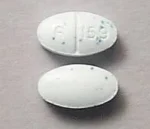
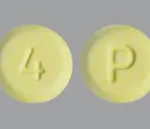
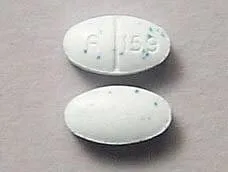
Phentermine 37.5 mg products can differ in color, shape, scoring, and imprint by manufacturer. The search term “A 159 pill” is often used for a speckled tablet presentation, but an imprint photograph is not proof of identity or authenticity. Compare the dispensing label, manufacturer, National Drug Code when supplied, imprint, dosage form, and pharmacist description. If the appearance changed, call before taking it.
The container should name the patient, medicine, strength, directions, prescriber, pharmacy, quantity, and expiration or beyond-use date. Reject broken seals, loose pills in an unlabeled packet, or products sent for another patient. Store at the labeled temperature, protected from moisture and unauthorized access. Controlled medicines should not be left in a shared bathroom, vehicle, luggage, or open kitchen cabinet.
Plan for the end of treatment from day one
A short-term drug should have an exit strategy. Identify which eating routines, shopping habits, activity schedule, sleep practices, and support appointments will remain after appetite suppression fades. Anticipate that hunger may feel stronger when treatment ends. That does not mean failure; it means the environment and behavioral plan need to carry more of the load.
At the final review, assess weight trend, waist or health markers, blood pressure, pulse, adverse effects, eating behavior, and any sign of dependence. The clinician may recommend stopping, a different obesity medicine, additional nutrition or behavioral treatment, evaluation for sleep apnea, bariatric referral, or maintenance without medication. Do not extend treatment with pills purchased outside the prescription system.
Frequently asked questions about phentermine 37.5 mg
Is 37.5 mg the standard dose for everyone?
No. Labeling says dosage should be individualized to achieve adequate response with the lowest effective dose. Some patients may be prescribed a lower amount, and 37.5 mg is inappropriate in severe renal impairment. Age, cardiovascular risk, other medicines, and tolerability matter.
When should phentermine be taken?
Many 37.5 mg products are prescribed before breakfast or one to two hours afterward. Follow your label. Late-evening use is avoided because of insomnia. Do not take a missed morning dose late without pharmacist guidance.
How much weight will I lose?
No ethical seller can guarantee a number. Response depends on starting health, calorie reduction, activity, adherence, duration, sleep, other medicines, and biology. The clinician should define a safe, meaningful target and review whether the benefits justify continued exposure.
Can I combine it with another weight-loss injection or pill?
Not on your own. The phentermine label says the safety and effectiveness of combination with other weight-loss products have not been established and coadministration is not recommended. Only a qualified prescriber should evaluate a specific combination.
Can I take caffeine with phentermine?
Caffeine can add to stimulation, palpitations, anxiety, blood-pressure effects, and insomnia. Tell the prescriber how much coffee, tea, energy drink, pre-workout, and caffeine-containing medication you use. Follow the individualized limit provided.
What if phentermine stops suppressing appetite?
Do not increase the dose. Tolerance can develop, and the labeling states the recommended amount should not be exceeded to overcome it. Contact the prescriber, who may discontinue treatment or change the strategy.
Is phentermine the same as phentermine/topiramate extended release?
No. Phentermine alone and the fixed-dose phentermine/topiramate product have different labeling, doses, risks, titration, pregnancy precautions, and duration considerations. They are not interchangeable.
Can I buy phentermine 37.5 mg online without a prescription?
No lawful pharmacy should sell it that way. It is prescription-only and Schedule IV. Use a licensed pharmacy that verifies a valid prescription and provides pharmacist access. A website promising no-prescription phentermine is a major safety warning.
Can the 37.5 mg tablet be split?
Only if the specific tablet is designed for splitting and the prescriber directs it. Capsules should not be split, and not every tablet formulation is equivalent. Ask the dispensing pharmacist to demonstrate the correct product-specific approach.
What should I do for severe chest pain or shortness of breath?
Stop taking the medicine and seek urgent medical care. New unexplained shortness of breath, chest pain, fainting, or leg swelling can signal a serious reaction and should not be managed through an online product page.
Patient-first summary
Phentermine 37.5 mg may help an eligible adult follow a calorie-reduced weight-management program for a short period, but the dose is not suitable for everyone. The strongest plan combines medical screening, morning administration exactly as prescribed, blood-pressure and pulse monitoring, sleep protection, nutrition and activity support, and a defined stop date. Cardiovascular disease, pregnancy, nursing, hyperthyroidism, glaucoma, agitation, drug-abuse history, recent MAOI use, and severe renal impairment can rule out this strength or the medicine entirely.
If you are ready to fill a valid prescription, compare equivalent products and total costs through a verifiably licensed pharmacy. Do not trade medical oversight for speed or a “no prescription” promise. Verify the medicine on arrival, store it securely, and never share it. Contact the prescriber for inadequate benefit, tolerance, insomnia, mood change, palpitations, or blood-pressure concerns; obtain urgent help for chest pain, fainting, breathing difficulty, severe psychiatric symptoms, allergic reaction, or overdose.
What to do when the scale plateaus
A plateau is not a reason to double phentermine. Weight loss commonly slows as body size, energy needs, water balance, adherence, sleep, and appetite signals change. Review the trend over several weeks rather than reacting to a few days. Check whether the same scale, time, clothing, and hydration conditions are being used. Then review meal portions, beverages, alcohol, restaurant frequency, weekend patterns, movement, constipation, menstrual cycle when relevant, and medicines that can affect weight.
If appetite suppression has clearly faded, tolerance may be developing. The product labeling specifically says not to exceed the recommended dose to overcome tolerance. Contact the prescriber. The correct decision may be to stop, reassess, or choose another evidence-based strategy. A plateau can also be an opportunity to shift attention toward blood pressure, glucose, waist, strength, mobility, sleep, and eating behavior—outcomes that matter even when the scale moves slowly.
Telehealth and refill standards for a controlled medicine
A remote appointment can be convenient, but a legitimate service still performs a meaningful clinical evaluation. Expect questions about height and weight, blood pressure and pulse, cardiovascular history, pregnancy potential, glaucoma, thyroid disease, agitation, substance use, current medicines, and prior response. The clinician may require recent measurements, records, laboratory data, or an in-person examination. A service that guarantees phentermine before reviewing contraindications is selling access rather than providing care.
Controlled-substance regulations and telemedicine rules can change, and state law may be stricter than federal rules. The prescribing clinician must be appropriately licensed for the patient’s location, and the dispensing pharmacy must be authorized to deliver there. Identity verification, prescription monitoring, quantity limits, and follow-up intervals are ordinary safeguards. Do not enter false weight, blood pressure, address, or medication information to obtain approval.
Before paying a telehealth membership, find out whether the fee covers evaluation, follow-up, medicine, laboratory work, and shipping; whether a licensed clinician can be identified; how urgent side effects are handled; and whether a prescription is refunded or the evaluation fee remains due when treatment is not appropriate. Clinical judgment should never be overridden by a refund policy or advertising claim.
After treatment: preventing rebound decisions
When appetite increases after phentermine, do not restart leftover tablets or buy an unverified supply. Return to the planned meal structure and contact the clinical team if hunger, binge eating, mood, or rapid regain becomes difficult to manage. A post-treatment review can distinguish normal appetite return from an eating disorder, medication effect, sleep problem, or an obesity-treatment plan that needs longer-term support. Sustainable care may include a dietitian, behavioral therapy, a different approved medicine, or bariatric evaluation based on eligibility and preference.
Medical references used for this guide
- DailyMed, current phentermine hydrochloride tablet and capsule prescribing information.
- U.S. Food and Drug Administration, BeSafeRx and consumer guidance for identifying safe online pharmacies.
| Select Variation |
360 pills ,180 pills ,90 pills |
|---|