
Health Tips
What to Do If Your Pharmacy Is Out of Stock: A Complete Patient Guide

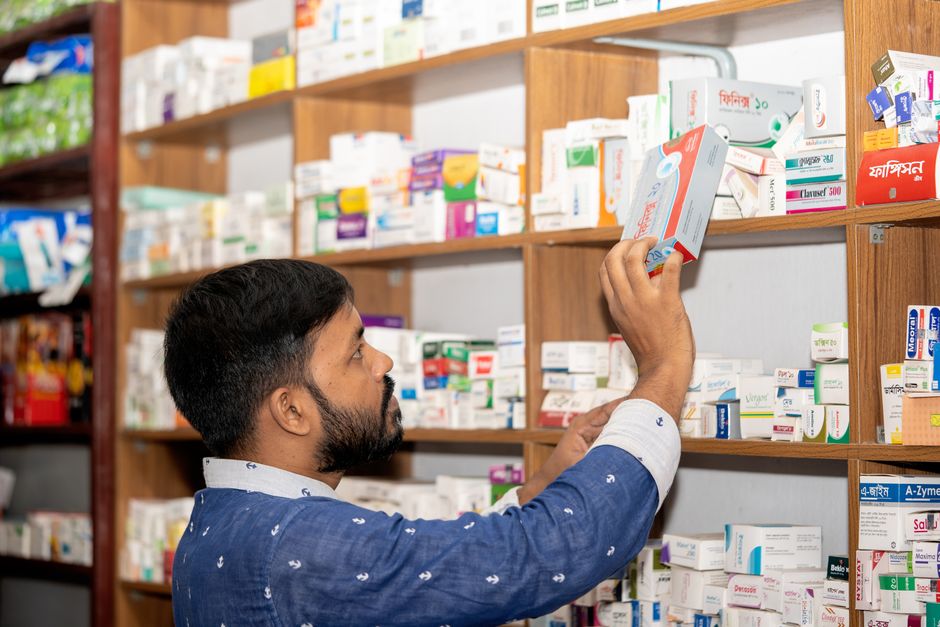
You show up at the counter, hand over your prescription, and wait for the familiar white bag. Instead, the pharmacist says, “I’m sorry, we’re out of stock.” If you’ve ever heard those words, you know the mix of frustration and worry that follows, especially if the medication treats pain, a chronic illness, or a condition that can’t wait.
Being told your pharmacy is out of stock is more common than most people realize. Drug shortages have become a near-constant issue in the United States, affecting everything from generic antibiotics to specialty pain medications. In this guide, you’ll learn exactly what to do if your pharmacy is out of stock, why shortages happen in the first place, how to protect yourself when the medication is a controlled substance, and what steps can help you avoid getting caught off guard again.
Why Pharmacies Run Out of Medication
Before jumping into solutions, it helps to understand why this happens. Pharmacies don’t run out of medication because they’re careless. Most stock-outs trace back to problems far outside the pharmacy’s control.
Manufacturing and Supply Chain Issues
Many generic drugs are produced by only a handful of manufacturers worldwide. If one factory has a quality control problem, a raw material shortage, or a regulatory shutdown, the ripple effect can hit pharmacies nationwide within weeks. According to the American Society of Health-System Pharmacists, hundreds of drugs are on active shortage lists at any given time, and the reasons range from raw ingredient scarcity to sudden spikes in demand.
Distribution and Ordering Delays
Pharmacies typically order inventory through wholesalers on a rolling basis, not in massive stockpiles. If a wholesaler is low on a particular drug, or if a pharmacy’s usual order gets bumped because of allocation limits, the shelf simply stays empty until the next shipment arrives.
Controlled Substance Quotas
For medications like oxycodone and other opioids, the situation is even more complicated. The DEA sets annual manufacturing quotas for controlled substances, which means supply can’t simply increase on demand even during a shortage. If you want to understand this in more depth, our article on pharmacy shortages and oxycodone breaks down exactly how quota limits affect patients who rely on these medications.
Sudden Demand Spikes
Sometimes a shortage isn’t about supply at all. A medication might get featured in the news, become a trending treatment, or face increased prescribing after new medical guidelines. When thousands of new patients start filling the same prescription in the same month, local pharmacies can run dry fast, even if the manufacturer isn’t technically short on product.
What to Do If Your Pharmacy Is Out of Stock
Here’s the part you actually came for. If you’re standing at the counter right now, or you just got a call saying your refill isn’t available, these are the steps that actually work.
Step 1: Ask the Pharmacist Directly What’s Going On
Don’t just accept “we’re out” as the final answer. Ask specific questions:
- Is this a temporary stock-out, or a documented national shortage?
- When is the next shipment expected?
- Is this happening at other locations of the same pharmacy chain?
- Is there a therapeutic alternative available right now?
Pharmacists deal with shortages constantly, and most have more information than they volunteer unless you ask. A pharmacist who knows the shortage is nationwide might immediately suggest a plan, while one who knows it’s a local ordering hiccup might just need a day or two to restock.
Step 2: Call Around to Other Locations
This sounds obvious, but many patients don’t do it because it feels like extra work. It’s worth the ten minutes. Call two or three other pharmacies in your area, including different chains, independent pharmacies, and grocery store pharmacies. Independent pharmacies in particular sometimes carry stock that big chains don’t, since they order from different wholesalers and often keep smaller, more specialized inventories.
If you find a pharmacy that has it in stock, ask your current pharmacy to transfer the prescription. This is a routine process and usually takes less than an hour, though controlled substances have additional verification steps we’ll cover shortly.
Step 3: Contact Your Prescriber Right Away
Your doctor’s office needs to know about the stock-out, especially if:
- You’re going to run out of medication before a substitute is found
- The medication treats a condition where stopping abruptly is dangerous (seizure medications, certain heart medications, opioids after long-term use)
- You need a new prescription written for an alternative drug or dosage
Prescribers deal with shortages regularly and often already know which alternatives insurance will approve. Call during business hours if possible, since urgent prescription requests submitted late in the day may not get processed until the next morning.
Step 4: Ask About a Partial Fill
If your pharmacy has some of the medication but not the full quantity, ask about a partial fill. Federal regulations allow pharmacies to dispense a partial quantity now and fill the remainder once new stock arrives, without requiring a brand new prescription in most cases. This is especially useful for controlled substances, where getting a new prescription written can take extra time.
Make sure the pharmacist documents the partial fill properly so your insurance doesn’t flag it as an early refill when you go back for the rest.
Step 5: Ask Your Prescriber About Therapeutic Alternatives
In many cases, there’s a different medication, dosage form, or even a different but chemically similar drug that treats the same condition. For example:
- A shortage of an extended-release tablet might be resolved by switching to an immediate-release formulation with adjusted dosing
- A brand-specific shortage might be solved by switching to a different generic manufacturer
- A specific pain medication shortage might require a temporary switch to a different opioid or non-opioid pain management approach
This decision should always be made by your prescriber, not decided on your own. Switching medications, especially controlled substances, without medical guidance can be dangerous and may also cause problems with insurance authorization.
Step 6: Check Mail-Order and Specialty Pharmacies
If your insurance plan includes a mail-order pharmacy benefit, it’s worth checking whether they have the medication in stock. Mail-order pharmacies sometimes have larger, centralized inventories that aren’t affected by the same local supply hiccups hitting your neighborhood pharmacy. The tradeoff is shipping time, so this works better as a backup plan than an emergency fix.
For specialty medications, ask your prescriber if a specialty pharmacy affiliated with your insurance or health system can fill the prescription faster.
Step 7: Use Official Shortage Trackers
You can independently verify whether a medication is in a documented national shortage using resources like the Drugs.com shortage database, which lists actively reported shortages, expected resolution timelines, and manufacturer statements. This information can help you have a more informed conversation with your pharmacist or prescriber and can also help you plan ahead if the shortage is expected to last weeks or months.
Special Considerations When the Medication Is a Controlled Substance
Stock-outs involving controlled substances, like opioids, benzodiazepines, or ADHD medications, come with extra layers of difficulty. These drugs can’t simply be transferred between pharmacies as easily as non-controlled medications in every state, and prescribers face additional verification steps before writing replacement prescriptions.
Why Controlled Substance Shortages Hit Differently
Federal quota systems limit how much of a controlled substance manufacturers can produce each year. When demand spikes or supply chain problems occur, there’s no quick fix, since production can’t simply ramp up overnight. If you or a loved one relies on oxycodone specifically, our guide on pharmacy shortages and oxycodone explains the quota system in detail and what patients can realistically expect during a shortage period.
Transfer Rules Are Stricter
Many states restrict how many times a controlled substance prescription can be transferred between pharmacies, and some don’t allow transfers for Schedule II drugs like oxycodone at all once the prescription has been partially filled. This means calling around in advance, before you’re desperate, matters even more with these medications. Our article on how pharmacies verify controlled prescriptions walks through why these extra checks exist and how they affect the timeline when you’re trying to get a prescription filled somewhere new.
Avoid Running Completely Out
Abruptly stopping certain controlled substances, particularly opioids after extended use, can cause withdrawal symptoms and, in some cases, serious medical complications. If you think you’ll run out before a shortage resolves, tell your prescriber immediately rather than waiting until the last pill is gone. Early communication gives your care team time to arrange a bridge prescription, a dosage taper plan, or an alternative medication.
Know Your Rights as a Patient
Patients sometimes feel like they’re at the mercy of the pharmacy during a shortage, but you do have rights, including the right to have your prescription information transferred and the right to a clear explanation of why a medication isn’t available. Our guide on oxycodone patient rights covers this in more detail, including what pharmacies are and aren’t allowed to do when handling controlled substance prescriptions.
How Insurance Fits Into the Shortage Problem
Shortages don’t just create supply problems, they can also create insurance headaches. If your prescriber switches you to an alternative medication or a different dosage form, your insurance plan may require a new prior authorization before covering it.
Ask About Prior Authorization Before You Need It
If your pharmacist tells you the substitute drug needs prior authorization, call your insurance company right away and ask what the prescriber’s office needs to submit. Prior authorizations can take anywhere from a few hours to several days, so starting the process immediately reduces the gap between your last dose and your next fill.
Partial Fills and Insurance Timing Rules
Insurance systems are often set up to flag early refills automatically, which can cause confusion during a partial fill situation. If your pharmacy fills half your prescription now and the rest later, make sure they note this in your record so the second half doesn’t get rejected as “too soon.” For a deeper look at how coverage decisions work for pain medications specifically, see our article on insurance coverage for oxycodone.
Formulary Substitutions
Sometimes a shortage pushes your insurance company to automatically approve an alternative medication that’s already on their formulary, which can actually speed things up. It’s still worth confirming with your pharmacist that the substitute is appropriate for your specific condition and dosage needs before you fill it.
What Pharmacists Wish Patients Knew
Pharmacists field questions about shortages every single day, and there are a few things they consistently wish patients understood.
It’s Rarely the Pharmacy’s Fault
Local pharmacies don’t control manufacturing schedules or national quotas. Getting frustrated with the pharmacy staff rarely speeds anything up, and it can make the visit more stressful for everyone involved. Pharmacists are often just as frustrated by shortages as patients are, since they’re the ones fielding the complaints without the power to fix the underlying supply problem.
Calling Ahead Saves Everyone Time
If you know a refill is coming up in the next week, call the pharmacy a few days early to confirm they have stock. This gives the pharmacy time to order more if needed and gives you time to explore alternatives before you’re actually out of medication.
Loyalty to One Pharmacy Can Work Against You During a Shortage
Sticking with the same pharmacy for years has benefits, like a consistent medication history and a pharmacist who knows your situation. However, during a shortage, being willing to check other locations, even temporarily, can save days of waiting.
Documentation Matters
When a pharmacist tells you a medication is out of stock, ask them to note it in your file or give you something in writing, even just an email or text confirmation if their system allows it. This documentation can be useful if your insurance questions a late refill or if you need proof for an employer regarding a medical delay.
How to Prevent Future Stock-Out Problems
You can’t control national drug shortages, but you can reduce how often they catch you off guard.
Refill Early, Not Just On Time
Most pharmacies allow refills a few days before the prescription technically runs out. Filling as early as your insurance allows gives you a buffer if the pharmacy is out of stock and needs a day or two to restock.
Use One Pharmacy for Prescription History, But Know Your Backups
Having a primary pharmacy is useful for tracking drug interactions and refill history, but it’s smart to know two or three backup pharmacies in your area that you could call in a pinch. Independent pharmacies, in particular, are worth getting to know, since they sometimes source medications differently than large chains.
Talk to Your Prescriber About Shortage-Prone Medications
If you take a medication that has a history of shortages, ask your prescriber directly whether there’s a backup plan already in place. Some prescribers will proactively write a prescription for an alternative dosage or formulation that you can keep on file in case the primary option becomes unavailable.
Keep a Personal Medication Log
Track your prescription numbers, pharmacy contact information, dosage, and refill dates in one place, whether that’s a notebook or a phone app. This makes it much faster to call around during a shortage instead of scrambling to find information while stressed.
Consider a 90-Day Supply When Appropriate
For stable, long-term medications, ask your prescriber and insurance about a 90-day supply instead of a 30-day supply. This isn’t appropriate for every medication, especially certain controlled substances with tighter dispensing rules, but for eligible medications it significantly reduces how often you’re vulnerable to a stock-out.
What to Do If You’re Running Out and Can’t Find the Medication Anywhere
Sometimes, despite doing everything right, you still can’t find the medication in time. Here’s what to prioritize in that situation.
Contact Your Prescriber’s Office Immediately
Explain the situation clearly: which pharmacies you’ve already checked, how much medication you have left, and when you expect to run out completely. This gives your prescriber the information needed to act quickly, whether that means calling in a bridge prescription, adjusting your dose temporarily, or coordinating with a specialty pharmacy.
Ask About Temporary Dose Adjustments
For some medications, a prescriber might be able to safely adjust your dosing schedule to stretch your remaining supply while a replacement is sourced. This should never be done without medical guidance, but it’s a legitimate option to raise with your care team.
For Pain Management Patients Specifically
If you’re managing chronic pain and facing a shortage of your prescribed medication, this is a good time to talk with your pain specialist about a broader plan, not just a one-time fix. Our article on common questions pain specialists hear covers how doctors think through these situations and what honest conversations with your care team can look like.
If You’re a Caregiver
If you’re managing medications for a parent, spouse, or other loved one, shortages can be even more stressful because you’re troubleshooting on someone else’s behalf. Our oxycodone caregiver guide includes practical tips for staying ahead of refill problems and communicating with pharmacies and prescribers on someone else’s behalf.
A Realistic Timeline: What to Expect During a Shortage
Understanding roughly how long a shortage might last can help you plan instead of panic.
Short-Term Local Stock-Outs (1 to 3 days)
These are usually caused by ordering timing issues rather than a true national shortage. A quick call to the pharmacy manager or a wait of a day or two often resolves it.
Regional Supply Disruptions (1 to 4 weeks)
These often stem from a distributor-level problem or a temporary manufacturing slowdown. Calling around to different pharmacy chains and considering mail-order options tends to work well here.
National Shortages (1 month to over a year)
These are the most serious and usually involve a documented shortage listed on tracking databases. In these cases, working closely with your prescriber on a longer-term alternative plan is far more effective than repeatedly calling pharmacies hoping for restocked shelves.
Frequently Asked Questions
What should I do first if my pharmacy tells me they’re out of stock?
Ask the pharmacist whether it’s a local or national shortage and when they expect new stock. Then call two or three other nearby pharmacies while you wait to hear back, so you’re not losing time if the wait turns out to be long.
Can a pharmacy transfer my prescription to another pharmacy if they’re out of stock?
In most cases, yes, for non-controlled medications this is a routine process. Controlled substances have stricter rules, and some states limit or prohibit transferring Schedule II medications like oxycodone once they’ve been partially filled, so check with your pharmacist about your specific medication and state.
Is it dangerous to suddenly stop taking a medication because my pharmacy is out of stock?
It can be, depending on the medication. Certain drugs, including some opioids, antidepressants, seizure medications, and blood pressure medications, can cause withdrawal symptoms or medical complications if stopped abruptly. Always contact your prescriber before going without a dose for an extended period.
How do I find out if a medication is experiencing a national shortage?
You can check public shortage tracking resources like the Drugs.com drug shortage list, which is updated regularly and includes information on expected resolution timelines and affected manufacturers.
Will my insurance still cover a substitute medication during a shortage?
Usually, but not always automatically. Some substitutes require a new prior authorization, especially if the alternative isn’t on your plan’s preferred formulary. Call your insurance company as soon as your prescriber suggests a substitute to find out what paperwork is needed.
Final Thoughts
Finding out your pharmacy is out of stock is stressful, especially when the medication treats an urgent or chronic condition. However, having a clear plan makes the situation far less overwhelming. Ask direct questions at the counter, call around before assuming the worst, loop in your prescriber early, and keep your insurance company in the loop when a substitute medication is on the table.
Shortages aren’t going away anytime soon, but knowing exactly what to do if your pharmacy is out of stock puts you back in control of a situation that otherwise feels completely out of your hands. The more proactive you are, the less likely a supply problem turns into a health problem.