
Health Tips
Safe Travel Tips While Carrying Oxycodone: A Complete Guide

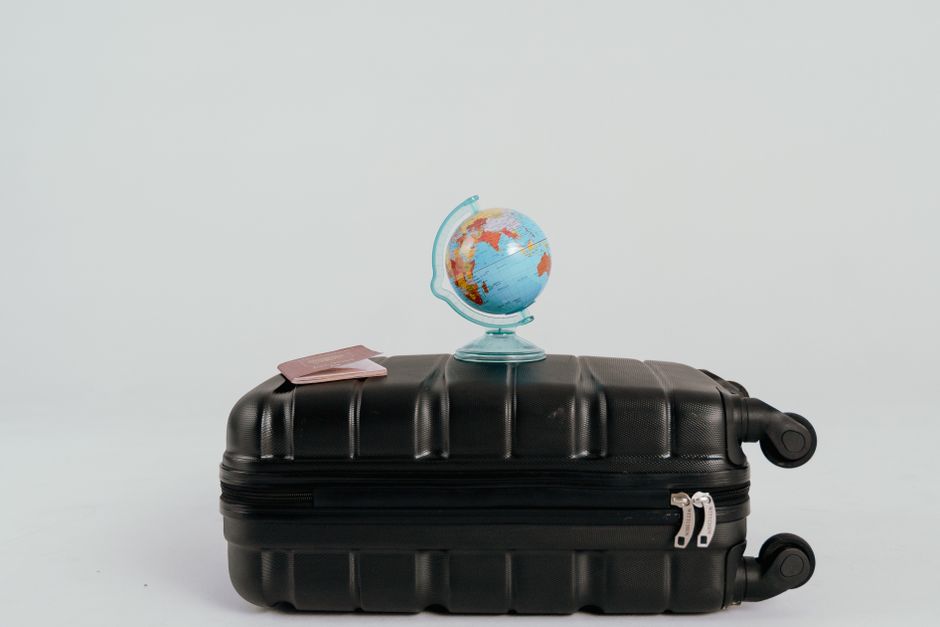
Packing for a trip is stressful enough without wondering whether your prescription painkiller will get flagged at airport security or confiscated at a foreign border. If you manage chronic pain with an opioid like oxycodone, traveling with oxycodone safely takes more planning than tossing a pill bottle into your suitcase. Rules vary by airline, state, and country, and getting it wrong can mean anything from an awkward conversation with a TSA officer to a legal problem overseas.
This guide walks through everything you need to know before you leave home: what documents to bring, how to pack your medication, what airport security actually looks for, and how to handle time zone changes, lost prescriptions, and international travel restrictions. The goal is simple: you should be able to manage your pain and enjoy your trip without unnecessary stress or risk.
Why Traveling With Oxycodone Requires Extra Planning
Oxycodone is a Schedule II controlled substance in the United States, which puts it in the same legal category as fentanyl and morphine. That classification exists because of its high potential for misuse and dependence, and it means the drug is regulated far more tightly than, say, a blood pressure medication or an antihistamine.
As a result, security agencies, airlines, and foreign governments pay closer attention to opioids than to most other prescriptions. In addition, some countries ban oxycodone outright or require special permits to bring it across the border. None of this means you can’t travel while on oxycodone. It just means you need to be organized and proactive rather than assuming your prescription bottle will explain itself.
If you’ve been on this medication for a while, it also helps to review the basics of safe use before you go. Our oxycodone safety checklist before every dose is a good refresher, especially since travel schedules can disrupt the routines that keep dosing safe and consistent.
Know the Laws Before You Pack
Laws around controlled substances differ depending on where you’re going, and ignorance is not a defense that customs officers or airport security tend to accept. Before you book anything, take time to research the specific rules for your destination.
Domestic Travel Within the United States
At the federal level, the Transportation Security Administration allows passengers to bring prescription medications, including opioids, in carry-on or checked luggage. However, TSA officers are trained to look closely at pill bottles, and individual states can have their own controlled substance laws that occasionally create friction, particularly if you’re driving through multiple states with a large quantity of pills.
Some states require that controlled substances remain in their original, pharmacy-labeled containers at all times. Even in states without that explicit requirement, keeping medication in its original bottle is the safest practice everywhere in the country.
International Travel
International travel is where things get complicated. Some countries treat oxycodone the same way the U.S. does, as a regulated but legal prescription drug. Others restrict it heavily or ban it entirely, regardless of whether you have a valid U.S. prescription.
Countries known for strict controlled substance laws include Japan, the United Arab Emirates, Singapore, and several Middle Eastern and Southeast Asian nations. In some of these places, travelers have faced fines, confiscation, or even detention for carrying opioid medications without prior authorization. Before booking international travel while on oxycodone, contact the embassy or consulate of your destination country directly to ask about their specific import rules for controlled substances.
It’s also worth checking guidance from the International Air Transport Association, which publishes general travel regulations that can point you toward country-specific medication policies.
TSA Rules for Air Travel
Flying with oxycodone is legal and common, but it helps to understand exactly what TSA officers are looking for so you’re not caught off guard at the checkpoint.
- Original containers are strongly recommended. While TSA doesn’t federally mandate that pills stay in their prescription bottles, having them in the original, labeled container makes the screening process faster and avoids questions.
- Liquid oxycodone follows different rules. Liquid medications, including oxycodone oral solutions, are allowed in carry-on bags in quantities greater than the standard 3.4-ounce limit for liquids, but you must declare them to the officer at the checkpoint.
- You do not need to declare pills at security unless asked, but it’s often easier to mention them proactively if you’re carrying a large supply.
- X-ray screening is standard. Medications, including controlled substances, will go through the X-ray machine along with your other belongings. You can request a visual inspection instead, but this may add time to your screening.
TSA officers are not law enforcement and are not there to judge your medical needs. Their job is to confirm that what’s in the bottle matches what’s on the label and that nothing poses a security threat. Staying calm, organized, and cooperative makes the process quick for everyone.
Essential Documentation to Bring
Documentation is your best defense against delays, confusion, or confiscation. At a minimum, plan to travel with the following:
- The original prescription bottle with your name, the prescribing doctor’s name, the medication name, and dosage clearly printed on the label.
- A copy of the written prescription or a printed medication list from your pharmacy or doctor’s office.
- A letter from your prescribing physician explaining your diagnosis, the medication, dosage, and the reason you need it, especially for international trips or extended travel.
- Your doctor’s contact information in case a pharmacist, security officer, or foreign official wants to verify your prescription.
- Insurance and pharmacy information in case you need an emergency refill while away from home.
A physician’s letter is particularly valuable for international travel. Some countries specifically require documentation proving medical necessity before allowing a controlled substance across the border. Ask your doctor to write the letter on official letterhead, include your diagnosis in general terms, and list the generic and brand names of the medication along with dosage and quantity.
How to Pack and Store Oxycodone Safely
How you pack your medication affects both security and your own safety on the road.
Keep It in the Original, Labeled Container
It’s tempting to consolidate pills into a small travel organizer to save space, but doing so removes the label that proves the medication is legitimately yours. If you must use a pill organizer for daily convenience, keep the original bottle with you as well, ideally in the same bag, so you can show it if questioned.
Carry-On, Not Checked Luggage
Always pack oxycodone and other essential medications in your carry-on bag rather than checked luggage. Checked bags can get lost, delayed, or rerouted, and losing a controlled substance prescription mid-trip creates a logistical headache that’s hard to solve quickly. Keeping medication with you also protects it from temperature extremes in the cargo hold, which can degrade certain formulations.
Bring More Than You Think You’ll Need, Within Reason
Pack enough medication to cover your entire trip plus a few extra days in case of flight delays or itinerary changes. However, avoid packing an excessive quantity that could raise suspicion of distribution rather than personal use. A reasonable buffer, such as three to five extra days’ worth, is generally seen as prudent rather than alarming.
Use a Secure, Discreet Storage Method
Consider a small locked pouch or medication case, particularly if you’re sharing a hotel room, staying in a hostel, or traveling with children. Discretion matters too: leaving pill bottles in plain view in a hotel room or unattended bag increases the risk of theft, since opioids are a common target.
Managing Doses Across Time Zones
Crossing time zones can throw off a medication schedule that depends on consistent spacing between doses. This matters more with oxycodone than with many other medications because taking doses too close together increases overdose risk, while spacing them too far apart can leave you in unnecessary pain.
A few practical strategies help:
- Base your schedule on elapsed hours, not clock time. If you take a dose every eight hours, keep counting in eight-hour intervals from your last dose rather than trying to force it to match a new local time immediately.
- Adjust gradually for long trips. If you’re crossing multiple time zones, shift your dosing schedule by an hour or two each day rather than all at once, similar to how you might adjust sleep schedules.
- Set phone alarms. Time zone confusion is one of the most common reasons people accidentally double up on doses or skip them. A labeled alarm removes the guesswork.
- Talk to your doctor before you go if your trip involves a significant time change, such as international travel across six or more time zones. They can help you map out a transition plan.
Because oxycodone affects alertness and coordination, especially at the start of a new dose, it also helps to avoid scheduling doses right before activities that require focus, like driving in an unfamiliar place or navigating a busy airport.
Road Trip Considerations
Driving presents its own set of concerns beyond airport security.
Never Drive Under the Influence of a New or Adjusted Dose
Oxycodone can cause drowsiness, dizziness, and slowed reaction time, particularly when you first start it, increase your dose, or combine it with other sedating substances. If you’re planning a road trip, avoid driving during the hours immediately after a dose until you know how it affects you in that new routine. If you’re experiencing any of the warning signs that should never be ignored while taking oxycodone, postpone driving altogether and seek medical guidance.
Crossing State Lines
While federal law generally protects individuals traveling with a valid prescription, state-level controlled substance laws can vary. If you’re stopped for any reason, having your prescription bottle and documentation readily accessible, rather than buried in a suitcase in the trunk, makes the interaction smoother.
Temperature Control in the Car
Medications left in a hot car can degrade quickly. Oxycodone should be stored at room temperature, so keep it in the passenger compartment rather than the trunk, and never leave it in a parked car for extended periods in extreme heat or cold.
International Travel: Extra Precautions
International trips deserve their own layer of planning given the wide variation in drug laws worldwide.
Research Before You Book
Before finalizing international travel plans, check the specific rules for every country you’ll visit, including layover countries. Even a short layover in a country with strict opioid laws can create complications if your medication is discovered during a transfer.
Consider a Doctor’s Letter and Prescription Translation
For non-English-speaking destinations, ask your doctor’s office if they can provide a version of your prescription letter translated into the local language, or at least written clearly enough that a translation app can render it accurately. Some travelers also carry a note explaining their medical condition in simple terms to show at customs if needed.
Contact the Embassy in Advance
If you’re traveling to a country with ambiguous or strict rules, reach out to that country’s embassy or consulate before your trip. Ask specifically about importing personal quantities of oxycodone with a valid prescription, and request written confirmation if possible. Keep any email responses or permits with your travel documents.
Know What Happens If You’re Questioned
If a customs official questions your medication, stay calm and provide your documentation promptly. Avoid arguing or becoming defensive. In most cases, travelers with proper prescriptions and doctor’s letters pass through without major issues, but the process can take longer in countries with stricter enforcement.
What to Do If You Lose Your Medication or Prescription While Traveling
Losing a controlled substance prescription away from home is stressful, but it’s a solvable problem if you act quickly and follow the right steps.
- Contact your prescribing doctor immediately to explain the situation and ask about next steps, including whether they can send a new prescription to a local pharmacy.
- Reach out to your home pharmacy to see if they can transfer the prescription to a pharmacy near your travel location. Our guide on oxycodone prescription transfers explains the rules and limits involved, since controlled substances can’t always be transferred as easily as other medications.
- File a police report if the medication was stolen, not just lost. Many pharmacies and insurance providers require documentation of theft before approving an early refill.
- Expect extra scrutiny. Because oxycodone is a controlled substance, pharmacies are cautious about early refills, even in legitimate emergencies. For more detail on why this happens, see our article on what to do when a pharmacy refuses to fill an oxycodone prescription.
If you’re traveling internationally and lose your medication, contact the nearest U.S. embassy or consulate, which can sometimes assist in connecting you with local medical resources, though they generally cannot provide the medication directly.
Our detailed breakdown of what to do after a lost or stolen oxycodone prescription walks through the full process step by step, including how to avoid gaps in your pain management while the situation gets sorted out.
Security Screening Tips for a Smoother Experience
A little preparation at the checkpoint goes a long way toward reducing stress and delays.
- Pack medications in an easily accessible pocket of your carry-on so you’re not digging through your entire bag if an officer asks to see them.
- Separate liquids from solids. If you’re carrying both pill and liquid forms, keep them in different, clearly labeled containers.
- Arrive early. Extra time at security means you won’t feel rushed if an officer wants to take a closer look at your medication.
- Be polite and direct. If asked about your medication, simply state that it’s a prescribed pain medication and offer your documentation without volunteering unnecessary medical details.
- Know your rights. You are not required to disclose your specific medical diagnosis to security personnel, only to verify that the medication is legitimately prescribed to you.
Hotel and Accommodation Safety
Once you’ve made it to your destination, safe storage doesn’t stop mattering.
Use the In-Room Safe
Most hotels provide an in-room safe. Store your medication there when you’re not carrying it with you, particularly in shared accommodations like hostels or vacation rentals with multiple guests.
Keep Track of Your Supply
Count your pills at the start of the trip and periodically throughout, especially if you’re staying somewhere with housekeeping staff or shared access. This isn’t about suspicion of anyone specific, it’s simply good practice given that opioids are a common target for theft, even in reputable accommodations.
Avoid Leaving Medication Visible
Keep pill bottles out of plain sight on nightstands or bathroom counters when you leave your room. A closed drawer or the room safe is a better option than an open surface.
Combining Oxycodone Safely With Travel-Related Products
Travel often means dealing with new foods, motion sickness remedies, sleep aids, or over-the-counter products you don’t normally use at home. Some of these can interact with oxycodone in ways that increase sedation or other side effects.
For example, many travelers reach for antihistamines to manage jet lag-related sleep issues or allergies, but combining sedating antihistamines with oxycodone can intensify drowsiness. Similarly, alcohol, which is common on vacations and flights, should be avoided entirely while taking oxycodone due to the risk of dangerous respiratory depression.
If you’re unsure whether a specific supplement or over-the-counter product is safe to combine with your medication, our guide on taking vitamins while on oxycodone covers general interaction principles that apply to many travel-related products as well. It’s also worth reviewing which foods and drinks to avoid while taking oxycodone, since travel dining often introduces items, like grapefruit juice or heavy alcohol pairings, that aren’t part of your usual routine.
For general guidance on opioid safety and interactions, the Mayo Clinic offers reliable, regularly updated information that’s worth reviewing before a long trip.
Managing Side Effects While Away From Home
Travel itself, think dehydration, irregular sleep, unfamiliar food, and long hours sitting on planes or in cars, can worsen some of oxycodone’s common side effects.
Dry Mouth and Dehydration
Air travel already causes dehydration, and oxycodone’s tendency to cause dry mouth compounds the problem. Bring a refillable water bottle, sip fluids regularly, and consider sugar-free gum or lozenges. Our article on why oxycodone causes dry mouth has more relief strategies that work well on the road.
Nausea From New Foods or Motion
Combining oxycodone-related nausea with motion sickness from flights, boats, or winding roads can be rough. Eating small, bland meals and staying upright for a while after eating can help. See our guide on nausea after taking oxycodone for more targeted relief tips.
Feeling Cold or Chilled
Some people on oxycodone report feeling unusually cold, which can be more noticeable in air-conditioned airports or planes. Layered clothing and a travel blanket can help manage this without needing to adjust your medication schedule. Our piece on feeling cold while taking oxycodone explains why this happens.
Headaches
Dehydration, changes in cabin pressure, and disrupted sleep can all trigger headaches that may compound any headache tendency linked to the medication itself. Our article on oxycodone and headaches outlines what’s normal and what warrants medical attention.
Emergency Preparedness While Traveling
Even with careful planning, things can go wrong. Build a small emergency plan into your trip.
- Save local emergency numbers for your destination, since 911 doesn’t work everywhere.
- Carry naloxone if recommended by your doctor. Many physicians now prescribe naloxone alongside opioid medications as a precaution, and it’s worth bringing along, especially on longer trips.
- Identify the nearest hospital or pharmacy at each destination shortly after you arrive, before you actually need one.
- Share your medication list with a travel companion or have it easily accessible on your phone in case you’re unable to communicate it yourself in an emergency.
- Wear medical identification, such as a bracelet or card, noting that you take a prescribed opioid, particularly if you have other health conditions that could complicate emergency care.
For general reference on oxycodone’s effects, dosing, and interactions, Drugs.com maintains a comprehensive, frequently updated database that’s useful to bookmark before you travel.
Special Situations Worth Planning For
Traveling With Children Present
If you’re traveling with kids, whether your own or others’, extra caution around storage is essential. Curious children are at risk of accidental ingestion, which can be fatal even in small amounts. Keep medication locked and completely out of reach at all times, not just tucked into a bag pocket.
Never take medication in front of children when possible, and don’t move pills into non-child-resistant containers for the trip.
Extended or Long-Term Travel
If you’re traveling for weeks or months rather than days, talk to your doctor well in advance about how to manage refills. Some prescribers can authorize a larger supply for extended trips, but this often requires prior approval from insurance and sometimes documentation for customs purposes if traveling abroad. Reviewing when and how oxycodone should be tapered or stopped is also useful if your trip coincides with a planned reduction in dosage under your doctor’s supervision.
Traveling for Work
Business travel often comes with unpredictable schedules, time pressure, and the temptation to skip doses to power through meetings. Resist that urge. Skipping doses to avoid drowsiness during work commitments can lead to withdrawal symptoms or breakthrough pain that affects your performance far more than a brief period of adjusted alertness would.
A Quick Pre-Trip Checklist
- Confirm you have enough medication for the full trip, plus a few extra days.
- Keep all medication in original, labeled containers.
- Pack medication in your carry-on, not checked luggage.
- Bring a copy of your prescription and a doctor’s letter, especially for international travel.
- Research destination-specific and layover-country drug laws well before departure.
- Set dosing alarms adjusted for time zone changes.
- Identify local pharmacies, hospitals, and emergency numbers at your destination.
- Store medication securely in your accommodation, using a safe when available.
- Avoid alcohol and unapproved supplements during your trip.
- Carry naloxone if your doctor has prescribed it.
Frequently Asked Questions
Can I bring oxycodone on a plane?
Yes, you can bring oxycodone on a plane in the United States as long as it’s prescribed to you. TSA allows prescription medications, including controlled substances, in carry-on and checked luggage, though carry-on is strongly recommended. Keep the medication in its original, pharmacy-labeled container and bring supporting documentation such as a copy of the prescription.
Do I need a doctor’s note to travel with oxycodone?
A doctor’s note isn’t always legally required for domestic travel, but it’s highly recommended, and it may be required for international travel to certain countries. The letter should include your name, diagnosis in general terms, medication name and dosage, and the prescribing physician’s contact information.
What countries ban oxycodone or restrict travelers from bringing it in?
Countries with strict controlled substance laws that may restrict or ban oxycodone include Japan, the United Arab Emirates, Singapore, and several other nations in Asia and the Middle East. Rules change periodically, so always confirm current regulations with the destination country’s embassy before you travel.
Should I keep my oxycodone in the original prescription bottle when traveling?
Yes. Keeping medication in its original, labeled container is the safest and most widely recommended practice for both domestic and international travel. It clearly identifies the medication as legitimately prescribed to you and speeds up any security or customs screening.
What should I do if I lose my oxycodone prescription while on a trip?
Contact your prescribing doctor and home pharmacy as soon as possible to explore transferring the prescription or arranging an emergency refill near your location. If the medication was stolen rather than lost, file a police report, since many pharmacies require this documentation before approving an early refill.
Final Thoughts
Traveling with oxycodone doesn’t have to derail your trip or create constant anxiety at every checkpoint. With the right documentation, sensible packing choices, and a clear understanding of the laws at your destination, you can manage your pain effectively while still enjoying the reason you’re traveling in the first place. Plan ahead, stay organized, and don’t hesitate to reach out to your doctor or pharmacist with questions specific to your itinerary. A little preparation goes a long way toward making sure your medication supports your trip instead of complicating it.