Generic Methadone 5 mg
Price range: $533.00 through $1,507.00
| Variation | Price | Quantity | Add To Cart |
|---|---|---|---|
| 360 pills | $1,507.00 |
|
Add to cart |
| 180 pills | $908.00 |
|
Add to cart |
| 90 pills | $533.00 |
|
Add to cart |
Methadone 5 mg is the smaller of the two standard methadone hydrochloride tablets, a prescription-only, Schedule II opioid used for long-term severe pain and, through certified treatment programs, for opioid addiction. The small tablet size gives prescribers fine control when they adjust a dose. That control matters because methadone behaves differently from most pain medicines.
The short version: Methadone is slow. It is slow to build up in the body and slow to leave it. The relief from one dose fades within hours, but the drug itself lingers for a day or more. Most of the safety rules on this page come from that gap.
| At a glance | Details |
|---|---|
| Generic name | Methadone hydrochloride tablets, USP (brand historically Dolophine) |
| Strength | 5 mg of methadone hydrochloride per tablet |
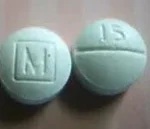
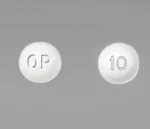
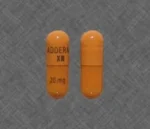
| Form and appearance | Oral tablet. One example (Aurolife): white to off-white, round, debossed “U41” on one side with a break line on the other. Imprints differ between manufacturers. |
| Schedule | Schedule II controlled substance (CII) |
| Prescription status | Prescription required; no refills allowed on CII prescriptions |
| Label uses | Severe, persistent pain needing a daily, long-term opioid when other options are inadequate; detoxification and maintenance treatment of opioid addiction (dispensed only by certified opioid treatment programs) |
| Dosing frequency for pain | Every 8 to 12 hours, per MedlinePlus; the prescriber sets the dose |
| Label revision | DailyMed label for Aurolife methadone hydrochloride tablets, revised 12/2025 |
Why methadone 5 mg tablets exist
Methadone is a synthetic, long-acting opioid. It is a full agonist at the mu-opioid receptor, the same target most strong pain medicines act on. A primer on how opioid receptors work covers this in more detail.
What sets methadone apart is pace. Because the drug builds up over several days, prescribers change the dose in small steps and then wait. A 5 mg tablet makes those small steps practical. The label tells prescribers to raise the dose no more often than every 3 to 5 days, and some patients need as long as 12 days between changes.
Prescribers take particular care with:
- Older, frail, underweight or debilitated patients. The label notes a higher risk of life-threatening breathing problems in these groups.
- People with liver disease. Methadone exposure rises after repeated doses, so lower starting doses and slow increases are advised.
- People with kidney disease. The label calls for lower starting doses, longer gaps between doses and slow titration.
- Patients switching from another opioid. This is one of the riskiest moments with methadone.
The prescriber decides the starting amount and every change after it. Some people simply need less medicine, as explained in why some patients are prescribed lower doses.
Slow to build, slow to leave: the methadone half-life
Three numbers explain most of methadone’s behavior:
- Pain relief from a single dose: about 4 to 8 hours.
- Terminal half-life: roughly 8 to 59 hours, and it varies widely from person to person.
- Peak effect on breathing: arrives later and lasts longer than peak pain relief.
The relief wears off well before the drug is gone. When the next dose arrives, some of the earlier dose is still in the body. Methadone is also stored in tissues and released slowly. The result is accumulation: blood levels keep climbing over the first several days even when the dose never changes. The label says steady state takes at least 3 to 5 days.
The first 5 days at an unchanged dose
The table below is a simplified, approximate picture. Real timing differs between people because the half-life range is so wide.
| Day | What is happening | Why it matters |
|---|---|---|
| Day 1 | The first doses are absorbed. Relief from each dose fades within hours, but much of the drug remains. | Pain relief may feel incomplete. That is expected and is not a reason to take more. |
| Day 2 | New doses add to what is left from day 1. Levels sit higher than on day 1 at the same dose. | Drowsiness can increase even though nothing changed on the prescription. |
| Day 3 | Levels are still rising toward a plateau. | MedlinePlus notes serious breathing problems are most likely in the first 24 to 72 hours of treatment. |
| Days 4–5 | Levels approach steady state in many people; some take longer. | Only now can the prescriber fairly judge the dose. The same build-up repeats after every increase. |
This is why the start of treatment and the days after each dose increase carry the highest risk. A dose that seems mild on day 1 may feel quite different by day 4. Heavy sleepiness or slowed breathing in these windows should be reported promptly.
Rules that matter more with methadone than with most pain medicines
- No extra doses. Short-lived relief does not mean the drug has left the body. Taking more when relief fades is how methadone builds to dangerous levels.
- No doubling after a missed dose. MedlinePlus advises against double doses. If the next dose is close, ask the pharmacist or prescriber before doing anything.
- Never self-convert. Swapping methadone for another opioid, or another opioid for methadone, is a job for an experienced prescriber.
- No alcohol or sedatives without approval. Combining them with methadone can cause profound sedation, breathing failure, coma or death.
- Keep naloxone at home. Household members should know where it is and how to use it.
Methadone 5 mg for pain: what the label says
The FDA-approved label for methadone hydrochloride tablets on DailyMed limits the pain use to severe and persistent pain that needs a daily opioid over an extended period, when alternatives, including immediate-release opioids, have not been adequate.
It is not meant for as-needed use. Its levels depend on regular, scheduled dosing. Starting doses for people new to opioids are low, and the prescriber sets the schedule. The CDC opioid prescribing guidance for patients gives wider context on how long-term opioid treatment is planned and reviewed.
Why converting to methadone is so delicate
The label warns that deaths have occurred when opioid-tolerant patients were switched to methadone from other opioids. Several facts explain this:
- Methadone’s strength compared with other opioids is not fixed. The relationship is nonlinear, and methadone becomes relatively stronger as the previous opioid dose gets higher.
- Conversion tables in the label work in one direction only: toward methadone. They cannot be reversed to move a patient off methadone.
- The full effect of a conversion dose may not show for several days.
- The label advises that underestimating the dose is safer than overestimating it.
For these reasons, conversion is handled by prescribers experienced with methadone, with close follow-up. Patients should never work out their own conversion. Methadone is also part of the Opioid Analgesic REMS safety program.
Methadone and QT: the heart rhythm warning
The QT interval is a measurement on an electrocardiogram (ECG) that reflects how long the heart’s lower chambers take to reset electrically between beats. Methadone can lengthen this interval. When it becomes too long, a dangerous irregular rhythm called torsades de pointes can occur. The label carries a boxed warning about this.
Cases have been reported more often at doses above 200 mg per day, but they are not limited to high doses. Most occurred in patients taking large, multiple daily doses for pain, and some occurred at maintenance doses. Risk rises with:
- Other medicines that also prolong the QT interval
- Low potassium or low magnesium in the blood
- Existing heart disease
- Higher methadone doses
Prescribers may request an ECG before treatment or during it, especially after dose changes or when risk factors are present. Patients should report fainting, a racing, pounding or irregular heartbeat, or unexplained dizziness right away.
Methadone 5 mg side effects
The label lists lightheadedness, dizziness, sedation, nausea, vomiting and sweating as the most common side effects. The MedlinePlus patient monograph on methadone also mentions headache and reduced sexual desire or erectile difficulty. Constipation is common with opioids in general.
Often settle, but worth mentioning at the next visit
- Lightheadedness or dizziness, especially when standing up
- Nausea or vomiting
- Sweating
- Mild sleepiness
- Headache
- Constipation
- Lower sex drive or erectile difficulty
Get help now
- Slow, shallow or noisy breathing, or extreme drowsiness
- Fainting, or a fast, pounding or irregular heartbeat
- Seizures
- Signs of an allergic reaction, such as swelling or trouble breathing
- Agitation, hallucinations, fever, fast heartbeat or muscle stiffness, which can signal serotonin syndrome
- Weakness, dizziness and loss of appetite together, which can point to adrenal insufficiency
- Unusual snoring or pauses in breathing during sleep
- Signs of low blood sugar, which has led to some hospital stays
- New pain, or pain triggered by light touch (hyperalgesia)
Methadone interactions
Several liver enzymes break down methadone, mainly CYP3A4, CYP2B6 and CYP2C19, with smaller roles for others. Medicines that block or speed up these enzymes can push methadone levels up or down. Prescribers and pharmacists need a complete medicine list, including supplements. A broader overview of opioid drug interactions covers the general principles.
Medicines that raise methadone levels
Enzyme inhibitors can cause methadone to build up further, raising the risk of oversedation, breathing problems and QT changes. Examples include some azole antifungals, macrolide antibiotics, certain HIV medicines and some antidepressants such as fluvoxamine. The effect may appear gradually over days.
Medicines that lower methadone levels, and what happens when they stop
Enzyme inducers such as rifampin, carbamazepine, phenytoin, phenobarbital and St. John’s wort can lower methadone levels. That can bring back pain or cause withdrawal. The less obvious danger comes later: when an inducer is stopped, methadone levels can rise. A dose that was right while the inducer was in use may become too strong.
Sedatives and alcohol
Benzodiazepines, sleep medicines, other opioids, muscle relaxants, gabapentinoids and alcohol all add to methadone’s sedating and breathing-suppressing effects. The label’s boxed warning lists profound sedation, respiratory depression, coma and death as possible outcomes of these combinations.
Heart-rhythm and potassium-lowering drugs
Other medicines that prolong the QT interval add to methadone’s heart rhythm risk. Diuretics and laxatives that lower potassium or magnesium can do the same indirectly.
Serotonergic drugs
Serotonin syndrome has been reported when methadone is used with medicines that affect serotonin, including certain antidepressants. MAO inhibitors should be avoided with methadone.
Partial agonists and mixed agonist/antagonists
Buprenorphine, butorphanol, nalbuphine and pentazocine act differently at opioid receptors. In someone taking methadone regularly, they can trigger sudden withdrawal and may also weaken pain relief. Any new clinician should be told about methadone use.
Groups that need extra care
- Older adults. Older, cachectic or debilitated patients face a higher risk of life-threatening breathing problems, so dose changes are especially cautious.
- Liver disease. Exposure rises with repeated dosing. Lower starting doses, slow titration and careful monitoring are advised. See also how liver enzymes affect opioid processing.
- Kidney disease. The label suggests lower starting doses, longer intervals between doses and slow titration.
- Pregnancy. Neonatal opioid withdrawal syndrome is expected after methadone use in pregnancy and is treatable. The body may clear methadone faster during pregnancy, so the dose or timing may need adjusting by the prescriber or treatment program. Stopping suddenly on one’s own is not advised.
- Breastfeeding. Methadone passes into breast milk, with levels peaking about 4 to 5 hours after an oral dose. Parents should watch the infant for unusual sleepiness or breathing difficulty and seek care if either appears.
Methadone overdose: signs and what to do
Signs of a possible overdose
- Pinpoint or otherwise changed pupils
- Slow, shallow or stopped breathing
- Extreme sleepiness, or no response to voice or touch
- Cool, clammy or bluish skin
- Slow heartbeat
Call 911 first. Give naloxone if it is available, then stay with the person.
Naloxone is an emergency medicine that can reverse an opioid overdose, and people without medical training can give it. The FDA’s naloxone information page explains the available products.
With methadone there is a specific catch. Methadone stays in the body far longer than most opioids, so naloxone can wear off before methadone does. A person who wakes up after naloxone can slip back into overdose later. That is why emergency care and monitoring are still needed, even when the person seems recovered. For questions about an accidental swallow or a dosing mistake when the person is awake and breathing normally, Poison Control’s online help and the Poison Help line at 1-800-222-1222 are available. Signs that call for an emergency visit are described in when an opioid side effect needs the ER.
Living with a methadone prescription
Schedule II rules
As a CII medicine, methadone cannot be refilled. Each new supply needs a new prescription from the prescriber. The rules for Schedule II prescriptions explain what this means in practice. The 2022 CDC clinical guideline on opioids for pain asks clinicians to check the state prescription drug monitoring program (PDMP) to spot risky doses or combinations. Pharmacies also take extra steps with controlled medicines, as described in how pharmacies verify controlled prescriptions.
For opioid addiction, the rules are different. Methadone for that purpose may be dispensed only by opioid treatment programs certified by SAMHSA, with narrow exceptions such as inpatient hospital care. A retail pharmacy cannot fill a methadone tablet prescription written for opioid addiction.
Storage and disposal
Tablets belong in their original, tightly closed container at room temperature, away from heat, light and moisture, and not in a bathroom. A locked box or cabinet is the safest choice. Unused tablets should go to a medicine take-back program. If none is available, methadone is on the FDA flush list. The FDA guide to disposing of unused medicines walks through each option.
Children and visitors
A single methadone tablet swallowed by a child can be fatal. Methadone is not approved for children. Practical steps for households are covered in keeping children safe around prescription opioids.
Travel
Tablets should travel in the labeled pharmacy container, and the schedule should not change unless the prescriber says so. General planning tips appear in travelling with a prescription opioid.
Tapering off methadone
People who have taken methadone regularly become physically dependent on it. Stopping abruptly can cause withdrawal and can be dangerous. The label calls for a patient-specific plan that lowers the dose gradually, typically by about 10% to 25% of the total daily dose every 2 to 4 weeks.
Withdrawal signs listed in the label include:
- Restlessness
- Watery eyes and runny nose
- Yawning
- Sweating and chills
- Muscle aches
- Enlarged pupils
Because methadone leaves the body slowly, each taper step takes time to show its full effect. Tolerance also drops during a taper, so returning to an earlier, higher dose after a break can be risky. Any return to a previous dose should go through the prescriber.
| Select Variation |
360 pills ,180 pills ,90 pills |
|---|