
Generic Rozerem 8 mg
Price range: $1,226.70 through $4,089.00
| Variation | Price | Quantity | Add To Cart |
|---|---|---|---|
| 300 pills | $4,089.00 |
|
Add to cart |
| 180 pills | $2,453.40 |
|
Add to cart |
| 240 pills | $3,271.20 |
|
Add to cart |
| 90 pills | $1,226.70 |
|
Add to cart |
Rozerem 8 mg (Ramelteon): Prescription Information for Sleep-Onset Insomnia
Rozerem 8 mg contains ramelteon, a melatonin-receptor agonist prescribed for adults with insomnia characterized by difficulty falling asleep. The current U.S. label lists one tablet strength—8 mg—and recommends 8 mg taken within 30 minutes of going to bed. The total daily dose should not exceed 8 mg. Rozerem should not be taken with or immediately after a high-fat meal because food can delay and alter absorption.
Ramelteon works differently from benzodiazepines and Z-drug hypnotics. It has high affinity for the MT1 and MT2 melatonin receptors involved in the sleep-wake cycle. Rozerem is not a federally controlled substance in the United States, but it remains prescription-only and can cause drowsiness, abnormal thinking or behavior, allergic reactions, and complex nighttime activities. “Not controlled” does not mean it is appropriate to buy without medical evaluation.
A patient searching for Rozerem 8 mg online should use a licensed prescriber and pharmacy. The consultation should confirm that the main complaint is sleep onset, screen for other causes of insomnia, review liver and breathing health, and check for fluvoxamine and other interactions. A site that offers instant no-prescription Rozerem is not providing the safeguards required for prescription treatment.
Rozerem 8 mg at a Glance
| Active ingredient | Ramelteon |
|---|---|
| Tablet strength | 8 mg |
| Approved use | Insomnia characterized by difficulty with sleep onset |
| Usual labeled timing | Within 30 minutes of going to bed |
| Labeled daily maximum | 8 mg total |
| Food instruction | Do not take with or immediately after a high-fat meal |
| Controlled status | Not federally controlled in the United States |
| Important contraindication | Do not use with fluvoxamine; do not rechallenge after ramelteon-related angioedema |
Identify the Sleep Problem Before Choosing a Sleep Medicine
Insomnia can involve difficulty falling asleep, difficulty staying asleep, waking earlier than desired, or nonrestorative sleep. Rozerem’s labeled use is specifically associated with sleep-onset difficulty. If a person falls asleep easily but wakes repeatedly, an 8 mg ramelteon prescription may not address the main issue. Accurate description prevents a product-focused conversation from replacing diagnosis.
A clinician may ask:
- How many minutes does it usually take to fall asleep?
- How many nights per week is sleep difficult, and for how many weeks or months?
- What time do you go to bed, turn out the light, and wake?
- Do you nap, work shifts, cross time zones, or use screens late at night?
- How much caffeine, nicotine, alcohol, cannabis, or other substances are used, and when?
- Do snoring, choking, pauses in breathing, restless legs, pain, reflux, hot flashes, nightmares, or frequent urination disturb sleep?
- Are depression, anxiety, mania, trauma symptoms, or recent stress present?
- Could a stimulant, decongestant, steroid, thyroid medicine, or other drug be contributing?
Sleep apnea deserves particular attention because insomnia can coexist with nighttime breathing problems. Loud snoring, witnessed pauses, gasping, morning headache, resistant hypertension, and dangerous daytime sleepiness support further evaluation. A sleep medicine should not be used to cover up a breathing disorder.
How Ramelteon Supports Sleep Onset
Melatonin is a hormone involved in signaling biological night. Ramelteon selectively binds melatonin MT1 and MT2 receptors, with relatively little affinity for many receptors associated with other sedative drugs. This mechanism helps explain why it is discussed as a sleep-onset medicine and why it is not classified as a controlled substance.
The mechanism does not guarantee immediate or complete sleep. Circadian timing, light exposure, behavior, medical conditions, and expectations still matter. Taking the tablet and then remaining under bright light, working, or scrolling through stimulating content can undermine a coherent bedtime routine. The prescription works best as part of an organized sleep plan.
Ramelteon is not over-the-counter melatonin. It is a distinct prescription drug with its own pharmacology, metabolism, warnings, and interaction profile. Do not combine the two unless the prescriber approves.
How to Take Rozerem 8 mg Correctly
Use the prescribed 8 mg dose once per night
Take one prescribed dose within 30 minutes of going to bed. The total Rozerem dose should not exceed 8 mg per day. Do not take a second tablet because sleep does not occur quickly. Do not double after a missed night.
Finish necessary activities first
Take the tablet only when you are ready for bed. Do not take it before driving home, supervising children, cooking, showering, walking outdoors, or performing any task requiring judgment and coordination. Plan to remain in bed for a full night as directed by the prescriber.
Separate it from a high-fat meal
Rozerem should not be taken with or immediately after a high-fat meal. Food can delay the time to maximum concentration and reduce peak exposure. Do not compensate for meal timing by adding another tablet. If late meals are unavoidable, ask the pharmacist how to align the prescription with the routine.
Swallow the tablet as directed
Use the dosage form according to the prescription and Medication Guide. Do not cut, crush, or combine tablets to create another strength unless the pharmacist specifically confirms the product can be handled that way and the prescriber has written the instruction.
Handle a missed dose sensibly
Because it is a bedtime medicine, do not take it at a random daytime hour. If the normal opportunity has passed, follow the pharmacist’s missed-dose guidance and resume the next scheduled night. Never use two doses within one day to catch up.
Fluvoxamine: A Combination to Avoid
Rozerem should not be used with fluvoxamine. Fluvoxamine strongly inhibits CYP1A2 and greatly increases ramelteon exposure. This is a labeled contraindication, not a minor interaction that can be managed by spacing the tablets.
Fluvoxamine may be prescribed for obsessive-compulsive disorder, depression, or anxiety-related conditions. Patients do not always recognize it as relevant to a sleep prescription. Provide the exact name and dose of every psychiatric medicine. If both appear on a medication list, contact the prescriber and pharmacist before taking Rozerem.
Other Interactions to Review
Ramelteon is metabolized mainly through CYP1A2, with CYP3A4 and CYP2C9 also contributing. Medicines that inhibit or induce these pathways can change exposure. The label describes clinically relevant considerations involving agents such as rifampin, ketoconazole, fluconazole, donepezil, and doxepin. The correct response is a professional interaction review, not a self-created timing gap.
Alcohol should not be used with Rozerem. It can add psychomotor impairment and abnormal behavior. Other sleep medicines, sedating antihistamines, benzodiazepines, opioids, antipsychotics, some antidepressants, muscle relaxants, seizure medicines, cannabis, and sedating supplements can also worsen drowsiness or impairment.
Whenever another prescriber starts or stops a medicine, tell them about ramelteon. Pharmacists should review nonprescription cold and allergy products because many contain sedating ingredients.
Next-Day Alertness and Safety-Sensitive Tasks
Ramelteon can cause drowsiness, dizziness, fatigue, or impaired coordination. Do not drive, cycle in traffic, operate machinery, work at heights, or perform safety-sensitive duties until fully awake and until you know how the medicine affects you.
Morning impairment can be influenced by dose timing, sleep duration, alcohol, other sedatives, illness, and individual metabolism. Feeling “mostly fine” is not the same as normal reaction time. Report persistent morning sedation or a near-miss accident to the prescriber.
Older adults should reduce nighttime fall hazards: clear walkways, use low lighting, keep needed items nearby, and rise slowly. These measures support safety but do not replace reassessment if dizziness or falls occur.
Abnormal Thinking, Behavior, and Complex Activities
Sleep medicines can be associated with unusual behavior. Reports with Rozerem include complex activities such as driving, eating, making phone calls, or sexual activity while not fully awake, sometimes with no memory afterward. Other possible changes include hallucinations, agitation, confusion, worsening depression, or suicidal thoughts.
Stop potentially dangerous activity and contact the prescriber immediately. Seek emergency help for injury, unsafe driving, severe confusion, psychosis, inability to awaken normally, or risk of self-harm. Household members should report events the patient cannot remember.
Do not respond by secretly lowering the dose, adding melatonin, or locking away car keys while continuing unchanged. The prescriber must reassess the medicine and underlying condition.
Severe Allergy and Angioedema
Ramelteon can cause anaphylactic or anaphylactoid reactions and angioedema involving the tongue, glottis, or larynx. Swelling can obstruct the airway and be fatal. Some reactions occur after the first dose.
Call emergency services for swelling of the face, lips, tongue, or throat; difficulty breathing or swallowing; severe hives; or collapse. Do not take another dose. Patients who develop angioedema after Rozerem should not be rechallenged.
Common Side Effects
Commonly reported adverse effects include somnolence, dizziness, fatigue, nausea, and worsening insomnia. A symptom can have several causes, so note when it occurs in relation to dosing and other medicines. Contact the prescriber if it persists, becomes severe, or interferes with daytime function.
Headache, abnormal dreams, or other symptoms may also occur. Do not treat side effects with alcohol, another sleep aid, or an unreviewed supplement. A pharmacist can check whether a nonprescription remedy is compatible.
Hormonal and Reproductive Effects
Ramelteon can affect reproductive hormones. The prescribing information notes decreased testosterone and increased prolactin in some patients. Clinical signs may include decreased libido, menstrual irregularity, fertility problems, or spontaneous milk production.
Tell the clinician about unexplained menstrual changes, breast discharge, sexual symptoms, or fertility concerns. The prescriber may consider prolactin or testosterone evaluation. Do not assume the symptom is caused by aging, stress, or insomnia without assessment.
Liver, Kidney, Lung, and Sleep-Apnea Considerations
Rozerem is not recommended in severe hepatic impairment and should be used cautiously in moderate impairment because exposure rises substantially. Disclose hepatitis, cirrhosis, abnormal liver tests, heavy alcohol use, and all interacting medicines.
No routine dose adjustment is described for renal impairment, including severe impairment, but the full medical picture still matters. Kidney disease often involves other medicines and sleep problems that need review.
Evidence in severe sleep apnea and severe chronic obstructive pulmonary disease is limited, and labeling advises against use in severe sleep apnea. Tell the prescriber about CPAP or other breathing treatment, oxygen use, COPD, asthma, and nighttime symptoms. Never replace prescribed breathing therapy with a hypnotic.
Pregnancy and Breastfeeding
Discuss pregnancy, plans for pregnancy, and breastfeeding before use. Human data may be limited, and the decision should consider the severity of insomnia, non-drug treatment, maternal health, other medicines, and potential infant exposure. Do not self-treat pregnancy-related sleep problems with a prescription obtained for someone else.
If pregnancy occurs during treatment, contact the prescriber rather than abruptly making changes. A breastfeeding plan may include infant observation and coordination with pediatric care.
Rozerem, Dependence, and Long-Term Expectations
Rozerem is not federally controlled and its clinical studies did not show the same abuse profile associated with many conventional hypnotics. Nevertheless, it should be used only as prescribed. Psychological reliance on any sleep aid can develop when a person believes sleep is impossible without it.
Ramelteon is not known for a classic withdrawal syndrome like benzodiazepines, but stopping and treatment duration should still be discussed. If insomnia returns, reassess the sleep disorder and routine rather than automatically restarting old tablets.
The medication is not expected to solve every contributor to chronic insomnia. Cognitive behavioral therapy for insomnia, consistent wake time, morning light exposure when appropriate, reduced late caffeine, and treatment of coexisting medical or mental-health problems may provide durable benefit.
A Seven-Night Sleep Log for Follow-Up
Record bedtime, dose time, approximate time to fall asleep, awakenings, final wake time, morning alertness, naps, caffeine, alcohol, late meals, and adverse effects. The log should be brief and approximate; watching the clock repeatedly can worsen insomnia.
Bring it to follow-up. A pattern of improved sleep onset but persistent awakenings may show that another problem needs attention. No benefit despite correct timing and meal separation may support reassessment. Dangerous behavior, allergy, or severe mood change should be reported immediately rather than waiting for seven nights.
How to Buy Rozerem 8 mg Online Safely
High-intent searches include “buy Rozerem 8 mg online,” “order ramelteon 8 mg,” “Rozerem 8 mg price,” “generic ramelteon delivery,” and “online prescription for Rozerem.” A legitimate pathway requires a valid prescription, pharmacy licensure, pharmacist access, and transparent product details.
Before checkout, verify:
- the prescriber is authorized to treat patients in your location;
- the pharmacy is licensed where it dispenses and ships;
- the order states ramelteon or Rozerem, 8 mg, tablet count, directions, and brand or generic status;
- a pharmacist is available to review fluvoxamine, alcohol, liver disease, sedatives, and other interactions;
- the total price includes consultation, medicine, shipping, tax, and subscription fees;
- the seller does not offer an unsupported 16 mg tablet or recommend two tablets nightly;
- the medicine arrives in a sealed, patient-labeled container with a Medication Guide; and
- the site has a clear process for recalls, delays, incorrect orders, and suspected counterfeit products.
Avoid “no prescription” sellers, anonymous marketplaces, bulk offers, claims of guaranteed sleep, and payment to an individual through cryptocurrency or gift cards. Verify U.S. pharmacies through state boards of pharmacy and use FDA safe-purchasing guidance.
Brand Rozerem Versus Generic Ramelteon 8 mg
An approved generic has the same active ingredient and strength and must meet applicable quality and bioequivalence requirements. Inactive ingredients, tablet appearance, imprint, packaging, manufacturer, and price can differ.
Ask whether the prescription permits generic substitution and whether any inactive ingredient presents an allergy concern. If a refill looks different, verify it with the pharmacy rather than using web images alone. Never take a loose or unlabeled tablet.
Understanding Rozerem 8 mg Price
Cost varies considerably by brand versus generic, quantity, pharmacy, insurance, deductible, discount, location, and shipping. Compare like with like: 8 mg tablets, same count, and clearly identified brand or generic. An advertised price may omit the telehealth visit or membership.
Ask the insurer whether ramelteon is covered, whether prior authorization or step therapy applies, and whether mail order is required. Do not replace an 8 mg prescription with melatonin or another hypnotic solely because it costs less; discuss alternatives with the clinician.
Inspecting the Delivered Medicine
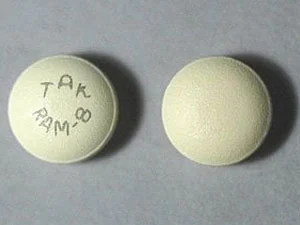
Confirm the patient name, Rozerem or ramelteon, 8 mg strength, directions, quantity, prescriber, pharmacy, manufacturer or imprint, and expiration or beyond-use date. The U.S. brand tablet is described as round, pale orange-yellow, film-coated, marked “TAK” and “RAM-8,” but approved generic appearance can differ.
Do not take the product if the seal is broken, label is incomplete, strength is not 8 mg, tablets are damaged, or appearance cannot be verified. Contact the dispensing pharmacist and preserve the package for investigation.
Storage and Disposal
Store at the conditions on the pharmacy label, protected from excess heat and moisture, in the original closed container. Keep it out of reach of children and away from people for whom it was not prescribed. Use a take-back program for unneeded tablets and remove personal information from discarded packaging.
Building a Sleep Plan Around the Prescription
Medication timing makes more sense when the rest of the sleep schedule is stable. Choose a regular wake time, including weekends when practical, because wake time helps anchor the circadian rhythm. Use morning light appropriately, avoid long or late naps, and reduce caffeine sufficiently early for individual sensitivity. A prescriber or sleep clinician can adapt these measures for shift workers, bipolar disorder, eye conditions, or other special circumstances.
Use the bed mainly for sleep and intimacy. If wakefulness becomes prolonged and frustrating, cognitive behavioral therapy for insomnia may teach a structured stimulus-control approach rather than simply remaining in bed and worrying. CBT-I also addresses unhelpful beliefs, sleep scheduling, relaxation, and relapse prevention. It is a first-line behavioral treatment for chronic insomnia and can be used with or without medication under professional guidance.
Dim evening light and reduce stimulating work near bedtime. Do not interpret “sleep hygiene” as a claim that insomnia is the patient’s fault; chronic insomnia can persist even in people with excellent habits. The purpose is to remove avoidable barriers while the clinician evaluates biological, psychological, and medical factors.
Comparing Rozerem With Other Sleep Treatments
Patients often compare Rozerem with melatonin, zolpidem, zaleplon, eszopiclone, benzodiazepines, sedating antidepressants, antihistamines, or orexin antagonists. These options differ in approved use, mechanism, controlled status, duration, interactions, next-day effects, dependence risk, and evidence. No single medicine is “best” for all insomnia.
Ramelteon’s distinctive points are its melatonin-receptor activity, sleep-onset indication, 8 mg labeled maximum, noncontrolled status, and important fluvoxamine interaction. A short-acting Z-drug may have a different risk profile, including a boxed warning for complex sleep behaviors. Antihistamines can cause anticholinergic effects and tolerance. Benzodiazepines can involve dependence, withdrawal, cognitive impairment, and falls. Those comparisons require a clinician; they are not reasons to combine agents.
If Rozerem does not help, the next step is not automatically a stronger sedative. Confirm diagnosis, timing, meal separation, adherence, circadian pattern, breathing symptoms, restless legs, mood, substances, and other medicines. A different treatment may be appropriate only after that review.
When Insomnia Needs Prompt Reassessment
Contact the clinician when insomnia persists after the advised trial, suddenly worsens, or is accompanied by new symptoms. Red flags include:
- severe daytime sleepiness while driving or working;
- snoring with choking, gasping, or witnessed breathing pauses;
- sleep loss with unusually high energy, rapid speech, impulsivity, or other possible mania;
- new depression, hopelessness, suicidal thoughts, or hallucinations;
- painful leg sensations and an irresistible urge to move at night;
- confusion, falls, memory gaps, or activities performed while not fully awake;
- unexplained weight loss, fever, breathing symptoms, or other systemic illness; and
- the need to use alcohol, cannabis, or extra medicine to sleep.
Persistent insomnia can be a marker of another condition. Reassessment may involve a sleep diary, physical examination, medication review, laboratory testing, mental-health evaluation, or sleep study. Buying another refill should not replace that evaluation.
Older Adults and Caregiver Observation
Clinical studies did not show overall differences in effectiveness or safety solely because of older age, but individual older adults may have frailty, polypharmacy, vision problems, nocturia, cognitive impairment, or fall risk. A caregiver can help organize dosing and report morning sedation, unsteadiness, confusion, or nighttime behavior.
Use one active medication list and one dosing location. Remove discontinued sleep products to prevent accidental combinations. If the patient has dementia or cannot reliably report nighttime behavior, the prescriber should consider whether safe monitoring is possible. Never administer a sedative secretly.
A fall, unexplained bruise, or morning confusion after starting Rozerem merits contact with the clinician even if the patient does not remember getting out of bed. Emergency evaluation is appropriate for head injury, inability to awaken normally, severe breathing difficulty, or focal neurologic symptoms.
Evaluating an Online Prescriber, Not Just the Pharmacy
Safe online ordering has two separate components: an appropriate prescribing encounter and lawful dispensing. The clinician should be licensed for the patient’s location, disclose identity and credentials, collect a meaningful sleep and medical history, and explain why ramelteon fits the identified insomnia pattern. Expect questions about fluvoxamine, liver disease, breathing disorders, pregnancy, alcohol, psychiatric symptoms, and other sedatives.
The service should provide follow-up and a route for urgent questions. Be wary when a questionnaire guarantees Rozerem before a clinician reviews it, offers several sleep drugs as consumer upgrades, or never asks about the type of insomnia. A legitimate clinician may decline to prescribe or recommend an in-person or sleep-medicine assessment.
Refills, Delivery Delays, and Treatment Continuity
Check the remaining supply and refill requirements before it runs out, but do not accumulate extra tablets. Confirm whether another clinical visit is needed and whether insurance requires a particular mail-order pharmacy. Save the pharmacy’s telephone number in case tracking shows a delay.
If a shipment is late, do not substitute another person’s ramelteon, double after missing nights, or buy from an unverified marketplace. Contact the pharmacy and prescriber for a lawful plan. A missed night is not corrected with a higher dose the next night.
At each refill, review whether the medicine is still needed, whether sleep onset has improved, and whether adverse effects or new interactions have appeared. A refill should be a clinical checkpoint, not an automatic recurring purchase that continues indefinitely without reassessment.
Frequently Asked Questions About Rozerem 8 mg
Is 8 mg the normal Rozerem dose?
Yes. The U.S. label recommends 8 mg within 30 minutes of going to bed, with a total daily dose not exceeding 8 mg.
Does Rozerem come in other tablet strengths?
The current U.S. brand label lists an 8 mg tablet. Verify any differently advertised strength with a licensed pharmacist before purchase.
Is Rozerem a controlled substance?
No, ramelteon is not federally controlled in the United States. It is still prescription-only and can cause important adverse effects and interactions.
Is it the same as melatonin?
No. Ramelteon is a distinct prescription melatonin-receptor agonist with specific dosing, metabolism, warnings, and evidence.
Does it help a person stay asleep?
Its labeled indication focuses on insomnia characterized by difficulty with sleep onset. Describe awakenings and early waking to the clinician because another assessment may be needed.
How soon before bed should it be taken?
The label recommends within 30 minutes of going to bed. Follow the individual prescription.
Why should it not be taken after a high-fat meal?
A high-fat meal delays absorption and alters exposure, which can interfere with the intended bedtime effect.
Can I take two 8 mg tablets?
No. The labeled total daily dose should not exceed 8 mg. Contact the prescriber if one tablet does not help.
Can it be used with fluvoxamine?
No. The combination is contraindicated because fluvoxamine greatly increases ramelteon exposure.
Can I drink alcohol?
No. Alcohol can increase impairment and abnormal behavior.
What if I miss a night?
Do not double the next dose. Resume as directed at the next appropriate bedtime.
Can Rozerem cause sleepwalking?
Complex activities while not fully awake have been reported with sleep medicines, including Rozerem. Stop and contact the prescriber for such behavior; seek emergency help if danger or injury occurs.
Can I order Rozerem 8 mg without a prescription?
No legitimate pharmacy should dispense it without a valid prescription.
Is generic ramelteon a lower-quality drug?
An approved generic must meet applicable quality and bioequivalence standards. Inactive ingredients and appearance may differ.
When should I seek emergency care?
Get emergency help for facial or throat swelling, breathing difficulty, collapse, severe confusion, dangerous nighttime behavior, immediate self-harm risk, or suspected overdose.
Patient Summary
Rozerem 8 mg is the standard labeled U.S. strength and dose for adult sleep-onset insomnia. It is taken within 30 minutes of bed, should not follow a high-fat meal, must not be combined with fluvoxamine, and should never exceed 8 mg in a day. Its noncontrolled status does not eliminate the need for diagnosis, interaction screening, and follow-up.
To order ramelteon 8 mg online, use only a licensed prescription service and pharmacy. Confirm the correct 8 mg strength, brand or generic status, final price, pharmacist access, and labeled package. Report allergy, abnormal behavior, hormone-related symptoms, severe daytime impairment, or lack of benefit.
Keep the purchase decision connected to a measurable care plan. Know how many nights the prescriber wants it used, what improvement in sleep latency would count as worthwhile, when follow-up occurs, and what happens if the main problem turns out to be repeated awakening rather than sleep onset. Record late meals and dose timing so an apparent failure is not caused by preventable administration errors. Never use a second tablet as an experiment.
Finally, protect the household: retain the patient-labeled container, use one active sleep medicine list, secure tablets from children, and dispose of discontinued products. Even though ramelteon is not federally controlled, a prescription tablet should never be shared or recommended to another person whose insomnia has not been evaluated.
Use refill questions to verify continued fit: Is falling asleep still the main complaint? Is the tablet being taken within 30 minutes of bed and away from a high-fat meal? Has fluvoxamine or another interacting medicine been added? Are morning alertness, hormones, breathing symptoms, mood, or nighttime behavior changing? A licensed pharmacist can answer product and interaction questions, while the prescriber decides whether continued treatment remains appropriate.
Medical Disclaimer
This educational product description does not diagnose insomnia, recommend Rozerem, establish a personal dose, or replace the current prescribing information, Medication Guide, prescription label, or advice from a licensed clinician or pharmacist. Availability and rules vary by country. Seek emergency help for severe reactions or overdose.
Authoritative References
| Select Variation |
300 pills ,180 pills ,240 pills ,90 pills |
|---|