
Gabapentin
Showing all 7 resultsSorted by popularity

Generic Gabapentin 1600 mg
In stock
Price range: $239.00 through $344.00
Generic Gabapentin 300 mg
In stock
Price range: $108.00 through $282.00
Generic Gabapentin 100 mg
In stock
Price range: $141.68 through $252.00
Generic Gabapentin 800 mg
In stock
Price range: $225.00 through $329.00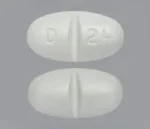
Generic Gabapentin 600 mg
In stock
Price range: $219.00 through $308.00
Generic Gabapentin 1200 mg
In stock
Price range: $231.00 through $337.00
Generic Gabapentin 400 mg
In stock
Price range: $212.00 through $297.00Gabapentin: A Complete Guide to Managing Nerve Pain and Supporting Nervous System Health
Pain is your body’s natural warning system, but not all pain develops the same way. A sprained ankle, a pulled muscle and arthritis pain usually improve as the injured tissue heals. Nerve pain (neuropathic pain) is different. It develops when nerves become damaged or begin sending abnormal signals to the brain, even when there is no ongoing injury.
Patients often describe nerve pain as burning, stabbing, electric shock-like or tingling. It may interfere with walking, sleeping, working and everyday activities. Because this type of pain behaves differently from muscle or joint pain, it often requires a different treatment approach.
Gabapentin is a prescription medication that helps calm overactive nerve activity. It is FDA-approved to treat postherpetic neuralgia (nerve pain following shingles) and as an adjunctive therapy for partial-onset seizures. Healthcare providers also prescribe gabapentin for certain other conditions when supported by clinical judgment, although these uses are considered off-label. The prescribing information includes important warnings about respiratory depression, suicidal thoughts or behavior, and the need to taper the medication rather than stopping it abruptly.
How Your Nervous System Sends Pain Signals
Your nervous system functions like a communication network connecting the brain, spinal cord and the rest of your body. Every sensation—touch, temperature, pressure and pain—is carried through specialized nerves.
Normally, pain signals appear only when the body is injured. Once healing occurs, these signals decrease. However, when nerves themselves become damaged or overly sensitive, they may continue sending pain messages long after the original problem has resolved.
The Nervous System Helps You:
- Feel temperature changes.
- Recognize pain.
- Control muscle movement.
- Maintain balance.
- Coordinate movement.
- Sense touch and pressure.
- Regulate automatic body functions.
What Is Neuropathic Pain?
Neuropathic pain is caused by abnormal nerve function rather than damage to muscles, joints or bones. The nervous system becomes overly sensitive, causing pain signals to continue even when no new injury exists.
This explains why patients sometimes experience persistent discomfort despite normal X-rays, healed wounds or the absence of visible inflammation.
Common Symptoms of Nerve Pain
- Burning sensation.
- Sharp or stabbing pain.
- Electric shock-like pain.
- Tingling or “pins and needles.”
- Numbness.
- Increased sensitivity to touch.
- Pain that worsens at night.
- Difficulty sleeping because of pain.
Common Causes of Nerve Pain
Many medical conditions can damage peripheral nerves or change the way they transmit signals.
Examples Include:
- Shingles (postherpetic neuralgia).
- Diabetic neuropathy.
- Spinal nerve compression.
- Nerve injuries after surgery.
- Chemotherapy-induced neuropathy.
- Multiple sclerosis.
- Traumatic injuries.
- Certain viral infections.
Identifying the underlying cause of neuropathic pain helps healthcare providers develop a more effective long-term treatment plan.
What Is Gabapentin?
Gabapentin is a prescription medicine that affects communication between nerve cells. Although it was originally developed as an anti-seizure medication, it has become an important treatment option for certain types of chronic nerve pain because it helps reduce abnormal nerve activity.
Unlike opioid pain medicines, gabapentin does not directly block pain signals. Instead, it works by reducing excessive nerve firing that contributes to neuropathic pain.
How Gabapentin Works
Gabapentin binds to specific calcium channel subunits in the nervous system, reducing the release of certain excitatory neurotransmitters. This helps calm overactive nerve cells and decreases abnormal pain signaling.
Because nerve pain develops differently from muscle or joint pain, this unique mechanism allows gabapentin to help conditions that often respond poorly to traditional pain relievers.
Potential Benefits of Treatment
- Reduced burning pain.
- Less tingling and numbness.
- Improved sleep interrupted by nerve pain.
- Reduced sensitivity to touch.
- Improved daily function.
- Supportive treatment for seizure disorders.
FDA-Approved Uses of Gabapentin
The U.S. Food and Drug Administration has approved gabapentin for specific medical uses.
- Postherpetic neuralgia (pain after shingles).
- Adjunctive therapy for partial-onset seizures.
These indications are supported by clinical studies and FDA-approved prescribing information.
Common Off-Label Uses
Healthcare providers sometimes prescribe gabapentin for conditions that are not FDA-approved when they determine that the potential benefits outweigh the risks. These are known as off-label uses.
Examples of Off-Label Uses
- Diabetic peripheral neuropathy.
- Fibromyalgia.
- Restless legs syndrome.
- Certain chronic neuropathic pain conditions.
- Hot flashes in selected patients.
Not every off-label use has the same level of scientific evidence. Treatment decisions should always be individualized and discussed with your healthcare provider.
Who May Benefit From Gabapentin?
Gabapentin may be considered when chronic nerve pain or partial-onset seizures significantly affect quality of life and the expected benefits outweigh the potential risks.
Before prescribing gabapentin, healthcare providers usually evaluate:
- Your diagnosis.
- Severity of symptoms.
- Kidney function.
- Current medications.
- Risk of dizziness or falls.
- Breathing disorders.
- Overall medical history.
Why Dose Titration Is Important
Gabapentin treatment usually begins with a lower dose that is gradually increased over time. This process, known as dose titration, allows your body to adjust to the medication while helping reduce side effects.
Benefits of Gradual Dose Increases
- Reduced dizziness.
- Less daytime sleepiness.
- Better treatment tolerance.
- Improved long-term safety.
- Identification of the lowest effective dose.
Never increase your dose more quickly than instructed. Following your prescribed titration schedule helps maximize treatment benefits while minimizing unwanted effects.
How to Take Gabapentin Safely
Gabapentin works best when it is taken consistently and exactly as prescribed. Unlike pain medicines that provide immediate relief, gabapentin gradually calms overactive nerve signals. Because of this, your healthcare provider may slowly increase your dose over several days or weeks until you reach the amount that provides the best balance between symptom relief and tolerability.
Do not change your dose, skip doses regularly or stop treatment without consulting your healthcare provider. Sudden changes may reduce treatment effectiveness and increase the risk of withdrawal symptoms.
Safe Medication Tips
- Take gabapentin exactly as prescribed.
- Follow your dose titration schedule.
- Take doses at the same time each day.
- Never double a missed dose.
- Do not stop treatment suddenly.
- Keep regular follow-up appointments.
Can Gabapentin Be Taken With Food?
Gabapentin may generally be taken with or without food. If stomach discomfort occurs, taking the medication with a meal or light snack may help.
Certain antacids containing aluminum or magnesium may reduce gabapentin absorption. If you use these products, ask your healthcare provider or pharmacist how to space your doses appropriately.
What If You Miss a Dose?
Missing an occasional dose may reduce the medication’s effectiveness, particularly if you are taking gabapentin several times each day.
If You Forget a Dose:
- Take it as soon as you remember if appropriate.
- Skip it if your next scheduled dose is close.
- Never take two doses together.
- Resume your normal dosing schedule.
If you miss several doses, contact your healthcare provider before restarting treatment.
Living Well With Chronic Nerve Pain
Successful nerve pain management involves more than medication alone. Healthy daily habits and treatment of the underlying condition often improve long-term outcomes.
Daily Habits That May Help
- Maintain regular physical activity.
- Stretch gently each day.
- Keep diabetes well controlled if applicable.
- Stay hydrated.
- Maintain a healthy body weight.
- Prioritize quality sleep.
- Practice stress-management techniques.
- Attend physical therapy if recommended.
Many patients find that combining medication with healthy lifestyle changes provides more consistent symptom improvement than medication alone.
Common Side Effects of Gabapentin
Like all prescription medicines, gabapentin may cause side effects. Most are mild to moderate and often improve as your body becomes accustomed to treatment.
Frequently Reported Side Effects
- Dizziness.
- Drowsiness.
- Fatigue.
- Poor coordination.
- Blurred vision.
- Swelling in the hands or feet.
- Tremor.
- Dry mouth.
- Nausea.
- Weight gain.
Tell your healthcare provider if these side effects become severe or interfere with your daily activities.
Dizziness and Fall Prevention
Dizziness is one of the most frequently reported side effects of gabapentin, particularly during the first few weeks of treatment or after dose increases.
Simple Ways to Reduce Fall Risk
- Stand up slowly after sitting or lying down.
- Use handrails when climbing stairs.
- Wear shoes with good support.
- Keep floors free from clutter.
- Use adequate lighting throughout your home.
- Ask for assistance if you feel unsteady.
Older adults may require additional precautions because balance problems can increase the risk of falls.
Can Gabapentin Affect Memory or Concentration?
Some patients notice temporary changes in thinking or concentration while adjusting to treatment.
You May Notice:
- Difficulty concentrating.
- Feeling mentally slower.
- Mild forgetfulness.
- Reduced alertness.
- Daytime sleepiness.
These effects often improve as treatment continues, but persistent symptoms should be discussed with your healthcare provider.
Respiratory Depression Warning
Gabapentin may increase the risk of serious breathing problems in certain individuals, especially when combined with opioid pain medicines or other medications that slow the central nervous system.
Your Risk May Be Higher If You:
- Take opioid medications.
- Have COPD.
- Have sleep apnea.
- Have chronic lung disease.
- Are an older adult.
- Use other sedative medications.
Seek Emergency Medical Care If You Experience:
- Slow breathing.
- Difficulty breathing.
- Extreme sleepiness.
- Blue lips or fingertips.
- Difficulty waking up.
Mood and Behavioral Changes
Gabapentin and other antiepileptic medicines may increase the risk of suicidal thoughts or behavior in a small number of patients.
Contact your healthcare provider immediately if you notice:
- New depression.
- Anxiety.
- Panic attacks.
- Irritability.
- Aggressive behavior.
- Mood changes.
- Thoughts of self-harm.
Family members and caregivers should also watch for sudden or unusual changes in mood or behavior.
Drug Interactions
Gabapentin may interact with prescription medicines, over-the-counter products and dietary supplements.
Medicines That Require Extra Caution
- Opioid pain medications.
- Sleeping pills.
- Benzodiazepines.
- Muscle relaxants.
- Sedating antihistamines.
- Alcohol.
- Antacids containing aluminum or magnesium.
Always provide your healthcare provider with an updated list of all medications, vitamins and herbal supplements before starting gabapentin.
Alcohol and Gabapentin
Alcohol may increase the sedative effects of gabapentin and make side effects more pronounced.
Combining alcohol with gabapentin may increase the risk of:
- Severe drowsiness.
- Dizziness.
- Poor coordination.
- Falls.
- Breathing problems.
- Accidental injury.
Driving and Operating Machinery
Until you know how gabapentin affects you, avoid driving, operating machinery or performing tasks that require full mental alertness.
If you continue to experience dizziness or excessive drowsiness after starting treatment, discuss these symptoms with your healthcare provider before returning to potentially hazardous activities.
When Should You Contact Your Healthcare Provider?
- Your nerve pain becomes worse.
- You develop severe dizziness.
- You experience swelling of your hands or feet.
- You notice mood or behavioral changes.
- You have breathing difficulties.
- You develop vision changes.
- You have questions about your dosage.
- You experience persistent side effects.
Regular follow-up appointments help your healthcare provider evaluate symptom improvement, adjust your dosage when necessary and ensure gabapentin continues to be a safe and effective part of your treatment plan.
Who Should Not Take Gabapentin?
Gabapentin is not the right medication for everyone. Before starting treatment, your healthcare provider will evaluate your medical history, kidney function, current medications and overall health to determine whether gabapentin is appropriate for your condition.
Do Not Take Gabapentin If You:
- Have a known allergy to gabapentin or any of its ingredients.
- Previously experienced a serious allergic reaction after taking gabapentin.
- Have been instructed by your healthcare provider to avoid gabapentin because of a previous severe adverse reaction.
If you have experienced swelling of the face, lips, tongue or throat after taking gabapentin in the past, seek immediate medical attention and inform your healthcare provider before using the medication again.
Medical Conditions to Discuss Before Starting Gabapentin
Tell your healthcare provider about every medical condition you have before beginning treatment. This information helps determine the safest dosage and monitoring plan.
Kidney Disease
Gabapentin is removed from the body almost entirely through the kidneys. Reduced kidney function may cause the medication to accumulate, increasing the likelihood of side effects.
Your healthcare provider may adjust your dosage if you have:
- Chronic kidney disease.
- Reduced kidney function.
- Kidney failure.
- Dialysis treatment.
Breathing Disorders
- Chronic obstructive pulmonary disease (COPD).
- Sleep apnea.
- Asthma.
- Other chronic respiratory conditions.
Mental Health Conditions
- Depression.
- Anxiety disorders.
- Bipolar disorder.
- History of suicidal thoughts.
- Substance use disorder.
Neurological Disorders
- History of seizures.
- Movement disorders.
- Balance problems.
- Memory impairment.
Discussing these conditions allows your healthcare provider to personalize treatment and monitor for possible complications.
Pregnancy and Gabapentin
If you are pregnant, planning pregnancy or believe you may be pregnant, discuss gabapentin treatment with your healthcare provider before taking the medication.
The decision to continue or begin gabapentin during pregnancy depends on your medical condition, expected treatment benefits and potential risks. Patients using gabapentin for seizure disorders should never stop treatment suddenly without medical supervision because uncontrolled seizures may also pose serious health risks.
Breastfeeding
Gabapentin passes into breast milk in small amounts. Before breastfeeding while taking gabapentin, discuss the following with your healthcare provider:
- Your medical condition.
- Your infant’s health.
- The expected treatment duration.
- Possible alternative treatments.
- The need for infant monitoring.
Older Adults
Older adults may be more sensitive to gabapentin, especially its effects on balance, coordination and alertness.
Healthcare providers often monitor:
- Kidney function.
- Walking stability.
- Fall risk.
- Daytime sleepiness.
- Memory and concentration.
Lower doses may be appropriate for older adults, particularly those with reduced kidney function.
Can You Stop Gabapentin Suddenly?
No. Gabapentin should generally be discontinued gradually under the supervision of your healthcare provider.
Stopping treatment abruptly may increase the risk of withdrawal symptoms. For patients taking gabapentin to help manage seizures, suddenly stopping the medication may increase seizure frequency.
Possible Withdrawal Symptoms
- Anxiety.
- Difficulty sleeping.
- Nausea.
- Sweating.
- Restlessness.
- Irritability.
- Headache.
- Return or worsening of nerve pain.
Your healthcare provider may recommend slowly reducing the dose over time to minimize withdrawal symptoms.
Signs of a Gabapentin Overdose
Taking more gabapentin than prescribed may result in a medical emergency, particularly when combined with opioids, alcohol or other medicines that depress the central nervous system.
Possible Symptoms Include:
- Extreme drowsiness.
- Double vision.
- Slurred speech.
- Poor coordination.
- Confusion.
- Difficulty breathing.
- Loss of consciousness.
- Coma.
If an overdose is suspected, call emergency medical services or your local poison center immediately.
Storage Instructions
- Store at room temperature according to the product label.
- Keep the medication in its original container.
- Protect it from excessive moisture and heat.
- Store out of the reach of children.
- Keep it away from pets.
- Do not use expired medication.
Safe Disposal
Unused gabapentin should be disposed of safely to help prevent accidental ingestion or misuse.
- Use an authorized medication take-back program when available.
- Consult your pharmacist about local disposal recommendations.
- Do not keep expired medication.
- Never share prescription medicines with another person.
Frequently Asked Questions About Gabapentin
What is gabapentin used for?
Gabapentin is FDA-approved to treat postherpetic neuralgia and as adjunctive therapy for partial-onset seizures. Healthcare providers may also prescribe it for certain off-label conditions when clinically appropriate.
Is gabapentin an opioid?
No. Gabapentin is not an opioid and works through a different mechanism within the nervous system.
How does gabapentin help nerve pain?
Gabapentin reduces abnormal nerve signaling, helping decrease neuropathic pain in appropriate patients.
Can gabapentin cause sleepiness?
Yes. Drowsiness is one of the most commonly reported side effects, especially during the first few weeks of treatment.
Can gabapentin cause dizziness?
Yes. Some patients experience dizziness, particularly when treatment begins or the dose is increased.
Can gabapentin cause weight gain?
Some individuals may experience weight gain during long-term treatment.
Can I drink alcohol while taking gabapentin?
Alcohol may increase drowsiness, dizziness and breathing-related risks. Discuss alcohol use with your healthcare provider.
Can gabapentin affect driving?
Yes. Avoid driving or operating machinery until you understand how gabapentin affects your alertness and coordination.
Does gabapentin cure nerve damage?
No. Gabapentin helps manage symptoms but does not repair damaged nerves or cure the underlying condition.
How long does gabapentin take to work?
Some patients notice improvement within several days, while others require gradual dose adjustments over several weeks before achieving maximum benefit.
Can gabapentin be used for shingles pain?
Yes. Gabapentin is FDA-approved to treat postherpetic neuralgia, which is persistent nerve pain following shingles.
Can older adults take gabapentin safely?
Yes. However, lower doses and closer monitoring may be needed because of age-related changes in kidney function and increased sensitivity to side effects.
Can gabapentin interact with other medications?
Yes. It may interact with opioids, sedatives, sleeping medications, certain antacids and other medicines. Always inform your healthcare provider about every medication you take.
Why is kidney function important during treatment?
Because the kidneys remove gabapentin from the body, reduced kidney function may require dosage adjustments to reduce the risk of side effects.
Can I take gabapentin for a long time?
Some patients require long-term treatment, while others use it for shorter periods. Your healthcare provider will regularly evaluate whether continuing therapy remains appropriate for your condition.
Healthy Habits That Support Nerve Health
Medication works best when combined with healthy daily habits that protect the nervous system and support overall wellness.
- Keep blood sugar under control if you have diabetes.
- Exercise regularly within your abilities.
- Eat a balanced diet rich in vitamins and minerals.
- Get adequate sleep every night.
- Avoid smoking.
- Limit alcohol consumption.
- Inspect your feet regularly if you have reduced sensation.
- Attend routine medical check-ups.
- Follow your complete treatment plan.
Medical Disclaimer
This content is provided for educational purposes only and should not replace professional medical advice, diagnosis or treatment.
Always consult a qualified healthcare provider before starting, stopping or changing gabapentin or any prescription medication. Treatment decisions should be based on your individual medical history, current medications and clinical evaluation.
Seek emergency medical care immediately if you experience severe allergic reactions, difficulty breathing, suspected overdose, seizures or any other life-threatening symptoms.
Medical References
- U.S. Food and Drug Administration (FDA) – Gabapentin Prescribing Information
- DailyMed – Gabapentin Capsules, Tablets and Oral Solution Prescribing Information
- MedlinePlus – Gabapentin Patient Information
- American Academy of Neurology – Neuropathic Pain Guidelines
- National Institute of Neurological Disorders and Stroke (NINDS) – Peripheral Neuropathy Resources
- Centers for Disease Control and Prevention (CDC) – Peripheral Neuropathy Information