
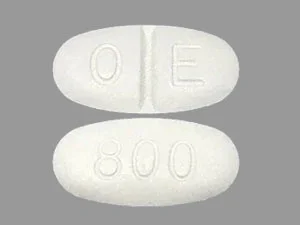
Generic Gabapentin 800 mg
Price range: $225.00 through $329.00
| Variation | Price | Quantity | Add To Cart |
|---|---|---|---|
| 90 pills | $225.00 |
|
Add to cart |
| 300 pills | $329.00 |
|
Add to cart |
| 180 pills | $282.00 |
|
Add to cart |
| 240 pills | $297.00 |
|
Add to cart |
Gabapentin 800 mg: high-strength tablet information before ordering
Gabapentin 800 mg is a recognized immediate-release prescription tablet. It contains more gabapentin in one unit than the commonly dispensed 300 mg or 600 mg products, but the larger number does not mean it is better, faster, or appropriate for more types of pain. The right strength is the one a licensed prescriber selects after considering the diagnosis, total daily plan, kidney function, adverse effects, other medicines, respiratory risk, and treatment response.
Immediate-release gabapentin is FDA approved to manage postherpetic neuralgia in adults and to serve as adjunctive therapy for partial-onset seizures in patients aged 3 years and older. Other uses may be off label and require individualized professional judgment. Gabapentin is not an opioid and should not be marketed as a cure for neuropathy or a general painkiller for every condition.
Before you buy Gabapentin 800 mg online, verify that the prescription truly calls for an 800 mg immediate-release tablet. This guide is intentionally safety led because strength-selection and duplicate-dose errors can have serious consequences. It supplements—not replaces—the prescription label, FDA Medication Guide, and counseling from your clinician and dispensing pharmacist.
Is the 800 mg product the one your prescription actually names?
Pause before checkout and read the entire order. A correct listing should identify gabapentin as the active ingredient, 800 mg per tablet, the release type, the intended tablet count, and the prescription requirement. Do not rely on a search result headline or thumbnail image.
| What to verify | Why it matters |
|---|---|
| Immediate-release tablet | Gabapentin formulations and prodrugs are not automatically interchangeable. |
| 800 mg per tablet | Confusing 800 mg with 600 mg, 300 mg, or a total daily dose can cause a medication error. |
| Current directions | Frequency is determined by the prescription, not by the product strength. |
| Correct quantity | The tablet count must align with the directions and authorized days’ supply. |
| Licensed dispensing pharmacy | Legal dispensing, authenticity, storage, counseling, and recall handling depend on a traceable pharmacy. |
| Valid prescription | Gabapentin is not an over-the-counter medicine. |
If the pharmacy proposes a different strength to make up the prescribed amount, the pharmacist should explain the substitution and issue clear directions. Do not combine tablets based on your own arithmetic.
Why an 800 mg tablet may appear in a treatment plan
The 800 mg strength can reduce the number of tablets required for some established clinician-directed regimens. That convenience does not remove the need for divided dosing where prescribed or make the tablet a safe starting choice. Current U.S. immediate-release labelling for partial-onset seizures in patients aged 12 and older discusses use of 300 mg or 400 mg capsules and 600 mg or 800 mg tablets within an individualized schedule.
For postherpetic neuralgia, the label describes gradual initiation and titration, with benefit demonstrated across a studied daily-dose range. It also notes that additional benefit above a specified daily amount was not demonstrated in those clinical studies. Patients should therefore avoid the assumption that more milligrams inevitably produce more relief.
An 800 mg tablet may be unsuitable when a patient needs smaller adjustments, has impaired renal clearance, develops dose-limiting sedation, or is taking other central nervous system depressants. Only the treating team can weigh those factors.
800 mg is a tablet strength, not a treatment recommendation
Online questions such as “Is Gabapentin 800 mg too much?” cannot be answered from the number alone. The same unit strength can be used within very different total daily plans. Safety depends on who is taking it, why it was prescribed, how often it is taken, kidney function, formulation, and what else is in the person’s system.
Do not begin with an 800 mg tablet because you previously tolerated a friend’s 300 mg capsule, because a lower strength seemed ineffective after one dose, or because the price per milligram is lower. Gabapentin treatment is often titrated, and adverse effects may emerge after accumulation or combination with other sedatives.
If a telehealth or online prescription changes you directly from a lower amount to 800 mg, ask the prescriber to explain the clinical rationale, transition directions, target benefit, and follow-up date. Clear documentation is a safety feature, not an obstacle.
Patient suitability screen before fulfillment
A pharmacy review should identify factors that can make an 800 mg tablet or the proposed regimen unsafe. Disclose the following even if another clinician already knows:
- Kidney disease, reduced estimated kidney function, dialysis, kidney transplant, or a recent acute kidney injury.
- Chronic lung disease, sleep apnea, home oxygen use, neuromuscular breathing weakness, or recent respiratory failure.
- Current opioid, benzodiazepine, sleep medicine, muscle relaxant, sedating antihistamine, antipsychotic, alcohol, or other central nervous system depressant use.
- Falls, gait instability, vertigo, fainting, double vision, or safety-sensitive employment.
- Depression, suicidal thoughts, unusual behavior changes, substance-use history, or past gabapentin misuse.
- Pregnancy, plans for pregnancy, or breastfeeding.
- All previous reactions to gabapentin and the inactive ingredients in the specific manufacturer’s tablet.
- Every seizure medicine and any recent change in seizure frequency.
A checkout questionnaire should not be answered strategically to obtain the medicine. Accurate disclosure enables a prescriber or pharmacist to prevent avoidable harm.
The most important high-strength risk: sedation plus respiratory depression
Gabapentin can cause sleepiness and dizziness on its own. When combined with opioids or other medicines that depress the central nervous system, the effects may become more severe. The FDA warns of serious, life-threatening, and fatal respiratory depression in higher-risk patients, including people using opioids, those with underlying respiratory impairment, and older adults.
Risk-relevant medicines include morphine, oxycodone, hydrocodone, codeine, methadone, buprenorphine, tramadol, opioid cough preparations, alprazolam, lorazepam, clonazepam, diazepam, prescription sleep medicines, sedating antihistamines, and some muscle relaxants. This list is illustrative, not complete. Alcohol and non-prescribed substances can add to the danger.
Call emergency services for slow, shallow, difficult, or irregular breathing; extreme lethargy; confusion; unresponsiveness; inability to wake; or blue-gray lips, fingers, or skin. Do not wait for a routine callback, drive the impaired person yourself if unsafe, or give stimulants to counteract sedation.
Kidney clearance can turn a familiar dose into excessive exposure
Gabapentin is removed mainly through the kidneys. Reduced renal function lengthens elimination, which can cause accumulation when a usual schedule is repeated. The prescribing information requires dosage adjustment in renal impairment and hemodialysis. Older patients need particular care because kidney clearance often declines with age.
An 800 mg tablet offers less flexibility than a smaller-strength unit when a reduced amount is required. Although many immediate-release 800 mg tablets are scored, splitting should occur only when the exact product and prescription support it. The label advises using the remaining half as the next dose and discarding a divided half-tablet not used within 28 days.
New marked drowsiness, confusion, tremor, slurred speech, double vision, or inability to walk steadily may indicate excessive drug effect or another urgent problem. Seek clinical advice rather than waiting for the next routine refill.
Nonlinear absorption: why milligrams are not a simple ladder
Gabapentin bioavailability decreases as the dose increases because absorption becomes less efficient. This pharmacokinetic feature is one reason patients should not assume that doubling a dose will double the benefit or that several small tablets can always be rearranged casually. Prescribers consider the total regimen and observed response rather than treating the product range as a simple strength ladder.
Do not crush, dissolve, or combine an 800 mg tablet into a homemade liquid to manipulate absorption. If swallowing is difficult or smaller adjustments are needed, ask about an appropriate commercially available formulation and clear directions. Pharmacists can check whether a scored immediate-release tablet can be divided and whether a different strength is safer.
Expected effects versus reasons to call the clinician
Common adverse effects can include dizziness, somnolence, fatigue, ataxia or unsteadiness, peripheral edema, nausea, blurred or double vision, and involuntary eye movement in some seizure-treatment populations. Some patients experience cognitive slowing or difficulty concentrating.
| Situation | Appropriate response |
|---|---|
| Mild but noticeable dizziness | Avoid driving and falls; contact the prescriber if persistent or disruptive. |
| Repeated falls, severe unsteadiness, or slurred speech | Seek prompt medical assessment. |
| Leg or foot swelling | Report it, particularly if new, worsening, or accompanied by breathing symptoms. |
| Extreme sleepiness with slow breathing | Call emergency services immediately. |
| No meaningful improvement | Arrange reassessment; do not increase the dose independently. |
| New mood or behavior changes | Contact the prescriber promptly; use emergency support for immediate danger. |
Therapeutic benefit should be measured in meaningful terms—less neuropathic pain, improved function, fewer relevant seizures—not merely feeling sedated.
Driving, work, and fall prevention
Gabapentin can impair driving and machinery operation. A patient’s ability to judge personal impairment may be imperfect. Do not drive after the first dose, after a dose increase, or when drowsy, dizzy, visually impaired, or unsteady until the prescriber’s guidance and personal response support safe activity.
Commercial drivers, machine operators, electricians, roofers, healthcare workers, and others in safety-sensitive roles should discuss duty restrictions before starting. At home, reduce fall risk by clearing walkways, improving lighting, using handrails, wearing stable footwear, and rising slowly. Older adults and people taking blood-pressure medicines may need additional precautions.
Do not use caffeine or energy products to “cancel” impairment and then drive. Feeling more awake does not guarantee restored coordination or judgment.
Allergy, DRESS, and severe skin symptoms
Gabapentin can cause anaphylaxis or angioedema at any time. Emergency signs include swelling of the face, lips, tongue, or throat; difficulty breathing or swallowing; widespread hives; faintness; or collapse. Stop taking further doses and obtain emergency care as directed by professionals.
DRESS, or multiorgan hypersensitivity, may involve fever, rash, swollen lymph nodes, facial swelling, abnormal blood findings, hepatitis, nephritis, myocarditis, or muscle inflammation. Early fever or gland swelling can appear without a rash. The condition can be life threatening and requires immediate evaluation.
Do not treat a spreading rash with an over-the-counter antihistamine and continue the 800 mg tablets without medical advice. The combination of a sedating antihistamine and gabapentin may also worsen drowsiness.
Mental-health monitoring is part of medication safety
Gabapentin and other antiepileptic medicines carry a warning about suicidal thoughts and behavior. Patients and families should watch for new or worsening depression, agitation, panic, irritability, hostility, impulsive behavior, insomnia, mania-like symptoms, isolation, preoccupation with death, or thoughts of self-harm.
Ask a trusted person to help monitor changes during initiation and adjustments. Contact the prescriber immediately when concerning behavior appears. If a person may act on self-harm or violent thoughts, call emergency or crisis services and do not leave the person alone.
This warning does not mean everyone should stop gabapentin. Untreated epilepsy and severe pain can also affect mental health. The safe response is prompt professional assessment, not abrupt self-discontinuation.
Stopping or reducing an 800 mg regimen
Abruptly stopping gabapentin can cause withdrawal symptoms and may increase seizures in people with epilepsy. Reported symptoms after sudden discontinuation include anxiety, insomnia, nausea, pain, sweating, agitation, confusion, and disorientation. Current labelling states that reduction, discontinuation, or substitution should occur gradually over at least one week, with a longer period when clinically needed.
The size of an 800 mg tablet makes improvised tapering particularly risky. Do not create a taper by breaking tablets into unverified fragments or spacing doses farther apart. A clinician may prescribe other strengths or formulations to achieve a controlled reduction.
Order refills early enough to avoid interruption, but do not stockpile from several pharmacies. If a package is lost or delayed, contact the dispensing pharmacy and prescriber for a lawful continuity plan.
Antacids, food, and formulation details
Immediate-release gabapentin may generally be taken with or without food according to the prescription. Aluminum- and magnesium-containing antacids can reduce gabapentin bioavailability. The U.S. label recommends taking gabapentin at least two hours after such an antacid. Check combination heartburn products with a pharmacist because brand names alone do not reveal every ingredient.
Do not apply instructions for immediate-release Gabapentin 800 mg to extended-release products. Horizant is gabapentin enacarbil, a prodrug, and Gralise is an extended-release gabapentin formulation; their approved uses, timing, food requirements, and release behavior differ. They are not interchangeable with immediate-release gabapentin on a milligram-for-milligram basis.
Pregnancy, breastfeeding, and family planning
Tell the clinician if you are pregnant, plan to become pregnant, or are breastfeeding. Human data have limitations, and animal studies described in labelling raise developmental concerns at certain exposures. At the same time, uncontrolled seizures and untreated conditions can pose risks. The decision requires individualized benefit-risk assessment.
Do not stop suddenly after learning about a pregnancy. Coordinate with the prescriber and prenatal team. The North American Antiepileptic Drug Pregnancy Registry monitors outcomes in people exposed to antiepileptic medicines during pregnancy and may be discussed with the clinician.
Gabapentin is present in human milk. A clinician should consider the infant, the importance of treatment to the parent, and appropriate monitoring. Online reviews cannot substitute for that assessment.
State rules and prescription status
Gabapentin is a prescription drug and is not federally scheduled under current U.S. product labelling. Some states, however, classify it as a controlled substance or require prescription-monitoring reporting. Rules affecting refills, identification, transfers, quantities, and delivery can therefore differ.
A website that claims “Gabapentin 800 mg is uncontrolled everywhere” or guarantees shipment to every state without verification should not be trusted. A licensed pharmacy will determine whether it can dispense to the patient’s location and will follow the applicable requirements.
How to buy Gabapentin 800 mg online more safely
- Obtain a valid prescription after an appropriate medical assessment.
- Verify that the pharmacy is licensed in the United States and permitted to serve your state.
- Confirm access to a licensed pharmacist by phone or secure service.
- Match the immediate-release 800 mg tablet, manufacturer where relevant, directions, quantity, and refills.
- Provide a complete medication list and allergy history.
- Compare the total price, not just the advertised per-tablet cost.
- Review delivery timing, signature requirements, temperature handling, and damaged-package policy.
- Reject offers for Gabapentin 800 mg without a prescription, bulk social-media sales, or anonymous international dispatch.
FDA online-pharmacy guidance identifies prescription requirements, state licensure, a U.S. address and telephone number, and pharmacist access as signs of a safer operation.
Comparing Gabapentin 800 mg cost without compromising safety
Gabapentin 800 mg cost varies with tablet count, manufacturer, insurance, deductible stage, location, dispensing pharmacy, and discount program. Compare identical quantities and the same immediate-release formulation. Clarify whether the price uses insurance or a cash coupon and whether delivery, dispensing, or membership charges apply.
Ask about partial fills and back orders before transferring a prescription. An incomplete supply can cause interruption, but transferring again may be restricted by state rules or insurer processing. If a specific manufacturer is needed because of allergy or tolerability, confirm availability before payment.
Do not treat “free shipping” as a reason to order more than prescribed. Never accept loose tablets, foreign-language packaging without lawful U.S. labelling, or medicine with no traceable pharmacy source.
Package inspection for an 800 mg tablet delivery
Check the shipment immediately. The pharmacy label should show the correct patient, medicine, 800 mg strength, directions, quantity, prescriber, dates, and dispensing pharmacy. The seal should be intact, the container dry, and the tablets uniform.
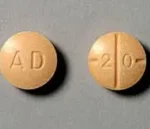
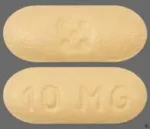
Many immediate-release 800 mg tablets are large, white or off-white, film coated, oval, and scored, but appearance and imprint vary by manufacturer. Do not use that general description to authenticate a tablet. If the delivered appearance differs from the product information or a previous refill, contact the dispensing pharmacist and provide the imprint and label details.
Quarantine suspicious medicine. Do not take a test dose, post it for crowdsourced identification, or return it to an unknown seller without preserving evidence.
Storage, security, and disposal
Store the tablets in the original labelled container at the conditions specified by the pharmacy, generally controlled room temperature away from excess heat and moisture. Keep them secured from children, pets, visitors, and anyone with a history of substance misuse. Do not leave the bottle in a car, bathroom, shared kitchen, or unmonitored bag.
Never share or sell gabapentin. Misuse and abuse have been reported, particularly among people with a history of polysubstance use. If treatment changes, take unused tablets to an authorized medication take-back location when possible. Ask a pharmacist for current disposal instructions when a take-back option is unavailable.
A home safety system for an 800 mg strength
Because one tablet contains a substantial amount, prevent errors before they occur. Keep only the current labelled bottle in the active medication area and separate it from discontinued 600 mg or 300 mg products. If a weekly organizer is used, fill it in a quiet, well-lit space from one bottle at a time. Compare each tablet with the label, close the source bottle, and record the refill date.
When a caregiver administers medicine, use a shared log with the time and initials of the person giving each dose. Verbal statements such as “I think Dad already took it” are not reliable. Avoid transferring tablets to a decorative container, pocket, or loose travel pouch where the strength can be forgotten.
Check the remaining count periodically. An unexpected shortage can signal duplicate dosing, loss, diversion, or incorrect directions; an unexpected surplus can signal missed doses. Discuss discrepancies with the pharmacist or prescriber without shame. Concealing them increases risk.
Product appearance cannot prove authenticity
Different approved generic manufacturers may use different shapes, imprints, excipients, and packaging. A scored white oval tablet is a broad description, not a unique identity. Counterfeit or incorrect tablets can also copy color and shape. The dispensing label, manufacturer information, National Drug Code, imprint, pharmacy record, and intact supply chain together provide stronger verification.
If the tablet appearance changes, contact the pharmacy before taking it. Ask whether the manufacturer changed and whether the inactive ingredients are suitable for your allergy history. Do not use a general pill-identifier page as the final answer, and never buy loose tablets whose identity rests on a photograph or seller message.
What a follow-up appointment should cover
A useful review goes beyond “continue the same dose.” Bring the target-symptom record, fall or near-fall history, sleepiness pattern, swelling, vision symptoms, mood changes, and current medication list. Ask whether kidney function should be retested and whether the 800 mg unit still offers an advantage over a more flexible strength.
The clinician should also know about emergency visits, new oxygen or sleep-apnea treatment, opioid prescriptions, alcohol changes, pregnancy plans, and any missed or extra doses. Agree on the next review date and on the circumstances that should trigger earlier contact.
If the 800 mg tablet feels too strong
Severe sleepiness, dizziness, poor coordination, or cognitive slowing should not be managed by secretly taking half, skipping alternate doses, or moving every dose to bedtime. Those changes can produce uneven exposure, undermine seizure control, and create withdrawal symptoms. Contact the prescriber and describe when symptoms began, how they relate to each dose, and whether another sedative or kidney-health change is involved.
The clinician may review the diagnosis, total daily amount, titration rate, unit strength, schedule, renal function, and interacting medicines. A smaller unit can provide flexibility, but any switch must preserve the intended formulation and clear directions. If the tablet is scored, that does not authorize self-reduction.
Extreme sleepiness accompanied by slow or difficult breathing, confusion, blue-gray skin, or inability to wake is an emergency rather than a routine dose-tolerance problem.
Nutrition, hydration, and illness do not justify self-adjustment
Immediate-release gabapentin can generally be taken with or without food, but consistency may help a patient remember the schedule. Vomiting, diarrhea, dehydration, or acute illness can affect medication tolerance and kidney function. Contact a clinician for advice when illness prevents normal dosing or causes marked weakness or confusion.
Do not repeat a tablet automatically after vomiting; whether it was absorbed is uncertain. Do not take extra gabapentin for pain during fever or illness. If emergency care is needed, bring the labelled container and tell the team the last confirmed dose.
Large-tablet swallowing safety
An 800 mg tablet may be difficult for some patients to swallow. Do not crush it, hide fragments in food, or dissolve it without product-specific pharmacist advice. Ask the prescriber about an appropriate smaller strength, capsule, or liquid if needed. Difficulty swallowing caused by sudden facial or throat swelling is an emergency and may represent angioedema.
Missed dose and overdose planning
Ask the pharmacist what to do for a missed dose under the exact schedule. General immediate-release guidance says to take it when remembered unless it is near the next dose, then skip it; never double up. Because 800 mg is a substantial single unit and seizure schedules may be time sensitive, do not invent a correction.
After an accidental extra dose or suspected overdose, contact a poison-control service or medical professional promptly. Symptoms reported with overdose include drowsiness, dizziness, double vision, tremor, slurred speech, altered mental status, lethargy, diarrhea, and respiratory depression. In the United States, call Poison Control at 1-800-222-1222. Call emergency services for severe symptoms, collapse, seizure, breathing problems, or inability to wake.
Questions worth answering before the first refill
- What specific condition is the 800 mg tablet treating?
- What measurable benefit should justify continuing it?
- Is my kidney function current, and does it support this regimen?
- Which of my medicines or substances increase sedation or respiratory risk?
- Am I permitted to split the exact tablet, and how should the unused half be stored?
- What should I do after a missed dose or delayed shipment?
- When will treatment be reviewed, and what is the plan if benefit is inadequate?
- How would treatment be reduced safely if it is stopped?
Frequently asked questions about Gabapentin 800 mg
Is 800 mg an actual gabapentin tablet strength?
Yes. Immediate-release Gabapentin 800 mg tablets are recognized U.S. products. Confirm the release type because extended-release gabapentin products are different.
Can I order Gabapentin 800 mg without a prescription?
A legitimate pharmacy requires a valid prescription. “No prescription” sales are a legal, counterfeit, and medical-safety warning sign.
Is 800 mg considered a high dose?
It is a high-strength single tablet, but dose appropriateness depends on the total daily plan, indication, kidney function, age, interactions, and tolerance. Only the prescriber can judge whether it is suitable.
Can the 800 mg tablet be split?
Many immediate-release 800 mg tablets are scored. Split only when the prescription and pharmacist authorize it for the exact product. Use the remaining half as directed and follow the labelled discard period.
Can I switch from two smaller tablets to one 800 mg tablet?
Not without pharmacy or prescriber confirmation. The total amount, formulation, directions, and product characteristics must match. Never substitute based only on arithmetic.
Will 800 mg work faster than 300 mg?
A larger unit does not guarantee faster or better relief. Gabapentin absorption is nonlinear, and benefit must be balanced against adverse effects. Do not increase a dose to speed results.
Can I take Gabapentin 800 mg only at bedtime?
Only if that is the explicit prescription. Immediate-release gabapentin schedules vary by indication and patient. Bedtime self-dosing can create uneven exposure and does not eliminate daytime impairment.
What if I cannot swallow the tablet?
Do not crush it or create a homemade suspension. Ask the pharmacist about a prescribed smaller strength or appropriate formulation. Product-specific splitting rules may apply.
Is it safe with oxycodone or hydrocodone?
The combination can cause dangerous sedation and respiratory depression. It should be used only when knowingly prescribed and monitored. Never combine medicines obtained from different people or concealed from a prescriber.
Can I drink alcohol while taking it?
Alcohol can worsen sleepiness, dizziness, poor coordination, judgment, and breathing risk. Discuss alcohol use with the clinician and follow individualized advice.
Why does the pharmacy ask about my kidneys?
Gabapentin is eliminated by the kidneys. Reduced clearance can cause accumulation and toxicity, so the regimen may need adjustment.
Can I suddenly stop if it is not helping?
No. Abrupt discontinuation may cause withdrawal symptoms and increase seizure risk. Ask for a gradual clinician-directed plan.
Final safety standard for a Gabapentin 800 mg purchase
A safe order starts with a diagnosis and prescription, not a “Buy Now” button. Verify the 800 mg immediate-release tablet, pharmacy licence, current instructions, kidney function, breathing risk, medication list, total price, and delivery integrity. Reject claims of guaranteed relief, prescription-free access, or unrestricted bulk supply.
Take only the amount on the pharmacy label. Do not share, self-escalate, mix with non-prescribed sedatives, or stop abruptly. Contact the treating clinician for lack of benefit, persistent side effects, pregnancy, kidney changes, or a planned discontinuation. Use emergency services for severe breathing problems, anaphylaxis, overdose, unresponsiveness, or immediate self-harm risk.
Medical sources and further reading
| Select Variation |
300 pills ,180 pills ,240 pills ,90 pills |
|---|