
Generic Gabapentin 300 mg
Price range: $108.00 through $282.00
| Variation | Price | Quantity | Add To Cart |
|---|---|---|---|
| 90 pills | $108.00 |
|
Add to cart |
| 300 pills | $282.00 |
|
Add to cart |
| 180 pills | $234.00 |
|
Add to cart |
| 240 pills | $242.00 |
|
Add to cart |
Gabapentin 300 mg: a prescription guide for informed, safer ordering
Gabapentin 300 mg is a prescription anticonvulsant strength used in carefully selected patients. In the United States, immediate-release gabapentin is approved for managing postherpetic neuralgia in adults and as adjunctive therapy for partial-onset seizures in adults and children aged 3 years and older. Clinicians also prescribe gabapentin off label for some other conditions, but an off-label use should still be based on an individual medical assessment. It is not a general-purpose painkiller, an opioid, or an appropriate self-treatment for every type of back, muscle, joint, or dental pain.
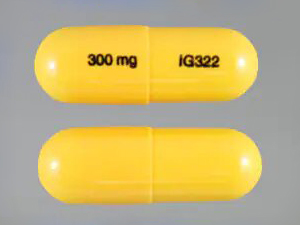
The 300 mg strength is commonly supplied as an immediate-release capsule, and some manufacturers market a 300 mg tablet. The exact dosage form, manufacturer, inactive ingredients, appearance, package size, and directions can therefore vary. Before you buy Gabapentin 300 mg online or transfer a prescription, confirm that the listing matches the product written on your prescription. Never select a strength simply because it appears popular or inexpensive.
This guide explains what a patient should verify before ordering, what questions to ask a prescriber or pharmacist, how gabapentin differs from ordinary pain medicines, and which warning signs need prompt attention. It is educational information, not a diagnosis or a substitute for the instructions on your prescription label and Medication Guide.
Quick facts about the 300 mg strength
- Active ingredient: gabapentin.
- Medication class: anticonvulsant, also called an antiepileptic drug.
- Common immediate-release form: 300 mg capsule; a 300 mg tablet may also be available from certain manufacturers.
- Prescription status: prescription only. Federal and state dispensing rules can differ, and some states apply additional monitoring or controlled-substance requirements.
- FDA-approved immediate-release uses: postherpetic neuralgia in adults and add-on treatment for partial-onset seizures in eligible adults and children.
- Key safety concerns: sleepiness, dizziness, impaired coordination, mood or behavior changes, serious allergic reactions, withdrawal problems after abrupt discontinuation, and potentially dangerous breathing suppression in higher-risk situations.
- Important interaction: opioids, benzodiazepines, sedating antihistamines, sleep medicines, alcohol, and other central nervous system depressants can increase sedation and breathing risk.
- Kidney function matters: gabapentin leaves the body through the kidneys, so impaired renal function or dialysis may require a different regimen.
What gabapentin does—and what it does not do
Gabapentin resembles the chemical messenger GABA in name and structure, but it does not work in the same way as medicines that directly activate GABA receptors. Its clinical effects are associated with binding to the alpha-2-delta subunit of voltage-gated calcium channels. In practical terms, it can reduce certain abnormal nerve signals involved in seizures and some forms of neuropathic pain.
Neuropathic pain is different from pain caused mainly by fresh tissue injury or inflammation. Patients may describe it as burning, electric, shooting, pins-and-needles, or extreme sensitivity to touch. Gabapentin may be considered when a clinician identifies an appropriate neuropathic condition, but the cause of the symptoms still needs evaluation. New weakness, loss of bladder or bowel control, chest pain, a sudden severe headache, rapidly spreading numbness, or pain after major trauma requires medical assessment rather than an online medicine order.
Gabapentin does not cure epilepsy, repair damaged nerves, eradicate shingles virus, or guarantee complete pain relief. Response varies. A prescriber may assess symptom reduction, function, sleep, adverse effects, kidney health, and other medicines before deciding whether treatment should continue. “Stronger” is not automatically “better,” and taking more than prescribed can increase harm without improving the intended outcome.
Why a clinician may choose Gabapentin 300 mg
The 300 mg unit can support individualized titration because it can be combined or scheduled in different clinician-directed ways. That does not mean every patient should begin with 300 mg or follow the same timetable. Age, indication, kidney function, concurrent sedatives, fall risk, previous treatment, and sensitivity to dizziness or drowsiness can all change the plan.
For postherpetic neuralgia, the prescribing information describes gradual initiation and later adjustment according to benefit and tolerability. For partial-onset seizures, immediate-release gabapentin is generally used in divided doses and as an add-on medication. Those label examples are reference information for clinicians; they are not a universal self-dosing plan. Children require weight-based prescribing and professional supervision. People receiving hemodialysis or living with reduced kidney function need a specifically adjusted regimen.
If your prescription says “Gabapentin 300 mg,” also check the directions. The strength printed on a capsule is not the same as the total amount prescribed over a full day. Do not infer frequency from the strength, copy another patient’s schedule, or combine several capsules to reproduce a dose found online.
Approved uses, off-label uses, and honest product claims
Immediate-release gabapentin products have defined FDA-approved indications. A doctor may legally prescribe an approved medication for another condition when professional judgment supports that decision; this is called off-label prescribing. Examples discussed in clinical practice include certain other neuropathic pain syndromes, but evidence quality and expected benefit differ by condition.
A responsible Gabapentin 300 mg product description should not promise treatment for anxiety, insomnia, migraine, fibromyalgia, sciatica, diabetic neuropathy, or ordinary back pain as though every use were FDA approved or effective for everyone. It should also not suggest that gabapentin is a harmless substitute for opioids. Off-label use requires the same attention to contraindications, interactions, monitoring, and informed consent as any other prescription treatment.
Ask the prescriber three direct questions: What diagnosis is being treated? What improvement should be noticeable and by when? What side effects or lack of benefit would lead to reassessment? Clear answers make it easier to judge whether a refill is appropriate instead of continuing treatment by default.
Before you order Gabapentin 300 mg online
Online ordering can be convenient, but convenience should not bypass safeguards. A legitimate U.S. online pharmacy requires a valid prescription, is licensed by the relevant state board of pharmacy, provides a U.S. address and telephone number, and makes a licensed pharmacist available for questions. Avoid any seller advertising “Gabapentin 300 mg without prescription,” anonymous messaging-app sales, bulk quantities with no clinical review, or prices so extreme that authenticity is doubtful.
- Confirm the prescription: match the patient name, strength, dosage form, directions, quantity, and refill status.
- Verify the pharmacy: check licensing through the appropriate state board and use recognized pharmacy-verification resources.
- Review the checkout: make sure the prescription will be validated before payment or dispensing and that pharmacist contact details are visible.
- Compare the full price: examine medicine cost, dispensing charges, delivery fees, insurance terms, and refund rules rather than relying on a headline discount.
- Protect health information: use a secure portal and avoid sending prescriptions, identification, or payment details through unverified social accounts.
- Inspect delivery: do not use capsules from an opened, damaged, unlabelled, expired, or suspicious package.
Transactional searches such as “buy Gabapentin 300 mg online,” “Gabapentin 300 mg price,” “order Gabapentin 300 mg capsules,” and “Gabapentin 300 mg prescription delivery” should lead to a licensed, prescription-first process—not an unrestricted sale.
Capsule or tablet: verify the dosage form
Gabapentin 300 mg is frequently dispensed as a capsule, but a tablet form also exists in some product lines. A capsule should generally be swallowed according to the pharmacy label. Do not open it and divide the powder to create an improvised dose unless a pharmacist specifically confirms that approach for the exact product. Powder division is inaccurate and can result in inconsistent dosing.
Tablet instructions depend on the specific product. A score line does not automatically mean a tablet can be split for every purpose, and an extended-release product must not be treated like immediate-release gabapentin. Brand formulations such as Gralise or Horizant have different release characteristics and approved uses; they are not automatically interchangeable milligram for milligram with immediate-release gabapentin or with one another.
When the delivered medicine looks different from a previous refill, compare the pharmacy label, manufacturer, dosage form, color, imprint, and National Drug Code where available. Generic products may legitimately differ in appearance, but the dispensing pharmacy should verify the change. Do not identify a pill from color alone.
Information your prescriber and pharmacist need
Before starting or refilling Gabapentin 300 mg, provide a complete medication and health history. Include prescription medicines, over-the-counter products, vitamins, herbal products, recreational substances, and alcohol use. Do not omit as-needed medicines; an opioid cough syrup, sedating allergy tablet, or occasional sleep medicine can still matter.
- Kidney disease, reduced kidney function, dialysis, or recent changes in kidney test results.
- Chronic obstructive pulmonary disease, sleep-related breathing problems, or another condition that reduces respiratory reserve.
- Use of opioids, benzodiazepines, sleep medicines, muscle relaxants, sedating antihistamines, or other medicines that slow the central nervous system.
- A history of falls, severe dizziness, fainting, poor coordination, or driving-related work.
- Depression, suicidal thoughts, unusual mood changes, substance misuse, or withdrawal symptoms with previous gabapentin use.
- Allergy to gabapentin or any inactive ingredient in the selected manufacturer’s product.
- Pregnancy, plans to become pregnant, breastfeeding, or plans to breastfeed.
- Seizure history and every current antiepileptic medication.
This review is particularly important when transferring a prescription to a new online pharmacy, because the pharmacist may not automatically see records from every prescriber or local pharmacy.
Kidney health can change the safe amount
Gabapentin is eliminated largely unchanged through the kidneys. When kidney clearance falls, the medicine can remain in the body much longer and accumulate. The current prescribing information recommends dosage adjustment for patients with renal impairment and for those undergoing hemodialysis. Older adults also deserve careful assessment because kidney function may decline even when a person feels well.
Possible signs of excessive exposure can overlap with common adverse effects: marked sleepiness, dizziness, unsteady walking, confusion, slurred speech, tremor, or unusual lethargy. These symptoms do not prove a kidney-related problem, but they warrant timely clinical advice, especially after a dose change, illness causing dehydration, or addition of another sedative.
Do not calculate a renal dose from an online chart using serum creatinine alone. Clinicians consider estimated creatinine clearance or another appropriate kidney measure, age, body size, dialysis schedule, indication, and clinical response. A previous dose may need reconsideration if kidney health changes.
Common side effects and practical precautions
Dizziness and sleepiness are among the most commonly reported adverse effects. Other effects can include fatigue, unsteadiness or poor coordination, nausea, swelling of the legs or feet, blurred or double vision, and involuntary eye movements in some seizure-treatment settings. Side effects vary by person and may be more disruptive after starting treatment or changing the dose.
Until you know how Gabapentin 300 mg affects you, do not drive, cycle in traffic, operate machinery, work at heights, or perform tasks where slowed reactions could cause injury. A person may underestimate their own impairment. Alcohol and other sedatives can make this worse. If your work involves commercial driving, heavy equipment, patient care, or safety-critical decisions, discuss the prescription before the first dose.
Reduce fall hazards at home if dizziness occurs: use handrails, keep walkways clear, stand up slowly, and ask for help rather than pushing through severe unsteadiness. Persistent ankle swelling, problematic weight change, vision symptoms, or daytime sedation should be discussed with the prescriber instead of managed by changing the dose yourself.
Breathing risk with opioids and other sedatives
The FDA warns that serious, life-threatening, or fatal respiratory depression can occur when gabapentin is used with central nervous system depressants, including opioids, or in people with underlying respiratory impairment. Risk is also higher in older adults. Relevant substances can include prescription opioid pain medicines, opioid-containing cough products, benzodiazepines, some sleep medicines, sedating antihistamines, and alcohol.
Seek emergency help for slow, shallow, difficult, or noisy breathing; extreme sleepiness; inability to wake the person; confusion; blue or gray lips, fingers, or skin; or unusual unresponsiveness. Do not leave the person alone and do not assume they can “sleep it off.”
Never combine Gabapentin 300 mg with another person’s opioid, take extra gabapentin to intensify sedation, or use it recreationally. If both gabapentin and an opioid are legitimately prescribed, make sure each prescriber and the dispensing pharmacist knows about the combination and follow the monitoring plan.
Serious reactions that need urgent attention
Stop routine online shopping or refill decisions and get medical help when symptoms suggest a serious reaction. Emergency symptoms include swelling of the lips, tongue, throat, or face; trouble breathing or swallowing; faintness; or widespread hives. Gabapentin can cause anaphylaxis or angioedema after the first dose or later in treatment.
A rare but dangerous multiorgan hypersensitivity reaction known as DRESS may begin with fever, swollen glands, rash, facial swelling, or a generally ill feeling. Internal organs such as the liver or kidneys can be involved, and early symptoms can occur even before a rash becomes obvious. Prompt medical evaluation is important.
Also seek urgent advice for new or worsening depression, panic, agitation, aggression, reckless behavior, mania-like symptoms, thoughts of self-harm, or other marked behavior changes. Antiepileptic medicines, including gabapentin, carry a warning about suicidal thoughts and behavior. Family members or caregivers should know what changes to watch for.
Do not stop gabapentin abruptly
Stopping gabapentin suddenly can cause withdrawal symptoms and may increase seizure frequency in people using it for epilepsy. Reported discontinuation symptoms include anxiety, insomnia, nausea, pain, sweating, agitation, confusion, and disorientation. The prescribing information states that dose reduction, discontinuation, or substitution should generally occur gradually over at least one week, and some patients may need a longer clinician-directed taper.
Do not stretch a limited supply by skipping random doses or abruptly stop because a delivery is late. Contact the dispensing pharmacy and prescriber early when a refill problem, travel date, insurance delay, or lost package could interrupt treatment. Emergency refill rules vary by location and medication status.
If side effects are severe, seek professional advice promptly rather than assuming that tapering means you must continue an unsafe situation without help. Breathing difficulty, severe allergy, overdose, or acute self-harm risk requires emergency care.
Interactions patients often overlook
Aluminum- and magnesium-containing antacids can reduce gabapentin absorption. The U.S. prescribing information recommends taking gabapentin at least two hours after such an antacid. Ask a pharmacist whether your heartburn product contains these ingredients and how to fit it around the exact prescription schedule.
Opioid interactions are clinically important because of sedation and respiratory depression. Tell the pharmacist about morphine, hydrocodone, oxycodone, buprenorphine, tramadol, codeine, methadone, and opioid-containing cough or diarrhea products. Benzodiazepines such as alprazolam, lorazepam, clonazepam, or diazepam and other sedating medicines also deserve review. This is not an exhaustive interaction list.
Gabapentin products are not all interchangeable. Immediate-release gabapentin, extended-release gabapentin, and gabapentin enacarbil have different labeling and administration requirements. Confirm the full product name, not only the word “gabapentin,” when comparing prices or transferring a prescription.
Missed dose, accidental extra dose, and overdose
Follow the instructions supplied by your pharmacy. General patient guidance for immediate-release gabapentin says to take a missed dose when remembered unless it is close to the next scheduled dose; in that situation, skip the missed dose. Do not take two doses at once to compensate. Because the meaning of “close” depends on the prescribed schedule, ask the pharmacist for a personalized threshold.
If you accidentally take more than prescribed, contact a pharmacist, poison-control service, or medical professional promptly. Do not wait for severe symptoms before seeking advice. Overdose reports include double vision, slurred speech, tremor, marked drowsiness, altered mental status, dizziness, lethargy, diarrhea, and respiratory depression. In the United States, Poison Control is available at 1-800-222-1222; call emergency services for severe symptoms, breathing problems, collapse, seizure, or inability to wake.
Pregnancy, breastfeeding, children, and older adults
Tell the prescriber if you are pregnant, could become pregnant, are planning pregnancy, or are breastfeeding. Do not stop an antiepileptic medicine abruptly because of a positive pregnancy test; uncontrolled seizures can also be dangerous. The clinician should weigh the condition being treated, alternative options, and the risks of treatment and non-treatment. The North American Antiepileptic Drug Pregnancy Registry collects outcome information for people exposed to antiepileptic drugs during pregnancy.
Children should receive gabapentin only under pediatric prescribing. Doses for epilepsy may be weight based, and behavioral effects such as emotional lability, hostility, concentration problems, restlessness, or hyperactivity have been reported in pediatric patients.
Older adults may be more sensitive to dizziness, sedation, falls, breathing problems, and drug accumulation from reduced kidney function. “The same refill as last year” is not always the same risk this year; medication and renal reviews remain important.
How to compare Gabapentin 300 mg prices responsibly
The cash price for Gabapentin 300 mg capsules can vary by manufacturer, quantity, pharmacy, location, discount program, and insurance coverage. A lower unit price is useful only when the product is authentic, the pharmacy is licensed, the prescribed quantity is correct, and professional dispensing safeguards remain in place.
When comparing a Gabapentin 300 mg price online, use the same dosage form and quantity for each quote. A price for 30 capsules cannot be compared directly with one for 90 capsules, and a cash discount may not count toward an insurance deductible. Ask whether the quote includes dispensing and delivery fees, whether substitutions are permitted, and what happens if the prescription cannot be verified.
Do not buy a larger quantity than prescribed merely to reach free shipping. Avoid overseas or anonymous sellers that obscure the manufacturer, expiration information, or legal source. If cost threatens continuity, ask the prescriber or pharmacist about generic options, insurance authorization, legitimate discount programs, or a safe alternative.
Delivery-day inspection checklist
- The outer package is addressed to the correct patient and shows no sign of tampering or water damage.
- The pharmacy label states gabapentin, the correct 300 mg strength, the expected dosage form, quantity, patient, prescriber, directions, and dispensing pharmacy.
- The container has a readable lot or dispensing record and expiration or beyond-use information as applicable.
- The capsule or tablet appearance is consistent throughout the container.
- The package includes patient information or a Medication Guide.
- Any appearance change from the previous fill is confirmed with the pharmacist before use.
- The medicine has not been exposed to obvious excessive heat, moisture, or physical damage.
Do not taste or take an unidentified capsule to decide whether it is genuine. Keep the package, photographs, receipt, and shipping information while the pharmacy investigates a discrepancy.
Storage, travel, and disposal
Keep gabapentin in its original, tightly closed, child-resistant container at the storage conditions on the pharmacy label. Immediate-release tablets and capsules are generally stored at controlled room temperature away from excess heat and moisture; a bathroom cabinet is often a poor location. Keep it out of sight and reach of children, visitors, and pets.
When traveling, carry medicine in the labelled pharmacy container and bring enough for the planned trip plus a modest delay only if the prescription permits. Check destination rules before international travel because gabapentin regulation varies. Do not transfer capsules to an unlabelled pouch or share them with a travel companion.
Use an authorized medicine take-back location for unwanted or expired supplies when available. Do not sell, trade, or give leftover gabapentin to another person. Ask a pharmacist about disposal when a take-back option is not accessible.
Questions to ask before completing an online order
- Is this immediate-release Gabapentin 300 mg, and is the dosage form a capsule or tablet?
- Does the product exactly match the prescription, including quantity and directions?
- Is the pharmacy licensed to dispense to my location and available for counseling?
- Has the pharmacist reviewed my kidney function, allergies, and complete medication list?
- Do any opioids, sleep medicines, anxiety medicines, antihistamines, or alcohol increase my sedation or breathing risk?
- What should I do if dizziness, swelling, mood change, rash, or excessive sleepiness occurs?
- How should I handle a missed dose under my specific schedule?
- What is the total price, expected delivery window, refill process, and policy for a damaged shipment?
How to decide whether a refill is still worthwhile
A refill should follow a brief benefit-and-safety review, particularly when Gabapentin 300 mg has been continued for months. Before the appointment, write down the symptom that prompted treatment and what has changed. For postherpetic neuralgia, useful observations might include the intensity and frequency of burning or shooting pain, sensitivity to clothing or touch, sleep disruption, and ability to perform normal activities. For epilepsy, follow the seizure-recording plan provided by the treating clinician. Do not judge success only by whether the capsule makes you sleepy.
Also record problems that can be easy to normalize: morning grogginess, near-falls, ankle swelling, blurred vision, difficulty concentrating, missed work, or reliance on extra sedatives. Bring the current bottle and a full medication list so the clinician can compare the intended directions with actual use. If benefit is uncertain, ask whether a time-limited reassessment, alternative treatment, or gradual discontinuation is appropriate.
Do not run an unsupervised “stop and restart” experiment. Abrupt interruption can produce withdrawal symptoms and may worsen seizures. A structured review protects both continuity and the patient from remaining indefinitely on a medicine that no longer provides meaningful value.
Routine monitoring to discuss with the treating team
Gabapentin does not require the same blood-level monitoring as every older seizure medicine, but that does not make follow-up unnecessary. The prescriber may review kidney function, seizure control, pain and function, alertness, balance, swelling, weight change, mood, adherence, and the continuing need for treatment. Monitoring frequency should reflect age, diagnosis, renal health, other medicines, and clinical stability.
Bring all prescription and nonprescription products to medication reviews, including items taken only at night or on weekends. Ask whether a new antihistamine, sleep aid, opioid, or antacid changes the plan. If a laboratory urine-protein test is ordered, tell the clinician that you take gabapentin because some older dipstick methods have produced false-positive results when gabapentin was used with other antiepileptic drugs.
Keep a current list in your phone or wallet for urgent care. It should show “gabapentin 300 mg,” the dosage form, exact schedule, reason for use, prescriber, pharmacy, and major allergies. This is more useful than recording only “nerve medicine.”
Frequently asked questions about Gabapentin 300 mg
Can I buy Gabapentin 300 mg without a prescription?
No legitimate U.S. pharmacy should dispense prescription gabapentin without a valid prescription. Websites that skip the prescription, prescriber, and pharmacist review are a safety and counterfeit risk. State rules can add further requirements.
Is Gabapentin 300 mg a strong painkiller?
“Strong” is not a useful way to judge gabapentin. It is an anticonvulsant that can help some types of nerve pain and is not an opioid or a routine analgesic for every pain condition. Benefit depends on diagnosis, regimen, patient factors, and tolerability.
Does 300 mg mean my total daily dose?
Not necessarily. It identifies the amount in one capsule or tablet. Your prescription directions determine how many units are taken and when. Never calculate a daily regimen from the product title alone.
How quickly will it work?
The answer depends on the condition, dosage plan, and person. Some adverse effects can appear before the intended benefit is clear. Ask the prescriber when and how response will be assessed; do not take extra capsules to speed the effect.
Can I take it only when pain is severe?
Use it exactly as prescribed. Many gabapentin regimens are scheduled, and inconsistent use can reduce benefit or create withdrawal and seizure concerns. Do not convert a scheduled prescription into as-needed use without approval.
Can Gabapentin 300 mg make me sleepy?
Yes. Sleepiness, dizziness, and impaired coordination are well-recognized effects. Avoid driving and hazardous tasks until you know your response and your clinician agrees it is safe.
Can I drink alcohol with gabapentin?
Alcohol can increase drowsiness, poor judgment, loss of coordination, and breathing risk. Discuss your alcohol use honestly with the prescriber and pharmacist and follow their advice.
Is it safe with opioid pain medicine?
The combination can cause serious sedation and respiratory depression, sometimes fatal. It may occasionally be prescribed with careful judgment and monitoring, but it should never be combined without every prescriber and pharmacist knowing.
Can I stop when I feel better?
Do not stop abruptly. Sudden discontinuation can cause withdrawal symptoms and can worsen seizures. Ask for a clinician-directed reduction plan if treatment is ending.
Why did my refill change color?
Generic manufacturers can use different colors, shapes, and imprints. A change may be legitimate, but confirm it with the dispensing pharmacy before taking the medicine. Color alone cannot verify identity.
Can I share unused capsules with someone who has similar pain?
No. Similar symptoms can have different causes, and the other person may have dangerous interactions, kidney impairment, allergy, or an inappropriate indication. Sharing prescription medicine is unsafe and may be illegal.
Is Gabapentin 300 mg the same as pregabalin 300 mg?
No. Gabapentin and pregabalin are different prescription medicines with different potency, pharmacokinetics, legal status, and dosing. They are not interchangeable milligram for milligram.
A safer purchase decision
Order Gabapentin 300 mg only when a licensed clinician has determined that it is appropriate and issued a valid prescription. Use a properly licensed pharmacy, compare the correct dosage form and quantity, request pharmacist counseling, and reject any seller promoting prescription-free access. The best online purchase is not the quickest unchecked transaction; it is the one that preserves prescription verification, authentic supply, accurate labelling, interaction review, and continuity of care.
Read the Medication Guide supplied with every fill and follow the pharmacy label. Contact the prescriber for questions about benefit, dose changes, pregnancy, kidney health, persistent side effects, or stopping treatment. Seek emergency help for serious breathing problems, severe allergic symptoms, overdose, unresponsiveness, or immediate risk of self-harm.
Medical and pharmacy-safety sources
| Select Variation |
300 pills ,180 pills ,240 pills ,90 pills |
|---|