
Generic Codeine 300/30 mg
Price range: $548.00 through $1,519.00
| Variation | Price | Quantity | Add To Cart |
|---|---|---|---|
| 360 pills | $1,519.00 |
|
Add to cart |
| 180 pills | $921.00 |
|
Add to cart |
| 90 pills | $548.00 |
|
Add to cart |
Codeine acetaminophen 300/30 is a prescription-only Schedule III tablet that combines 300 mg of acetaminophen with 30 mg of codeine phosphate to treat mild to moderate pain.
This strength is widely known as Tylenol with Codeine No. 3, or simply “Tylenol 3.” The label describes it for pain that calls for an opioid when other treatments have not been enough. Each tablet carries two separate sets of risks: the opioid risks of codeine and the liver risk of acetaminophen. This page explains how to read the label, how the two ingredients add up over a day, and which warnings matter most. A valid prescription is required, and the prescriber sets every detail of the dose.
Reading the label: what each mark on acetaminophen and codeine 300/30 means
Pharmacy labels and bottles use short codes. The table below decodes the ones patients see most often on acetaminophen and codeine 300/30.
| Label mark | What it means |
|---|---|
| “300” or “300 mg” | Milligrams of acetaminophen in each tablet |
| “30” or “30 mg” | Milligrams of codeine phosphate in each tablet |
| “#3” or “No. 3” | The traditional name for this strength, from the brand Tylenol with Codeine No. 3 |
| “APAP” | A common abbreviation for acetaminophen on prescription labels |
| “CIII” or “C-III” | Schedule III controlled substance under federal law |
| “Rx only” | Dispensed only with a valid prescription |
| Boxed warning | The bordered section at the top of the prescribing information listing the most serious risks |
| Refills | Up to 5 refills within 6 months, only if the prescriber authorizes them |
| Imprint | The code stamped on the tablet; it varies by maker |
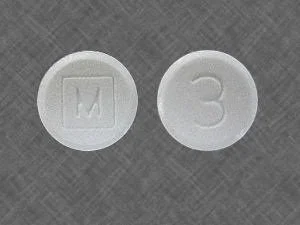
Tablets are commonly white and round, often with a “3” in the imprint, but the exact look depends on the manufacturer. Patients who notice a new shape or marking after a refill can ask the pharmacist to confirm it. The reasons behind these changes are covered in why generic medications do not always look the same.
Two ingredients, two jobs
The two ingredients in codeine acetaminophen 300/30 relieve pain in different ways. The label describes each one as follows.
Acetaminophen (300 mg)
Acetaminophen is a non-opioid pain reliever and fever reducer. Its exact mechanism is not established, but the label states that it is thought to act mainly in the central nervous system. Its half-life is about 1.25 to 3 hours, and it can last longer when the liver is damaged or after an overdose. It is not addictive, but too much of it can seriously injure the liver.
Codeine phosphate (30 mg)
Codeine is an opioid that binds to mu-opioid receptors, much more weakly than morphine does. Much of its pain relief is thought to come from the small share the body converts to morphine through the liver enzyme CYP2D6. Codeine’s half-life is about 2.9 hours, and its pain relief peaks within about 2 hours. It carries the opioid risks of slowed breathing, sedation, misuse and dependence.
Why they are combined
Because the two ingredients work through different pathways, combining them is meant to give more relief than a modest dose of either one alone. The cost is that every tablet counts toward two separate daily limits. Patients have to track the codeine and the acetaminophen at the same time.
How the dose is set
The label’s usual adult dose for codeine acetaminophen 300/30 is 1 to 2 tablets every 4 hours as needed for pain. Within that range, the label sets two ceilings that prescribers work within:
- Codeine: single doses of 15 to 60 mg, and no more than 360 mg in 24 hours.
- Acetaminophen: no more than 4,000 mg in 24 hours from all sources combined.
These figures describe the label’s outer limits. They are not targets. The prescriber decides the number of tablets, how often they are taken and for how many days. That decision depends on the type of pain, age, liver and kidney function, alcohol use, other medicines and how the patient has responded to opioids in the past. The label advises the lowest effective dose for the shortest time needed. People with liver or kidney disease and older adults often start low and are watched more closely. Patients who think a dose is too weak or too strong should call the prescriber rather than change it themselves. Keeping notes on how well pain relief is working gives the prescriber useful information at follow-up visits.
The tablet math
Every acetaminophen-codeine 300 mg/30 mg tablet adds 300 mg of acetaminophen and 30 mg of codeine phosphate to the day’s total. The table shows how those totals build up. It is a reference for understanding the label limits, not a dosing plan. Only the prescription label shows the correct amount for any one patient.
| Tablets in 24 hours | Acetaminophen total | Codeine phosphate total | Note |
|---|---|---|---|
| 1 | 300 mg | 30 mg | Single tablet |
| 2 | 600 mg | 60 mg | Equal to the label’s upper single codeine dose if taken together |
| 4 | 1,200 mg | 120 mg | — |
| 6 | 1,800 mg | 180 mg | — |
| 8 | 2,400 mg | 240 mg | — |
| 12 | 3,600 mg | 360 mg | Reaches the 360 mg codeine ceiling |
At this strength, the codeine ceiling is reached first, at 12 tablets, while acetaminophen sits at 3,600 mg. That leaves only 400 mg below the 4,000 mg acetaminophen limit. The 4,000 mg figure covers all sources, including over-the-counter pain relievers, cold medicines and other prescriptions. One extra-strength pain reliever or one dose of a multi-symptom cold product can push the day’s total past the limit. Many prescriptions are written for far fewer tablets than the table shows.
Hidden acetaminophen: checking other products
The FDA notes that acetaminophen is an ingredient in hundreds of prescription and nonprescription medicines. The label for this tablet warns that most acetaminophen-related liver failure has involved doses above 4,000 mg a day, often because more than one product containing acetaminophen was used. Products to check include:
- Plain acetaminophen pain and fever relievers, including regular and extra-strength versions.
- Multi-symptom cold, cough and flu products, both daytime and nighttime formulas.
- “PM” pain-plus-sleep products that pair acetaminophen with diphenhydramine.
- Headache and migraine combinations that pair acetaminophen with aspirin and caffeine.
- Other prescription combinations that pair acetaminophen with an opioid such as hydrocodone or oxycodone.
On prescription bottles, the word acetaminophen is not always spelled out. The FDA’s consumer guidance on acetaminophen overuse lists “APAP,” “Acetaminoph,” “Acetaminop,” “Acetamin” and “Acetam” as shortened forms. On over-the-counter boxes, the active ingredients panel lists acetaminophen by name. The MedlinePlus acetaminophen monograph also advises reading the labels of every prescription and nonprescription product being taken.
The same principle applies when someone is prescribed more than one opioid combination. The site’s explainers on taking Tylenol alongside an opioid prescription and counting acetaminophen across combination products go through how pharmacists add up the totals. When in doubt, the pharmacist can check every bottle and box in a single review.
Liver warning: get medical help right away for any of these signs
- Nausea, vomiting or loss of appetite that is new or will not go away
- Dark urine or pale stools
- Yellowing of the skin or the whites of the eyes
- Pain in the upper right part of the belly
Tylenol 3 and alcohol: alcohol raises the risk of acetaminophen liver injury and adds to codeine’s sedation and slowed breathing. Labels on over-the-counter acetaminophen warn people who have 3 or more drinks a day. MedlinePlus advises avoiding alcohol completely while taking this combination. An acetaminophen overdose may cause no symptoms at first, so anyone who may have taken too much should call Poison Help at 1-800-222-1222 right away, even if they feel fine.
Serious skin reactions
Acetaminophen can rarely cause serious skin reactions. These include acute generalized exanthematous pustulosis (AGEP), Stevens-Johnson syndrome (SJS) and toxic epidermal necrolysis (TEN). They are uncommon but can be fatal, and they can occur even in people who have taken acetaminophen before without trouble.
- Stop the medicine at the first sign of a rash, blisters, peeling or red skin.
- Contact the prescriber the same day, or seek emergency care if the rash spreads quickly or affects the mouth, eyes or genitals.
- Hives, swelling of the face or throat, or trouble breathing or swallowing need emergency help right away.
- Anyone who has had one of these reactions should tell every future prescriber and pharmacist.
The codeine half: genes, children and breastfeeding
Codeine works partly through conversion to morphine by the CYP2D6 enzyme, and that enzyme’s activity is inherited. Two groups stand out:
- Ultra-rapid metabolizers convert codeine to morphine faster and more completely. Their blood morphine levels can rise to dangerous levels even at labeled doses. How common this is varies widely by ancestry, from roughly 0.5% to 28% of people.
- People with low CYP2D6 activity, or those taking drugs that block the enzyme, may form less morphine and get less relief.
Most patients do not know their CYP2D6 status. The site’s article on how genetics change opioid response explains the broader idea of inherited differences in drug metabolism.
Children and teens
Because of breathing problems and deaths linked to ultra-rapid metabolism, the FDA’s April 2017 codeine safety communication restricted codeine in young people. The current label:
- Contraindicates the tablet in all children younger than 12.
- Contraindicates it for pain after tonsil or adenoid removal in anyone under 18.
- Advises avoiding it in teens aged 12 to 18 who have obstructive sleep apnea, obesity, severe lung disease, neuromuscular disease, or who take other drugs that slow breathing.
Accidental swallowing by a child can be fatal. Storage tips are collected in the site’s guide to keeping children safe around prescription opioids.
Breastfeeding and pregnancy
Breastfeeding is not recommended during treatment. Morphine formed from codeine passes into breast milk, and infant deaths have been reported when nursing mothers were ultra-rapid metabolizers. Long-term opioid use during pregnancy can cause neonatal opioid withdrawal syndrome in the newborn. Anyone who is pregnant, planning a pregnancy or nursing should discuss alternatives with the prescriber before starting.
Tylenol 3 side effects
Most common side effects of codeine acetaminophen 300/30 come from the codeine half, plus some skin effects. The serious reactions in the right-hand column need prompt medical attention.
| Common | Serious (call the prescriber or 911) |
|---|---|
| Drowsiness, sedation | Slow, shallow or paused breathing |
| Lightheadedness, dizziness | Extreme sleepiness or inability to wake |
| Nausea, vomiting | Signs of liver injury (see the warning box) |
| Constipation | Rash, blistering or peeling skin |
| Sweating | Severe allergic reaction: swelling, hives, trouble breathing |
| Shortness of breath | Fainting or very low blood pressure |
| Itching, rash | Signs of serotonin syndrome when combined with serotonergic drugs |
| — | Unusual bruising or bleeding, or frequent infections (rare blood count changes) |
Constipation tends to continue for as long as an opioid is taken, so a plan for fluids, fiber and any laxative is worth discussing early. The site’s notes on why opioids cause constipation apply to codeine as well.
Interactions
Several drug interactions are significant enough to appear in the boxed warning. The pharmacist should see a complete list of medicines, supplements and over-the-counter products.
| Interacting group | Examples | What can happen |
|---|---|---|
| Benzodiazepines and other CNS depressants | Anxiety and sleep medicines, muscle relaxants, other opioids | Profound sedation, slowed breathing, coma, death |
| Alcohol | Beer, wine, spirits | Added sedation and higher risk of liver injury |
| Other acetaminophen products | Cold, flu and “PM” products; other APAP prescriptions | Exceeding 4,000 mg a day; liver damage |
| CYP3A4 inhibitors | Erythromycin, clarithromycin, ketoconazole, ritonavir | Higher codeine and possibly morphine levels |
| CYP3A4 inducers | Rifampin, carbamazepine, phenytoin | Weaker effect or withdrawal; levels rise when the inducer is stopped |
| CYP2D6 inhibitors | Paroxetine, fluoxetine, bupropion, quinidine | Less morphine and less relief; levels can rise when the inhibitor is stopped |
| Serotonergic drugs | Certain antidepressants and other serotonin-acting drugs | Serotonin syndrome |
| MAO inhibitors | Use now or within the last 14 days | Contraindicated |
Starting or stopping any of these drugs can change how the tablet works, even when the codeine acetaminophen 300/30 dose stays the same. Patients should tell the prescriber before making any such change.
Tylenol 3 Schedule III prescription rules
The DEA’s drug scheduling overview places combination products with less than 90 mg of codeine per dosage unit, such as Tylenol with codeine, in Schedule III. Schedule III drugs have a moderate to low potential for physical and psychological dependence, lower than Schedule II drugs. In practice, for codeine acetaminophen 300/30 that means:
- Prescription required. A licensed prescriber must issue it, and the pharmacy verifies it before dispensing.
- Refills. Up to 5 refills within 6 months of the date written, but only if the prescriber authorizes them. Many prescriptions for short-term pain allow none.
- Transfers. Under federal rules, refills of a Schedule III prescription can usually be transferred between pharmacies only once. Pharmacies that share a real-time online database may transfer up to the remaining authorized refills. State law can be stricter.
- Monitoring. Dispensing is typically reported to a state prescription drug monitoring program, and prescribers and pharmacists may check that record before prescribing or filling.
More detail is available in the site’s guides to how prescription refills work, how pharmacies verify controlled prescriptions and what a PDMP records. The tablets are for the named patient only; another person taking them can be seriously harmed.
Before, during and after a course
Before the first tablet
- Tell the prescriber about liver or kidney disease, breathing problems, sleep apnea, seizures, past substance use, and pregnancy or breastfeeding.
- Share a full medication list, including over-the-counter and “PM” products.
- Ask how many tablets a day are intended and for how many days.
- Ask whether naloxone should be kept at home.
While taking it
- Follow the prescription label exactly, and keep a written log of each dose and its time.
- Avoid alcohol, and do not add any other acetaminophen product without checking first.
- Do not drive or operate machinery until it is clear how the tablet affects alertness.
- Store the tablets locked, at room temperature, away from moisture and in the original container.
After the course ends
- If the tablets were taken daily for more than a short period, ask the prescriber about a gradual taper rather than stopping suddenly.
- Dispose of leftover tablets promptly, ideally through a take-back program, following the FDA’s instructions for unused medicines.
- Report pain that returns or does not improve; the site’s article on next steps once pain improves describes typical follow-up.
| Select Variation |
360 pills ,180 pills ,90 pills |
|---|