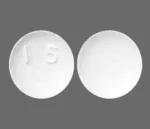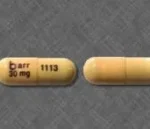

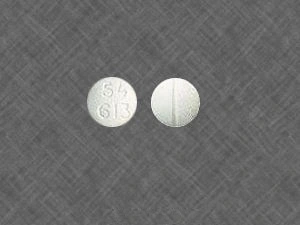
Generic Codeine 15 mg
Price range: $533.00 through $1,507.00
| Variation | Price | Quantity | Add To Cart |
|---|---|---|---|
| 360 pills | $1,507.00 |
|
Add to cart |
| 180 pills | $908.00 |
|
Add to cart |
| 90 pills | $533.00 |
|
Add to cart |
Codeine 15 mg is the lowest strength of single-ingredient codeine sulfate tablets available in the United States. It is an opioid pain medicine, a Schedule II controlled substance, and it requires a prescription from a licensed prescriber. This page explains what the tablet looks like, how the body turns Codeine into its active form, what typically happens in the hours after a dose, who should avoid it, and which safety rules apply when filling and storing it.
Key points
- Codeine sulfate 15 mg is a prescription-only, Schedule II opioid, used for mild to moderate pain only after alternatives have fallen short.
- Codeine works mainly after the liver enzyme CYP2D6 converts part of it into morphine, so the same dose can affect two people very differently.
- Blood levels peak at about one hour, and pain relief usually peaks within about two hours.
- It must not be used in children younger than 12, and breastfeeding while taking it is not recommended.
- Combining it with alcohol, benzodiazepines or other sedating drugs can cause dangerous slowing of breathing.
- Schedule II rules mean no refills: each supply needs a new prescription.
Codeine sulfate 15 mg at a glance
| Detail | Information |
|---|---|
| Generic name | Codeine sulfate |
| Strength | 15 mg per tablet |
| Dosage form | Oral tablet, white, round, uncoated |
| Scored? | Yes, scored on one side |
| Imprint examples | Current Lannett tablets: “LCI” on the plain face, with “15” on the face that carries the score line. Older Roxane/Hikma tablets carried “54 613”. Imprints vary by manufacturer. |
| DEA schedule | Schedule II (CII) |
| Prescription status | Prescription required; no refills allowed |
| Label indication | Mild to moderate pain where an opioid is appropriate and alternative treatments are inadequate |
| Inactive ingredients (older label) | Colloidal silicon dioxide, microcrystalline cellulose, pregelatinized starch, stearic acid |
Tablets from different makers can look different even when the drug inside is the same. The reasons are explained in this article on why generic pills do not always look the same. A pharmacist can confirm any imprint before the first dose. The full prescribing information for the Lannett product is posted on DailyMed’s codeine sulfate tablets label.
Where the codeine 15 mg tablet fits in pain care
Opioid labels follow a “start low” principle. According to the codeine sulfate label, treatment should open at the smallest dose that controls pain adequately, followed by gradual adjustment. The label range prescribers work within for adults is 15 to 60 mg every 4 hours as needed, with a ceiling of 360 mg in 24 hours. Going beyond 60 mg in a single dose, per the label, brings more side effects without extra pain relief. The prescriber, not the patient, sets the dose and the schedule.
A 15 mg tablet gives prescribers a small, precise unit to work with. That matters because opioid response varies widely between people. Some patients get meaningful relief from a small amount, while others react strongly to it. The topic of why some patients need lower doses covers this in more detail.
Groups prescribers often treat with extra caution
- Older adults. The label recommends a first dose near the bottom of the range, plus close watching for slowed breathing.
- People with kidney problems. Codeine and its byproducts leave the body mainly through the kidneys, and they can build up when the kidneys are weak.
- People with liver problems. The liver handles most of codeine’s conversion, so liver disease can change how the drug behaves.
- People who are sensitive to opioids. Patients who have had strong drowsiness, confusion or nausea with opioids before may need a cautious start.
For these groups, the label suggests lower starting doses or longer gaps between doses, slow adjustment, and close monitoring. Tracking how well each dose works helps the prescriber make those adjustments; a simple method is described in this guide on how to track pain relief.
How codeine works: the CYP2D6 step
Codeine is a prodrug. On its own, it has only weak pain-relieving activity. After a tablet is swallowed, the body processes it along several routes:
- About 70–80% is converted to codeine-6-glucuronide.
- About 10% is converted by the enzyme CYP3A4 to norcodeine.
- About 5–10% is converted by the enzyme CYP2D6 into morphine, which is largely responsible for pain relief.
The small CYP2D6 share is where people differ most. Genes decide how active a person’s CYP2D6 enzyme is. The result is that two patients taking the same codeine sulfate 15 mg tablet can end up with very different amounts of morphine in their blood. The same principle of inherited differences applies to other opioids, as described in this article on genetics and opioid response.
| Metabolizer type | What happens to morphine levels | What it can mean for the patient |
|---|---|---|
| Poor metabolizer | Very little codeine is turned into morphine. | Codeine may give little or no pain relief. |
| Normal metabolizer | The expected amount of morphine forms. | The typical response, though it still varies from person to person. |
| Ultra-rapid metabolizer | Codeine is converted faster and more completely, so morphine levels run higher than expected. | Higher risk of side effects, including signs of morphine overdose and life-threatening slowed breathing, even at usual doses. |
Ultra-rapid metabolism is far more frequent in some populations than in others; estimates run from about 0.5% to 28%, depending on ancestry. Few patients have ever had their CYP2D6 activity tested. An NIH summary on codeine therapy and CYP2D6 genotype explains the science in more depth, and the general idea of why people respond differently to opioid pain medicines is covered on this site.
Other medicines can shift this balance. Some antidepressants and heart drugs slow CYP2D6. That can reduce morphine formation and weaken relief, and stopping them later can raise morphine levels. Patients should tell the prescriber before starting or stopping any medicine while taking codeine.
Hour-by-hour after one codeine 15 mg tablet
The timeline below is based on average values from the prescribing information. All times are approximate. Real timing varies by person, by CYP2D6 activity, by kidney and liver function, and by other medicines being taken. The label notes that a high-fat meal did not significantly change absorption.
| Time after the dose | What is generally happening |
|---|---|
| 0–30 minutes | The tablet dissolves and codeine starts entering the bloodstream. Some people begin to notice an effect, others do not yet. |
| About 1 hour | Codeine reaches its approximate peak level in the blood. |
| About 2 hours | Pain relief usually reaches its peak, as conversion to morphine catches up. |
| About 3 hours | The approximate half-life of codeine and its byproducts: roughly half has been cleared. |
| 4 hours | The labeled dosing interval. The label allows dosing every 4 hours as needed, only within the schedule the prescriber writes. |
| About 48 hours | With repeated, regular doses, blood levels reach a steady state. |
Taking doses closer together than prescribed can push blood levels higher than intended. Patients who feel the relief wears off too early should talk to the prescriber rather than adjust timing on their own.
Who should not take codeine
The label lists situations where codeine sulfate must not be used at all:
- Any child younger than 12 years.
- Anyone under 18 for pain after surgery to remove the tonsils or adenoids.
- People with significant respiratory depression (already slowed or weak breathing).
- People with acute or severe asthma, unless in a monitored setting with resuscitation equipment.
- People with a known or suspected blockage of the stomach or intestines, including paralytic ileus.
- People with a known allergy to codeine.
- People taking an MAO inhibitor, or who have taken one in the past 14 days.
Adolescents with breathing risk factors
For teens aged 12 to 18, the label advises avoiding codeine when risk factors for slowed breathing are present. Examples are obesity, neuromuscular disease, obstructive sleep apnea, severe lung disease, and taking other medicines that depress breathing. The FDA explained these limits in its 2017 safety announcement restricting codeine use in children.
Breastfeeding
Nursing is not recommended while codeine is being taken. The morphine the body makes from codeine reaches breast milk. Infant deaths have been reported when the nursing mother was an ultra-rapid metabolizer. A parent who is nursing should discuss other pain options with the prescriber.
Pregnancy is also a topic for the prescriber: long-term opioid use during pregnancy can lead to neonatal opioid withdrawal syndrome in the newborn.
Codeine 15 mg side effects
Even at the lowest strength, side effects can occur. The table groups them by how urgently they need attention. The list is not complete; the MedlinePlus codeine drug page offers a plain-language overview.
| Common | Call the prescriber | Emergency: call 911 |
|---|---|---|
| Drowsiness or sedation | Constipation that does not improve | Slow, shallow or stopped breathing |
| Lightheadedness, dizziness | Trouble passing urine | Extreme sleepiness, cannot be woken |
| Nausea, vomiting | Itching, stomach pain | Pinpoint pupils, limp body, blue or gray lips |
| Sweating | Mood changes such as unusual euphoria or unease | Fainting or very low blood pressure |
| Constipation | Signs of low adrenal function: lasting nausea, weakness, tiredness, dizziness, poor appetite | Swelling of face or throat, trouble breathing (anaphylaxis) |
| Mild shortness of breath | Pain that increases or shows up in new areas while on treatment (possible opioid-induced hyperalgesia) | Agitation, fever, fast heartbeat, stiff muscles (possible serotonin syndrome) |
| Low blood sugar symptoms; with long-term use, low sex drive or other hormone changes | Seizures |
Patients who have been taking codeine regularly should not stop suddenly. Stopping abruptly can cause withdrawal in people who are physically dependent. The prescriber can plan a gradual taper.
Interactions to review before the first dose
Codeine passes through two major liver enzymes and acts on the brain’s breathing center, so it interacts with many medicines. A complete medicine list, covering supplements and over-the-counter products, belongs with both the prescriber and the pharmacist.
| Drug group | Examples | What can happen |
|---|---|---|
| Alcohol, benzodiazepines, other CNS depressants | Other opioids, alcohol, anti-anxiety medicines, sleep medicines | Deep sedation, dangerously slow breathing, coma, or death |
| CYP3A4 inhibitors | Clarithromycin, erythromycin, ritonavir, ketoconazole | Raised codeine exposure and possibly more morphine, so side effects become more likely |
| CYP2D6 inhibitors | Bupropion, fluoxetine, quinidine, paroxetine | Reduced morphine formation and weaker relief; stopping them can push morphine levels up |
| CYP3A4 inducers | Rifampin, carbamazepine, phenytoin | Lower codeine effect or withdrawal symptoms; stopping the inducer can raise levels |
| Serotonergic drugs | Certain antidepressants and other drugs that raise serotonin | Serotonin syndrome has been reported |
| MAO inhibitors | Current use or use within 14 days | Codeine must not be used |
Codeine 15 mg for older adults, and kidney or liver concerns
Older adults are more likely to have reduced kidney or liver function and to take several other medicines. The label asks prescribers to start at the low end of the dose range and to watch for slowed breathing. At home, three problems deserve daily attention.
Falls
Dizziness, lightheadedness and low blood pressure raise the chance of falling. Practical steps include standing up slowly, using night lights, clearing loose rugs and cords, and keeping a phone within reach. Driving and operating machinery should wait until the patient knows how codeine affects them.
Constipation
Constipation is one of the most common opioid side effects and usually does not fade with time. Patients can ask the prescriber or pharmacist which bowel routine suits them before it becomes a problem.
Confusion and oversedation
New confusion, unusual sleepiness or slurred speech can signal that codeine or its byproducts are building up. This is more likely when kidney function is reduced, because codeine is cleared about 90% through the kidneys. Family members and caregivers should know these warning signs. With kidney or liver disease, the label calls for lower starting doses or longer intervals, slow adjustment, and close monitoring.
Filling a Schedule II prescription
Because codeine sulfate is a Schedule II drug, federal rules apply at every step. In plain terms:
- A prescription is always required. It must come from a prescriber registered to prescribe controlled substances, as a written or electronic prescription under the applicable rules.
- No refills. Every additional supply requires a fresh prescription. The article on how prescription refills work explains how this differs from other medicines.
- Prescription monitoring. Prescribers and pharmacists commonly check the state prescription drug monitoring program. The PDMP guide for patients explains what this database shows.
- Identification. Pharmacies commonly ask for photo ID when dispensing controlled medicines. Details are in how pharmacies verify controlled prescriptions.
- Safety education. Codeine is part of the Opioid Analgesic REMS, a federal program that supports prescriber and patient education about opioid risks.
A broader overview is available in this guide to Schedule II prescription rules. Prescribers also follow national guidance such as the CDC’s 2022 clinical guideline on prescribing opioids for pain, which shapes how much is prescribed and how often patients are followed up.
Storage and disposal
- Store at controlled room temperature, away from moisture and light. A bathroom cabinet is not ideal.
- Keep tablets locked and out of sight. One accidental swallow can be fatal, especially for a child. These tips for keeping children safe around opioids apply to codeine too.
- Keep tablets in the original pharmacy container so the label and imprint can be checked.
- Never share tablets. Giving codeine to anyone else is illegal and can be dangerous.
- Dispose of unused tablets promptly, preferably through a drug take-back site. The FDA page on disposing of unused medicines covers take-back programs and the limited cases where flushing is recommended.
Many households keep naloxone, a medicine that can reverse an opioid overdose. The FDA’s information on naloxone and nalmefene describes these products. Patients can ask the prescriber or pharmacist whether having it at home makes sense.
Questions to bring to the prescriber
Writing questions down before the appointment helps make sure nothing is missed. This list can be printed or copied, and more ideas appear in questions to ask at every follow-up visit.
- Why is codeine the right choice for this pain, and what non-opioid options were considered?
- Exactly how often may the tablet be taken, and what is the maximum per day for this prescription?
- How long is the treatment expected to last, and how will it be stopped?
- Do any current medicines, including antidepressants or antibiotics, interact with codeine?
- Is CYP2D6 genetic testing relevant, or has a family member reacted unusually to codeine?
- Does kidney or liver function change the plan?
- What should be done about constipation from the start?
- Is it safe to drive, work or care for others while taking it?
- Should naloxone be kept at home?
- Which side effects should prompt a call, and which need emergency care?
| Select Variation |
360 pills ,180 pills ,90 pills |
|---|