
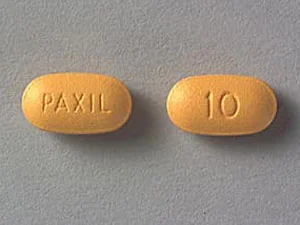
Generic Paxil 10 mg
Price range: $691.20 through $2,220.00
| Variation | Price | Quantity | Add To Cart |
|---|---|---|---|
| 300 pills | $2,220.00 |
|
Add to cart |
| 180 pills | $1,350.00 |
|
Add to cart |
| 240 pills | $1,800.00 |
|
Add to cart |
| 90 pills | $691.20 |
|
Add to cart |
Paxil 10 mg (Paroxetine): A Lower-Strength Prescription Tablet
Paxil 10 mg contains paroxetine, an SSRI antidepressant prescribed to adults for several diagnosed mood and anxiety disorders. The 10 mg immediate-release tablet may be used as a lower starting strength in some treatment plans, most notably the labeled starting dose for panic disorder, or as part of an individualized adjustment. A smaller tablet strength is not automatically mild, free of withdrawal symptoms, or suitable for self-treatment. Paroxetine has important contraindications, drug interactions, pregnancy considerations, and a boxed warning concerning suicidal thoughts and behaviors in younger patients.
This copy-paste description covers the questions commonly behind searches such as “Paxil 10 mg uses,” “paroxetine 10 mg dosage,” “Paxil 10 mg side effects,” “Paxil 10 mg price,” and “buy Paxil 10 mg online with prescription.” The purpose is to help a patient understand and verify a legitimate prescription. It does not tell an undiagnosed person to start paroxetine, and it does not support dispensing without a prescription.
Paxil 10 mg at a glance
- Active ingredient: paroxetine, usually supplied as paroxetine hydrochloride
- Dosage form: immediate-release oral tablet
- Medication class: selective serotonin reuptake inhibitor (SSRI)
- U.S. adult indications for immediate-release Paxil: major depressive disorder, obsessive-compulsive disorder, panic disorder, social anxiety disorder, generalized anxiety disorder, and posttraumatic stress disorder
- Prescription status: prescription only
- Pediatric status: Paxil is not approved for pediatric patients
- Usual labeled administration: one daily dose in the morning, with or without food, as prescribed
What makes the 10 mg strength clinically distinct?
The 10 mg tablet lets a prescriber begin lower or make changes in 10 mg increments when the labeling and patient’s circumstances support that plan. For adult panic disorder, current U.S. labeling lists 10 mg as the starting dosage because beginning treatment too aggressively may worsen tolerability. For other labeled conditions, the standard adult starting dose is often 20 mg, though older adults and people with severe kidney or liver impairment generally start lower.
That does not mean every patient with panic disorder remains at 10 mg or that every patient with another diagnosis should begin at 20 mg. Dosing must consider prior sensitivity to antidepressants, other medicines, bipolar risk, pregnancy, medical conditions, and the clinician’s assessment. The 10 mg strength may also appear in a supervised taper, but a safe taper is a process—not simply “take 10 mg for a week and stop.”
Conditions treated with immediate-release Paxil
| Condition | What treatment may aim to improve |
|---|---|
| Major depressive disorder | Persistent depressive symptoms and impaired sleep, interest, concentration, energy, appetite, self-worth, or function |
| Obsessive-compulsive disorder | Time-consuming, distressing obsessions and/or compulsions that interfere with daily life |
| Panic disorder | Unexpected panic attacks, anticipatory anxiety, and avoidance |
| Social anxiety disorder | Persistent, impairing fear of social scrutiny and related avoidance |
| Generalized anxiety disorder | Excessive, difficult-to-control anxiety and associated symptoms meeting diagnostic criteria |
| Posttraumatic stress disorder | Clinically diagnosed trauma-related symptoms and functional impairment |
A medication listing cannot establish one of these diagnoses. Symptoms can overlap, and physical illness, sleep loss, substances, other medicines, grief, or bipolar disorder may change the treatment approach. Paxil is not designed for an occasional stressful day or to produce immediate calm.
How paroxetine works
Paroxetine inhibits reuptake of serotonin, increasing serotonin activity in the central nervous system. That one-sentence mechanism does not fully explain why an individual responds, which symptoms will improve first, or why adverse effects occur. Genetic differences, other medicines, adherence, diagnosis, and duration all influence the experience.
The 10 mg tablet does not deliver an instant serotonin “boost.” Therapeutic changes generally develop over time. Some side effects may appear during the first days, while meaningful improvement may take several weeks. A patient should not take extra tablets to accelerate the response.
Starting Paxil 10 mg: what to clarify on day one
- Confirm that the product is immediate-release paroxetine 10 mg, not Paxil CR.
- Know the diagnosis and the specific symptoms being targeted.
- Read the pharmacy label for dose time and any scheduled increase.
- Review every prescription, over-the-counter medicine, vitamin, and supplement with the pharmacist.
- Know who to contact for worsening mood, activation, a severe side effect, or a missed refill.
- Set a follow-up date instead of judging the treatment only by the first few doses.
Keep the Medication Guide. If an instruction from an online product description conflicts with the dispensed label, follow the clinician/pharmacist guidance and seek clarification. The patient-specific label governs the prescription.
How to take Paxil 10 mg
Current labeling instructs adults to take immediate-release Paxil as a single daily dose in the morning, with or without food. Individual instructions can differ, so take it at the prescribed time. If nausea occurs, ask whether taking the tablet with food would help. Do not change to nighttime administration solely on the basis of internet advice.
Use a consistent routine. Swallow the dose with water and do not take more often than directed. Do not share it with a family member who feels anxious or depressed. A prescription is based on one patient’s assessment, interactions, and monitoring needs.
If a dose is missed
Take the missed tablet when remembered unless it is close to the next scheduled dose; if it is close, skip it and return to the regular schedule. Never take two doses together to compensate. Ask the pharmacist for timing specific to the patient’s schedule.
Repeated missed doses can produce discontinuation symptoms and may make the condition seem unstable. If adherence is difficult because of nausea, sedation, cost, privacy, or forgetfulness, tell the prescriber. The solution may involve treating the adverse effect, adjusting the plan, or improving refill timing—not hiding missed doses.
What early follow-up should look for
During the first weeks, the clinician may review sleep, agitation, anxiety, nausea, bowel changes, headaches, sexual effects, suicidal thoughts, unusual energy, and functional changes. Panic symptoms may briefly feel more activated in some patients, which is one reason lower initiation is used. Contact the prescriber if symptoms are severe or rapidly worsening.
A written log should remain simple: dose taken, notable side effects, sleep, and one or two target symptoms. Excessive self-monitoring may heighten anxiety, so choose a method that supports rather than dominates treatment.
A practical monitoring timeline
Before the first tablet
Record the baseline symptoms that led to treatment, including panic frequency, sleep, appetite, concentration, avoidance, intrusive thoughts, or trauma-related distress as relevant. Document blood pressure or laboratory information only when the clinician requests it. Confirm past antidepressant reactions, bipolar symptoms, seizures, bleeding history, eye conditions, and pregnancy plans. This baseline makes later decisions less dependent on memory.
The first several days
Pay attention to severe nausea, inability to eat or drink, pronounced sedation, agitation, worsening panic, allergic symptoms, or unusual mental changes. Mild early effects do not automatically mean treatment will fail, but “common” should not be confused with “must be endured.” Ask for advice when symptoms disrupt basic function or safety.
Weeks two through four
Review whether adverse effects are settling and whether target symptoms or functioning have begun to shift. A scheduled increase may occur only if the prescriber authorized it. Do not follow an old bottle’s titration instructions after the treatment plan has changed. For young adults, family or trusted supports may help notice behavioral changes that the patient does not recognize.
Later review
The clinician assesses whether benefit is clinically meaningful, not simply whether the medicine has been taken long enough. Treatment may continue, adjust, change, or incorporate psychotherapy. Once stable, periodic reviews should still examine sexual function, adherence, ongoing need, new medical issues, and the eventual discontinuation plan.
Switching from another antidepressant
Switches can involve tapering one medicine, beginning another at a low dose, a washout period, or temporary overlap. The method depends on both drugs. MAOIs require strict separation. Fluoxetine remains in the body for a long time, while paroxetine itself is associated with a comparatively prominent discontinuation burden. A generic internet switching chart cannot account for the patient’s doses, history, and urgent symptoms.
Bring both bottles to the consultation or provide exact names, strengths, and last-dose times. Do not assume that all SSRIs can be swapped tablet for tablet. If pharmacy records show duplicate antidepressant prescriptions, ask the pharmacist to clarify before taking either.
What if anxiety feels worse after starting?
Some people experience activation, restlessness, sleep disruption, or increased anxiety early in SSRI treatment. For panic disorder, initiating at 10 mg is intended to support tolerability, but it cannot prevent every reaction. Contact the prescriber about marked worsening, inability to sleep, severe agitation, or functional decline. Urgent assessment is needed when activation accompanies suicidal thinking, dangerous impulsivity, mania-like symptoms, or serotonin-syndrome signs.
Do not treat the problem by doubling, skipping randomly, drinking alcohol, or borrowing a benzodiazepine. Those actions can obscure the cause and introduce additional risks. The prescriber may advise time, timing changes, a slower titration, supportive treatment, or another medication.
Overdose and accidental ingestion
An overdose can be dangerous, particularly when paroxetine is taken with other medicines or substances. Possible severe effects include vomiting, extreme sleepiness, seizures, abnormal heart rhythm, blood-pressure changes, serotonin syndrome, or loss of consciousness. Do not wait for symptoms after a known or suspected overdose.
In the United States, contact Poison Help at 1-800-222-1222. Call 911 immediately if the person collapses, has a seizure, has difficulty breathing, or cannot be awakened. Do not induce vomiting unless a poison-control professional specifically instructs it. Keep the product container available so responders know the strength and estimated quantity.
Avoiding a refill gap
Check the remaining tablet count several days before the supply ends. Refills may be delayed by an expired prescription, required follow-up, prior authorization, stock issues, travel, or shipping. Contact the licensed pharmacy and prescriber early. If coverage changes, ask about an authorized generic or local dispensing option instead of purchasing from an unverified marketplace.
A pharmacy should not alter the strength to solve inventory problems without a valid updated prescription. If a temporary supply is legally available, the pharmacist can explain the process. Do not stretch the supply by taking 10 mg on alternating days unless the prescriber designed that schedule.
Psychotherapy and non-medication treatment
Medication is not the only evidence-based intervention for the disorders Paxil treats. Cognitive behavioral therapy and condition-specific approaches can be important for panic disorder, OCD, social anxiety, GAD, PTSD, and depression. A prescriber may recommend combined care, particularly when avoidance, compulsions, trauma responses, or behavioral patterns remain despite symptom improvement.
Do not interpret a therapy recommendation as proof that the medicine failed. Medication and psychotherapy can target different parts of the problem. Emergency support, social needs, sleep disorders, and substance use may also require separate attention.
When should Paxil begin to help?
Patients may notice some changes within the first few weeks, while fuller benefit can take longer. The treated condition matters. Panic attacks, avoidance, mood, intrusive thoughts, generalized worry, and trauma-related symptoms may not change on the same timeline. Psychotherapy or other support may remain important.
A lack of immediate relief is not permission to increase from 10 mg. Current labeling generally spaces increases by at least one week, and the prescriber may wait longer. An adequate trial considers dose, time, consistency, tolerability, and diagnostic fit.
Boxed warning: suicidal thoughts and behaviors
Antidepressants increased suicidal thoughts and behaviors in pediatric and young adult patients in short-term studies. Paxil is not approved for pediatric use. Monitor all patients for worsening depression, suicidal thinking, or unusual behavior, particularly after treatment begins and when the dose changes.
New self-harm thoughts, talk of suicide, dangerous impulsivity, severe agitation, dramatic withdrawal, panic, insomnia, or sudden behavior change requires prompt contact with the healthcare professional. If there is an immediate risk of harm, call local emergency services or go to the nearest emergency department. Do not rely on an email response or routine shipping-support channel during a crisis.
Why bipolar screening matters before an SSRI
Depression can be part of bipolar disorder. Tell the prescriber about past periods of abnormally elevated or irritable mood, reduced need for sleep, racing thoughts, fast speech, excessive activity, grandiosity, risky behavior, or psychosis, as well as family history. Antidepressant treatment can precipitate a manic or mixed episode in susceptible individuals.
Report a sudden surge in energy with little sleep, escalating risk-taking, or severe irritability. These changes are not the same as healthy recovery. Do not stop or add medicines without clinical direction unless emergency professionals instruct otherwise.
Contraindications: when Paxil must not be used
Immediate-release Paxil is contraindicated with MAOIs used for psychiatric disorders and during the required separation periods because of serotonin-syndrome risk. The warning also applies to starting Paxil in a patient receiving linezolid or intravenous methylene blue. A clinician must coordinate any necessary change.
Paxil must not be combined with thioridazine or pimozide because paroxetine can increase their concentrations and contribute to dangerous heart-rhythm effects. It is also contraindicated after a serious hypersensitivity reaction to paroxetine or the product’s ingredients.
Serotonin syndrome: recognize the pattern
Serotonin syndrome can involve mental-status changes, agitation, hallucinations, sweating, fever, rapid heart rate, unstable blood pressure, tremor, muscle rigidity, overactive reflexes, poor coordination, nausea, vomiting, or diarrhea. It may develop after a new serotonergic drug is added or a dose is changed.
Potential interacting products include other antidepressants, tramadol, lithium, buspirone, triptans, certain opioids, amphetamine medicines, and St. John’s wort. This list is incomplete. Seek urgent care for a concerning combination of symptoms rather than waiting to see if it passes.
Bleeding and common pain medicines
SSRIs can increase bleeding risk, especially with aspirin, ibuprofen, naproxen, anticoagulants, antiplatelet drugs, or other products that interfere with clotting. Tell the prescriber about frequent headaches or pain that leads to regular nonprescription medicine use. A product being sold without a prescription does not make its combination with Paxil automatically safe.
Report unusual bruising or prolonged bleeding. Vomiting blood, black stools, heavy uncontrolled bleeding, or signs of major blood loss require urgent care. Never stop a prescribed blood thinner on your own.
Pregnancy: a discussion before starting or stopping
Paroxetine has specific pregnancy concerns. Current labeling notes an association between first-trimester exposure and an increased rate of cardiovascular malformations. Late-pregnancy SSRI exposure may also be associated with newborn complications. At the same time, untreated serious depression or anxiety can affect the pregnant patient and pregnancy.
Discuss plans to conceive before treatment when possible. If pregnancy occurs, contact the prescriber promptly. Do not abruptly discontinue Paxil because sudden reduction can cause withdrawal symptoms and relapse. The clinician can compare alternatives and create a supervised plan.
Breastfeeding
Paroxetine is present in human milk. Decisions about breastfeeding and treatment should consider the parent’s clinical need, benefits of breastfeeding, infant exposure, and any observed infant effects. Tell the pediatric clinician about the medicine and report unusual feeding, sleepiness, irritability, or other concerns.
Sexual side effects deserve direct discussion
Paroxetine may reduce libido, delay or prevent orgasm, contribute to erectile difficulty, or delay/impair ejaculation. These effects may be incorrectly attributed only to depression or relationship problems. Establishing baseline function before treatment can make later changes easier to recognize.
Do not buy sexual-enhancement products online to compensate without interaction review. The prescriber may discuss time, dose, alternatives, or other evidence-based management strategies. Never alter Paxil suddenly because of embarrassment.
Other common side effects
Patients may experience nausea, sleepiness, dizziness, dry mouth, constipation, diarrhea, sweating, tremor, weakness, headache, reduced appetite, insomnia, or unusual dreams. The exact pattern varies. Some effects improve after an adjustment period, while others persist or become unacceptable.
Call the healthcare professional when an adverse effect is severe, persistent, or interferes with hydration, eating, driving, work, or safety. Severe allergic symptoms, seizures, fainting, a dangerous mood change, or serotonin-syndrome symptoms need urgent evaluation.
Low sodium and fall risk
Paroxetine can cause hyponatremia. Older adults, people taking diuretics, and people who are volume-depleted may be more vulnerable. Headache, confusion, poor concentration, memory difficulty, weakness, and unsteadiness can be signs. Severe cases may involve hallucinations, fainting, seizures, coma, or respiratory arrest.
New confusion or a fall should not be dismissed as ordinary aging. Contact a clinician promptly, and seek emergency help for severe symptoms.
Angle-closure glaucoma and seizures
SSRIs can dilate the pupil and trigger angle closure in people with untreated anatomically narrow angles. Sudden eye pain, visual halos, blurred vision, nausea, headache, or eye redness needs urgent care. Tell the prescriber about glaucoma or narrow angles before treatment.
Paroxetine should be used cautiously in patients with seizure disorders. Report a seizure immediately. A prescriber should also know about head injury, alcohol withdrawal risk, and medicines that affect seizure threshold.
Kidney, liver, and older-patient dosing
Older adults and people with severe renal or hepatic impairment generally require a lower starting dose under current labeling. A 10 mg tablet can therefore be clinically important, but it must not be interpreted as a universally safe dose. Reduced clearance can increase exposure.
Provide recent diagnoses and laboratory information when relevant. Do not assume that a normal test years ago resolves current dosing questions. The prescriber decides whether testing or a modified titration interval is needed.
Paroxetine and CYP2D6 interactions
Paroxetine strongly inhibits CYP2D6 and can alter concentrations or effectiveness of other medicines. One particularly important example is tamoxifen, which relies partly on CYP2D6 conversion to an active metabolite. Oncology and mental-health clinicians should coordinate before paroxetine is used with tamoxifen.
Other possible interaction targets include certain antipsychotics, tricyclic antidepressants, atomoxetine, and some cardiac medicines. Provide the exact medicine name and dose instead of saying only “a heart pill” or “an ADHD medication.”
Alcohol, driving, and work safety
Paxil may impair alertness, decision-making, or coordination. Avoid driving or hazardous work until the individual effect is known. Alcohol can worsen sedation, mood symptoms, sleep, and judgment. Cannabis and sedating products may do the same.
If a job involves driving, heights, machinery, or safety-sensitive decisions, discuss the plan before the first work shift on treatment. A lower strength does not guarantee unimpaired performance.
Discontinuation symptoms can occur even from a lower strength
Paroxetine discontinuation can cause dizziness, sensory changes, abnormal dreams, nausea, sweating, anxiety, irritability, emotional lability, tremor, headache, confusion, insomnia, lethargy, and ringing in the ears. Symptoms may occur after abrupt stopping or overly rapid dose reduction.
Do not assume that 10 mg can always be stopped without a taper. The prescriber may use smaller steps or another formulation based on duration of use and prior withdrawal. A return of the original condition and discontinuation symptoms may overlap, making supervised assessment valuable.
Brand Paxil 10 mg versus generic paroxetine 10 mg
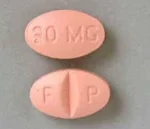
FDA-approved generics must meet applicable quality and bioequivalence requirements. Appearance and inactive ingredients can differ by manufacturer, and cash prices may vary. Verify the tablet imprint and manufacturer through the pharmacy rather than a public image search.
If the patient has a documented allergy or sensitivity to an excipient, ask for the current ingredient list before dispensing. Do not assume that every generic contains identical inactive ingredients.
Buying Paxil 10 mg online: lawful transactional guidance
Search phrases such as “buy Paxil 10 mg online,” “paroxetine 10 mg prescription,” “Paxil 10 mg cost,” and “generic Paxil home delivery” have legitimate intent when the patient already has or obtains an appropriate prescription. Choose a pharmacy licensed to dispense to the patient’s location. It should require a valid prescription, display verifiable contact information, and provide pharmacist access.
Do not use a website that offers paroxetine without a prescription, completes checkout without identity or medical verification, or promises an instant cure. Avoid products shipped in unmarked bags, foreign-language blister packs that do not match the authorized product, or containers without the patient name, strength, directions, pharmacy, and prescriber information required in the jurisdiction.
How to compare Paxil 10 mg prices
Match immediate-release paroxetine 10 mg, quantity, and brand/generic status. A low price for a different strength or controlled-release product is not a valid comparison. Review insurance copays, cash pricing, discount restrictions, shipping charges, and refill timing.
Ask whether a quoted price covers the complete prescribed quantity. Never order a higher strength with the intention of splitting it unless the prescriber and pharmacist approve the exact tablet and plan. Cost-saving should not create dosing uncertainty.
Before confirming an online refill
- The prescription remains active and the follow-up requirement has been met.
- The item is immediate-release paroxetine 10 mg.
- The quantity and directions match the current regimen, including any scheduled titration.
- New medicines, supplements, pregnancy, or medical changes have been reported.
- The pharmacy license is verifiable through the appropriate regulator.
- A pharmacist can answer questions before the medicine is taken.
Storage, travel, and disposal
Keep tablets in the original pharmacy-labeled container, away from excess heat, moisture, children, and pets. When traveling, carry the labeled container and enough authorized medicine for the trip, with reasonable allowance for delays. Check destination rules for prescription medicines.
Use an approved take-back program for unneeded or expired tablets when available. Do not share leftovers or save them for an unplanned future restart.
How to spot a questionable online Paxil listing
Warning signs include no prescription requirement, no pharmacist contact, a price that changes only after private messaging, payment demanded through cryptocurrency or gift cards, no verifiable location, copied medical claims, and packaging photographs that do not identify the manufacturer. Claims such as “zero side effects,” “safe in pregnancy,” or “works in 24 hours” conflict with responsible dispensing.
Also be cautious when a listing merges immediate-release Paxil 10 mg with Paxil CR or offers the customer a menu to choose any strength without prescriber approval. A licensed pharmacy dispenses the authorized prescription; it does not invite the buyer to self-select a psychiatric dose.
Frequently asked questions about Paxil 10 mg
Is 10 mg the normal starting dose for panic disorder?
Current U.S. labeling lists 10 mg daily as the adult starting dose for panic disorder. The prescriber may adjust later based on response and tolerability.
Can 10 mg treat depression?
Immediate-release Paxil is approved for MDD, but the labeled adult starting dose is generally 20 mg. A clinician may choose a different plan for patient-specific reasons. Do not infer a personal dose from the indication alone.
Is Paxil 10 mg addictive?
Paroxetine is not considered an addictive intoxicant, but physical adaptation and clinically significant discontinuation symptoms can occur. It should be reduced under supervision.
Can it be taken only when anxiety is severe?
No. Paxil is generally used consistently, not as an as-needed rescue drug. Follow the prescribed daily schedule.
What is the difference between Paxil and Paxil CR?
Paxil is immediate release; Paxil CR is controlled release. The strengths and labeled indications differ, and the products should not be exchanged without prescriber authorization.
Can I drink alcohol with Paxil 10 mg?
Alcohol can worsen sedation, impaired judgment, depression, and anxiety. Discuss use with the prescriber and avoid assuming a lower dose removes the risk.
Can I buy Paxil 10 mg without a prescription?
No legitimate U.S. pharmacy should dispense prescription paroxetine without a valid prescription. Avoid sellers that advertise otherwise.
What if the tablets look different after a refill?
Generic manufacturers may use different colors and imprints. Do not take the tablet until the dispensing pharmacist confirms the manufacturer, strength, and product.
Final patient purchasing perspective
Paxil 10 mg can be a useful lower strength within a carefully designed adult treatment plan. Its smaller milligram number does not eliminate the boxed warning, interactions, pregnancy concerns, bleeding risk, sexual effects, or discontinuation syndrome. Safe treatment depends on accurate diagnosis, an exact prescription, gradual clinician-directed changes, and honest follow-up.
When ordering paroxetine 10 mg online, prioritize prescription verification and a licensed pharmacy over slogans such as “no prescription needed,” “instant approval,” or “lowest price guaranteed.” A legitimate transaction gives the patient an identifiable product, pharmacist access, regulated labeling, and a route for resolving questions before the first dose.
Official medical references
| Select Variation |
300 pills ,180 pills ,240 pills ,90 pills |
|---|