

Health Tips
Oxycodone After Gallbladder Surgery: What to Expect During Recovery

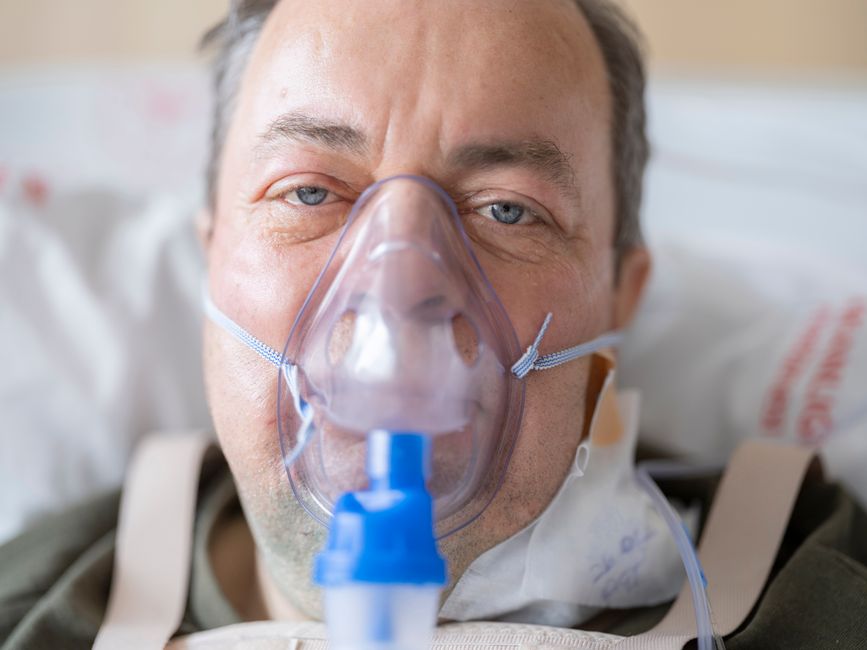
Waking up after gallbladder surgery, most people feel a mix of relief and soreness. The gallbladder is gone, the source of those painful attacks has been removed, but the incision sites still ache, and your abdomen feels tender every time you move. This is exactly when many surgeons turn to oxycodone after gallbladder surgery to help patients get through the first few uncomfortable days.
If you’ve just had a cholecystectomy, or you’re preparing for one, understanding how oxycodone fits into your recovery can make the whole process feel far less confusing. In this guide, we’ll walk through why oxycodone is prescribed, how long you might need it, what side effects to watch for, and how to use it safely while your body heals.
Why Doctors Prescribe Oxycodone After Gallbladder Surgery
Gallbladder removal, medically known as a cholecystectomy, is one of the most common surgeries performed in the United States. Whether it’s done laparoscopically through small incisions or as an open procedure with a larger incision, the surgery involves cutting through abdominal muscle and tissue. That kind of trauma triggers real pain signals, and your body needs help managing them while it repairs itself.
Oxycodone is an opioid pain reliever that works directly on the central nervous system to reduce how the brain perceives pain. Surgeons prescribe it after gallbladder removal because it’s effective for the moderate to severe pain that often shows up in the first 24 to 72 hours after surgery, particularly around the incision sites and in the shoulder area, where referred pain from the gas used during laparoscopic surgery can linger.
Not every patient needs oxycodone. Some people recover well with over-the-counter options like acetaminophen or ibuprofen, especially after a straightforward laparoscopic procedure. However, for those with more discomfort, an open surgery, or a lower pain tolerance, oxycodone can bridge the gap between the immediate post-operative period and the point where milder medications are enough.
Laparoscopic vs. Open Gallbladder Surgery: Pain Differences Matter
The type of surgery you had plays a big role in how much pain medication you’ll likely need.
Laparoscopic Cholecystectomy
This is the standard approach for most gallbladder removals today. Surgeons make three or four small incisions and use a camera and instruments to remove the gallbladder. Recovery tends to be faster, and pain is usually more manageable. Many patients only need oxycodone for a few days, sometimes even just for the first 24 to 48 hours, before switching entirely to over-the-counter pain relief.
Open Cholecystectomy
An open surgery involves a larger incision through the abdominal wall. This is typically reserved for complicated cases, such as severe inflammation, unexpected bleeding, or scar tissue from previous surgeries. Because the incision is larger and the muscle disruption is greater, pain tends to be more intense and lasts longer. Patients who undergo open surgery often need oxycodone for a longer stretch, sometimes a week or more, before tapering down.
Knowing which category you fall into helps set realistic expectations. If your recovery feels tougher than a friend’s who also had gallbladder surgery, the difference in surgical approach could be why.
How Oxycodone Works for Post-Surgical Pain
Oxycodone belongs to a class of medications called opioid analgesics. It binds to opioid receptors in the brain and spinal cord, blocking pain signals and changing how your body responds to discomfort. It also tends to produce a sense of calm or mild euphoria, which is part of why it’s tightly regulated.
After gallbladder surgery, oxycodone is usually prescribed in one of a few forms:
- Immediate-release oxycodone (often combined with acetaminophen in products like Percocet) for short-term, as-needed pain relief.
- Standalone oxycodone tablets in low doses, such as 5 mg or 10 mg, taken every 4 to 6 hours as needed.
Extended-release oxycodone is rarely used for gallbladder surgery because the pain is expected to improve quickly, and long-acting opioids are generally reserved for chronic pain conditions rather than short-term post-surgical recovery.
According to the Mayo Clinic, most patients who undergo laparoscopic gallbladder removal can return to normal activities within a week, and pain medication needs typically drop off quickly after the first few days.
Typical Oxycodone Timeline After Gallbladder Surgery
Every recovery is different, but there’s a general pattern most patients follow. Here’s what that timeline often looks like.
Day 1 to Day 3: Peak Discomfort
The first 72 hours are usually when pain is at its worst. Incision sites are fresh, internal tissue is inflamed, and abdominal muscles are irritated from the procedure. During this window, oxycodone is often taken on a regular schedule, such as every 4 to 6 hours, rather than only when pain becomes severe. This proactive approach helps keep pain from spiking out of control, which actually makes it easier to manage overall.
Day 4 to Day 7: Tapering Begins
By the middle of the first week, many patients notice pain becoming duller and less constant. This is typically when doctors recommend switching to an as-needed schedule instead of a fixed one. Instead of taking oxycodone every 4 to 6 hours regardless of pain level, patients begin taking it only when discomfort actually flares up, such as after moving around more than usual or before physical therapy exercises. Many people find they need far fewer doses during this stretch, and some transition to over-the-counter pain relievers like acetaminophen or ibuprofen (if approved by their surgeon) to fill in the gaps.
Week 2 and Beyond: Tapering Off Completely
For most patients recovering from laparoscopic gallbladder removal, oxycodone use tapers off entirely within 7 to 10 days. Open gallbladder surgery, which involves a larger incision and more tissue disruption, may require a slightly longer taper, sometimes extending into the third week. By this stage, any lingering discomfort is usually mild and manageable with non-opioid options. If pain is still significant enough to require oxycodone beyond two weeks, it’s worth mentioning to your surgeon, since this can sometimes signal a complication such as bile leakage, infection, or an unrelated digestive issue.
This general pattern lines up closely with what’s seen after other common procedures. For a point of comparison, the recovery curve described in oxycodone use after knee replacement surgery follows a similar early-peak, gradual-taper shape, even though the surgeries themselves are very different.
Factors That Influence How Much Oxycodone You’ll Need
Not everyone needs the same amount of pain medication after gallbladder surgery. Several variables affect how much oxycodone a patient is prescribed and how long they end up using it.
Type of Surgery Performed
Laparoscopic cholecystectomy, which uses several small incisions and a camera-guided approach, is far less invasive than open cholecystectomy, which requires a larger incision through the abdominal wall. Laparoscopic patients almost always need less oxycodone and for a shorter period. Open surgery, while less common today, involves more tissue trauma and typically requires a longer opioid taper.
Individual Pain Tolerance
Pain perception varies significantly from person to person. Some patients feel ready to stop opioids within two or three days, while others need a few extra days of coverage before they feel comfortable managing with over-the-counter alternatives. Neither response is unusual, and doctors generally adjust prescriptions based on how the patient is actually feeling, not a fixed formula.
Presence of Complications During Surgery
If the gallbladder was inflamed, infected, or unusually difficult to remove (a condition sometimes called a “difficult gallbladder”), the surgeon may need to convert a planned laparoscopic procedure into an open one, or spend more time manipulating internal tissue. These situations often lead to more post-operative pain and a longer oxycodone taper compared to a straightforward, uncomplicated procedure.
Age and Overall Health
Older adults and patients with other underlying health conditions sometimes metabolize opioids more slowly, which can affect both how strong the medication feels and how long its effects last. Because of this, doctors often start older patients on the lower end of the dosing range and monitor closely for side effects like excessive drowsiness or constipation. If you’re caring for a senior recovering from gallbladder surgery, the guidance in oxycodone safety for seniors living alone offers useful precautions worth reviewing.
Prior Opioid Exposure
Patients who have taken opioids before, whether for a past surgery, an injury, or a chronic pain condition, may have different tolerance levels than those who are opioid-naive. This history plays into how a surgeon calibrates the initial prescription.
Common Side Effects to Expect
Oxycodone is effective at controlling post-surgical pain, but it comes with a predictable set of side effects that almost every patient experiences to some degree. Knowing what’s normal can help you distinguish between an expected reaction and something that needs medical attention.
Constipation
This is, by far, the most common and most uncomfortable side effect of oxycodone, and it’s particularly relevant after gallbladder surgery because abdominal surgery already slows down digestion temporarily. Opioids further reduce gut motility, which can lead to bloating, straining, and significant discomfort on top of the surgical pain you’re already managing. Doctors frequently recommend starting a stool softener or mild laxative at the same time you begin oxycodone, rather than waiting until constipation becomes a problem. Staying hydrated, walking as soon as it’s medically approved, and eating fiber-rich foods (once your diet allows it) all help keep things moving.
Nausea and Upset Stomach
Some patients feel queasy after taking oxycodone, especially in the first day or two. This tends to improve as the body adjusts. Taking the medication with a small amount of food, rather than on an empty stomach, often reduces this effect. Since gallbladder removal already changes how the body processes fat, some patients find that greasy or heavy foods make nausea worse during this period, so sticking to bland, easily digestible meals for the first few days can help.
Drowsiness and Grogginess
Feeling sleepy or mentally foggy is common, particularly right after surgery when anesthesia is also still working its way out of your system. This is one of the reasons doctors advise against driving, operating machinery, or making major decisions while taking oxycodone. It’s also worth noting for patients returning to work or caregiving responsibilities. If you’re supporting a family member through this stage, the practical tips in the oxycodone caregiver guide can help you recognize when drowsiness crosses the line from normal to concerning.
Itching or Mild Skin Reactions
Opioids can trigger histamine release, which sometimes causes mild itching, even without a true allergy. This is usually manageable and not a reason to stop the medication, though it’s worth mentioning to your doctor if it becomes bothersome.
Dizziness
Standing up too quickly can cause a brief drop in blood pressure that feels like lightheadedness. This is more common in the first few days after surgery, when the body is still recovering from both the anesthesia and the physical stress of the procedure. Moving slowly when changing positions, especially getting out of bed, reduces the risk of falls.
Warning Signs That Need Medical Attention
While mild side effects are expected, certain symptoms after gallbladder surgery are not typical opioid side effects and could point to a surgical complication rather than a medication reaction. Contact your surgical team promptly if you notice any of the following.
- Fever above 101°F, which can indicate infection.
- Yellowing of the skin or eyes (jaundice), which may suggest a bile duct injury or blockage.
- Severe or worsening abdominal pain that isn’t improving despite taking oxycodone as prescribed.
- Persistent vomiting that prevents you from keeping food, fluids, or medication down.
- Redness, warmth, or drainage at incision sites.
- Shortness of breath or chest pain, which should always be treated as an emergency.
- Confusion, extreme drowsiness, or slowed breathing, which can indicate an opioid overdose and require immediate emergency care.
It’s easy to assume that any discomfort after surgery is just part of the process, but trusting your instincts matters. If something feels wrong, or noticeably different from the pain you were told to expect, it’s always better to call your doctor’s office than to wait it out.
Tips for Managing Oxycodone Safely After Gallbladder Surgery
Getting through the recovery period smoothly often comes down to a few practical habits.
Take It With Food (When Possible)
Unless your doctor advises otherwise, taking oxycodone with a small snack can reduce nausea. Just be mindful that fatty, greasy, or fried foods may be harder to digest right after gallbladder removal, since your body is adjusting to processing fat without the gallbladder’s help.
Stay Ahead of Constipation
Don’t wait until you’re uncomfortable to start managing this side effect. Begin a stool softener as recommended by your surgical team, drink plenty of water, and incorporate gentle movement like short walks as soon as you’re cleared to do so.
Avoid Mixing With Alcohol or Sedatives
Combining oxycodone with alcohol, sleep aids, or other sedating medications significantly increases the risk of dangerous breathing problems. This combination should be avoided entirely during recovery.
Don’t Drive or Operate Machinery
Oxycodone impairs reaction time and judgment, even if you feel like you’re managing fine. Wait until you’ve been off the medication for a full day or two, and only after confirming with your doctor that it’s safe to resume driving.
Store Medication Securely
Keep oxycodone in a locked cabinet or lockbox, away from children, pets, and anyone else in the household who shouldn’t have access to it. Proper disposal of unused pills once you’re finished with treatment is just as important as safe storage.
Follow the Prescribed Schedule
Taking oxycodone exactly as prescribed, rather than adjusting the dose or frequency on your own, reduces the risk of side effects and dependency. If your current dose doesn’t seem to be controlling pain adequately, or if it wears off too quickly, that’s a conversation to have with your prescriber rather than something to solve by taking extra doses. This is a common concern after many types of surgery, and the explanations in why oxycodone doesn’t always last long enough can help clarify what’s normal and what’s worth flagging to your doctor.
When to Stop Taking Oxycodone
Most patients naturally taper off oxycodone within one to two weeks after gallbladder surgery, transitioning first to less frequent dosing and then to non-opioid pain relievers as needed. There’s no strict rule about exactly when to stop, since it depends on how quickly your pain improves, but a good general guideline is to move to the lowest effective dose as soon as your pain allows, and to stop altogether once over-the-counter options keep you comfortable.
If you find yourself still relying on oxycodone regularly beyond the two-week mark, it’s worth discussing with your surgeon. This doesn’t necessarily mean anything is wrong, but it does warrant a closer look to rule out complications and to make sure your recovery is on track. For general context on what a full opioid taper looks like across different timelines, the overview in oxycodone treatment timelines from day one to long-term use lays out the broader pattern many patients experience.
Does Oxycodone Slow Down Healing After Gallbladder Surgery?
This is a common question, and the short answer is that oxycodone itself doesn’t directly interfere with tissue healing at the incision sites. However, it can indirectly slow recovery in a few ways. Constipation and reduced mobility, both linked to opioid use, can delay the return of normal digestion and physical activity, both of which play a role in overall recovery speed. Excessive drowsiness can also discourage patients from getting up and walking, which is actually one of the best things you can do to promote circulation and reduce the risk of complications like blood clots.
For a deeper look at how opioids interact with the body’s healing processes more broadly, the article on whether oxycodone affects healing after surgery breaks down the research in more detail.
Alternatives and Complements to Oxycodone
Oxycodone is rarely used in isolation during gallbladder surgery recovery. Most pain management plans combine it with other strategies to reduce how much opioid medication is actually needed.
Acetaminophen and NSAIDs
Over-the-counter options like acetaminophen (Tylenol) or ibuprofen (Advil, Motrin) are often used alongside or in place of oxycodone once pain becomes more moderate. Combining these with oxycodone, when approved by your doctor, can allow for lower opioid doses while still keeping pain under control.
Ice and Positioning
Applying ice to the incision area (with a barrier to protect the skin) can reduce swelling and discomfort. Many patients also find relief by propping themselves up slightly rather than lying completely flat, which can ease pressure on the abdomen.
Gentle Movement
It might seem counterintuitive, but light walking, starting the same day or the day after surgery in most cases, actually helps reduce pain over time by preventing stiffness and encouraging normal digestive function to resume.
Local Anesthetic at Incision Sites
Some surgeons inject a long-acting local anesthetic directly into the incision sites during surgery, which can significantly reduce pain in the first 12 to 24 hours and lower the amount of oxycodone needed immediately after the procedure.
Frequently Asked Questions
How long will I need oxycodone after gallbladder surgery?
Most patients need oxycodone for anywhere from a few days to about two weeks, depending on whether the surgery was laparoscopic or open, and how quickly their individual pain resolves. Laparoscopic patients typically taper off faster than those who had open surgery.
Is it normal to still have pain a week after gallbladder removal?
Yes, mild to moderate discomfort at the one-week mark is common, especially with movement, coughing, or bending. However, pain should be gradually improving, not worsening. If pain spikes or feels significantly worse than it did in the days prior, contact your surgical team.
Can I take oxycodone on an empty stomach after gallbladder surgery?
It’s generally better to take oxycodone with a small amount of food to reduce nausea, though very fatty or greasy foods may be harder to digest right after surgery. Ask your care team for specific dietary guidance during your recovery period.
What should I do if oxycodone isn’t controlling my pain?
Contact your surgeon’s office rather than increasing your dose on your own. They may adjust your prescription, suggest combining it with a non-opioid pain reliever, or evaluate whether a complication is contributing to unexpected pain levels.
Is it safe to combine oxycodone with other pain medications after gallbladder surgery?
Combining oxycodone with acetaminophen or NSAIDs is common and often recommended, but only under your doctor’s guidance regarding dosing and timing. Never combine oxycodone with alcohol, sleep aids, or other opioids without explicit medical approval.
Final Thoughts
Recovering from gallbladder surgery is generally a fast process compared to many other surgical procedures, and for most patients, oxycodone plays a relatively short-term role in that recovery. Understanding the typical timeline, being proactive about side effects like constipation, and knowing which warning signs warrant a call to your doctor can make the entire experience feel far more manageable. If you find your recovery isn’t following the expected pattern, whether pain lingers longer than anticipated or side effects feel excessive, don’t hesitate to reach out to your surgical team. They would much rather answer a question that turns out to be nothing than have you push through something that needed attention.
Looking Ahead: Life After Oxycodone
Once your prescription runs out and your incisions have healed, most patients find that gallbladder surgery recovery fades into the background fairly quickly. The gallbladder itself isn’t essential for digestion, and the liver simply adjusts by releasing bile directly into the small intestine instead of storing it. Some people notice minor digestive changes, like looser stools after fatty meals, but these tend to resolve within a few weeks to a few months as the body adapts.
If you’re curious about how your body transitions once opioid pain relief is no longer part of the picture, it can help to understand the broader pattern of tapering off pain medication after a procedure. Many patients wonder whether pain can resurface once they stop taking oxycodone, and the answer usually depends on how well the underlying surgical site has healed and whether any complications developed along the way. For a deeper look at this topic, this guide on pain returning after stopping oxycodone walks through what’s typical and what might warrant a follow-up call to your surgeon.
It’s also worth remembering that oxycodone, while effective, is only one part of a broader healing process. Nutrition, hydration, gentle movement, and rest all play supporting roles. Patients who stay attentive to these basics tend to report smoother recoveries and fewer lingering aches, regardless of how quickly they’re able to stop taking pain medication.
When to Reach Out for Extra Support
Every recovery has its own rhythm, and it’s normal for questions to pop up well after the surgery date has passed. If you’re unsure whether a symptom is expected or worth flagging, a quick call to your surgeon’s office or primary care provider is always reasonable. Common reasons patients reach back out during the weeks following gallbladder removal include:
- Pain that seems to be getting worse instead of better after the first week
- New or worsening nausea, especially if it interferes with eating or hydration
- Concerns about medication side effects, including drowsiness that doesn’t improve
- Uncertainty about when it’s safe to return to work, driving, or exercise
- Questions about interactions between oxycodone and other medications or supplements
Surgical teams generally schedule a follow-up appointment within one to three weeks of the procedure, but you don’t need to wait until then if something feels off. According to the Johns Hopkins Medicine patient resources on postsurgical recovery, early communication about unusual symptoms is one of the most reliable ways to catch complications before they become more serious.
Frequently Asked Questions
How long will I need oxycodone after gallbladder surgery?
Most patients who undergo laparoscopic gallbladder removal need oxycodone for only three to seven days. Those who have open surgery or experience complications during the procedure may need it slightly longer, but extended use beyond one to two weeks is uncommon and worth discussing with your surgeon if it happens.
Can I drive while taking oxycodone after surgery?
No. Oxycodone can cause drowsiness, slowed reaction time, and impaired judgment, all of which make driving unsafe. Most surgeons recommend avoiding driving until you’ve been off opioid pain medication for at least 24 hours and feel fully alert.
Will oxycodone affect how quickly my incisions heal?
Oxycodone itself doesn’t directly interfere with wound healing, but the constipation and reduced mobility it can cause may indirectly slow recovery if not managed well. Staying hydrated, using stool softeners as directed, and moving around gently each day helps offset these effects. For a more detailed explanation of how opioids interact with the healing process, this article on oxycodone and surgical healing covers the topic in depth.
Is it normal to feel like oxycodone stops working before my next dose is due?
This is a common experience, especially toward the end of a prescribed dosing interval. It usually reflects how the medication is metabolized rather than a sign that something is wrong. If this happens consistently, your care team may adjust your dosing schedule rather than increasing the amount you take at once.
What’s the safest way to store and dispose of leftover oxycodone?
Keep any remaining tablets in a secure location away from children, pets, and visitors, and dispose of unused medication through a pharmacy take-back program or authorized disposal site as soon as you no longer need it. Holding onto leftover opioids longer than necessary increases the risk of misuse, either by you or by someone else in your household.
Conclusion
Gallbladder surgery recovery is typically brief, and oxycodone is usually just a short bridge to get you through the first few uncomfortable days. Knowing what to expect, from the initial post-anesthesia grogginess to the gradual tapering of pain medication, helps take some of the uncertainty out of the process. Pay attention to your body, stay ahead of side effects like constipation, and don’t hesitate to contact your surgical team if anything feels unusual. With a little patience and the right support, most patients are back to their normal routines within a matter of weeks.


