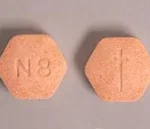

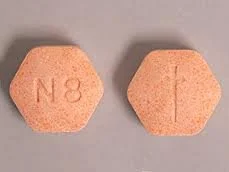
Generic Suboxone 2 mg
Price range: $508.00 through $1,507.00
| Variation | Price | Quantity | Add To Cart |
|---|---|---|---|
| 360 pills | $1,507.00 |
|
Add to cart |
| 180 pills | $508.00 |
|
Add to cart |
| 90 pills | $533.00 |
|
Add to cart |
Suboxone 2 mg pill is the lowest strength of Suboxone sublingual film. Each film contains 2 mg of buprenorphine and 0.5 mg of naloxone, so the strength is written on the label as Suboxone 2 mg/0.5 mg. It is a prescription medicine used to treat opioid use disorder (OUD) as part of a complete treatment plan that may include counseling and other support. Because 2 mg is the smallest unit available, prescribers use it to start treatment safely, to fine-tune a daily dose in small steps, and to lower the dose gradually when a patient is ready to taper.
This page covers what the Suboxone 2 mg film is, how buprenorphine works, how the first day of treatment is usually structured, how to place the film correctly, side effects, safety warnings, drug interactions, and the rules that apply to prescriptions for this Schedule III medicine.
Suboxone 2 mg/0.5 mg at a Glance
| Detail | Information |
|---|---|
| Brand name | Suboxone (sublingual film) |
| Active ingredients | Buprenorphine 2 mg + naloxone 0.5 mg |
| Drug class | Partial opioid agonist (buprenorphine) combined with an opioid antagonist (naloxone) |
| Approved use | Treatment of opioid dependence (opioid use disorder) |
| Dosage form | Orange, rectangular film with a white printed logo, about 22 mm × 12.8 mm |
| Route | Under the tongue (sublingual) or inside the cheek (buccal) |
| Other strengths | 4 mg/1 mg, 8 mg/2 mg and 12 mg/3 mg films |
| DEA schedule | Schedule III controlled substance |
| Half-life of buprenorphine | About 24 to 42 hours |
| Prescription required | Yes |
Generic buprenorphine/naloxone is also available as sublingual films and sublingual tablets in the same 2 mg/0.5 mg ratio. Generic products can look different from the brand film, and that is normal. The reasons are covered in why generic medicines do not always look the same.
Why the 2 mg Strength Matters
Most people on long-term Suboxone treatment take a total daily dose well above 2 mg. The 2 mg/0.5 mg film is still one of the most useful strengths in the product line, for three practical reasons.
- Safe starts. On the first day of treatment, the label allows a starting dose of 2 mg/0.5 mg or 4 mg/1 mg. A small first dose lowers the chance of a sudden, uncomfortable withdrawal reaction and lets the prescriber see how the patient responds before adding more.
- Fine adjustments. A patient who is comfortable on 8 mg but has cravings late in the day may do better on 10 mg. Adding one 2 mg film makes that small step possible without jumping to the next large strength.
- Gradual tapers. When a patient and prescriber decide to reduce the dose, 2 mg films allow slow step-downs. Smaller, slower reductions are usually easier to tolerate than large cuts.
Every patient’s dose is set individually. Body chemistry, past opioid use, other medicines and personal goals all play a part, which is explained further in why some people need less medication than others.
How Buprenorphine and Naloxone Work Together
Buprenorphine: the treatment ingredient
Buprenorphine attaches very strongly to the brain’s mu-opioid receptors, but it activates them only partly. This is why it is called a partial agonist. For a person with opioid dependence, that partial activation is enough to relieve withdrawal symptoms and reduce cravings without producing the strong effects of full agonists such as heroin, fentanyl or oxycodone.
Buprenorphine also has a “ceiling effect.” Above a certain dose, its effect on breathing stops increasing in a healthy adult. This ceiling is one reason buprenorphine is considered safer than full opioid agonists. It is not a guarantee of safety, though. Combining buprenorphine with alcohol, benzodiazepines or other sedatives can still cause dangerous breathing problems.
Because buprenorphine binds so tightly, it also blocks other opioids from reaching the receptor. People who use other opioids while on Suboxone often notice a reduced effect, which can support recovery. Over time, the body adjusts to any opioid, including buprenorphine. How that adjustment works is described in this explanation of opioid tolerance.
Naloxone: the misuse deterrent
Naloxone is an opioid blocker. When Suboxone is dissolved under the tongue as directed, very little naloxone is absorbed, so it has almost no effect. If someone tries to dissolve and inject the film, the naloxone becomes active and can trigger immediate withdrawal. Naloxone is in the film to discourage misuse. It does not change how the medicine works when it is taken correctly.
Starting Treatment: How Induction Works
The first phase of Suboxone treatment is called induction. Timing is everything during induction. Buprenorphine can push other opioids off the receptors, so if the first dose is taken too soon after a full agonist, it can cause precipitated withdrawal. This is a sudden, intense withdrawal that can feel worse than ordinary withdrawal.
To avoid this, the first dose is usually taken only once objective signs of withdrawal have appeared. Typical signs are yawning, a runny nose, goosebumps, dilated pupils, sweating, restlessness and stomach cramps. Clinicians often use a scoring tool such as the Clinical Opiate Withdrawal Scale (COWS) to decide when a patient is ready.
Typical induction schedule from the label
| Stage | What usually happens | Where 2 mg films fit |
|---|---|---|
| Day 1: first dose | 2 mg/0.5 mg or 4 mg/1 mg once objective withdrawal signs appear | One 2 mg film is a common cautious first dose |
| Day 1: titration | Increases of 2 mg or 4 mg of buprenorphine at about 2-hour intervals, as needed | 2 mg films allow the smallest steps |
| Day 1: total | Up to 8 mg/2 mg in divided doses | Up to four 2 mg films across the day, if directed |
| Day 2 | A single daily dose of up to 16 mg/4 mg | Usually combined with larger strengths |
| Maintenance | Target range of 4 mg/1 mg to 24 mg/6 mg per day | Used to fine-tune the total daily dose |
The label also notes that patients who are dependent on methadone or other long-acting opioids are better started on buprenorphine alone (without naloxone), because they face a higher risk of precipitated withdrawal. Some clinics also use newer methods, such as starting with very small buprenorphine doses while the person is still taking another opioid. Only the treating clinician should choose the method.
Important: Never take a Suboxone 2 mg film to “test” how it feels while other opioids are still active in your body. A first dose taken too early is the most common cause of precipitated withdrawal. Follow the timing your prescriber gives you.
How to Take a Suboxone 2 mg Film Correctly
Suboxone 2 mg tablet works only when it is absorbed through the lining of the mouth. If the film is swallowed, very little buprenorphine reaches the bloodstream. These steps follow the official patient instructions.
- Drink some water first. A moist mouth helps the film dissolve.
- Open the pouch. Hold the film between two fingers by its outer edges.
- Place it. Put the film under the tongue, close to the base on the left or right side, or on the inside of the left or right cheek if your prescriber has told you to use the buccal method.
- Using two films? If you need a second film at the same time, place it on the opposite side. Avoid placing films on top of each other.
- Leave it alone. Keep the film in place until it has dissolved completely. Do not chew, swallow, cut or move it, and do not talk more than you need to.
- Rinse. Once the film is fully dissolved, take a large sip of water, swish it gently around your teeth and gums, and swallow.
- Wait to brush. Wait at least one hour before brushing your teeth.
The rinsing and brushing steps were added after the FDA reviewed reports of tooth decay, cavities, oral infections and tooth loss linked to buprenorphine medicines that dissolve in the mouth. See the FDA safety communication on dental problems. Tell your dentist that you take buprenorphine and keep regular dental checkups.
Maintenance Dosing and Dose Changes
After the first few days, the aim is a single daily dose that controls withdrawal and cravings for a full 24 hours. Most patients reach this somewhere in the 4 mg to 24 mg buprenorphine range, and a dose of about 16 mg/4 mg is a common target. The label was updated in 2025 to say that doses above 24 mg/6 mg have not been formally studied but may be appropriate for some patients. That decision belongs to the prescriber.
Signs that a dose may need review include cravings late in the day, withdrawal symptoms before the next dose, continued use of other opioids, or feeling too sedated. Make a note of these and share them at your next visit. The checklist in questions to ask at every follow-up visit can help you prepare.
Do not change your dose on your own, even by one 2 mg film. Unplanned changes make it harder for your care team to understand your response and can cause withdrawal or oversedation.
Side Effects of Suboxone 2 mg Pill
Side effects are similar across all Suboxone strengths. Many settle as the body adjusts during the first weeks.
| Where it shows up | Commonly reported effects |
|---|---|
| Mouth | Numbness of the mouth (oral hypoesthesia), a painful or burning tongue (glossodynia), redness of the mouth lining |
| Digestion | Constipation, nausea, vomiting |
| Nervous system | Headache, insomnia, drowsiness, dizziness |
| Skin | Excessive sweating (hyperhidrosis) |
| Withdrawal-type effects | Body aches, anxiety, runny nose, chills, especially early in treatment |
| Reported after approval | Swelling of the hands or feet, mouth sores, blistering or ulcers of the mouth or tongue |
Contact your prescriber or seek care quickly if you notice:
- Slow, shallow or difficult breathing, or extreme sleepiness
- Yellowing of the skin or eyes, dark urine, pale stools, loss of appetite or pain in the upper right abdomen, which can be signs of liver problems
- Rash, hives, swelling of the face or throat, or wheezing
- Dizziness or fainting when standing up
- Severe withdrawal symptoms after a dose
Key Safety Warnings of 2mg Suboxone Pill
Breathing problems with sedatives and alcohol
The greatest risk with buprenorphine comes from mixing it with other substances that slow the brain and breathing. These include benzodiazepines such as alprazolam or diazepam, sleep medicines, alcohol, muscle relaxants and other opioids. The FDA has also stated that people with OUD should not be denied buprenorphine because they take benzodiazepines, since untreated OUD carries its own serious risks. In these situations, prescribers manage both medicines carefully and do not simply stop one of them. Read the FDA communication on opioid addiction medicines and benzodiazepines.
Danger to children and anyone not prescribed it
A single Suboxone film can cause serious, even fatal, breathing problems in a child or in an adult who does not use opioids. Store films in their child-resistant pouches, out of sight and reach. Practical home steps are listed in how to keep children safe around prescription opioids. If someone else takes a film, call emergency services. See also what happens if someone else takes your prescription.
Liver effects
Liver injury, including hepatitis, has been reported with buprenorphine. Prescribers may check liver tests before and during treatment, especially in people with hepatitis B or C, or who drink alcohol. Patients with moderate liver impairment may need a different product, and buprenorphine/naloxone combinations are not recommended in severe liver impairment because naloxone exposure rises.
Physical dependence
Buprenorphine causes physical dependence. Stopping suddenly can bring on withdrawal and raise the risk of relapse. Any plan to stop should be made with the prescriber.
Driving and work
Suboxone can cause drowsiness, especially at the start of treatment or after a dose change. Avoid driving or operating machinery until you know how the medicine affects you.
Tell Your Prescriber Before Starting If You Have
- Lung disease such as COPD, asthma or sleep apnea
- Liver disease or hepatitis
- A head injury, brain tumor or seizure disorder
- Adrenal problems, such as Addison’s disease
- An enlarged prostate or trouble urinating
- Gallbladder or pancreas problems
- A history of dental problems
- Pregnancy, plans to become pregnant, or are breastfeeding
- A known allergy to buprenorphine or naloxone
Drug Interactions
Bring a full list of everything you take, including over-the-counter products and supplements, to every appointment. The table below lists the interactions that matter most.
| Medicine or substance | What can happen |
|---|---|
| Benzodiazepines, sleep aids, alcohol, gabapentinoids | Added sedation, slowed breathing, coma or death |
| Strong CYP3A4 inhibitors (e.g., ketoconazole, clarithromycin, some HIV medicines) | Higher buprenorphine levels, which may call for a lower dose |
| CYP3A4 inducers (e.g., rifampin, carbamazepine, phenytoin) | Lower buprenorphine levels and possible withdrawal |
| Serotonergic medicines (SSRIs, SNRIs, triptans, tramadol) | Rare risk of serotonin syndrome |
| Other opioids, including pain medicines | Reduced effect because receptors are blocked, plus overdose risk if large amounts are taken to overcome the block |
| Naltrexone | Can trigger withdrawal |
If you need surgery or urgent pain treatment while on Suboxone, tell the anesthesia and surgical team. They can plan pain control around the buprenorphine instead of stopping it without a plan.
Pregnancy and Breastfeeding
Untreated opioid use disorder during pregnancy is linked to serious risks for both parent and baby. Buprenorphine is one of the medicines recommended for treating OUD in pregnancy. Babies exposed to buprenorphine before birth may develop neonatal opioid withdrawal syndrome (NOWS), which is expected and treatable. Hospital staff should know about the medicine so they can monitor the newborn. Buprenorphine passes into breast milk in small amounts, and many people on stable treatment can breastfeed. Make this decision together with your obstetric and pediatric care providers.
Stopping or Tapering Suboxone
There is no fixed time limit on Suboxone treatment. Many people stay on it for months or years, and long-term treatment is linked to better outcomes and fewer overdoses. If a patient chooses to taper, the 2 mg/0.5 mg film is the main tool for lowering the dose in small, manageable steps. A taper is usually slow, guided by symptoms, and can be paused if cravings or withdrawal become difficult. After a taper, tolerance drops. Using opioids at a previous level can then lead to a fatal overdose.
Prescription Rules for Suboxone 2 mg
Suboxone is a Schedule III controlled substance. Since the federal “X-waiver” was removed in 2023 under the MAT Act, any practitioner with a current DEA registration that covers Schedule III medicines can prescribe buprenorphine for OUD, as state law allows. More detail is available on the SAMHSA MAT Act page.
- Refills: Schedule III prescriptions may be refilled up to five times within six months of the date written, if the prescriber authorizes it. See the guide to prescription refills.
- Verification: Pharmacists check controlled prescriptions closely and may contact the prescriber. This is routine. Learn more in how pharmacies verify controlled prescriptions.
- Monitoring: Fills are reported to your state’s prescription drug monitoring program (PDMP), which prescribers review before writing new prescriptions.
- Program agreements: Many clinics ask patients to sign a treatment agreement and take part in drug testing. These are standard parts of care, explained in medication agreements explained and what to know about urine drug testing.
Suboxone 2 mg must only be obtained with a valid prescription from a licensed practitioner and filled at a licensed pharmacy.
Storage and Disposal
- Store at room temperature, 20°C to 25°C (68°F to 77°F).
- Keep each film sealed in its foil pouch until you use it.
- Store films somewhere locked or out of reach, and keep count of how many you have.
- Dispose of unused films at a drug take-back site. If none is available, follow the label’s disposal instructions or the FDA guidance on disposing of unused medicines.
Overdose Signs and Naloxone
Overdose is still possible with buprenorphine, especially when it is mixed with other depressants or taken by someone who does not use opioids. Signs include pinpoint pupils, very slow or stopped breathing, blue or gray lips, limp body and being impossible to wake. Call 911 right away. Naloxone nasal spray is available without a prescription. Keeping it at home is a simple, effective safety step. See the CDC’s guide to reversing an opioid overdose.
For confidential treatment referrals at any hour, call the SAMHSA National Helpline at 1-800-662-4357 or search FindTreatment.gov. Full product information is listed on DailyMed, with a plain-language summary on MedlinePlus.
| Select Variation |
360 pills ,180 pills ,90 pills |
|---|